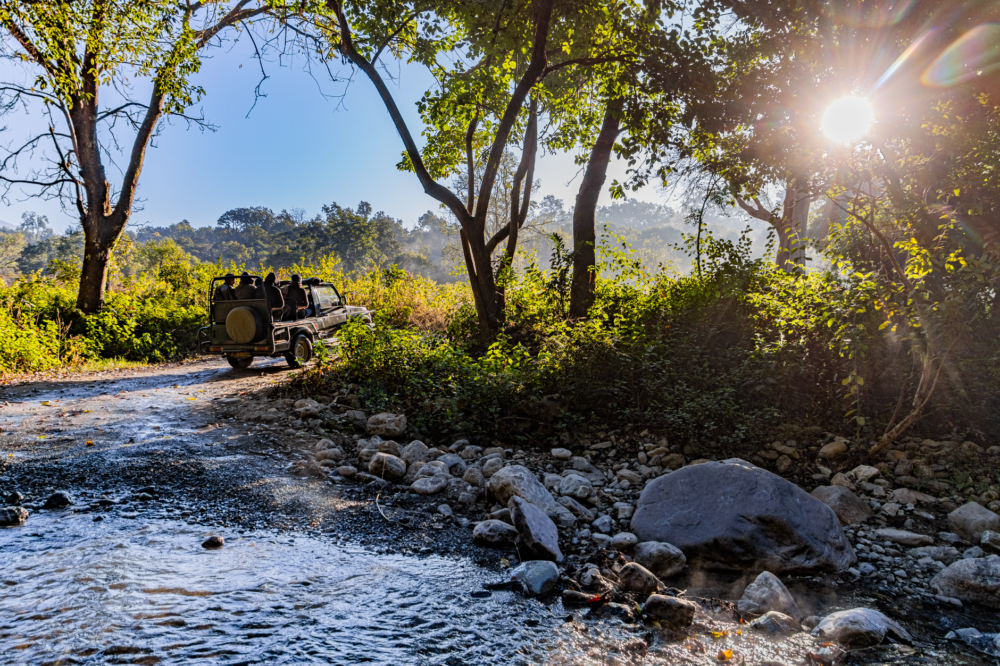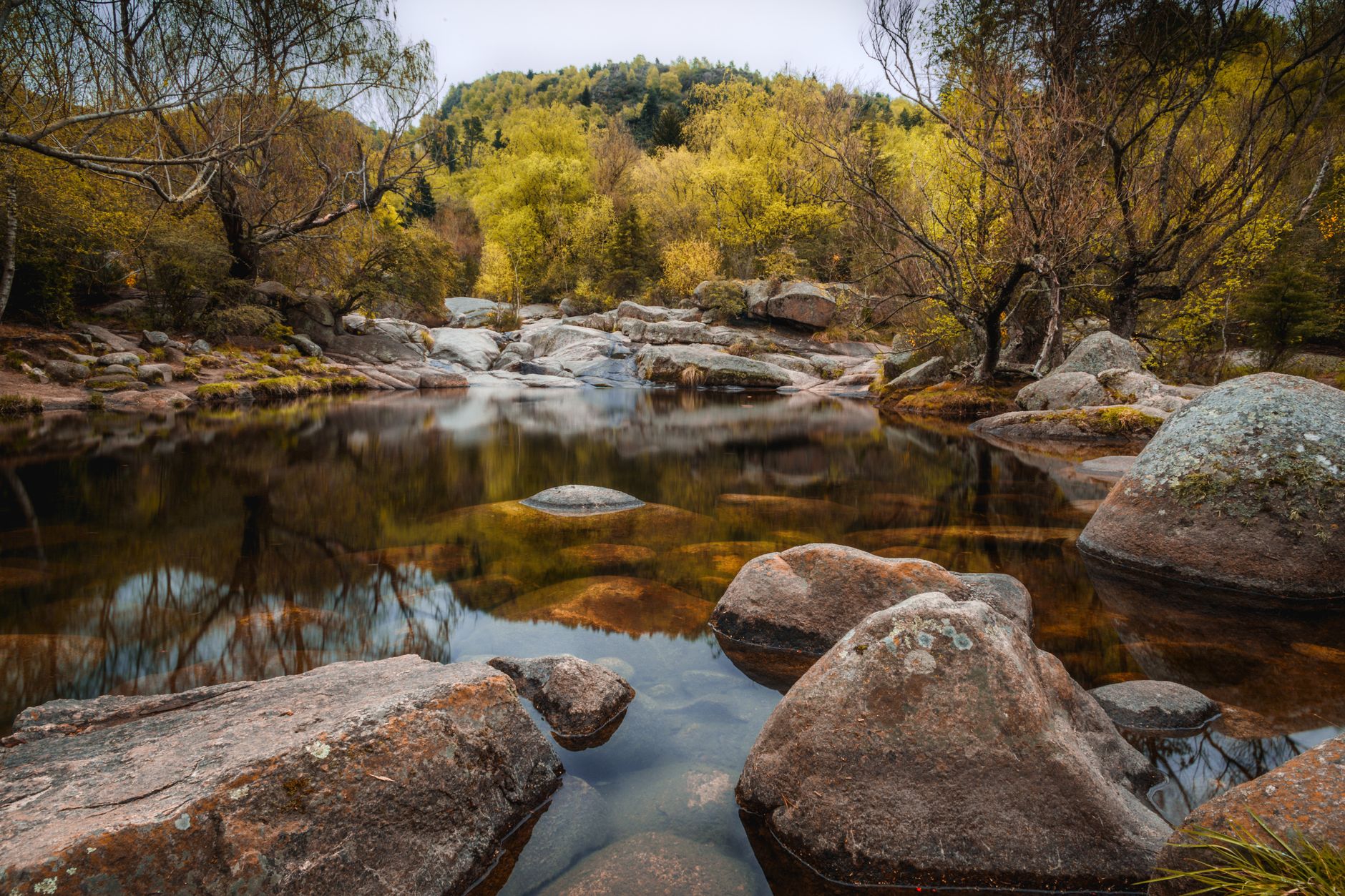

In the northwestern extreme of the Zamora province, where the Castilian plateau begins to fracture into the mountainous spurs of Galicia and Portugal, lies a territory of gentle relief yet undeniable climatic harshness: the Sierra de la Culebra. This protected natural space, marked by quartzite ridges that rarely exceed twelve hundred meters in altitude, harbors one of the most studied, stable, and symbolic populations of the Iberian wolf (Canis lupus signatus) in all of Western Europe. Far from the bucolic or ferocious image projected by popular literature for centuries, the biological reality of this canid in its Zamoran habitat responds to a complex web of ecological interactions, demographic pressures, and constant tension with the traditional socioeconomic activities that shape the region.
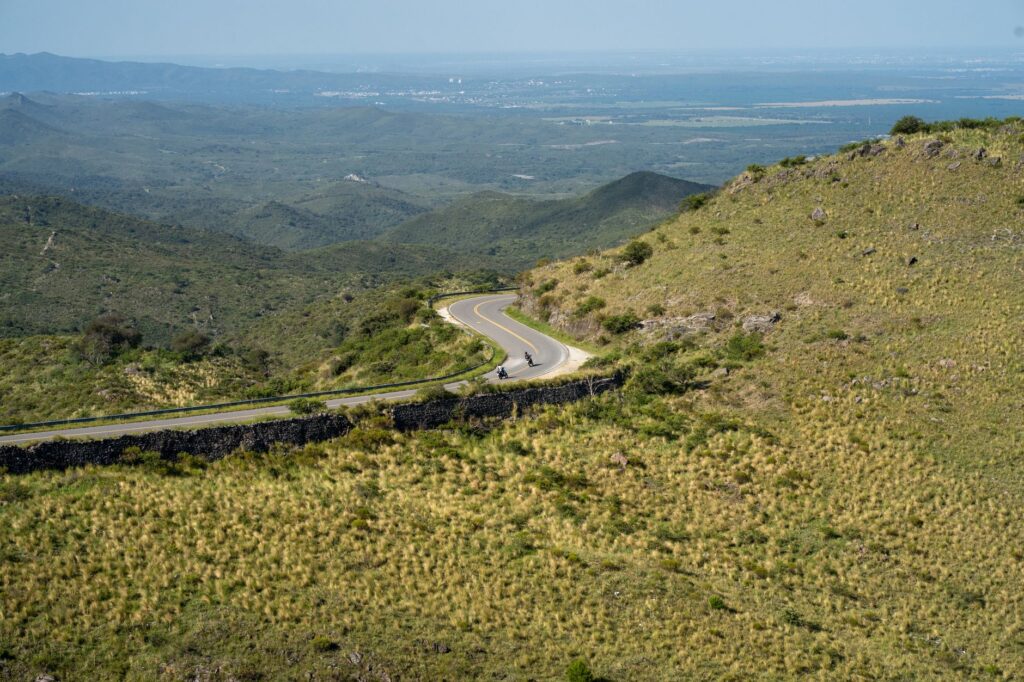
The landscape of the Culebra is dominated by extensive forests of Pyrenean oak (Quercus pyrenaica), reforested pines, and a dense understory of heather, cistus, and brooms that offers optimal cover for wildlife. Unlike major alpine cordilleras, this environment is characterized by relative accessibility and intense historical interaction with humans. For decades, the mountains of Zamora have functioned as an involuntary natural laboratory where wildlife science has monitored the resilience of an apex species capable of adapting to a territory fragmented by local roads, forestry exploitation, and a mosaic of pastures dedicated to extensive sheep and cattle farming.
Population Dynamics and Pack Structure
The demographic study of the Iberian wolf in the Sierra de la Culebra reveals a highly organized social system structured around family packs. Each breeding nucleus, usually composed of four to ten individuals, defends a clearly delimited territory ranging from one hundred to three hundred square kilometers, depending on trophic availability. The alpha pair, typically the only ones to reproduce within the group, leads nocturnal movements and hunting strategies, while subordinate individuals—youngsters born in previous seasons—collaborate in pup rearing and space defense against rival packs.
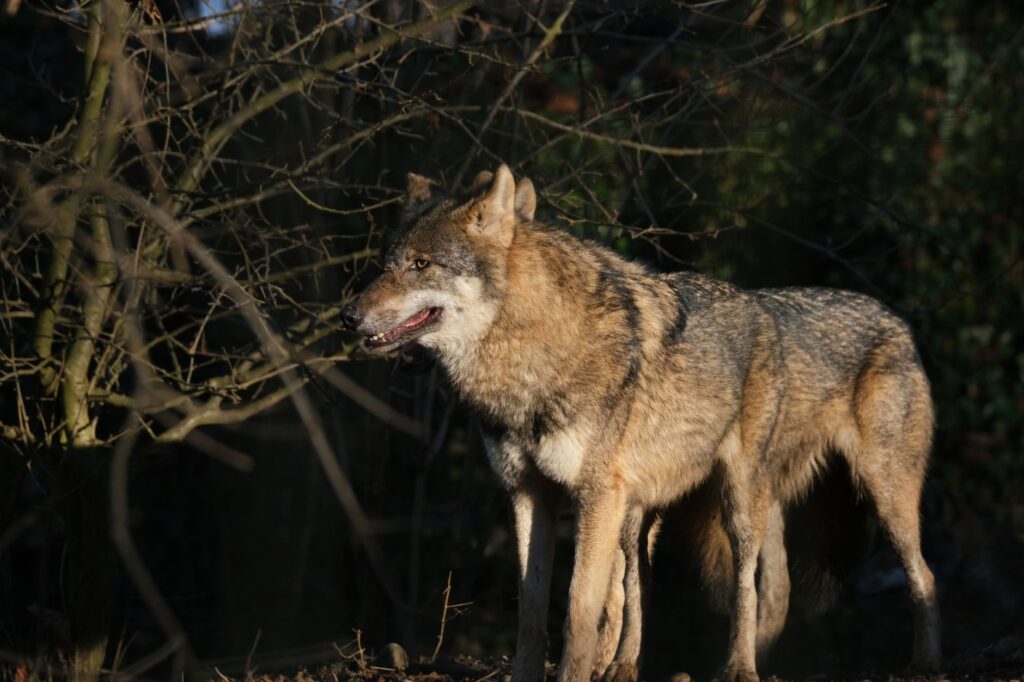
Scientific censuses conducted over recent decades indicate a remarkably stable population density in this Zamoran sector, with estimates hovering between twelve and fourteen territorially stable packs ranging fully or partially across the protected area and its buffer zones. However, this apparent stability conceals a high generational turnover rate and latent vulnerability to non-natural mortality. Wildlife management experts point out that poaching, roadkill on surrounding communication routes, and restrictive game management are limiting factors conditioning age structure within family groups, occasionally altering the social cohesion of the wolves.
Trophic Sustenance: Between Wild Fauna and Domestic Livestock
The diet of Canis lupus signatus in the Sierra de la Culebra has undergone significant transformations over the past few decades. Traditionally dependent on wild ungulates, the carnivore found in the demographic recovery of red deer (Cervus elaphus) and roe deer (Capreolus capreolus)—driven by hunting restocking and the partial abandonment of traditional agricultural uses in the latter half of the twentieth century—a stable food source that reduced its reliance on domestic prey.
Despite the abundance of big game, domestic livestock continues to represent a crucial percentage in the trophic spectrum of certain packs, especially during lambing periods or when adverse weather conditions hinder the capture of wild animals. Sheep and goats grazing extensively through the hills of Culebra are vulnerable to predation if proper protection measures are not implemented. This overlap between wolf territory and grazing routes generates a persistent socioeconomic conflict that polarizes local livestock farmers and advocates of strict biodiversity conservation.
The management of the Iberian wolf is not a purely biological problem; it is an exercise in balances where the survival of a protected species depends on the economic viability and social recognition of the rural communities sharing its territory.
The Impact of Wildfires on the Habitat
One of the most disruptive ecological factors faced by the Sierra de la Culebra in recent history has been the virulence of wildfires, particularly highlighting the catastrophic episodes of the summer of 2022, which devastated tens of thousands of hectares of scrubland and woodland. These sixth-generation fires drastically altered habitat structure, severely reducing daytime refuges and modifying the roaming patterns of principal prey species.
The response of wolf packs to this massive landscape alteration demonstrated remarkable ecological plasticity. While some breeding families were forced to shift their home ranges toward peripheral sectors unaffected by flames, others showed a surprising capacity to survive in completely charred landscapes, taking advantage of early pasture regeneration to hunt ungulates that came to feed on tender shoots. Nonetheless, the loss of vegetation cover increased animal visibility and facilitated unwanted contact with human infrastructure, raising conflict risk.
Coexistence Strategies: Mastiffs and Electric Fencing
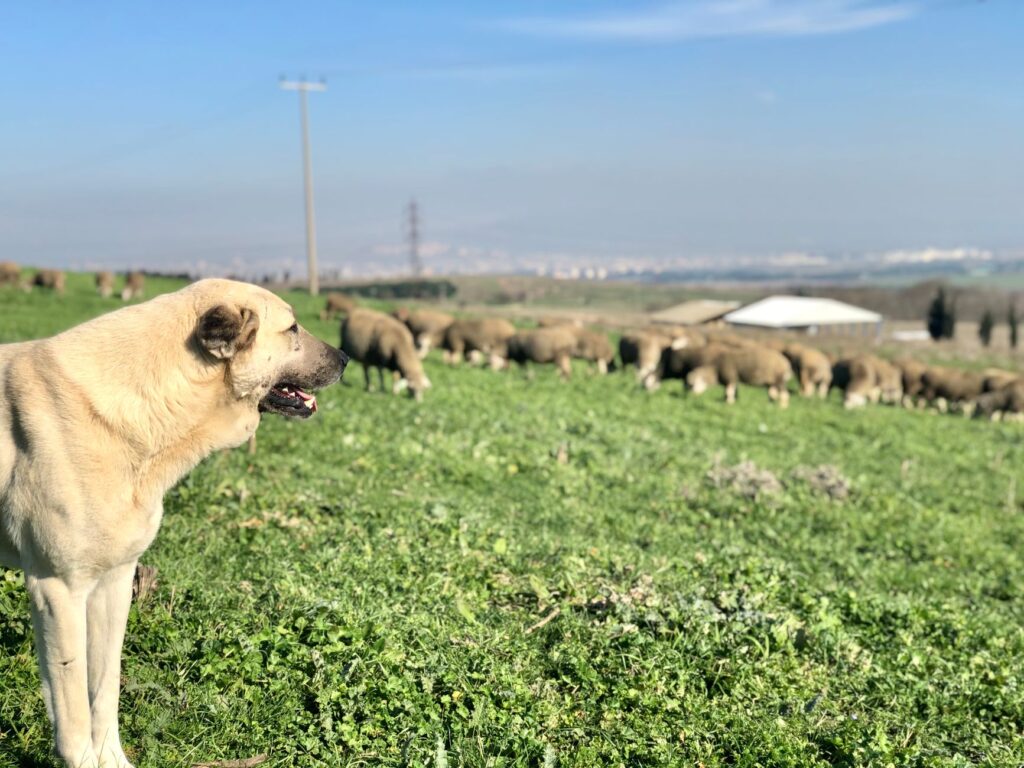
To mitigate pressure on the livestock sector and guarantee the long-term viability of the wolf population, public administrations and various conservation organizations have promoted the implementation of preventive measures in local farms. The central axis of this strategy rests on the recovery and enhancement of traditional mastiff guard dogs, whose constant presence alongside flocks acts as an effective deterrent against approaching wild canids.
Likewise, the installation of mobile electrified fencing and the construction of secure nighttime enclosures for sheep and goat herds have proven to drastically reduce predation rates in farms adhering to these programs. However, local farmers insist that these tools require constant investment of time and economic resources, and that bureaucracy associated with claiming compensation for suffered damages is often slow and deficient, fueling a sense of institutional abandonment in the villages of the Zamoran region.
Environmental education and specialized ecotourism have also consolidated as complementary pathways to generate positive economic return derived from the wolf’s presence. Wildlife observers, nature photographers, and naturalists flock each year to authorized viewing points in Culebra hoping to spot free-ranging specimens, boosting the economy of rural guesthouses, restaurants, and local guides who view biodiversity conservation as a future asset.
The Role of Citizen Science and Genetic Monitoring
Scientific research in the Sierra de la Culebra is not limited to the traditional use of radio collars or tracking footprints in mud and snow. In recent years, non-invasive genetic analysis, based on systematic collection of scat and hair samples along trails frequented by animals, has become a fundamental tool to accurately estimate population size, detect inbreeding events, and trace dispersal movements of young wolves leaving their natal pack in search of new territories.
This methodological effort relies on the active collaboration of volunteers and local naturalist associations participating in annual sampling campaigns. Information gathered allows biologists to map detailed kinship relationships between different packs in Zamora and neighboring provinces, offering an exact X-ray of genetic health in a population acting as a vital ecological corridor between northern peninsular wolf populations and more isolated central nuclei.
Investigating the genetics of the Iberian wolf in its natural environment is the only way to anticipate invisible threats like the loss of allelic diversity and ensure that the mountains of Zamora continue to beat with the wild strength of their ancestors.
Practical guide
Planning a responsible visit to the Sierra de la Culebra requires understanding that this is a protected mid-mountain natural space where absolute respect for wildlife and the traditional uses of its inhabitants is paramount.
- How to get there: The main access is via the A-6 highway to Benavente, from where you take the N-631 road running east-west through the heart of the protected territory, connecting key towns like Villardeciervos and Rionegro del Puente.
- Best time to visit: The autumn months (October and November) and spring (April and May) offer the most favorable weather conditions and are ideal for wildlife observation due to higher ungulate activity and fewer visitors.
- Information points: The Wolf House (Casa del Lobo), located in Robledo de Sanabria, and the Iberian Wolf Center of Castilla y León, located in the El Pimpollar Forest Complex (Burguillos de Calahrasca), offer exceptional educational exhibitions on species biology.
- Observation rules: Approaching dens or identified breeding areas is strictly prohibited. Observing free-ranging wolves must always be conducted from the regulatory distance, using binoculars or long-distance spotting scopes, avoiding any noise emission that alters animal behavior.
- Accommodation and gastronomy: Numerous rural accommodations certified with sustainability criteria exist in municipalities like Puebla de Sanabria, Mombuey, and Villardeciervos, where traditional gastronomy based on game meats, seasonal mushrooms, and pork products can be enjoyed.
- Responsible hiking: Always respect ranch gates by closing them as you found them and keep domestic dogs on leash at all times to prevent interference with wildlife and livestock.
As dusk falls, when the sun begins to tinge the quartzite ridges of the Sierra de la Culebra in ochre and reddish hues, the silence of the oak woods invites reflection. The orchards and meadows flanking Zamoran villages remind us that conservation in Europe is not an exercise of immaculate isolation, but a daily pact between man and beast, a fragile balance sustained by science, patience, and profound respect for one of the continent’s most iconic predators.