Introduction to the Frozen Edge of the Planet
The southern frontier of the globe conceals one of the most complex and pristine oceanographic environments remaining on Earth’s surface. Far from conventional shipping routes, the Ross Sea stands as a colossal natural laboratory where deep currents, gigantic floating ice shelves, and a highly specialized marine biodiversity converge. For decades, this remote territory has remained protected by an impenetrable barrier of sea ice, a factor that has preserved its ecosystem from the industrial fishing pressure that has profoundly altered other regions of the Global Ocean. Today, however, the international scientific community watches closely as rising global temperatures and shifts in marine salinity threaten to destabilize this delicate balance, testing the resilience of species that inhabit only these extreme latitudes.
The analysis of this vast ecosystem is not merely a matter of academic curiosity; it constitutes a crucial priority for understanding the mechanics of the oceanic carbon pump and planetary thermohaline circulation. The waters of the Ross Sea are considered the engine driving the deep currents that oxygenate oceans worldwide. Through this report, we will examine the oceanographic dynamics supporting the Antarctic trophic chain, from phytoplankton trapped beneath the pack ice to top apex predators such as Weddell seals and Type C killer whales, unravelling the conservation challenges faced by what many justly call Earth’s last truly virgin ocean.
The Oceanography of Ice: Shelves and Deep Currents
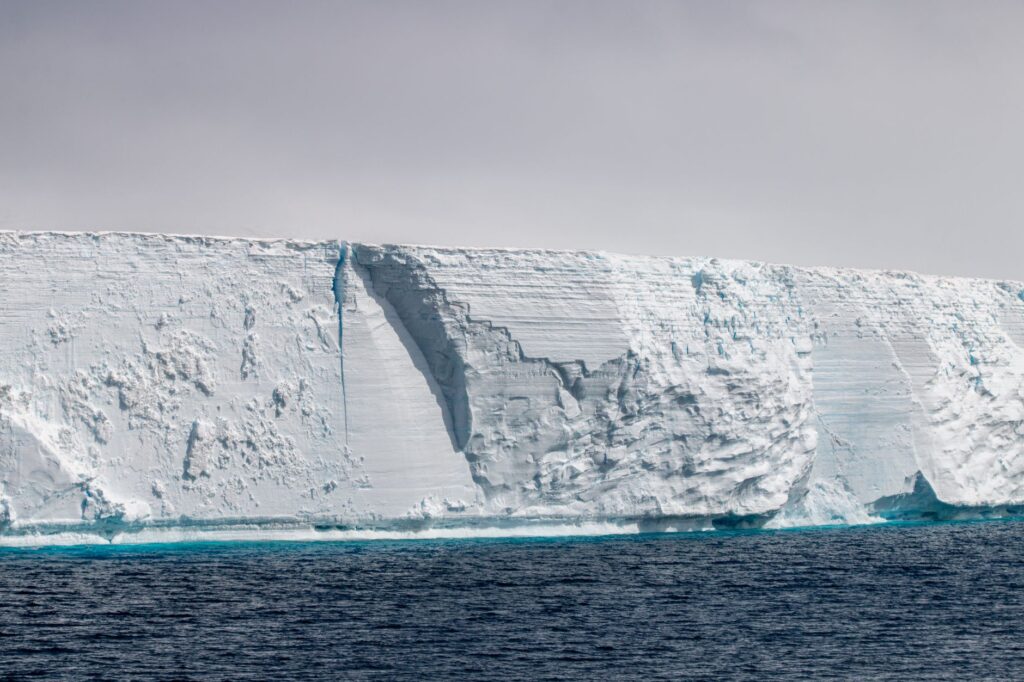
To understand the biological singularity of the Ross Sea, it is imperative to delve into its complex oceanographic machinery. The region is dominated by the Ross Ice Shelf, a floating mass of frozen water the size of France that extends far into the Southern Ocean. Beneath this gigantic white slab, freezing and melting processes generate what oceanographers term high-salinity shelf water. As seawater freezes to form sea ice, it expels salt into the depths, creating a heavy brine that sinks and feeds the return current circulating toward the abyssal depths of the Atlantic, Indian, and Pacific oceans.
This deep convection process is not an isolated phenomenon; it acts as a circulatory system distributing essential nutrients on a global scale. The stability of these currents depends on a dangerously fragile thermal equilibrium that the climate crisis is accelerating. Satellite monitoring and in situ measurements conducted by icebreakers demonstrate that intrusions of warmer waters from northern latitudes are undercutting the base of the ice shelves from the submarine subsurface, accelerating their calving and drastically modifying the stratification of the upper water column.
The Base of the Pyramid: Diatoms and Antarctic Krill
The biological productivity of the Ross Sea defies the apparent logic of an environment permanently subjected to permanent winter darkness and sub-zero temperatures. During the summer months, the seasonal retreat of sea ice allows massive sunlight penetration, triggering explosive blooms of phytoplankton—primarily unicellular diatoms that form the absolute foundation of the entire southern trophic chain. This microscopic burst of life feeds enormous swarms of Antarctic krill (Euphausia superba), a key crustacean acting as the definitive energy bridge between primary producers and higher vertebrates.
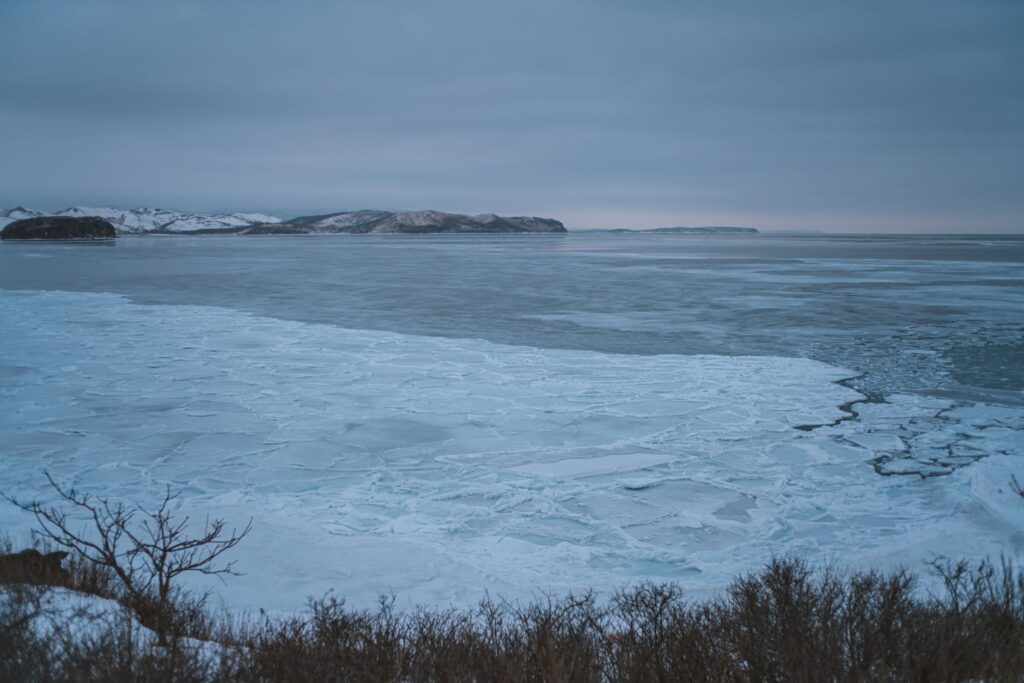
Researchers have documented how variations in sea ice extent directly condition the recruitment and survival of krill larvae. If the pack ice retreats too early or erratically, the phenological coupling between phytoplankton and its consumers breaks down, triggering cascading famines affecting everything from pelagic fish to seabirds and marine mammals. This delicate ecological gear demonstrates that any alteration in ice physics immediately impacts the demographics of the continent’s most iconic species.
Engineers of the Seabed: Benthos and Abyssal Communities
Beyond surface waters, the seabed of the Ross Sea harbors an unprecedentedly rich benthic ecosystem. At depths ranging from two hundred to one thousand meters, continental shelves are carpeted by dense communities of glass sponges (Hexactinellida), soft corals, bryozoans, and sea lilies growing at extremely slow rates due to chronic cold and seasonal food scarcity. These organisms act as authentic ecological engineers, creating three-dimensional structures serving as refuges and nurseries for numerous endemic fish species, such as nototheniids.
Submarine expeditions using remotely operated vehicles have revealed that these benthic communities are exceptionally long-lived. Some giant sponges can surpass several centuries of life, recording the climatic and chemical history of the Southern Ocean in their skeletal tissues. The legal protection of these habitats against commercial bottom trawling has been one of the 21st century’s most significant conservation victories, though ocean acidification driven by anthropogenic carbon dioxide absorption threatens to dissolve the siliceous and calcareous structures of these fragile abyssal gardens.
Apex Predators: The Ecology of Weddell Seals and Killer Whales
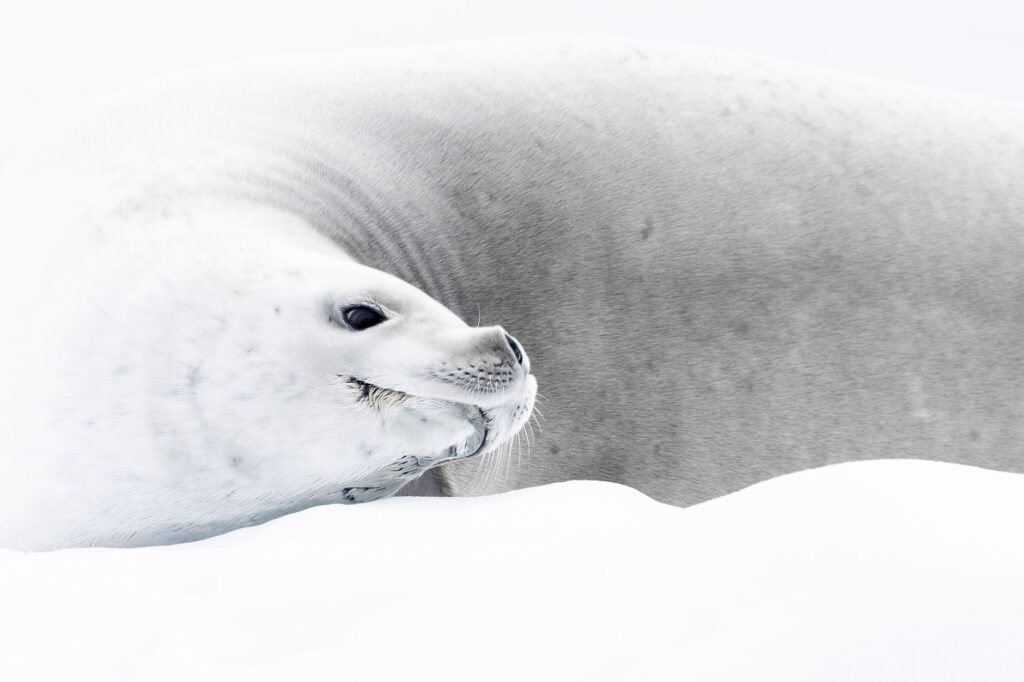
At the apex of the Ross Sea’s trophic pyramid operate highly specialized predators that have developed extraordinary physiological adaptations to survive in extreme darkness and cold. Among them stands the Weddell seal (Leptonychotes weddellii), the southernmost-dwelling marine mammal on the planet. These animals spend long periods beneath the sea ice, using robust incisor teeth to keep circular breathing holes open in the pack ice and diving to depths exceeding six hundred meters in search of silverfish and Antarctic squid.
Sharing this icy habitat are populations of killer whales (Orcinus proca), particularly ecotypes designated Type B and Type C, feeding specifically on seals and fish respectively. The complex cooperative hunting strategies of these cetaceans, including concerted maneuvers to generate waves capable of sweeping seals off floating ice floes, constitute some of the most fascinating predatory behaviors in global marine biology. Acoustic and photographic tracking of these populations allows biologists to assess the general health of an ecosystem still functioning without direct alteration from large-scale industrial overfishing.
The Geopolitics of Conservation: The Legacy of the Marine Protected Area
The safeguarding of the Ross Sea is not only a triumph of biological science but an unprecedented milestone in international diplomacy. In October 2016, following years of complex negotiations within the Commission for the Conservation of Antarctic Marine Living Resources (CCAMLR), twenty-five members agreed to create the world’s largest Marine Protected Area, encompassing over 1.5 million square kilometers. This protective status prohibits commercial fishing across ninety-four percent of the designated surface, establishing zones of exclusive scientific research and reserves free from human extraction.
Nevertheless, the effective management of such a vast and remote territory poses colossal logistical and political challenges. Signatory nations must coordinate maritime surveillance patrols, satellite observation systems to detect illegal, unreported, and unregulated (IUU) fishing, and joint research programs to evaluate the effectiveness of conservation measures. Rigorous compliance with this international treaty has become the definitive barometer for measuring humanity’s capacity to protect global high-seas commons.

Practical Guide
Access to the Ross Sea is strictly regulated and reserved exclusively for authorized scientific missions, national Antarctic program logistics personnel, and low-impact ultra-polar expedition tourism complying with Antarctic Treaty protocols.
- Access Requirements and Permits: Any commercial or scientific expedition must process rigorous environmental permits through national government authorities that are signatories to the Madrid Protocol on Environmental Protection.
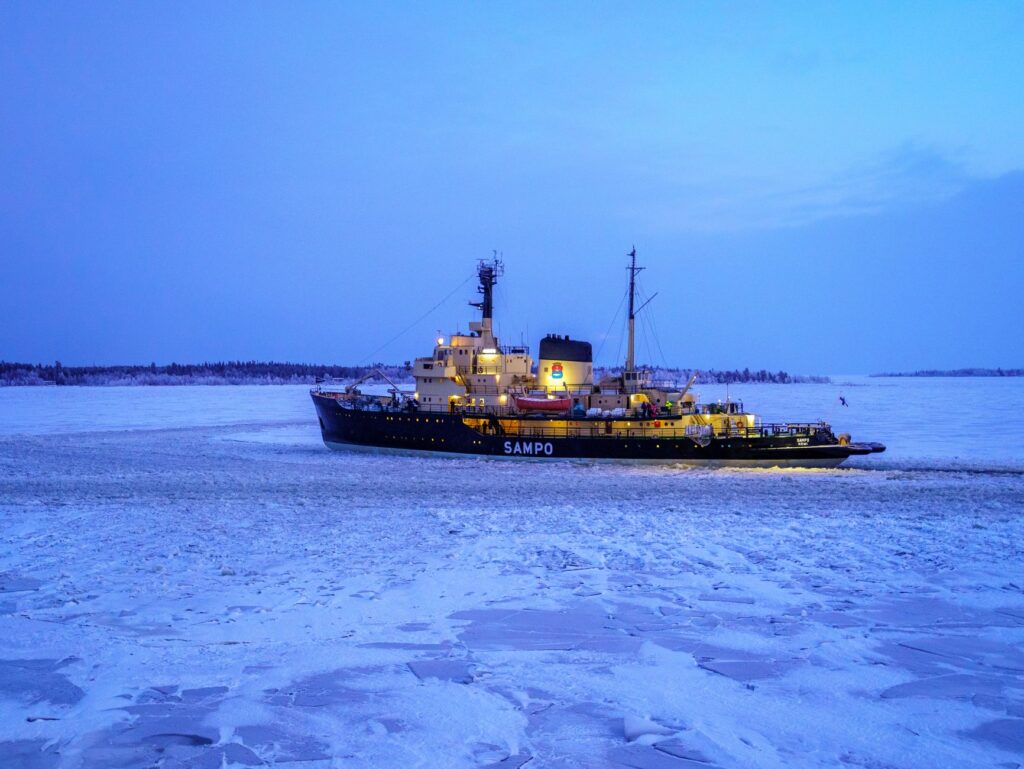
- Logistics and Navigation: Travel occurs exclusively during the austral summer (December to February) aboard high structural-strength icebreaker vessels certified under the IMO Polar Code.
- Biosecurity Regulations: All footwear, clothing, and technical equipment must undergo strict disinfection and vacuuming processes to prevent the introduction of exotic plant or microbial species onto the continent.
- Wildlife Code of Conduct: A mandatory minimum safety distance of fifteen meters from seals and thirty meters from penguins and cetaceans is enforced, expressly prohibiting any feeding or disruption of their travel routes.
Final Reflection on the White Mirror of the South
Contemplating the white immensity of the Ross Sea from the deck of a research vessel while the midnight sun ignites the ridges of the Transantarctic Mountains transforms human perception of time and space. In this boundary where nature is still governed by laws alien to the Anthropocene, each drifting ice block and each breath of a seal beneath the pack ice remind us of the fragility and deep interconnection of the systems sustaining life on Earth. Protecting this last southern sanctuary is not an act of charity toward distant nature, but an existential necessity to preserve the thermodynamic equilibrium of a blue planet demanding, now more than ever, respect, rigorous science, and international common sense.