
Beyond the Neon: Low-Emission Tourism in December
When the boreal winter settles across North America, the tourism narrative usually gravitates toward brightly lit commercial centers, high-energy ski resorts, and urban crowds seeking traditional festive cheer. However, another possible cartography exists for the month of December—one that prioritizes the conservation of fragile ecosystems, the support of small-scale local economies, and the redefinition of travel as an act of attentive listening to the land. Far from the hustle and bustle of major metropolises, diverse enclaves across the United States deploy exemplary sustainable tourism strategies, proving that the holiday season is not at odds with environmental protection.
This report examines how different communities, national parks, and natural reserves manage visitor influx during the year’s closing month. Through an analysis grounded in low-impact practices, public transit, and water and energy resource management, we explore those destinations that not only withstand the winter climate onslaught but thrive thanks to models of participatory governance. Sustainability in December is not a theoretical aspiration, but a series of daily decisions ranging from renewable energy use in rural lodges to the strict limitation of motorized vehicles in high-mountain protected areas.
The Silence of the Tundra: Winter Conservation in Northern Forests
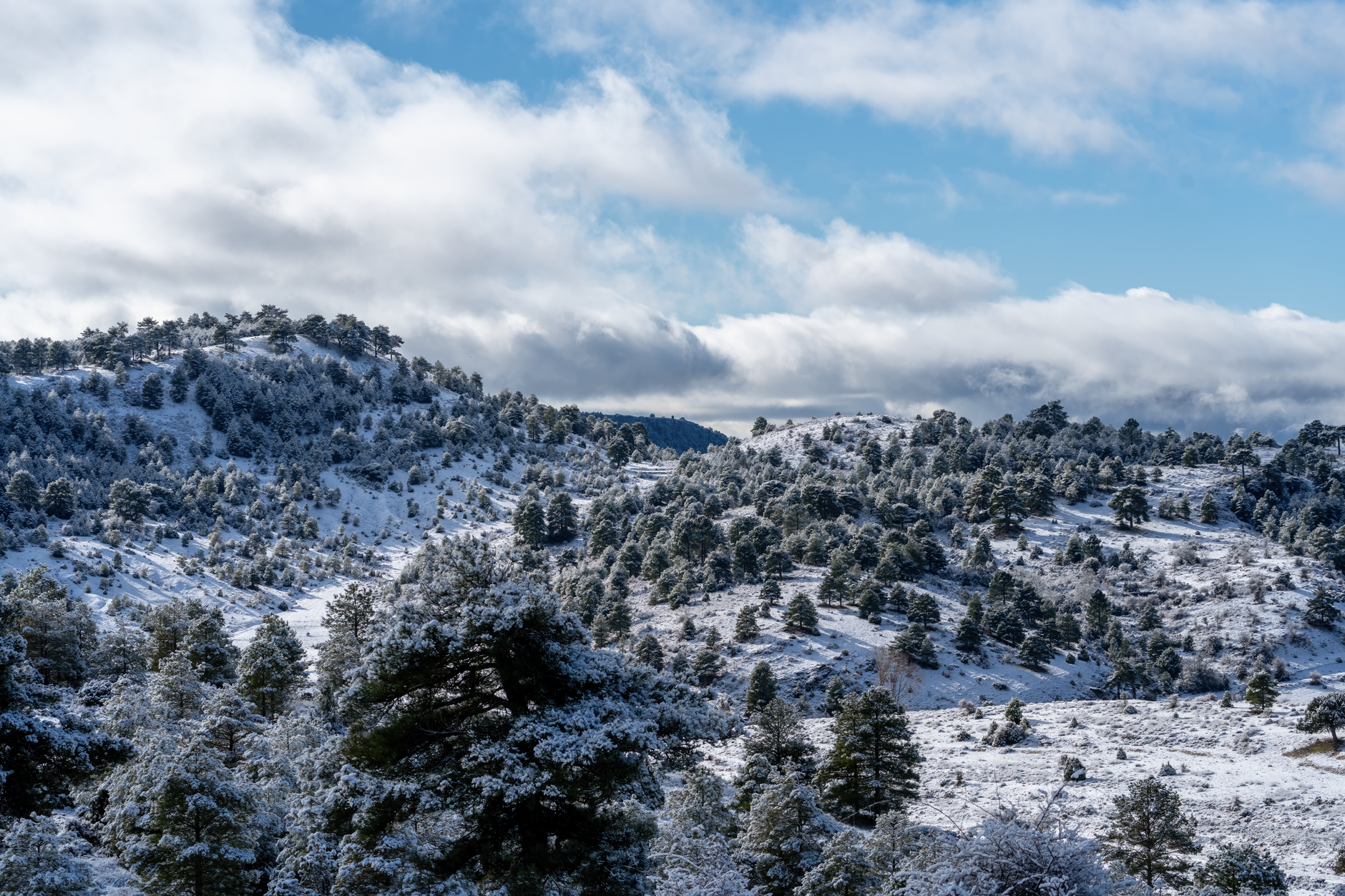
In the northernmost part of the country, coniferous forests undergo a radical metamorphosis with the arrival of deep snows. Parks such as Voyageurs in Minnesota operate under strict wildlife protection regulations during the coldest months. Unlike summer destinations where boat access dominates the landscape, December inaugurates the season of ice roads and cross-country ski touring. Local authorities and park managers work together to minimize noise and light pollution, preserving the natural corridors of species such as the gray wolf and the Canadian lynx.
Experiencing these landscapes involves embracing a non-interference pact with the environment. Most local lodges, certified under cutting-edge energy efficiency standards, rely on geothermal systems and local biomass. Waste management becomes an absolute priority, prohibiting single-use plastics even during year-end celebrations. This model demonstrates that winter ecotourism is viable when infrastructure is subordinated to the ecosystem’s carrying capacity.
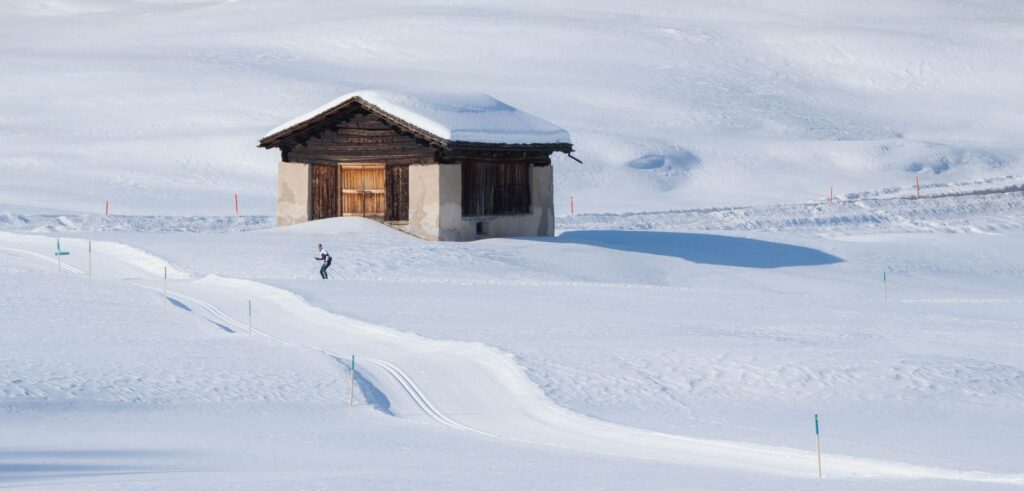
The true luxury of contemporary winter travel lies in the ability to move through natural landscapes leaving no trace other than the ephemeral track of skis on virgin snow.
Likewise, surrounding indigenous communities play a fundamental role in interpreting the territory. Far from folkloric commodification, local guides offer workshops on the adaptation of flora and fauna to extreme cold, transmitting ancestral knowledge that complements modern ecological science. This symbiosis between traditional wisdom and scientific conservation constitutes the core of contemporary sustainability in the region.

Silent Deserts: Arid Ecosystems Under the Winter Sun
While the north freezes, the great deserts of the American Southwest offer a climatic alternative with a radically different approach to conservation. In Saguaro National Park in Arizona, December brings mild daytime temperatures ideal for scientific observation without the thermal stress of summer. Nevertheless, the fragility of the desert floor—known as biological soil crust—requires constant vigilance by park rangers to prevent erosion caused by off-trail hiking.
Regenerative tourism initiatives in this area focus on the restoration of temporary watershed basins and the protection of saguaro cacti against climate change and invasive species. Visitors are invited to participate in citizen science programs, recording the presence of migratory birds that use the desert as a winter corridor. Environmental education is the foundation upon which every visit is built, discouraging excessive water consumption in an area where this resource is extremely scarce.
- Mandatory use of marked trails to protect the fragile biological soil crust.
- Night sky astronomy workshops with dark-sky certification to reduce light pollution.
- Consumption of local dry-farmed agricultural products in Tucson’s community markets.
This approach to the desert landscape shatters the notion that winter nature only exists where there is snow. The desert in December teaches geological patience and the resilience of life under extreme conditions, inviting profound reflection on the sustainable use of water resources on a global scale.

Vernacular Architecture and Mountain Communities
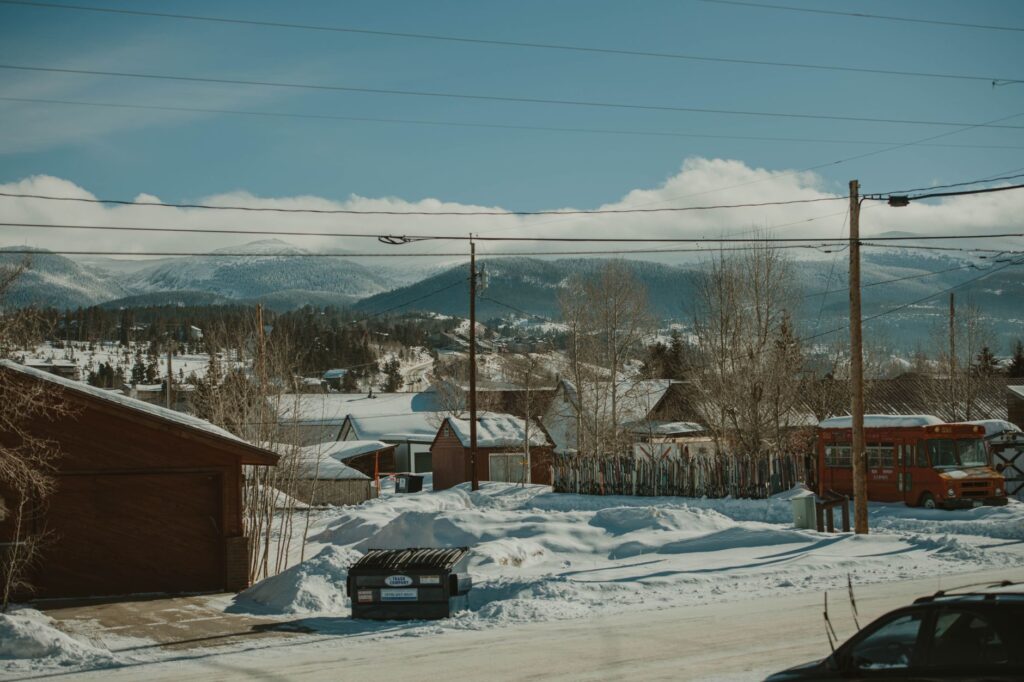
In the high valleys of the Rocky Mountains, real estate and tourism pressures have tested the resilience of alpine ecosystems. However, towns like Crested Butte in Colorado have embraced a contained urban development model, prioritizing the preservation of their historic mining-era architecture over the unchecked expansion of large international hotel chains.
Transportation within the valley is handled through a network of free electric buses connecting residential hubs with outdoor recreation areas, drastically reducing carbon emissions associated with private vehicles. Citizen participation in land-use zoning ensures that economic growth benefits permanent residents rather than external investors, preventing alpine gentrification.
- 100% electric public transit fleet operating throughout the winter season.
- Municipal grant programs for installing solar panels on historic residential structures.
- Strict protective regulations for the habitats of endangered alpine fauna.
This commitment to local identity and structural sustainability turns these enclaves into laboratories for climate resilience. Travelers who choose these destinations assume an active role in preserving the cultural landscape, valuing architectural authenticity over artificial luxury.
Coastal Wetlands and Migratory Bird Sanctuaries
The Atlantic coastline and southern marshes offer a first-rate ecological spectacle in December. In places like the barrier islands of Georgia and the marshes of South Carolina, winter marks the peak migration season for numerous coastal bird species. The designation of these areas as protected reserves has halted speculative mass-urbanization projects, allowing wetlands to continue serving as vital carbon sinks and natural barriers against storm surges.
Local conservation organizations manage low-intensity guided kayak and canoe tours, banning combustion engines in nesting and feeding zones. These experiences allow travelers to understand the complex interdependence between marine and terrestrial ecosystems. Respect for nature’s timetable is the guiding rule: if a bird colony is resting, navigation routes are preventively diverted.
Observing wildlife in its winter habitat demands humility and silence, reminding us that we are temporary guests in complex ecological domains that do not belong to us.
The economic impact of these low-impact visits is channeled directly into marsh restoration funds and educational programs for regional schools. Thus, tourism acts as a driver of active conservation rather than a factor of environmental degradation.
Socioeconomic Challenges of Sustainable Winter Tourism
Despite significant strides in sustainability, the tourism sector in the United States faces complex structural challenges during December. Extreme seasonality generates considerable job insecurity among temporary workers who sustain the hospitality industry in mountain regions and national parks. Guaranteeing living wages and affordable housing for these workers is today the greatest ethical challenge facing destinations aspiring to true sustainability.
Likewise, the carbon footprint associated with long-distance travel remains the sector’s unfinished business. Although domestic travel relies on ecological criteria, the massive arrival of visitors on high-emission commercial flights contrasts with local conservation efforts. For this reason, various environmental associations advocate for a global rethinking of travel, promoting longer, deeper stays rather than rapid, fragmented tourism.
- Promotion of long-term stays through tax incentives and tiered pricing structures.
- Creation of tourism worker cooperatives to ensure job stability and fair conditions.
- Mandatory energy audits for all lodging establishments holding eco-certifications.
Addressing these dilemmas requires radical transparency from tourism operators and higher demands from travelers, who must rigorously inform themselves about the actual practices of the companies they hire, beyond superficial greenwashing.
Practical guide
Getting there and getting around: Prioritize mid-distance rail networks and low-emission intercity buses whenever possible. In mountain destinations, rely exclusively on local public and electric transit systems provided by municipalities to avoid traffic congestion and pollutant emissions in protected areas.
When to travel: December offers the best conditions for wildlife observation and enjoying uncrowded winter landscapes, especially during the first two weeks of the month before school winter breaks begin.
Where to stay: Look for lodgings with independent, verifiable eco-certifications that utilize renewable energy, implement strict waste management policies, and employ local staff under fair, regulated labor conditions.

Gear and equipment: Use technical winter outerwear made from recycled or sustainably sourced materials. Avoid using polluting chemical products in sunscreens or bug repellents that could damage fragile aquatic ecosystems or delicate desert soil crusts.
Code of conduct: Maintain a safe distance from wildlife at all times, never feed animals under any circumstances, strictly respect marked trails, and leave no trace—no matter how biodegradable it may seem—in protected natural spaces.
The Pulse of the Earth in Winter: A Closing Toward Introspection
Ultimately, traveling in December with a perspective of sustainability and environmental respect forces us to strip away contemporary urgencies and attune ourselves to the unhurried rhythms of nature in its dormant phase. As the world accelerates toward the close of the civil year, the snowy forests, silent deserts, and coastal marshes of the United States remind us of the urgency of inhabiting the planet with greater delicacy and awareness. The conservation of these landscapes is not merely an exercise in ecological nostalgia, but an indispensable condition for ensuring the continuity of life in all its forms. Upon returning home, the experience of well-bundled cold, respectful silence, and untouched scenery remains an indelible reminder that another way of relating to the land is possible, necessary, and deeply transformative.
Source in EN: The Planet D: Adventure Travel Blog – 21 Best Places to Visit in December in the USA (2025 Edition) (https://theplanetd.com/best-places-to-visit-december-usa/)