
From survival pantry to international acclaim
For centuries, the Icelandic table was dictated by sheer necessity. On a volcanic island lashed by Arctic winds, where traditional agriculture was nearly impossible during the long, dark winters, survival depended on preserving every gram of food. Salting, air-drying, and fermentation were not gourmet techniques, but indispensable methods to stave off starvation. However, over the past two decades, this island nation has spearheaded one of the most fascinating culinary transformations in Northern Europe. Local chefs have taken those ancient flavors, once feared by foreign palates, and reinterpreted them with contemporary sensibility that honors the past without being trapped by it.
This evolution did not emerge from a vacuum. It coincides with a cultural renaissance valuing Nordic identity and unprecedented access to clean technologies. Today, Icelandic cuisine is no longer defined solely by infamous fermented shark or boiled sheep’s head, but by wild rock lobsters caught in freezing waters, hand-foraged seaweed at low tide, and vegetables grown under artificial lights powered by geothermal energy. The result is a gastronomic landscape unique in the world, where the rawness of the elements collides with minimalist elegance that seduces the most discerning travelers.
The geothermal revolution: farming in the polar circle
One of modern Icelandic gastronomy’s best-kept secrets hides beneath the earth’s surface. Thanks to abundant volcanic activity, Iceland boasts unlimited sources of hot water and geothermal steam. This clean energy has enabled the development of a greenhouse agricultural industry that defies the laws of Arctic latitude. In towns like Flúðir in the southern part of the country, large glass complexes illuminated by pink hues produce tomatoes, cucumbers, strawberries, and herbs three hundred and sixty-five days a year, even when the outside world endures sub-zero blizzards.
This energy self-sufficiency not only reduces the carbon footprint by avoiding massive imports of fresh produce, but guarantees unmatched freshness in restaurants across Reykjavik and beyond. Chefs can harvest basil, chard, and cherry tomatoes just miles from their kitchens, integrating them into dishes where plant ingredients take on unusual prominence for a subarctic island. It is a triumph of natural and human engineering that redefines the notion of zero-kilometer produce under extreme conditions.
The sea as an infinite and sustainable pantry
Surrounded by the cold currents of the North Atlantic and the Arctic Ocean, the waters washing Iceland are among the cleanest and richest on the planet. Fishing has been the nation’s economic engine since the Viking settlement, but the current approach has shifted radically toward sustainability and single-hook fishing, avoiding destructive industrial practices. The species caught here grow slowly due to low temperatures, concentrating flavors and giving fish like pollock, haddock, and halibut a firm texture and exceptionally clean marine taste.
The Icelandic sea is not merely a resource; it is the mirror of our resilience and our greatest culinary inspiration.
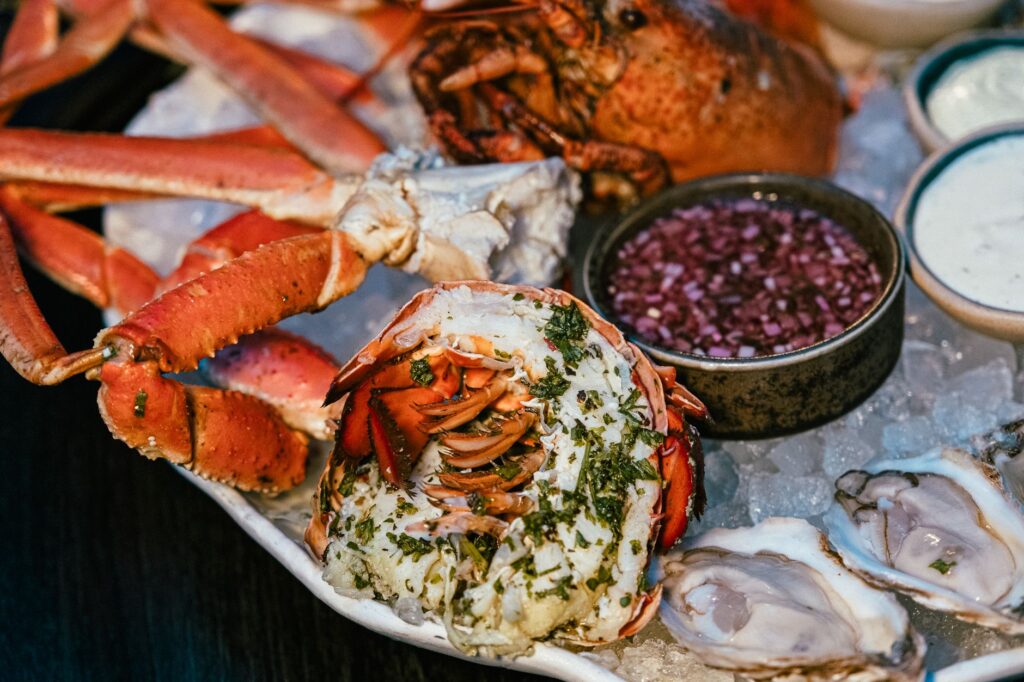
Among the most prized treasures are rock lobsters from the Höfn region, famous for their natural sweetness, and cod, exported for centuries to Mediterranean markets and now revalued on local tasting menus. Likewise, seaweeds once considered animal feed are now harvested by botanical chefs to impart iodized notes, umami, and minerals to broths, emulsions, and sourdough breads.
Free-range lamb and the flavors of the land
In the island’s interior, volcanic valleys and plateaus serve as summer homes for flocks of Icelandic sheep, a pure breed genetically isolated since the Viking age. During summer, the animals roam completely free across the highlands, feeding on a wild diet of heather, wild berries, moss, and alpine herbs. This natural diet endows the meat with an unmistakable aromatic profile, tender and with herbal nuances that set it apart radically from conventional farm-raised lamb.
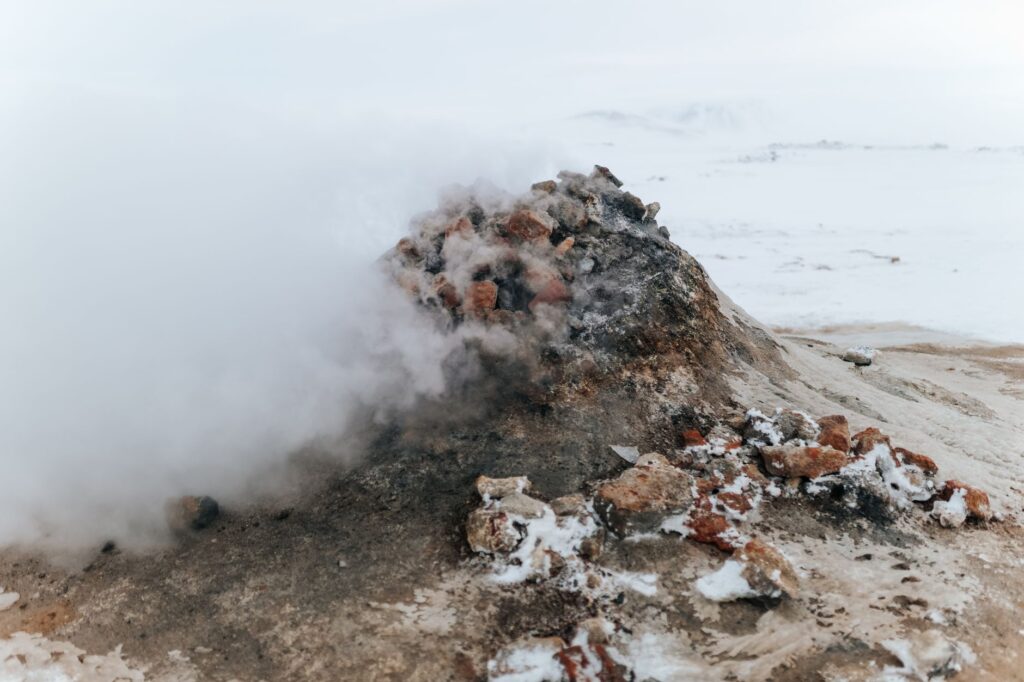
Lamb processing is also part of the cultural heritage. From traditional smoking with dried sheep manure, conferring a deep, characteristic smoky flavor, to preparing traditional *hangikjöt*, every cut tells a story of climatic adaptation. Contemporary restaurants recover these ancient methods by applying slow-cooking techniques at low temperatures or subtle smoking with native birch wood, balancing rustic intensity with unexpected finesse.
The alchemy of fermentation and dairy products
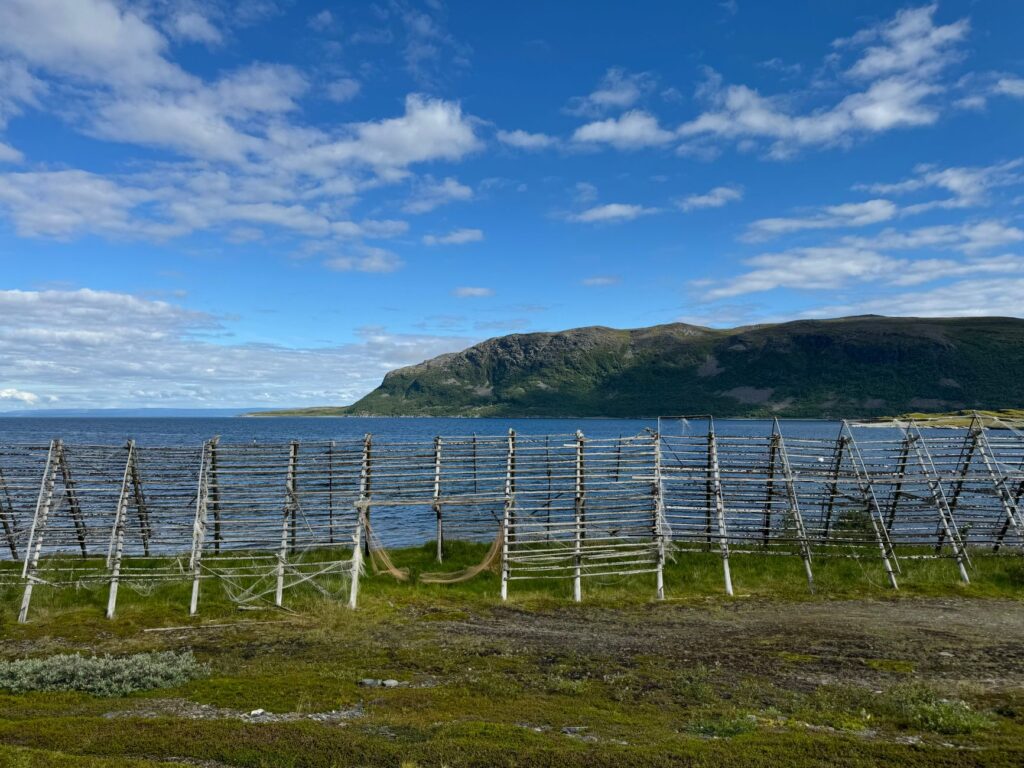
Historical preservation gave rise to singular preparations that today fascinate bold food lovers. The most famous is *hákarl*, Greenland shark meat buried in gravel and cured for months to eliminate its high concentration of natural toxins. Though its ammoniacal aroma can be intimidating, it forms part of an ancestral gustatory grammar traditionally accompanied by a shot of *Brennivín*, the local caraway-spiced schnapps. But fermentation is not limited to shark; fermented skate (*skata*) and gravlax salmon form part of this rich tapestry of intense flavors.
In the dairy section, the undisputed king is *skyr*, a fermented product technically classified as fresh cheese but consumed like a dense, creamy yogurt. With over a thousand years of documented history in the Icelandic sagas, traditional *skyr* is made from skimmed milk and specific lactic cultures, resulting in a protein-rich, low-fat food now conquering the world’s most sophisticated dessert menus, paired with Arctic wild blueberry coulis and rye crisps.
The new vanguard in Reykjavik and beyond
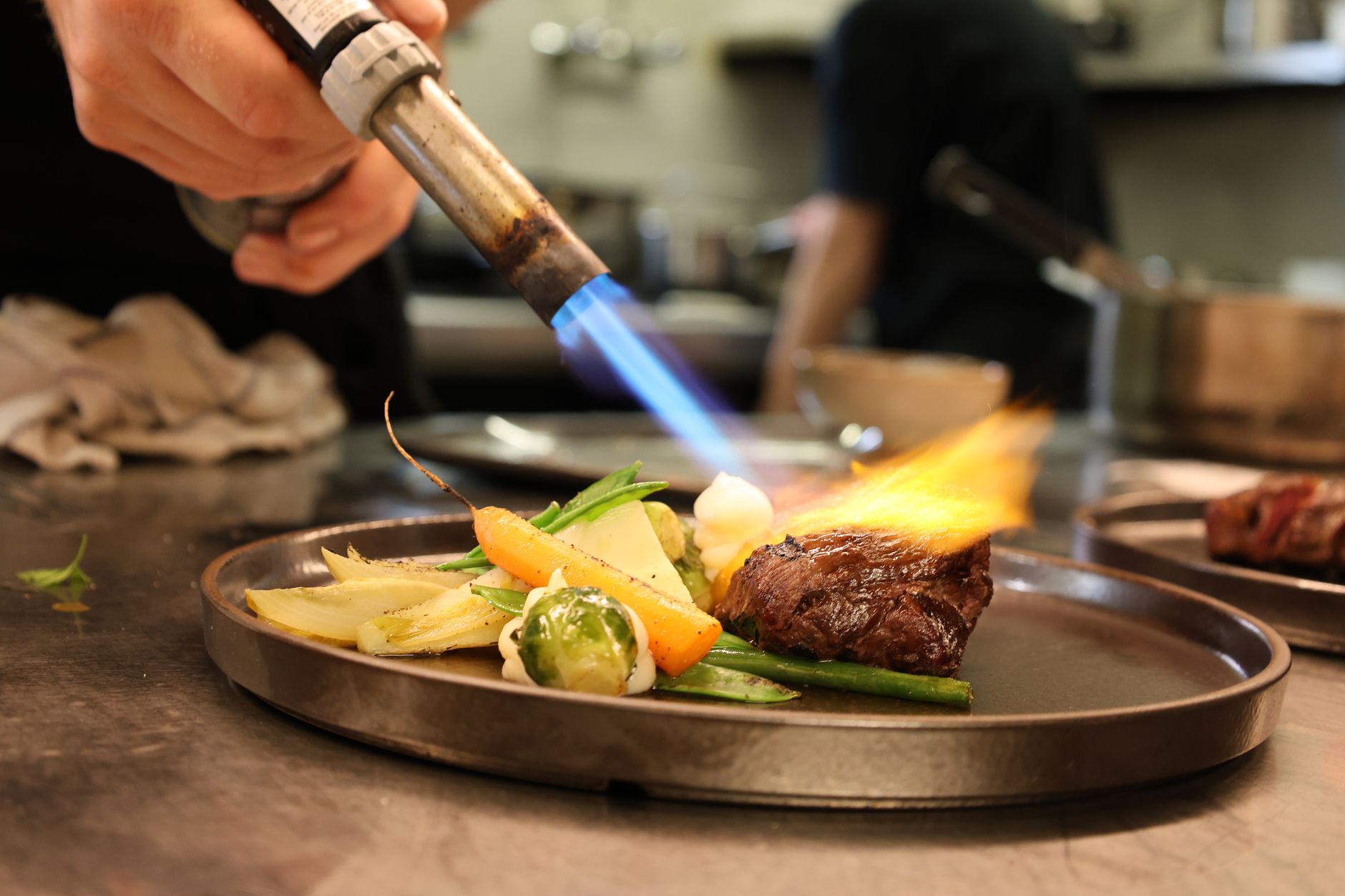
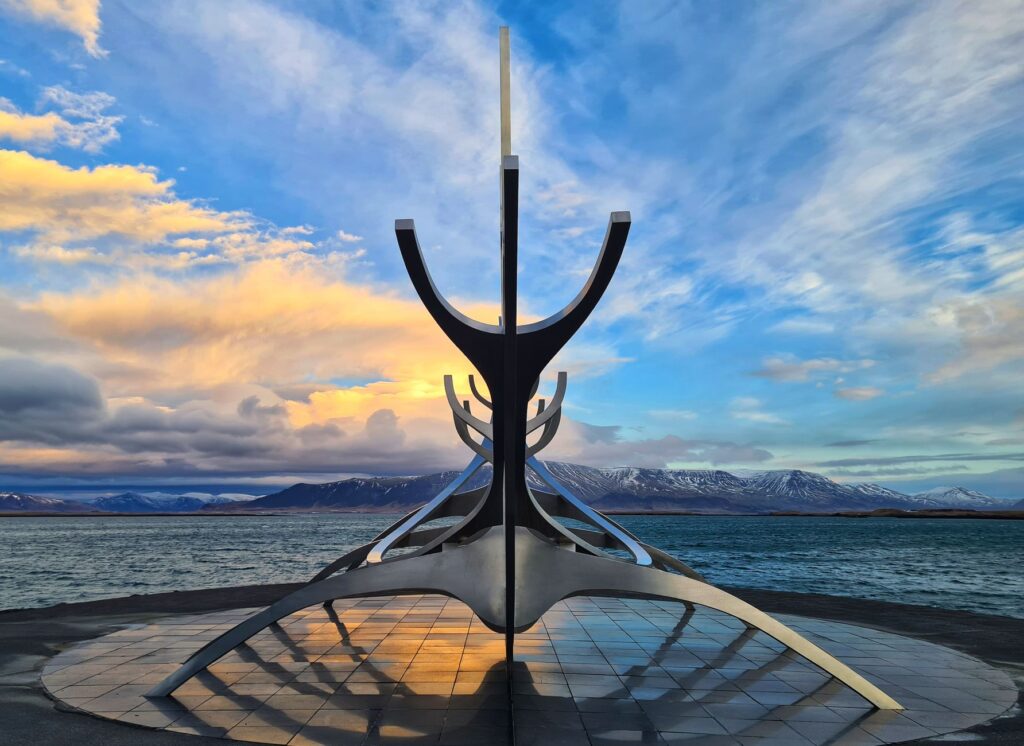
The Icelandic capital, Reykjavik, is experiencing a moment of creative effervescence. Far from tourist traps, small bistros and fine dining restaurants led by a new generation of chefs trained in Copenhagen and Paris kitchens are rewriting the national cookbook. In these spaces, minimalist decor inspired by geometric wood and volcanic stone contrasts with plates where aesthetics are as refined as the flavors. Here, diners can sample a ten-course menu based on fresh sea urchins, crispy moss, wild fjord duck, and juniper ice cream.
Outside the capital, rural food tourism has gained momentum. Former dairy farms converted into boutique hotels offer foraging and guided gathering experiences, where guests walk across lava fields alongside the chef before sitting down to dine on ingredients harvested hours earlier. This direct connection between land, sea, and table turns every meal into a living lesson in island geography.
Practical guide
Best time to visit: June to August to enjoy endless daylight and access to the highlands; September to March to combine gastronomy with northern lights viewing and small-game hunting season.
How to get there: Keflavík International Airport (KEF) operates direct flights from major European and North American capitals. Reykjavik is about a 45-minute drive or bus ride away.
Etiquette and reservations: Booking weeks in advance is essential at Reykjavik fine dining establishments. Tipping is neither mandatory nor expected, as service is typically included in the final bill.
Recommended culinary stays: Look for rural establishments with local product certification in regions like Snaefellsnes and the south of the country.
Food safety tip: When consuming traditional products like fermented shark or cured meats, do so in small portions accompanied by local beverages to balance the intensity.
The final embrace of geothermal fire and hospitality
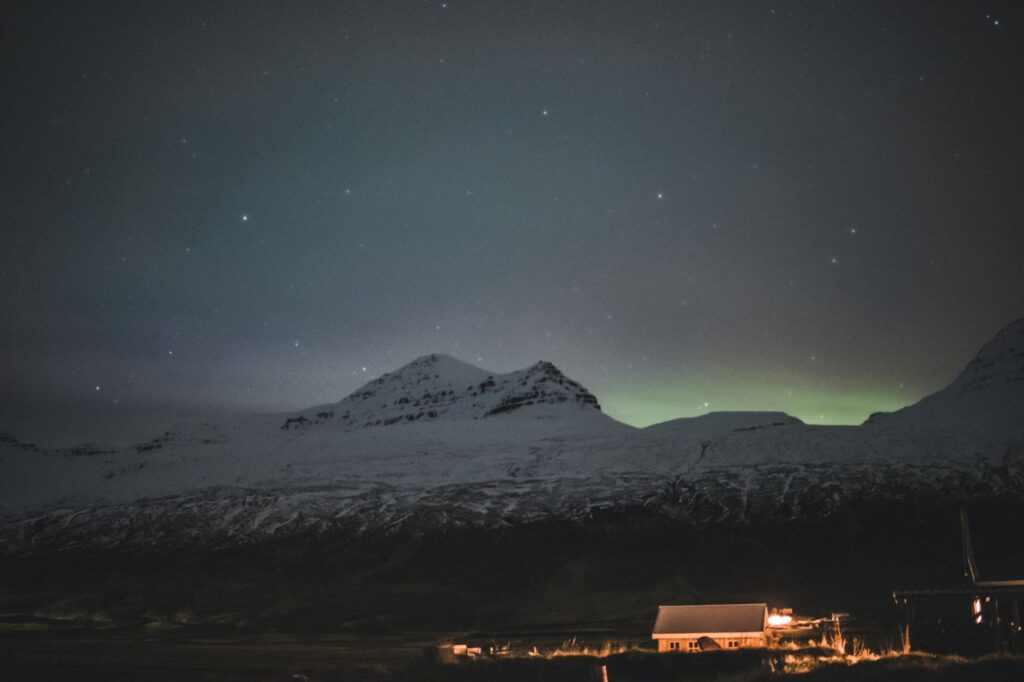
Sitting down at a table in Iceland as evening falls, when the golden light of the midnight sun or the blue twilight of winter bathes the windows of a seaside restaurant, is an experience transcending simple nutrition. In that moment, while savoring a steaming bowl of lobster broth scented with tundra herbs, one understands this cuisine is an act of poetic resistance. The ingredients, born from volcanic rock and sea ice, melt on the palate to remind us that the purest beauty often emerges from the most hostile environments. Iceland’s culinary revolution is not a fleeting trend, but the eloquent testimony of a people who turned the extremes of their geography into an unforgettable delicacy.
Source: Guide to Iceland (Food in Iceland: The Ultimate Guide to Icelandic Food Culture).