
The conscious traveler’s paradox
The modern desire to escape toward pristine natural refuges has triggered a silent yet profound metamorphosis in the planet’s most fragile destinations. Every year, millions of travelers pack their bags seeking authenticity, silence, and biodiversity, armed with the noble intention of supporting local economies through low-impact practices. However, this steady flow of visitors generates a complex paradox: the simple act of observing nature in its pure state begins, inevitably, to transform it. The remote trails once known only by indigenous communities and local naturalists are now subjected to unprecedented pressure.
This phenomenon is not entirely new, but the speed of its expansion outpaces the response capacity of ecological infrastructure. As ecological destinations gain popularity on social media and specialized portals, demand far exceeds the carrying capacity of ecosystems. Conservation no longer depends solely on protection against illegal logging or poaching, but on regulating massive human presence in spaces where every single footprint counts. The current challenge is determining whether it is possible to commercialize nature without degrading its fundamental essence.
The weight of popularity on fragile habitats
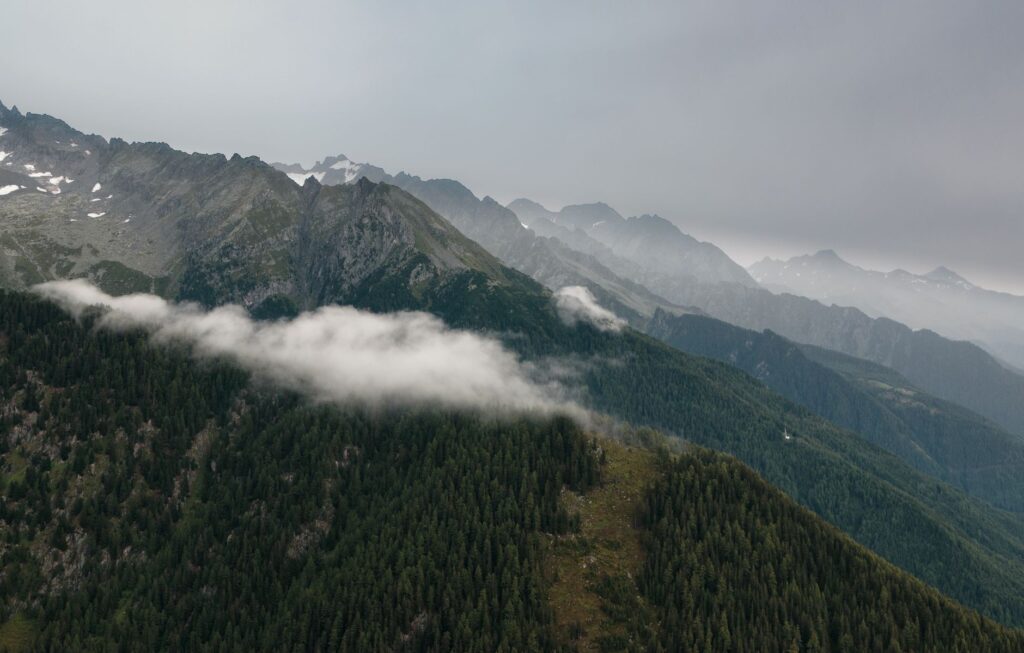
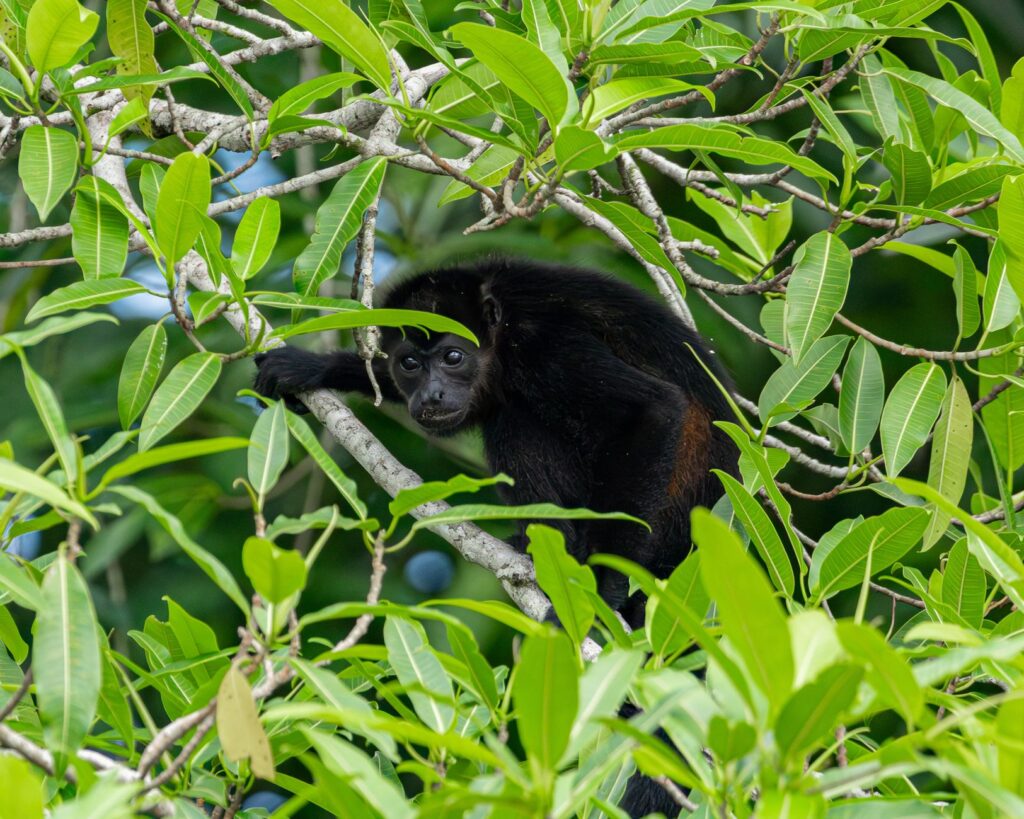
When a destination is promoted as an untouched sanctuary, it triggers an attraction mechanism that often brings about its own ruin. The massive influx of visitors alters the behavioral patterns of wildlife, compacts fragile soils, disrupts watercourses, and generates waste volumes that overwhelm local management systems. Endemic species, especially sensitive to human presence and noise, abandon their traditional breeding grounds, fragmenting local populations and reducing genetic diversity.
Experts point out that the impact is not only physical but also cultural. Communities that have traditionally acted as guardians of the territory face pressure to adapt their lifestyles to meet the expectations of a globalized market. This can lead to the commodification of traditions and a loss of sovereignty over natural resource management. The fine line between genuine ecotourism and commercial greenwashing becomes increasingly blurred, demanding a critical examination of how these spaces are promoted and consumed.
Ecotourism cannot be an alibi to continue exploiting natural resources under a green label; it must be a radical commitment to the ecological limits of the territory.
The conservation economy versus mass tourism
Financing environmental protection through tourism once seemed like the perfect formula: travelers pay entrance fees, and those funds go toward managing national parks and private reserves. In practice, however, this model presents significant cracks. Often, generated revenues are not distributed equitably among local communities, but concentrated instead among external tour operators. Furthermore, relying exclusively on tourism revenue leaves protected areas extremely vulnerable to global crises, such as pandemics or economic recessions.
For the conservation economy to function, it is imperative to establish transparent auditing mechanisms and ensure that a substantial portion of every dollar spent by visitors is reinvested directly into habitat restoration and social welfare. Without robust governance, tourism money can end up accelerating environmental degradation rather than preventing it, funding invasive infrastructure that further fragments the natural landscape.
Green infrastructure: building without destroying
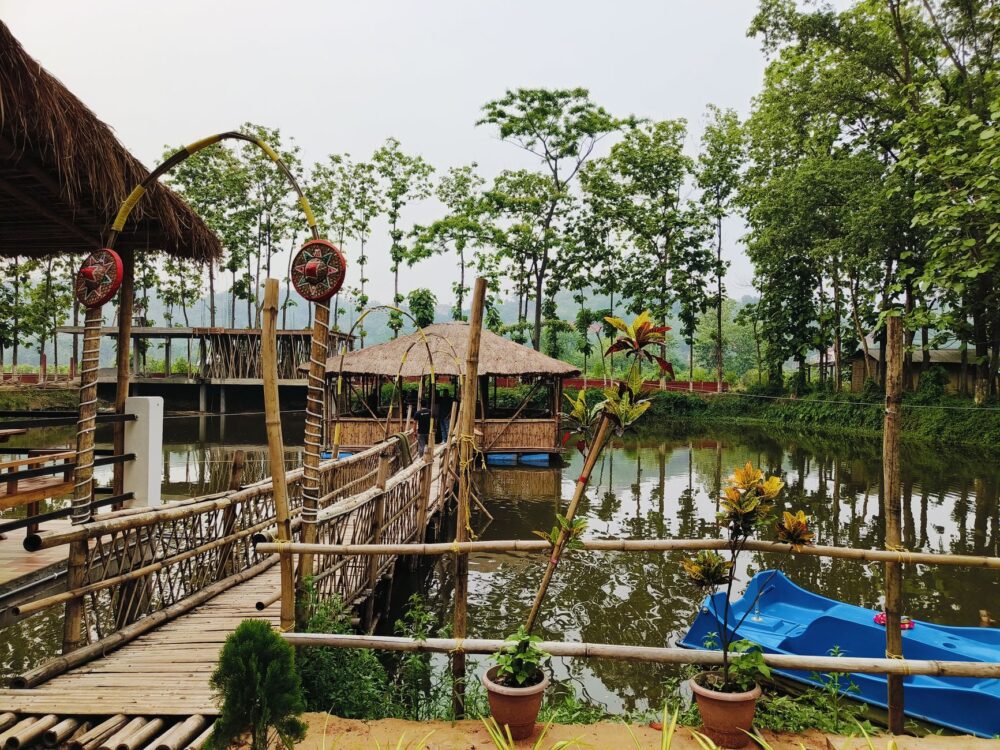
The design of tourism facilities in sensitive environments demands absolute technical rigor. It is no longer enough to use rustic-looking materials or superficially integrate solar panels. Architecture in areas of high ecological value must minimize terrain alteration, respect biological corridors, and use closed-loop technologies for water and waste treatment. Every elevated walkway, observation platform, and visitor center must be planned by meticulously measuring its ecological footprint.
International sustainable construction standards require rigorous environmental impact assessments before the first stone is laid. Yet, in many developing regions, economic urgency pushes local governments to loosen these controls, allowing projects that compromise the long-term stability of the ecosystem. True ecological architecture is that which knows when to step back and which areas must remain entirely inaccessible to human beings.
The role of local communities as custodians
No conservation plan can succeed in the long term if it excludes the populations that have inhabited the territory for generations. Local communities possess traditional ecological knowledge that far surpasses any superficial scientific study. Integrating local residents not merely as service providers, but as primary decision-makers and managers of ecotourism, is the key to ensuring the destination’s true sustainability.

When communities control the flow of tourism and perceive direct and fair economic benefits, they become the strongest defenders of their environment against external threats such as illegal mining or deforestation. This community empowerment curbs migration to cities and preserves ancestral knowledge that is fundamental to understanding how to coexist harmoniously with wildlife and natural cycles.
Environmental education and traveler transformation
Ecotourism must transcend mere aesthetic contemplation and become a deep learning experience. Today’s traveler needs to understand the ecological complexities of the place they visit, including the threats it faces and the efforts required for its preservation. Well-designed environmental interpretation programs transform passive tourists into active advocates for the conservation cause upon returning home.
This transformation requires honesty from tour operators, who must stop selling illusions of untouched perfection and show the reality of conservation challenges. When visitors understand that their presence carries a real ecological cost, they tend to adopt more respectful behaviors, reducing water and energy consumption, respecting wildlife viewing distances, and supporting genuine local initiatives.

Toward a model of tourism degrowth
Given the evidence that continuous growth is incompatible with the conservation of finite ecosystems, the concept of tourism degrowth is gaining strong momentum. This radical approach proposes deliberately limiting visitor numbers, prioritizing quality over quantity, and discouraging the mass promotion of fragile destinations. It involves accepting that some places are too valuable and delicate to bear the weight of mass tourism.
Enforcing strict access quotas, banning motorized vehicles in sensitive areas, and establishing temporary closures to allow habitat recovery are necessary measures, albeit unpopular among certain commercial sectors. Degrowth does not mean the total closure of reserves, but a reorientation toward a model where ecosystem health always precedes immediate economic profit.
Practical guide
Planning a truly responsible nature trip requires rigorous research and a shift in mindset during decision-making. Essential guidelines to minimize negative impact include:

- Certification verification: Look for operators endorsed by the Global Sustainable Tourism Council (GSTC) or direct alliances with recognized international conservation organizations.
- Group size: Prefer small expeditions, ideally fewer than six people, to prevent altering wildlife behavior and reduce trail soil compaction.
- Local funding: Ensure that your stay’s financial contribution directly benefits community cooperatives and on-the-ground scientific research projects.
- Wildlife conduct code: Always maintain a safe distance, avoid flash photography during night viewings, and never feed wild animals under any circumstances.
- Waste management: Apply the leave-no-trace principle; pack out all non-biodegradable waste and reduce single-use plastic consumption throughout the entire journey.
Protecting nature is not about building more infrastructure to house more people, but about learning to step back in time so that wildlife can resume its uninterrupted course.
The wild heartbeat we must learn to silence and listen to
Deep within every primary forest and along the edge of every coral reef lies a primordial silence that does not belong to humankind. Our presence in these sanctuaries, no matter how careful and well-intentioned it claims to be, introduces a dissonant note into the natural symphony. The true test of maturity for nature travel in the 21st century lies not in how many visitors we manage to attract or how sophisticated our low-impact technologies are, but in our ability to recognize when we must take a step back.
Data gathered by news agencies and environmental observatories reflect growing pressure on global ecosystems, driven by the accelerated commercialization of adventure. Facing this panorama, effective conservation demands humility. We must accept that some paradises were never meant to be commercialized, massively photographed, or consumed as leisure products. Preserving nature ultimately entails learning to appreciate the beauty of the places we will never set foot in.
Source in English: Newswav – Protecting the paradise we sell