
The muffled roar of diesel locomotives rumbling over heavy steel rails has marked the invisible heartbeat of the South Caucasus for over a century. Between the alpine freshness of Tbilisi and the imposing volcanic silhouette guarding Yerevan, the cross-border railway corridor is not merely a means of transport, but a monumental engineering feat designed to conquer one of the most rugged topographies on the planet. As the train leaves behind the fertile valleys of Georgia to plunge into the depths of Armenian gorges, the landscape becomes a silent witness to vanished empires, heroic alignments, and a complex high-altitude logistics network operating far beyond the reach of commercial mass aviation.
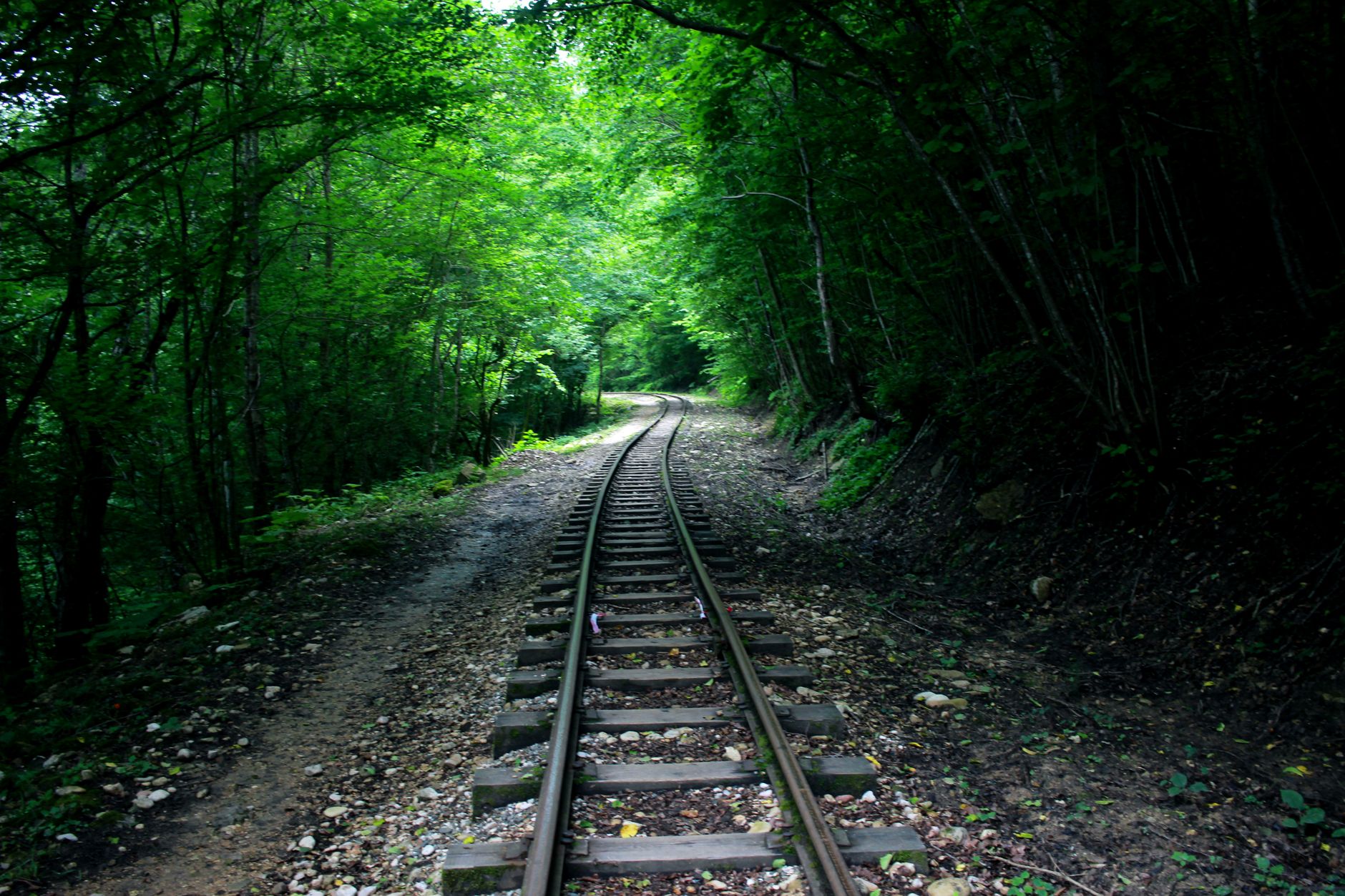
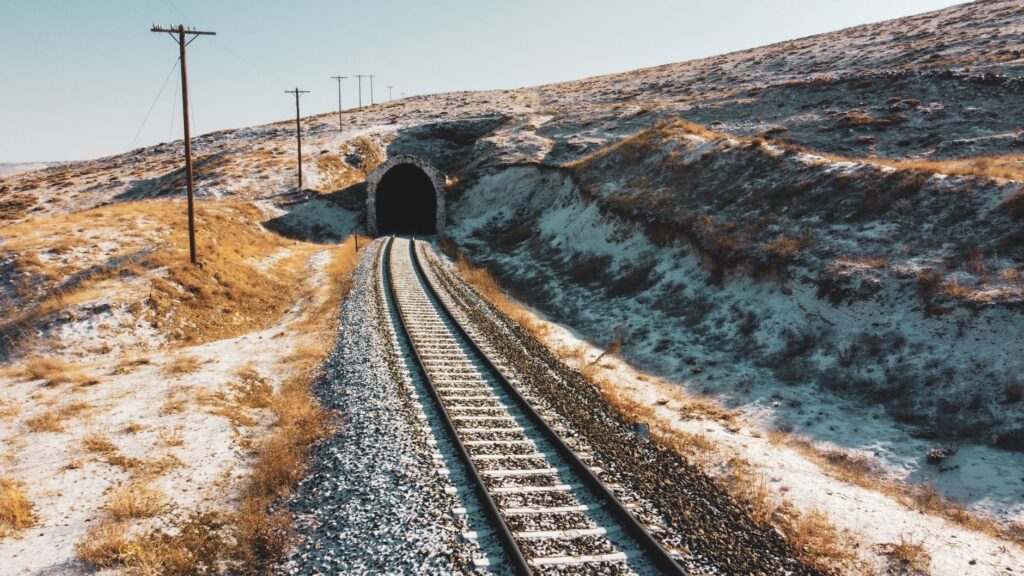
Traveling along this historical artery demands an understanding of the sheer scale of an alignment that compelled late 19th- and early 20th-century engineers to carve entire hillsides out of living rock. Sharp curves, dark tunnels excavated by pickaxe, and stone viaducts defying river abysses create an exceptional technical heritage. This report examines the current reality of one of Asia’s most fascinating and overlooked rail connections, analyzing its logistical evolution, its impact on local communities, and the experience of traversing a border where the slowness of the journey becomes the only true way to read the landscape.
Imperial Genesis and Mountain Alignment
The history of the rail line linking Georgia and Armenia dates back to the geopolitical ambitions of the Russian Empire to secure a commercial and military outlet toward the southern seas. Laying the tracks did not follow criteria of comfort, but rather a strict logic of topographic survival. Overcoming the threshold between the Kura River basin and the volcanic plateaus of Shirak required conquering mountain passes where extreme inclines demanded complex traction configurations and pioneering braking systems for the era.
During its first decades of operation, the infrastructure proved to be an economic lifeline. It enabled the transport of valuable minerals, coal, and agricultural products from the interior of the Caucasus to Black Sea ports and Persian markets. The engineers who designed the metal bridges and basalt ashlar stations integrated industrial architecture with the austere beauty of the natural surroundings, using local materials that today endure the harshest winters of Eurasia with stoic resilience.

blockquote>The railway in the Caucasus was not born to connect cities for pleasure, but to stitch together with steel threads a geographic mosaic fractured by abyssal gorges and eternal summits.
Over the decades, successive Soviet modernizations adapted the Russian track gauge to heavy freight requirements, consolidating a strategic corridor that maintained its pulse even during periods of greatest regional political instability. Today, journeying through this stretch reveals the remnants of that golden age of civil engineering, where every switchman’s cabin and hand-carved tunnel recounts a tale of titanic human endeavor.
Topographic Challenges and the Art of Slowness
In an era dominated by the urgency of commercial aviation, the train from Tbilisi to Yerevan offers a completely alternative rhythm. The overnight convoy, composed of classic sleeper cars bearing the imprint of the old Soviet railway school, winds slowly through narrow valleys where mobile phone signals vanish for hours. This enforced disconnection turns the trip into an experience of profound traveler introspection, where the passenger witnesses the gradual shift from subtropical Georgian vegetation to the arid, monumental steppe of the Armenian highlands.
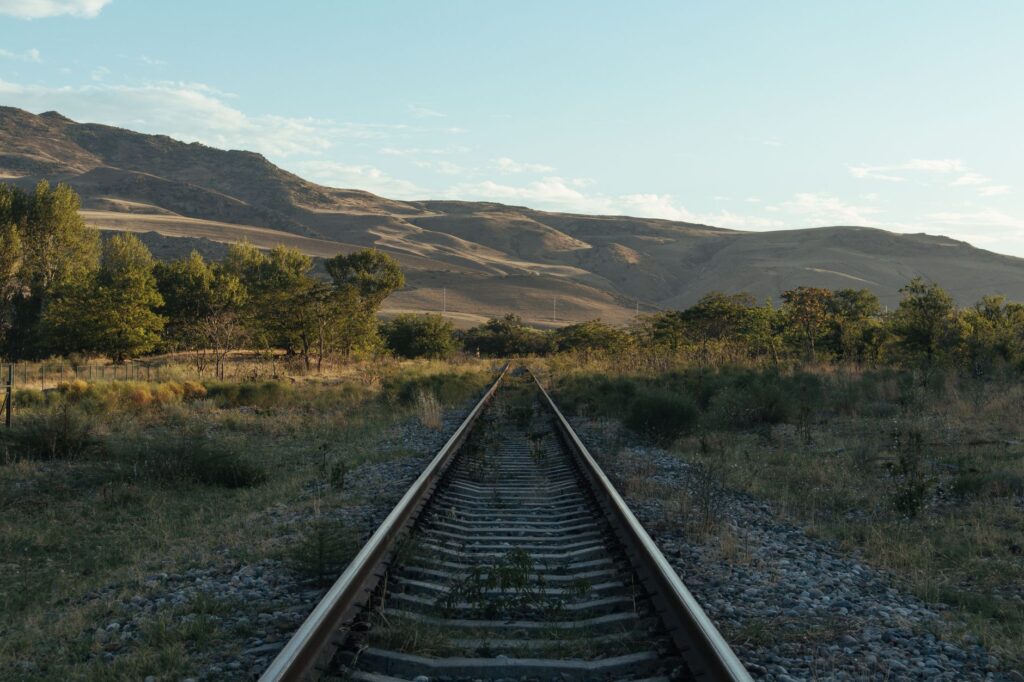
The route’s greatest operational hurdles are concentrated in the ascending stretches toward northern Armenia. Extreme weather conditions—featuring heavy snowfalls that block passes for months—demand a constant deployment of winter maintenance equipment. Rotary snowplows and track maintenance crews inspecting rails on foot are the ultimate guarantors of a connectivity that, despite geopolitical crises and closed borders with western neighbors, manages to remain operational for intrepid travelers.
Cross-Border Logistics and Geopolitics on Rails
The operation of this railway corridor cannot be understood without analyzing the complex geopolitical reality of the South Caucasus. With eastern and western land borders closed due to protracted regional conflicts, rail transport toward Georgia represents one of Armenia’s few external logistical safety valves. Through this link, the country receives essential supplies and maintains a vital communication route with Black Sea ports.
Customs procedures and passport controls take place directly at the Sadakhlo and Ayrum border posts, where the halting of the locomotive marks an administrative pause as unhurried as the journey itself. Customs inspectors and engine drivers share an unwritten code of patience, reflecting a border that separates two republics with profoundly distinct cultural identities yet united by the same trace of steel.
Railway Architecture: Stone Stations and Memory
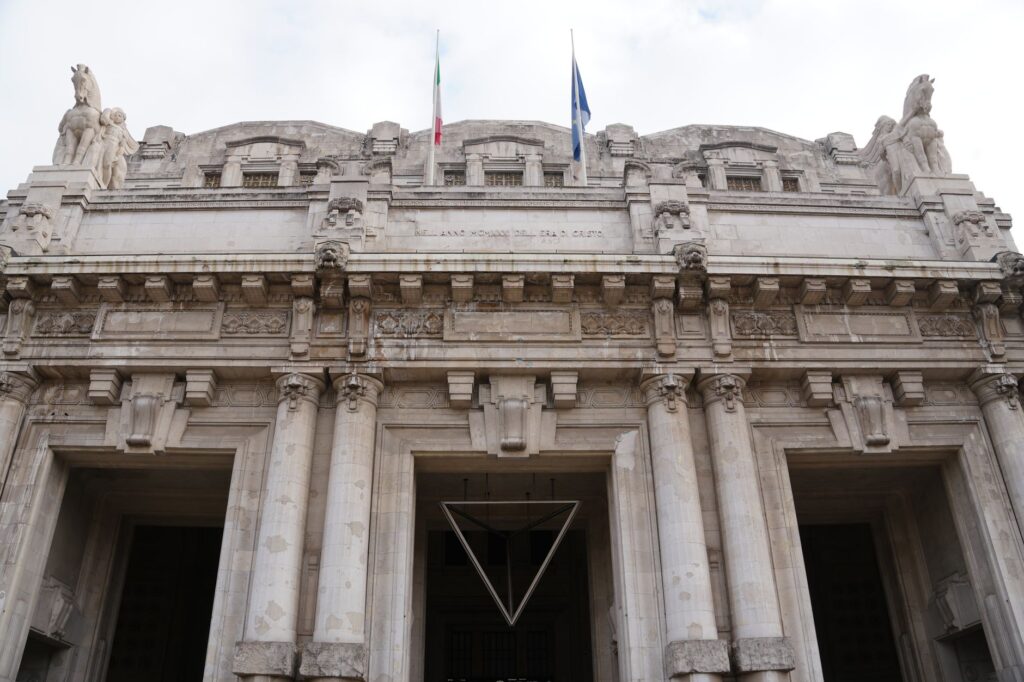
Along the route, railway stations act as open-air museums of 20th-century monumental architecture. Granite and basalt buildings featuring neoclassical columns, faded Soviet murals, and wrought-iron awnings evoke the past importance of these enclaves as nerve centers of social and economic life. In towns like Gyumri, Armenia’s second city, the main station stands as a moving testimony to urban endurance following the devastating 1988 earthquake.
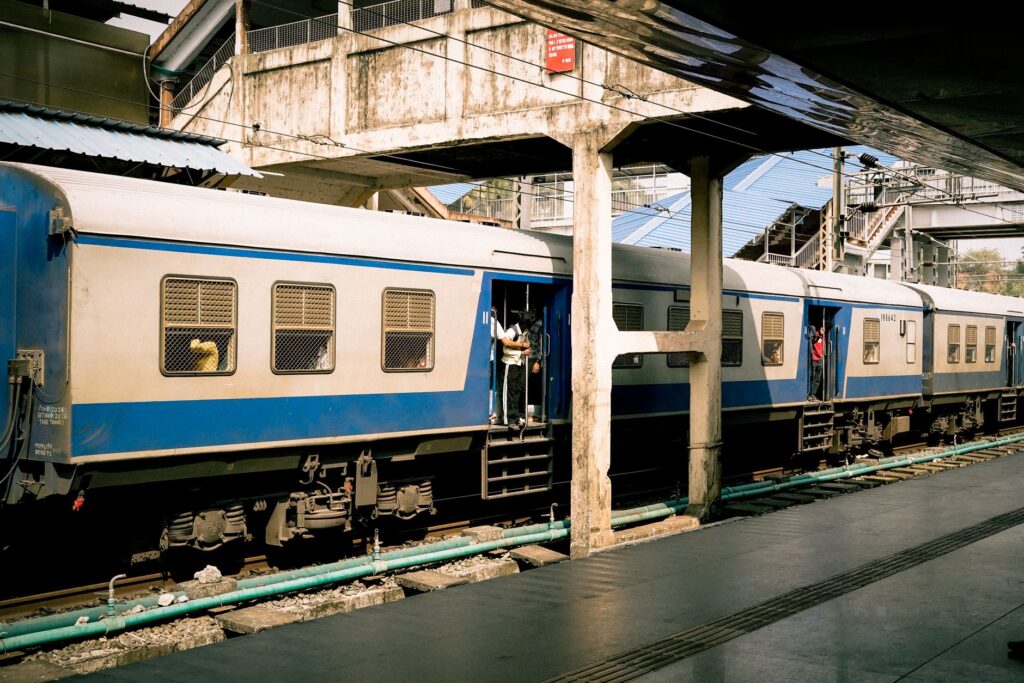
These buildings are far from mere relics of the past; they continue to fulfill an irreplaceable social function for the residents of rural villages dotting the route. For many local farmers and traders, the train remains the most reliable and economical means of transporting goods to urban markets, keeping alive a subsistence economy based on proximity and mutual trust between neighbors and conductors.
The Human Experience Aboard the Overnight Convoy
Boarding the train at Tbilisi Central Station as evening falls is an exercise in immediate cultural immersion. The car attendant, or *provodnik*, an omnipresent figure in sleeper carriages, welcomes travelers with an always-steaming samovar and a firm yet hospitable discipline. Inside the compartments, time stands still as passengers share hot tea served in glasses with intertwined metal holders, conversing in Russian or English about the wonders of Armenian monasteries awaiting them at dawn.
blockquote>The true luxury on the Caucasus route lies not in modern amenities, but in the opportunity to break bread and converse with strangers as the train climbs the dark night toward the high plateau.
This enforced togetherness in tight spaces generates an atmosphere of camaraderie difficult to find in other forms of transport. Children run down carpeted corridors, the elderly observe the misty landscape through double-paned windows, and the steady clatter of wheels over rail joints becomes a hypnotic soundtrack accompanying sleep until the first morning light at the border.
Practical guide
Planning a journey on the South Caucasus Railway requires flexibility, patience, and meticulous attention to official timetables, which may undergo seasonal modifications or operational adjustments due to track maintenance.
Routes and Frequencies
The main line directly connects Tbilisi Central Station (Tbilisi Passenger) with Yerevan Station (Sasuntsi David). Trains typically operate on an overnight schedule, with frequencies varying according to summer or winter seasons. Travel time ranges between ten and twelve hours, depending on administrative delays at border controls.
Tickets and Reservations
Tickets can be purchased in person at ticket windows in the main stations of Tbilisi and Yerevan several days in advance. Although digital booking platforms exist for certain sections, direct counter purchase remains the safest method. Travelers are advised to choose first-class compartments (Spalny Vagon, featuring two berths) or second-class (Kupe, featuring four berths) to guarantee an optimal level of comfort during the overnight journey.
Documentation and Visas
A valid passport with a minimum validity of six months is essential. Citizens of the European Union and most Latin American countries do not require a visa for tourist stays in either Georgia or Armenia. Customs inspectors review documentation aboard the train during technical stops at the border, meaning passengers do not need to disembark during checks.
Luggage and Provisions
Compartment space for luggage is generous, but manageable bags are recommended due to the narrow corridors of classic carriages. Although the *provodnik* offers hot tea and coffee onboard, a fully operational dining car is not guaranteed on all departures, making it crucial to board with sufficient water, fruit, and dry food acquired at local markets before departure.
Climate and Best Time to Visit
Spring months (May to June) and autumn (September to October) offer the mildest temperatures and landscapes of striking chromatic beauty. During winter, extreme snowfall in mountain passes can slow down convoys, offering a purely alpine visual experience alongside a higher risk of logistical delays.
Visual and Human Epilogue at Yerevan Station
When the convoy finally crosses the industrial suburbs of Yerevan and halts beneath the grand concrete structure of the terminus station, dawn light bathes the pink tufa facades characterizing the Armenian capital. On the platform, the bustling activity of families waiting for loved ones contrasts with the satisfied exhaustion of travelers who have completed the crossing. The distant silhouettes of Mount Ararat outlined against the clear sky seem to greet the train’s arrival, closing a cycle of slow and deliberate movement. In this final moment, the iron machine powers down, leaving behind the certainty that the true value of travel lies not in the speed with which a destination is reached, but in the depth of the impression left by the landscape upon the traveler.