
The Silent Conquest of the City of Light
Amid the morning bustle of Parisian metro stations and beneath the gray zinc rooftops crowning the Haussmann boulevard, a green tide has begun to displace traditional advertisements for perfumery and fast fashion. This is not a mere seasonal marketing exercise, but an unprecedented landing aimed at altering the European traveler’s perception. Costa Rica has flooded the urban landscape of the French capital with 830 advertising supports, a colossal endeavor that transcends the mere promotion of exotic destinations to pose a profound question about the future of global mobility and respect for ecosystems.
This visual offensive, deployed strategically in transit hubs such as Châtelet and Gare de Lyon, coincides with a moment of profound transformation in contemporary travelers’ priorities. Post-pandemic fatigue and a growing awareness of the carbon footprint have generated widespread skepticism toward mass tourism. In this scenario, the small Central American nation is not selling anonymized paradise beaches, but a development model where environmental conservation forms the core of the tourism economy. The paradox of promoting nature in France’s most densely populated city conceals a calculated strategy of emotional proximity.
From the Tropics to the Seine: Anatomy of a Monumental Campaign
Coordinated by the Costa Rican Tourism Board (ICT), the initiative is meticulously structured to impact the European citizen during their daily routine. Digital screens and static posters do not rely on the cliché of the sloth hanging from a branch or the surfer on an isolated wave; instead, they showcase the complexity of an environmental services payment system, active reforestation driven by rural communities, and biodiversity recovered in urban biological corridors. The campaign’s figures overwhelm through their sheer scale, yet the true challenge lies in translating that advertising density into a genuine commitment to sustainability.

The Selection of Urban Supports
The rollout spans from underground transit displays to surface billboards, maximizing exposure time for an audience typically saturated with commercial stimuli. Each poster acts as an ephemeral window toward the Osa Peninsula or the cloud forests of Monteverde, generating a deliberate contrast between the gray of the Parisian asphalt and the chromatic saturation of the humid tropical rain forest. The visual impact seeks to provoke a pause in the dizzying urban cadence, inviting reflection on the origin of the resources we consume.
The Message Behind the Slogan
Far from traditional sun-and-sand claims, the texts accompanying the images appeal directly to the traveler’s responsibility. It is highlighted that 98% of the country’s energy is renewable and that over a quarter of its territory is under some form of legal protection. This quantitative yet deeply ethical approach disarms the skepticism of the French consumer, who is traditionally demanding regarding the veracity of corporate and institutional promises.
Community Sustainability Versus Commodification
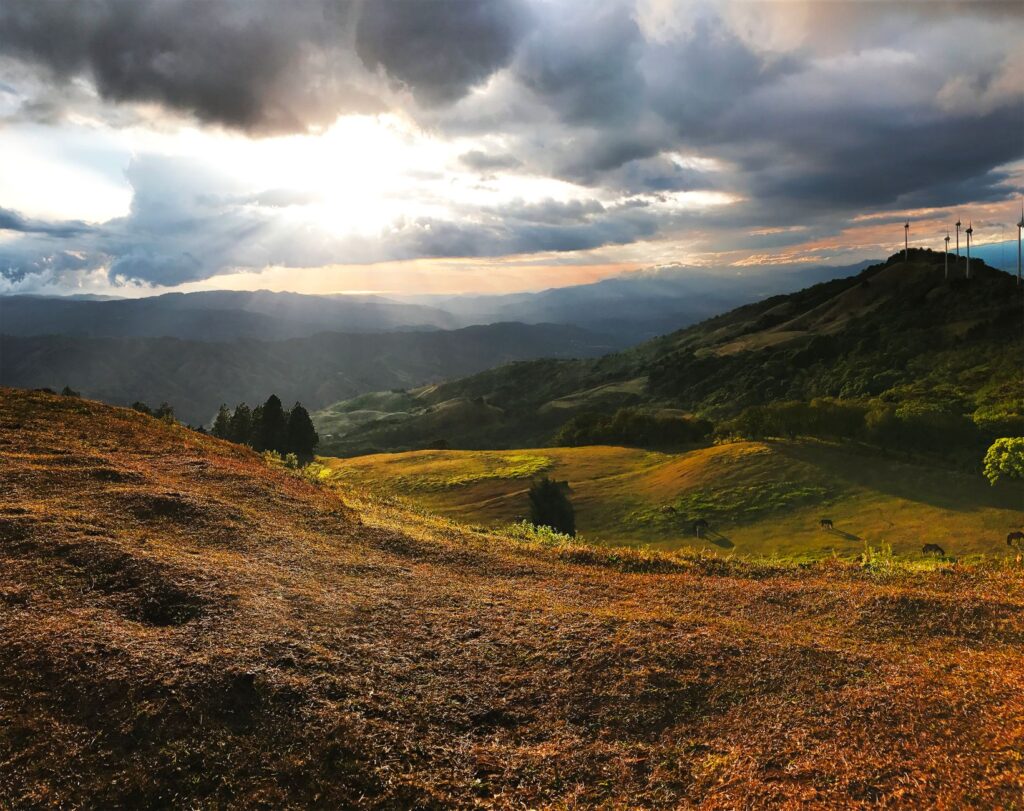
The true differential value of the Costa Rican strategy does not lie in the power of its billboards, but in the social architecture sustaining its tourism model. Local communities do not act merely as service providers subordinated to international tour operators, but as guardians and direct managers of natural heritage. This decentralized approach allows tourism-generated income to trickle down directly into agricultural cooperatives, indigenous ecotourism projects, and marine-coastal conservation associations.
Over recent decades, the country has proven that reversing deforestation is possible through direct economic incentives to landowners who choose to conserve or regenerate forest cover. This mechanism, pioneering on a global scale, turns the conscious tourist into an indispensable financial ally for the survival of local ecosystems. In Paris, the campaign exposes this invisible machinery, reminding audiences that each stay in a rural Costa Rican lodge indirectly finances the protection of endangered species.
Architecture, Mobility, and the Challenge of the Ecological Footprint
The advertising landing in a metropolis like Paris inevitably opens the debate on the contradictions inherent in long-distance tourism. Traveling from Europe to Central America inevitably generates greenhouse gas emissions, an ethical dilemma that Costa Rican tourism authorities attempt to mitigate by promoting longer stays and decentralized consumption within the national territory. The strategy is not to receive more tourists, but to attract those who stay longer and generate a lower destructive impact on the environment.
Low-Impact Infrastructures
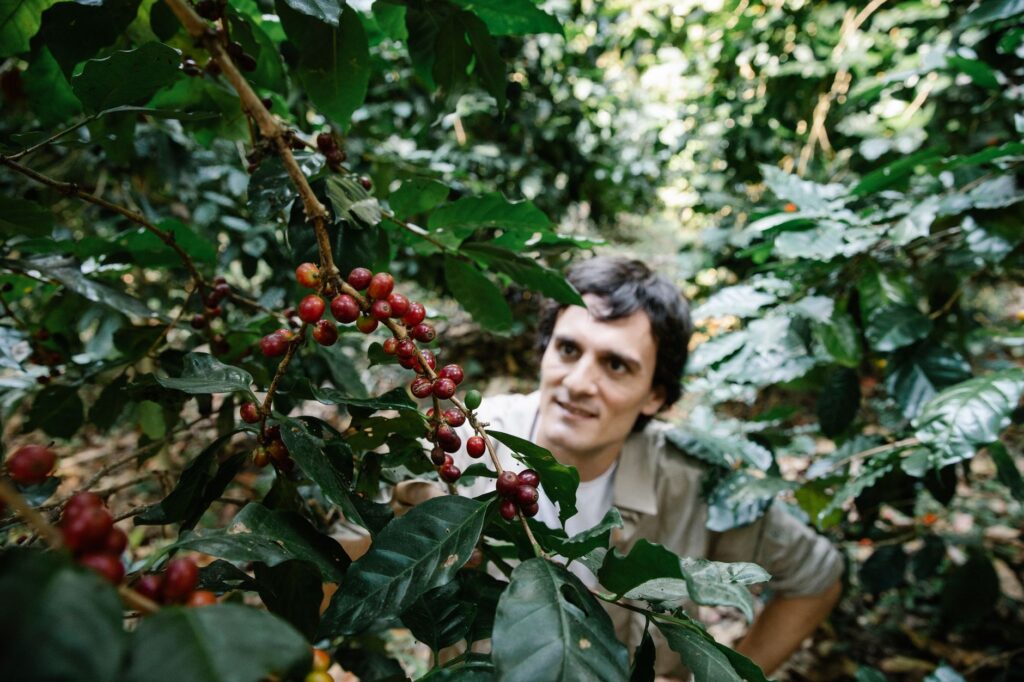
Within Costa Rica, tourist mobility is evolving toward electric transport fleets and the consolidation of historic railway routes recovered for sustainable transit. Construction regulations for new accommodations demand strict Sustainable Tourism Certification (CST) standards, evaluating everything from wastewater treatment to architectural integration into the surrounding landscape. The aesthetics of unbridled luxury give way to sober elegance based on absolute respect for the natural surroundings.
Aviation and Real Offsetting
While the aviation sector remains the Achilles’ heel of tourism decarbonization, offset programs tied to national reforestation offer a temporary mitigation pathway while alternative fuels are developed. The ads in Paris subtly integrate this narrative, reminding the traveler that their journey can be part of the solution if managed with scientific rigor and institutional transparency.
Local Voices and the Pulse of Rural Communities
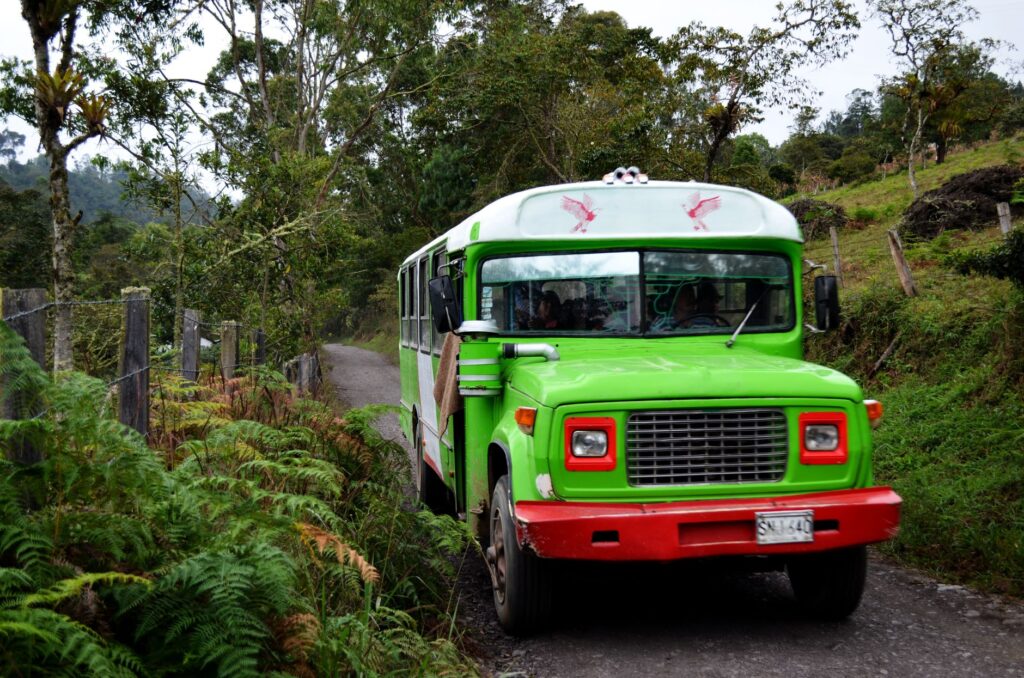
To grasp the magnitude of this international effort, one must look toward the territories where the stories now decorating the Parisian metro originate. In communities like Sarapiquí or Talamanca, organic farmers and naturalist guides observe this global showcase with caution yet hope. They know that the massive arrival of European visitors can be both an economic blessing and a threat to their fragile social and cultural equilibrium.
Local cooperatives have demanded participatory governance mechanisms to ensure that increased tourism demand does not cause rural gentrification or the loss of control over land. The authenticity of the Costa Rican experience rests on the fragile thread of respect for community sovereignty. When a passenger in Paris reads about the sustainable coffee plantations of Tarrazú, they are connecting with the daily effort of families who have chosen agroecology over industrial monocultures.
Practical guide
Planning a sustainable trip to Costa Rica requires methodological rigor and deep respect for local timelines and dynamics. Below are the essential guidelines to align the vacation experience with the conservation and community development principles promoted by the country.

- Season to visit: The green or rainy season (from May to November) offers greater landscape exuberance, less overcrowding, and a more balanced water and energy footprint in rural accommodations.
- Conscious mobility: Prioritize public buses, shared transport services operated by local cooperatives, and the rental of electric vehicles wherever infrastructure permits.
- Certified lodging: Seek establishments possessing the Sustainable Tourism Certification (CST) granted by the ICT, ensuring real environmental and social management practices.
- Support for the local economy: Consume at communal markets, hire local guides accredited by the National Learning Institute, and avoid international intermediary agencies that retain an excessive percentage of value.
- Wildlife respect: Maintain a prudent distance from wildlife, reject any form of captive interaction or artificial feeding of animals, and strictly follow national park regulations.
The Final Horizon: Memory and Reconciliation with the Earth
At the end of the journey, whether amidst the roar of Paris metro line 1 or beneath the dense mist of a Central American cloud forest, a fundamental question persists regarding our relationship with the planet. The colossal advertising campaign deployed in France is not merely a commercial resource to gain market share in the competitive global tourism board; it represents a mirror in which industrialized societies can examine their own ecological contradictions. Costa Rica reminds us that nature is not a static backdrop intended for ephemeral consumption, but a living, complex organism requiring humility, active listening, and unwavering economic commitment. By looking up at those green billboards in the heart of Europe, the traveler discovers not an exotic destination to flee to, but an urgent invitation to transform the way we inhabit the Earth.
Source: The Costa Rica News.