Contemporary tourism finds itself caught between summer over-tourism and the pursuit of resilient destinations capable of sustaining their economies without collapsing their ecosystems. Far from the summer imagery of lavender fields packed with tour buses and overcrowded coastal beaches, French Provence undergoes a profound transformation during the colder months of the year. The recent official figure of 102 million annual arrivals across the region not only reflects a monumental volume of transit, but also evidences a structural shift in how this southern French territory manages its mobility flows. It is no longer about concentrating the impact into six weeks of July and August, but rather distributing wealth and movement across all twelve months through a transportation network that prioritizes railways over asphalt.
This report examines how railway infrastructure and the reordering of airports and land connections are transforming winter Provence. Through on-the-field analysis and data verified by specialized publications such as Nomad Lawyer, we explore the backstage of a logistical overhaul that affects both major urban hubs and perched villages in the massifs of the Luberon and the Alpilles. The thesis is clear: the future of Provençal tourism does not depend on attracting more visitors, but on moving them better, integrating high-speed rail and regional trains into a cohesive transportation system that defies the traditional isolation of the low-season months.
The geopolitics of cold: rethinking tourism beyond seasonality
For decades, winter in Provence meant shuttered windows and the retreat of the local economy toward the urban centers of Marseille, Aix-en-Provence, and Avignon. However, global travel dynamics have shifted. Today’s traveler seeks climatic authenticity, mild temperatures without overcrowding, and unhurried cultural immersion. With a global figure of 102 million registered tourist arrivals, local authorities and transport operators face the titanic challenge of preventing chronic saturation without turning off the economic engine represented by the service sector.
This phenomenon is not a demographic coincidence, but a deliberate strategy of diversification. Regional authorities have fostered de-seasonalization by promoting historical heritage, winter wine routes, and seasonal gastronomy. To withstand this traffic without clogging secondary roads winding between olive groves and vineyards, the key has been convincing travelers to leave their rental cars behind in favor of rail-guided infrastructure.
The backbone of rails: high-speed rail as an agent of change
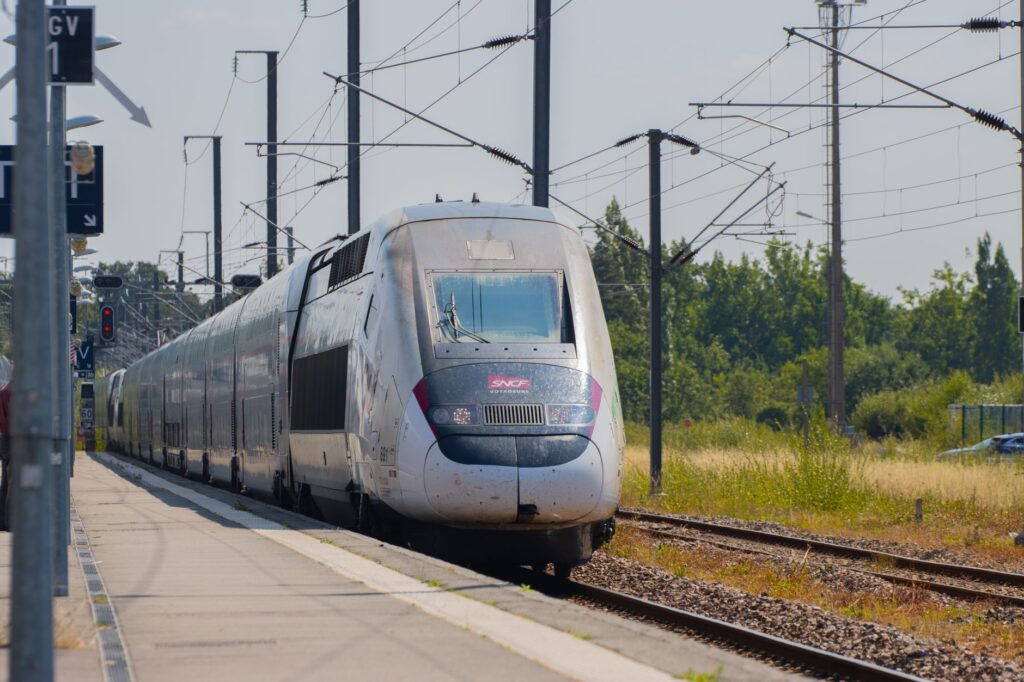
The heart of this logistical transformation beats along the tracks of SNCF and high-speed TGV services connecting Paris with Marseille and Nice in just over three hours. The Avignon TGV and Aix-en-Provence TGV stations no longer function merely as rapid transit stops, but as true multimodal terminals where commuter trains, electric buses, and soft mobility networks converge.
Efficient intermodality is the sole shield against road congestion in a region with geography as complex and fragmented as Provence.
Technical data from the railway network show that investment in winter frequencies has increased by 15% compared to the previous five-year period. This increase is not an ecological whim, but a real demand from European travelers—primarily French, Swiss, German, and British—who demand low-emission alternatives for their winter getaways. The train has established itself as the preferred mode of access to the region, dramatically reducing the carbon footprint associated with internal transport.
Airports and secondary hubs: redistributing the air traveler
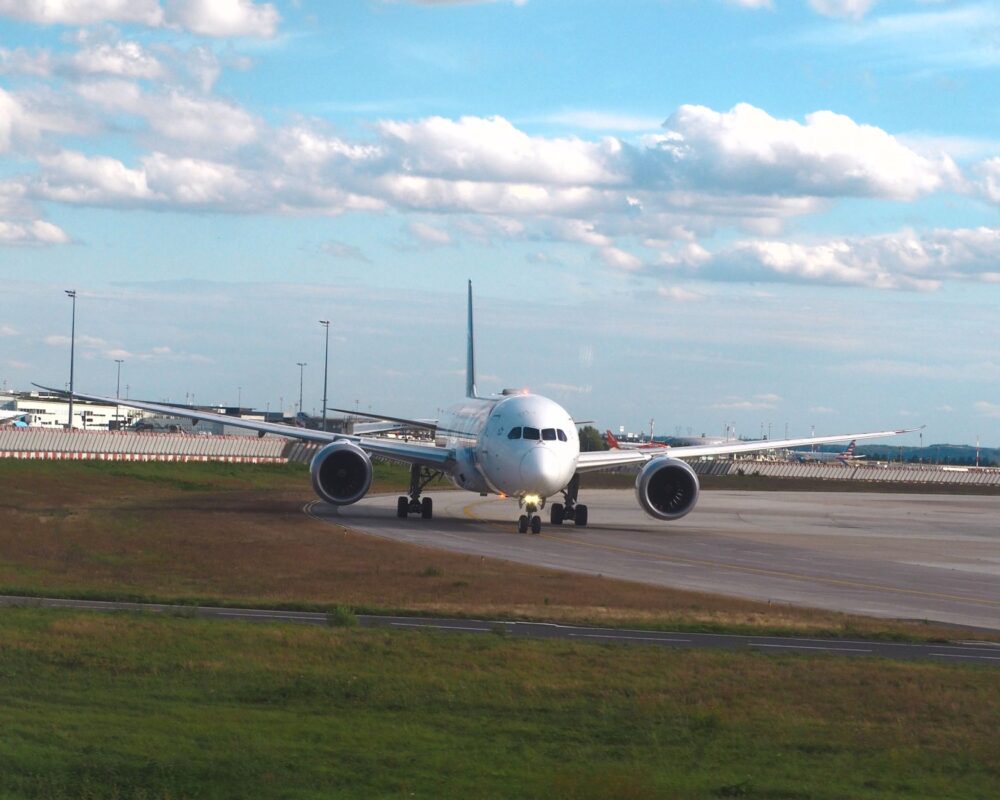
Although railways capture sustainability headlines, the role of air infrastructure remains decisive in the total volume of the 102 million arrivals. Marseille-Provence Airport (Marignane), France’s fifth-largest by passenger volume, operates as the primary international intercontinental and European gateway. However, in winter, airport strategy changes radically.
Rather than competing with northern European mega-hubs, Marseille-Provence adjusts frequencies and optimizes connections with commuter trains via direct shuttles to the Vitrolles station. This plane-train synergy allows a passenger landing from London or Frankfurt to reach the historic center of Aix-en-Provence in less than forty minutes without touching a highway. Decentralizing air traffic toward smaller aerodromes, such as Avignon-Caumont, reinforces this capillary network feeding interior tourism.
The human pulse: between rural tradition and metropolitan modernity
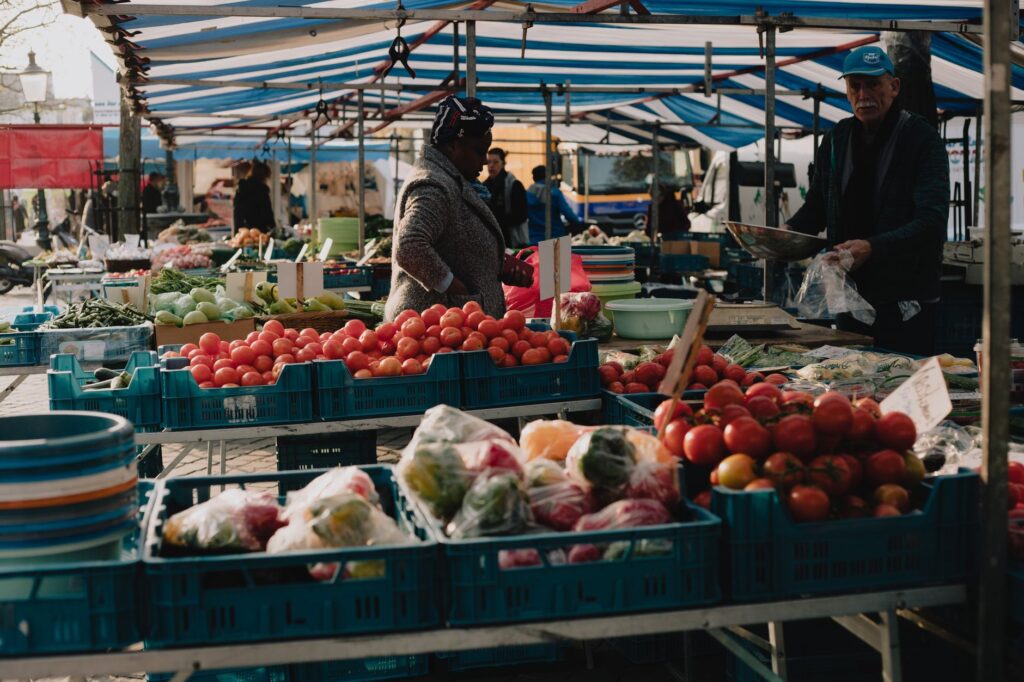
Throughout the Rhône and Durance valleys, the arrival of winter alters the rhythm of local communities. Traditional markets, such as those in Saint-Rémy-de-Provence or L’Isle-sur-la-Sorgue, recover their human scale after the summer bustle. Local shopkeepers and producers welcome this steady yet moderate influx of winter visitors who value proximity products—extra virgin olive oil from the new harvest, black truffles from the Comtat Venaissin—above mass tourism ostentation.
“Winter gives us back our territory. We are no longer managing crowds; we are conversing with people who come to understand our way of life,” notes Marie-Claire Arnaud, a cultural manager in the Luberon.
This direct human interaction is what differentiates winter Provence from other Alpine or Mediterranean destinations focused exclusively on skiing or sun-and-sand. Public transport plays a fundamental social role here: it ensures that local residents and visitors share the same flows, revitalizing small inland shops that would otherwise remain closed from November to March.
Architecture, engineering, and heritage in motion
Traveling through winter Provence also offers a masterclass in landscape integration and civil engineering. Modern railway infrastructure coexists with millennia-old monuments. TGV viaducts cross valleys where Romans built aqueducts like the Pont du Gard, drawing a visual dialogue between 21st-century technology and classical engineering.
The high-speed stations in Avignon and Aix, designed by internationally renowned architects such as Jean-Marie Duthilleul, prioritize natural light, local materials like Avignon stone, and openness toward the surrounding landscape. These terminals are not isolated concrete colossi, but covered public squares that facilitate fluid transfers and minimize traveler stress. The urban design of these infrastructures proves that logistical functionality is fully compatible with the aesthetic elegance characteristic of the Provence brand.
Pending challenges: peripheral congestion and the last mile
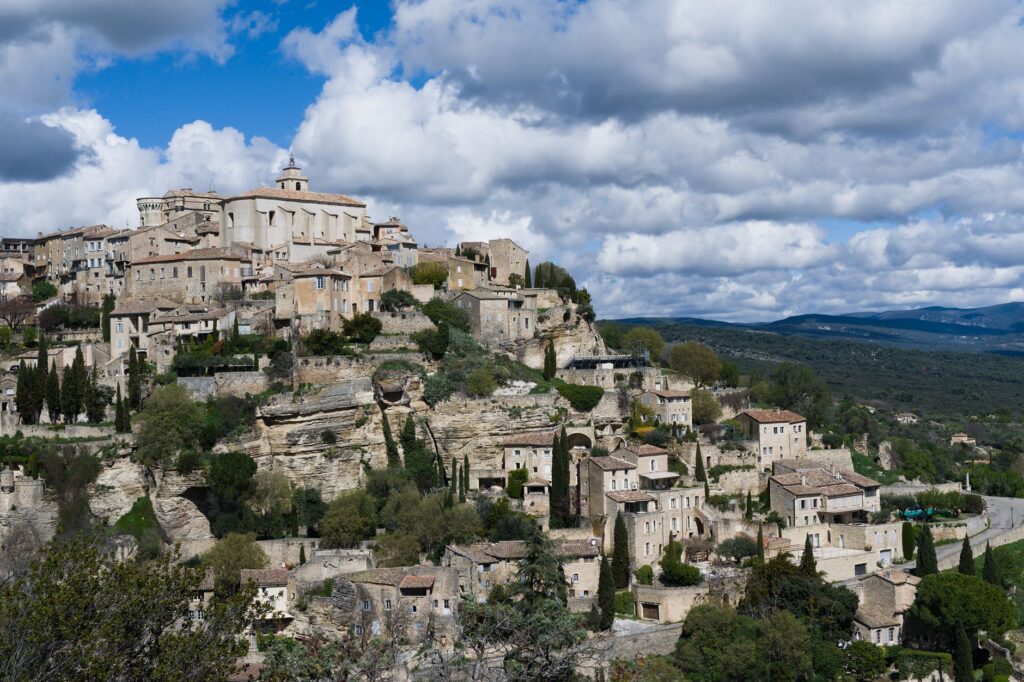
Despite the success of the railway model and the record figure of 102 million arrivals, the Provençal transport system carries structural vulnerabilities. The Achilles’ heel remains the so-called ‘last mile’ in deep rural areas. While main axes between large cities operate with Swiss precision, traveling from a TGV station to perched villages like Gordes, Roussillon, or Les Baux-de-Provence without a private vehicle remains complex outside peak season.
Regional authorities and private operators are testing demand-responsive transport (DRT) solutions managed through mobile apps, as well as shared electric vehicle fleets located at peripheral stations. However, the penetration of these alternatives in the mountainous areas of northern Provence remains insufficient, generating residual reliance on rental cars for tourists leaving train-guided circuits.

Practical guide
How to get there: The main rail access route is the TGV from Paris-Gare de Lyon to Avignon TGV or Aix-en-Provence TGV (approximate duration: 3 hours). For international flights, Marseille-Provence Airport connects with major European hubs and offers direct rail shuttles to the regional network.
When to travel: The months from November to February offer the lowest tourist crowding, coinciding with the olive harvest season and black truffle markets. Temperatures are mild during the day, though interior nights can be chilly.
Internal travel: It is recommended to prioritize the TER regional train network and Zou! interurban buses to connect major cities and valleys. To access Luberon villages in winter, it is advisable to check local demand-responsive transport services or hire electric vehicles at TGV terminals.
Accommodation and gastronomy: Prefer small boutique hotels in urban historic centers (Avignon, Aix, Arles) that remain open year-round and support the local proximity economy. Look for restaurants certified with protected designation of origin (PDO) products for truffles and olive oil.

The reunion with Provençal silence
At the end of the day, when the golden light of the winter sunset fades over Roman tile roofs and vine-stripped fields, Provence recovers its most intimate essence. There is no roar of accelerated engines on coastal roads or endless queues at UNESCO World Heritage monuments. The subtle echo of a high-speed train cutting through the distant landscape reminds us that modernity and respect for natural rhythm can coexist in balance.
“True luxury in winter Provence is not exclusivity, but recovered silence and the certainty that the journey has respected the land we walk upon,” reflects local essayist Jean-Luc Gauthier in his chronicle of the territory.
This delicate balance between the massive arrival of visitors and the preservation of the Provençal soul constitutes a masterclass for 21st-century global tourism. It proves that with planning, smart infrastructure, and political will, it is possible to welcome millions of souls without losing the unhurried pace that defines the true identity of the interior Mediterranean.
Source: Nomad Lawyer («France Provence Winter Tourism: 102M Arrivals & Rail Guide»).