
The Liquid Matter of Time
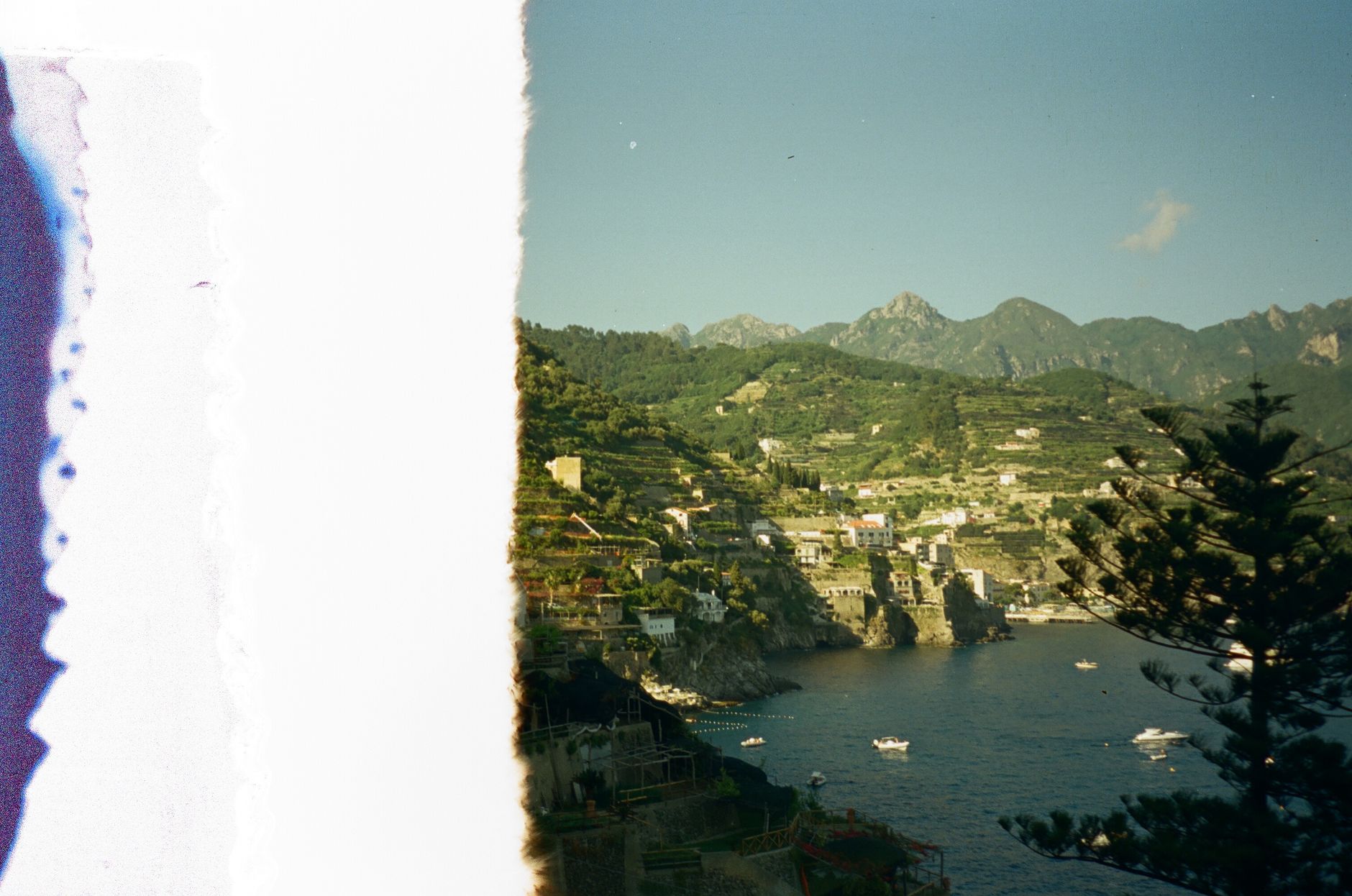
At the bottom of the Valle dei Mulini, where the constant murmur of spring water blends with the salt-laden air of the Tyrrhenian Sea, time is not measured by clock hands, but by the slowness with which cellulose pulp settles. Amalfi, world-famous for its vertiginous cliffs and lemon groves hanging over the void, guards a millennial industrial secret that predated its maritime glory: the manufacture of handmade paper. This product, historically known as carta bambagina due to its distant origin related to oriental fibers, represents one of the purest testimonies of European preindustrial archaeology. Here, the rugged geography of Campania was not an obstacle, but the energy engine that drove the waterwheels of ancient paper mills.
The traveler descending through the cobbled alleys of Amalfi soon leaves behind the hustle and bustle of summer tourism to enter a shadowy gorge where humidity is a physical presence. It is in this microclimate that the last workshops continue to produce sheets one by one, using the exact same mechanical gestures documented by the notarial archives of the Maritime Republic of Amalfi since the 13th century. In an era dominated by digital obsolescence and the homogeneous flatness of screens, touching a sheet of Amalfi paper is equivalent to establishing tactile contact with the material history of the Mediterranean.
Industrial Archaeology and Fluvial Energy
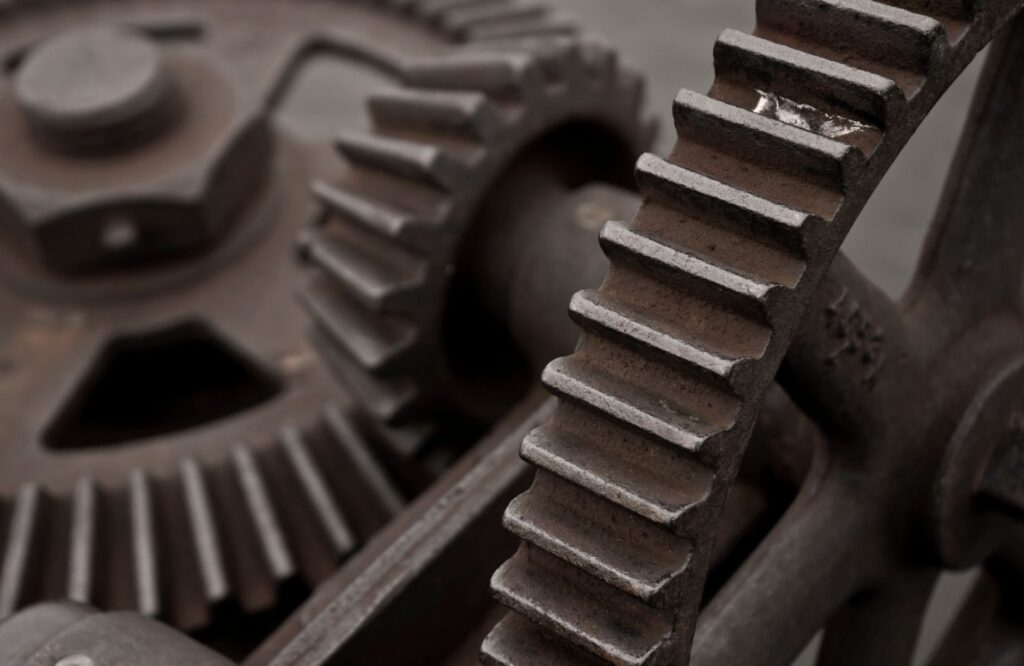
The history of the paper industry in Amalfi is inseparable from the relentless force of the Canneto river. During the centuries of peak prosperity for the Maritime Republic, the demand for written support for commercial contracts, papal bulls, and navigation chronicles required a constant supply of resistant, flexible, and durable paper. Medieval builders took advantage of the valley slope to erect a network of aqueducts and canals that fed the wooden mallets of the paper mills. These mallets, fitted with iron nails at their ends, tirelessly beat linen, hemp, and cotton rags submerged in water to defiber them into a homogeneous paste.
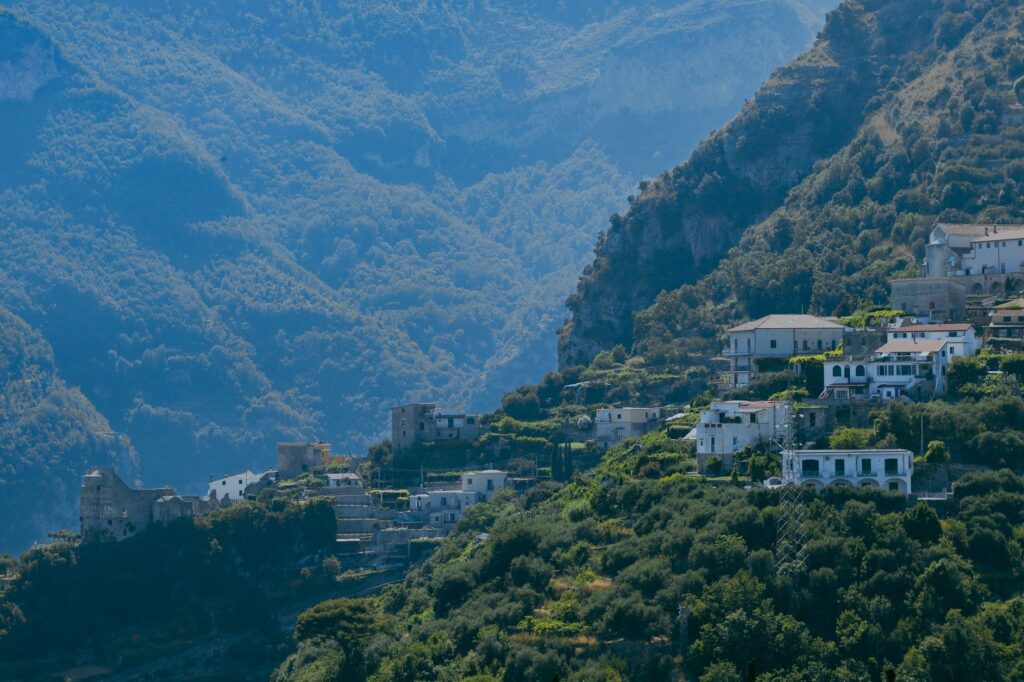
Today, visiting the restored remains and active workshops of this valley allows one to understand the perfect symbiosis between human ingenuity and natural resources. The architecture of these buildings strictly responds to functional logic: ground floors dedicated to the water’s motive power, intermediate floors for the wet manipulation of the pulp, and attics with wooden shutters designed to harness air currents for the natural drying of the sheets. This spatial layout turns each mill into a perfectly balanced thermal and wind machine, where nothing is superfluous.
The Millennial Gesture of the Vat
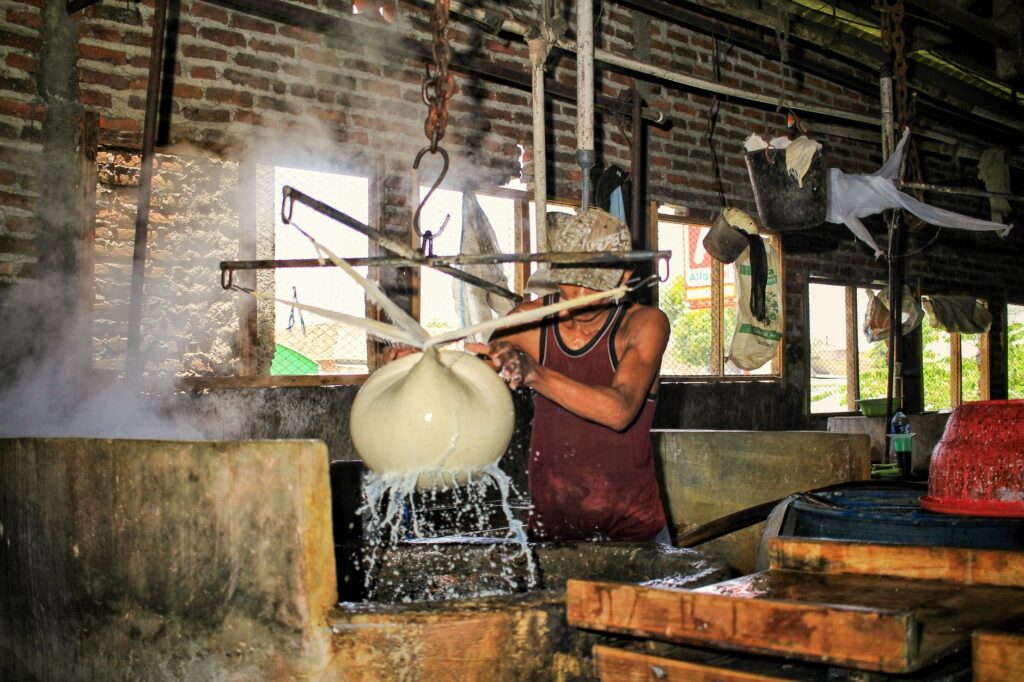
The heart of any paper workshop is the vat, a structure where the master artisan regulates the temperature and density of the aqueous mixture. In front of it unfolds a choreography that requires years of physical apprenticeship. The artisan dips a rectangular mold—formed by a wooden frame and a mesh of very fine metallic threads, known traditionally as wire and chain lines—into the vat. With a sharp, rhythmic, and almost imperceptible movement for the uninitiated, they extract an exact amount of liquid pulp from the bottom, allowing excess water to filter through the mesh while the fiber interweaves its threads in suspension.
This instant is crucial. If the movement is too slow, the sheet will turn out uneven; if it is too fast, it will lack consistency. Immediately afterward, the mold is handed to the coucher, who inverts the wet sheet onto a woolen felt. The repetition of this cycle results in an alternating column of felts and papers, called a post, which is subsequently subjected to the monumental pressure of a wooden screw press to expel remaining moisture. The result is a rough texture to the touch, an irregular thickness that betrays the human hand, and inimitable rustic edges known as deckle edges.
From Textile Fiber to Artists’ Support
Unlike modern industrial paper, whose composition relies on chemically treated wood cellulose and chlorine bleaching, Amalfi paper draws exclusively from white cotton and linen rags from the textile industry. This organic purity is responsible for its legendary durability. Lacking lignin—the chemical compound that yellows and degrades wood-pulp paper over the years—carta bambagina is practically incorruptible, resisting the attack of humidity, fungi, and the relentless passage of centuries.
«Handmade paper is not a mere passive support for writing or art, but a living organism that dialogues with ink, absorbing its spirit and preserving the memory of its user.»
This exceptional quality historically attracted printmakers, watercolorists, and fine press publishers from all over Europe. Master printmakers such as Giovanni Battista Piranesi or contemporary artists of the stature of Renato Guttuso deliberately sought out these sheets for their masterpieces, knowing that pigment absorption over a textile fiber surface offers a chromatic depth impossible to replicate on industrial supports. In current workshops, this tradition is renewed through collaborations with graphic designers and cutting-edge bookbinders seeking materials with their own soul.
Vat Paper in the Digital Age
In the 21st century, the survival of Amalfi workshops does not depend on mass production, but on hyper-specialization and the radical preservation of intangible heritage. Faced with the dematerialization of contemporary culture, where archives are stored in invisible virtual servers, handmade paper has transformed into a luxury cultural object and a symbol of material resistance. Workshops have had to reinvent themselves, combining the production of high-end institutional stationery, personalized wedding invitations, and facsimile editions with the opening of museum spaces where visitors can experience the production process firsthand.
This transition has not been without tension. The shortage of skilled labor willing to endure harsh conditions of humidity and physical effort, coupled with the rising cost of quality textile raw materials, raises questions about generational continuity. However, the young artisans taking over today demonstrate a solid awareness of their role as custodians of an endangered technique, integrating environmental sustainability criteria—such as the use of renewable energy for water heating and ecological wastewater treatment—into their centennial workshops.
Practical guide
Planning a rigorous visit to the handmade paper workshops in Amalfi requires stepping away from conventional sun-and-sea tourism circuits to delve into the valley’s industrial heritage.
How to get there: The main access to Amalfi is by road via the winding SS163 from Sorrento or Salerno, or via regular ferries connecting the ports of the Gulf of Naples during the summer season. To reach the Valle dei Mulini, visitors must walk from Piazza Duomo, ascending via Grade Gavitella and following signs toward the Valle delle Ferriere Nature Reserve.
When to go: The spring months (April to June) and early autumn (September to October) offer ideal climatic conditions for walking through the gorge, avoiding the suffocating summer heat and the temporary winter closure of certain sites for maintenance.

Where to visit: The Paper Museum (Museo della Carta), located in the former mill of the Milina family, offers comprehensive guided tours with live demonstrations of medieval hydraulic machinery operation and access to its historical archive. Likewise, the workshop of the historic Cartiera Amatruda maintains active production and allows pre-arranged visits to its vat and drying areas.
Shopping tips: When purchasing handmade paper, always check for the presence of the watermark against the light, the hallmark of authenticity of Amalfi workshops. Avoid storing sheets in extreme humidity and keep them horizontally between acid-free papers if you plan to use them for calligraphy or conservation binding.
The Persistence of Touch
At dusk, when day-trippers leave the historic center and the coastal murmur fades under the influence of the evening breeze, the Valley of the Mills recovers its original soundtrack: the rhythmic beating of water against stone and the distant whisper of pulleys. Inside the workshop, upon long wooden tables worn by centuries of use, the latest batches of wet paper rest. The sheets, still fragile and luminous, emit a subtle aroma of clean linen and mineral moisture. In that industrious silence lies the true victory of Amalfi craftsmanship: proving that certain human skills, due to their deep connection with earth and patience, cannot be replaced by any screen.