
Beyond the Caribbean Postcard
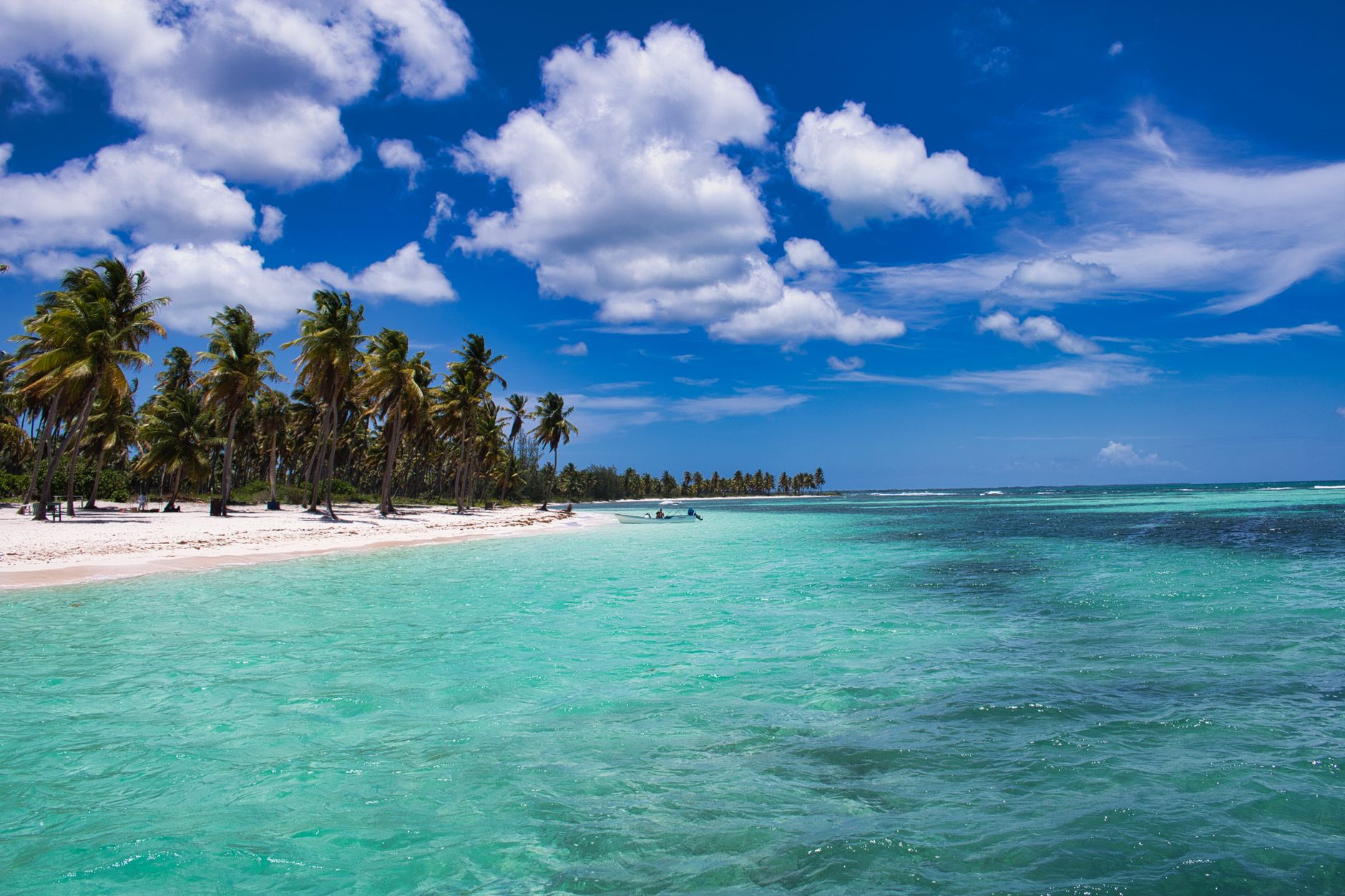
For decades, global tourism narratives have confined the Dominican Republic to the idyllic perimeter of the all-inclusive resort, reducing a complex nation with vibrant topography to a cliché of coconut palms and white sand. Yet beneath that promotional brochure surface lies an island of radical geographical contrasts and cultural density that demands slow, journalistic attention. From the highest peaks in the Antilles to interior valleys where time seems to operate under different rules, the Dominican territory functions as a mosaic where Taíno heritage, Spanish colonial imprints, and deep Afro-Caribbean roots converge.
This report investigates the least-traveled layers of insular geography to understand what the claim that this country has it all truly means today. It is not an advertising slogan, but rather the finding of unusual biodiversity and a human pulse that resists mass tourism’s homogenization. Through routes winding across the Central Cordillera, incursions into self-sufficient rural communities, and direct observation of urban life in the National District, we explore a complex, contradictory, and deeply fascinating Dominican Republic.
The Geography of Water and High Terrain
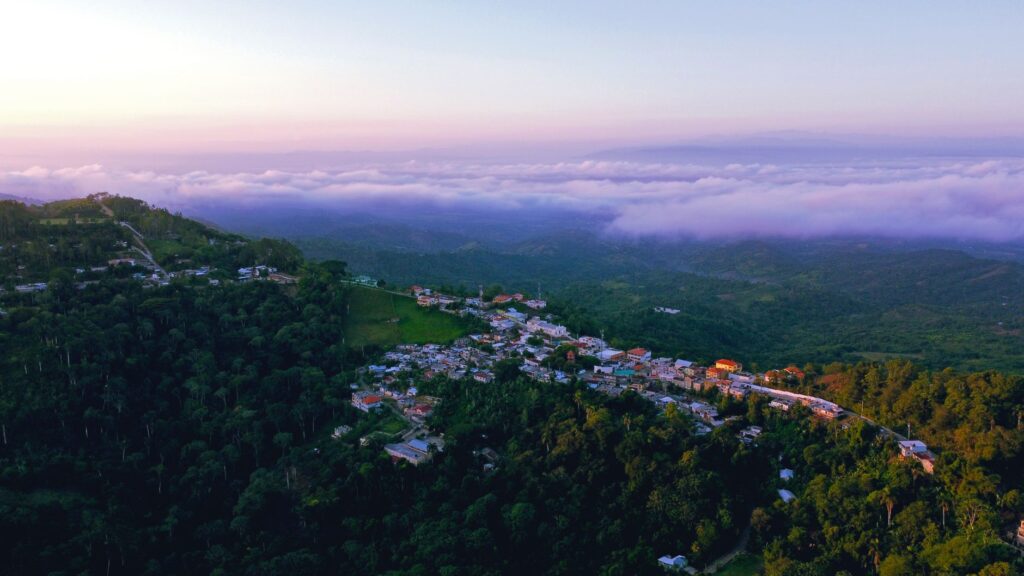
Dominican relief belies the flat-island cliché. With Duarte Peak rising over three thousand meters above sea level, the Central Cordillera acts as the climatic and ecological backbone of the country. Here, in the domains of Constanza and Jarabacoa, the Caribbean climate yields to misty mornings, native pine forests, and high-altitude agriculture supplying much of the national territory. This Caribbean alpine enclave surprises travelers accustomed to the coastal heat, offering a landscape where vegetable and flower crops cascade down dizzying slopes.
In these intramontane valleys, water is the ordering force. Rivers like the Yaque del Norte rise in the heights to descend impetuously, sculpting canyons and feeding irrigation systems essential for the nation. The interaction between local farming communities and the natural environment reveals a fragile balance between land exploitation and watershed conservation. Unlike coastal enclaves, life here is marked by agricultural cycles and a tradition of mountain hospitality virtually unaltered over the past century.
The Dominican mountain is not a secondary geographical accident; it is the refuge of an interior identity in silent dialogue with the Caribbean Sea.
The ascent toward higher zones also exposes environmental challenges stemming from climate change and agricultural pressure on cloud forests. Watershed protection policies implemented by local ministries and community organizations strive to halt deforestation, proving that the future of the insular economy depends directly on the ecological health of its summits. For travelers willing to leave the coast behind, the cordillera offers an invaluable lesson on the true territorial dimension of the country.
Santo Domingo: The Laboratory of Colonial Modernity
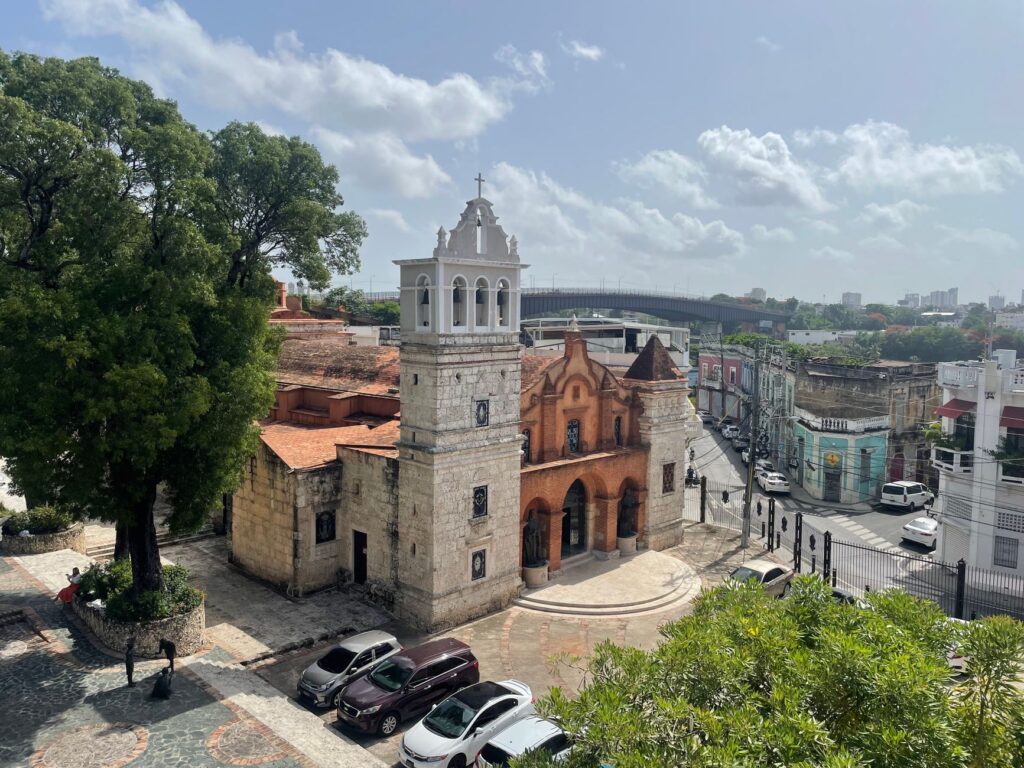
Founded in the 15th century, the Colonial City of Santo Domingo is the oldest permanent European settlement in the Americas. Far from being a mere museum set, this network of coral limestone streets and viceregal mansions operates as a living urban organism where state bureaucracy, university life, and intense daily cultural activity coexist. The Alcázar de Colón and the Primate Cathedral of America stand not only as historical monuments, but as stony witnesses to a past of domination, resistance, and miscegenation.
Walking down Calle Las Damas in the early morning hours reveals the city’s true texture before commercial bustle and traffic alter its atmosphere. Local restorers and urban historians constantly debate the boundaries between heritage preservation and tourist gentrification. While some sectors advocate strict museification, social reality asserts itself through corner colmados, children playing baseball in historic plazas, and street musicians performing traditional bachata in the shade of centuries-old ruins.
The weight of colonial history intertwines here with the urgency of contemporary development in a metropolis exceeding three million inhabitants in its metropolitan area.
This duality defines the urban Dominican experience. The capital does not live solely on its past; it is also a hub for contemporary artistic creation, featuring independent galleries, a burgeoning national cinema scene, and auteur gastronomy reinterpreting traditional ingredients through modern parameters. The contrast between historic neighborhoods and modern financial centers situated toward the west illustrates the speed at which the country transitions toward advanced service economies.
Samaná and the Sanctuary of Giants
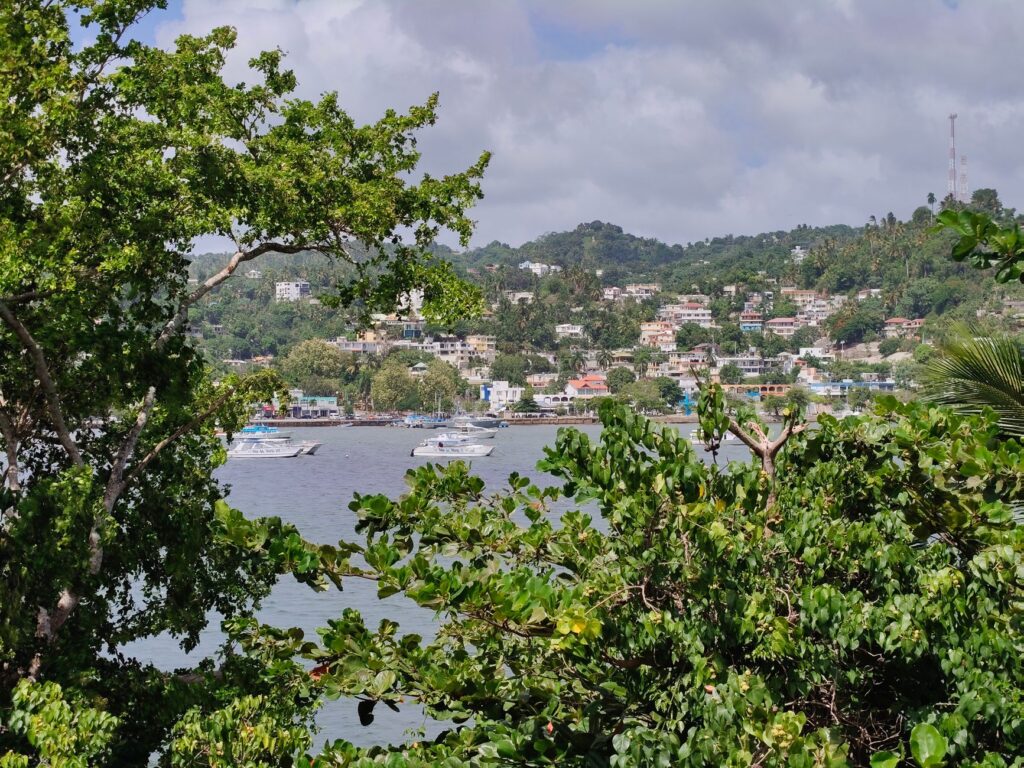
In the island’s northeast, the Samaná Peninsula offers a geographically secluded territory characterized by densely wooded hills dropping abruptly into turquoise coves. This relative isolation, historically broken by the presence of communities of freed nineteenth-century North American slaves, has preserved marine and terrestrial ecosystems of exceptional ecological value. The mangroves of Los Haitises, a conical karst landscape covered in vegetation, shelter caves with Taíno rock art testifying to early island settlement.
Between January and March, Samaná Bay becomes the stage for one of the Caribbean’s most impressive natural spectacles: the arrival of thousands of humpback whales from the North Atlantic to breed and calve in warm waters. This biological phenomenon has fostered a regulated observation model balancing tourism interests with strict cetarean protection. Local operators, trained in international whale-watching protocols, guide visitors in smaller boats, minimizing acoustic and environmental impact on wildlife.
- Los Haitises National Park and its karst formations.
- Samaná Bay Marine Mammal Sanctuary.
- Salto El Limón waterfall, accessible on foot or horseback.
- African-descendant communities in Las Terrenas and Santa Bárbara.
Samaná’s tourism development has been marked by tension between large-scale hotel investment and the conservation of artisanal coastal lifestyles. Despite highway openings shortening travel times from the capital, the peninsula preserves corners where artisanal fishing and coconut- and seafood-based cuisine remain pillars of domestic economy.
The Sonic Culture: Beyond Commercial Rhythm
Understanding Dominican society is impossible without examining its sonic universe. While merengue and bachata have conquered global stages as symbols of national identity, their daily practice in working-class neighborhoods retains an essential social function of cohesion and catharsis. Typical merengue, played with accordion, güira, and tambora, maintains irreplaceable community relevance in rural Cibao, tied to patron saint festivals and weekend family gatherings.
Meanwhile, bachata, born in urban and rural peripheries as an expression of melancholy and heartbreak, has traveled from marginality to UNESCO Intangible Cultural Heritage status. This historical journey reflects popular culture’s capacity to transform social pain into universally recognized art. In neighborhood colmados, music functions as a shared public space where daily tensions are negotiated and community belonging is celebrated.
Music in the Dominican Republic is not mere entertainment; it is the emotional archive where the people record their joys, migrations, and grief.
Studying these musical expressions also reveals the influence of Antillean and Afro-descendant currents challenging official narratives of cultural whitening promoted during specific historical periods. The confraternities of the Congos de Villa Mella, with ancestral drums and syncretic worldview, represent a living link to African traditions surviving colonial slavery trauma.

Practical guide
Planning a rigorous trip to the Dominican Republic requires shedding the notion of a homogeneous destination and selecting regions based on specific interests in nature, history, or culture.
- How to get there: The country features several international airports, with Las Américas (SDQ) in Santo Domingo and Punta Cana (PUJ) serving as primary hubs. For mountain routes, Cibao International Airport (STI) in Santiago is most convenient.
- Internal transport: Car rental is recommended for exploring mountain zones and the Samaná Peninsula. Long-distance intercity bus networks efficiently connect major cities, though access to remote beaches and rural areas typically requires local transport or organized excursions.
- Climate and seasonality: The dry season runs from December through April, serving as the ideal period for outdoor activities and whale watching. Summer and autumn months coincide with the Atlantic hurricane season, making up-to-date weather forecasts essential.
- Essential gastronomy: Dominican cuisine revolves around the ‘bandera dominicana’ (rice, beans, and meat), green plantains prepared as mangú, and a rich variety of coastal fish and seafood. Dining in local markets and small figones is recommended to experience traditional home cooking.
- Entry requirements: Citizens of the European Union and North America generally require a valid passport and the completion of a digital electronic entry and exit form (E-Ticket) prior to boarding.
The Human Pulse of Insular Hospitality
At journey’s end, beyond tourism statistics and diverse landscapes, what endures in the traveler’s memory is the density of the human factor. Proverbial Dominican hospitality is not a purchased service for visitors, but a social relationship rooted in neighborly solidarity and pride in sharing one’s environment. On rural porches, busy capital sidewalks, or Samaná fishing boats, interpersonal encounters occur without the mercantile mediations characterizing exclusive mass tourism enclaves.
This welcoming capacity contrasts with daily socioeconomic difficulties faced by significant portions of the population, recalling that national well-being is an ongoing construction process. The Dominican Republic thus reveals itself as a dynamic society, conscious of its colonial and slave past, yet firmly turned toward reinventing its future. For those daring to look beyond vacation catalogues, the island offers a rigorous, demanding, and deeply transformative travel experience.
Source in EN: Travel + Leisure en Español – República Dominicana, la tierra que lo tiene todo (https://news.google.com/rss/articles/CBMilAFBVV95cUxPMFBXcTVDdmxrdUJVUlpuM0ozeHBTX3RWaTktSVc0a1Z0T2ZXZE9yV2x3WnBNXzRSSEE5NmxfTURmcFAtcG9aTmJDeDM5VWN3bzF1bXI3ZURGTWFhS2VUMTdCSWdheXA0ZFh3T2RONUZYNF9LaTFwQm9fV2lvcUpFc2ZsVWlmZldBdExPYkNFRlBHeS02?oc=5)