
Introduction to the Relief and Historical Track
The territory of Upper Cerdanya, nestled in the heart of the Eastern Pyrenees, has historically depended on its capacity to defy verticality. For centuries, mountain passes and granite gorges imposed severe isolation on local communities, limiting trade and human transit to bridle paths that became impassable during harsh winters. The arrival of the railway at the beginning of the twentieth century did not merely represent a civil infrastructure project, but a radical mutation in how the landscape was inhabited, connecting inaccessible valleys with the Roussillon plain through a bold feat of engineering.
This report examines the route of the celebrated yellow train, known locally as the Train Jaune, a metric adhesion and rack railway line winding through the heights between Villefranche-de-Conflent and Latour-de-Carol. Spanning over sixty kilometers of meandering track, the convoy tackles six percent gradients and crosses vertiginous abysses over suspension bridges and hand-cut stone viaducts. The symbiosis between mechanical ingenuity and Pyrenean geology creates a landscape where technical progress integrates with absolute respect for the natural environment.
Conquering Verticality: Engineering and Railway Design
The construction of this railway required unprecedented technical solutions within the European orography. Engineers of the era had to chart a path capable of overcoming an elevation gain exceeding one thousand meters within a few kilometers, resorting to a mixed system of adhesion and rack mechanisms on the steepest sections. Precise planning in slope design and the manual excavation of tunnels through live rock defined a decade of titanic works that mobilized thousands of laborers under extreme conditions of climate and altitude.
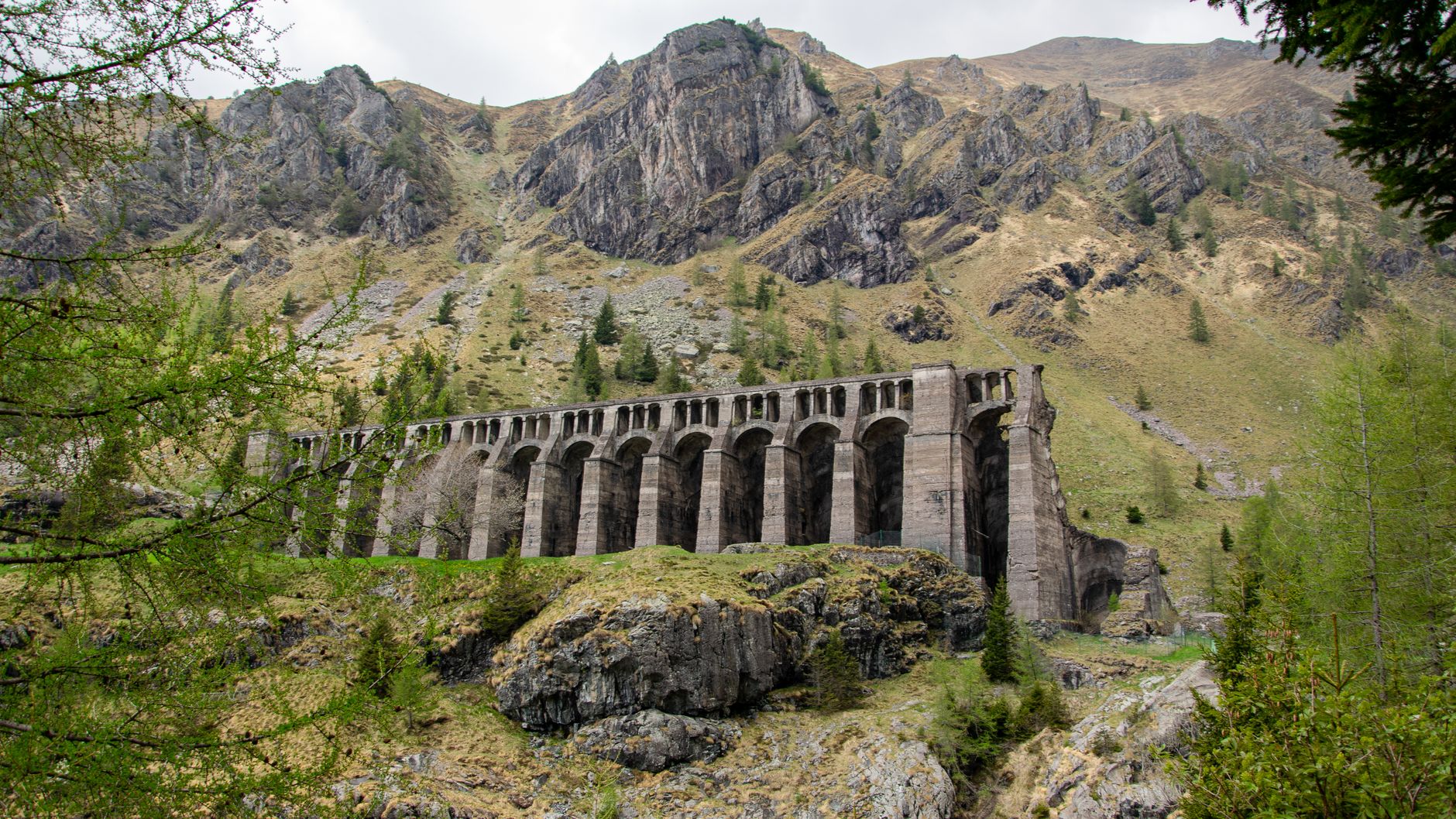
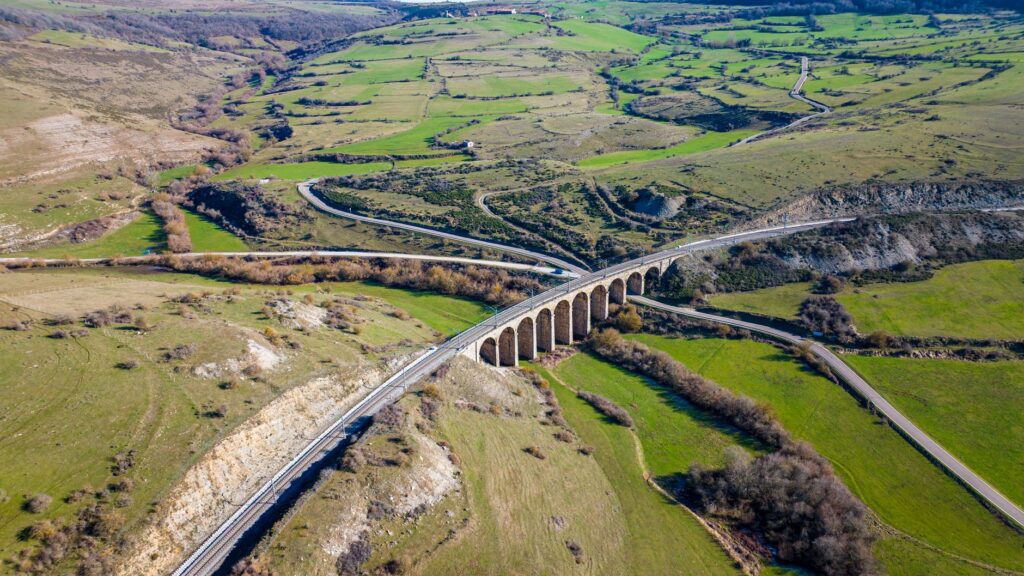
Each bridge and viaduct along the route responds to an architectural typology adapted to local materials. The use of grey granite quarried from the very slopes ensures that the structures blend seamlessly with the steep hillsides, avoiding the visual impact of modern concrete. The Gisclard bridge, a masterwork of steel and stone suspension, and the Séjourné bridge, featuring superposed arches, continue to operate with the exact structural reliability for which they were conceived over a century ago.
High-Mountain Architecture and Stone Refuges
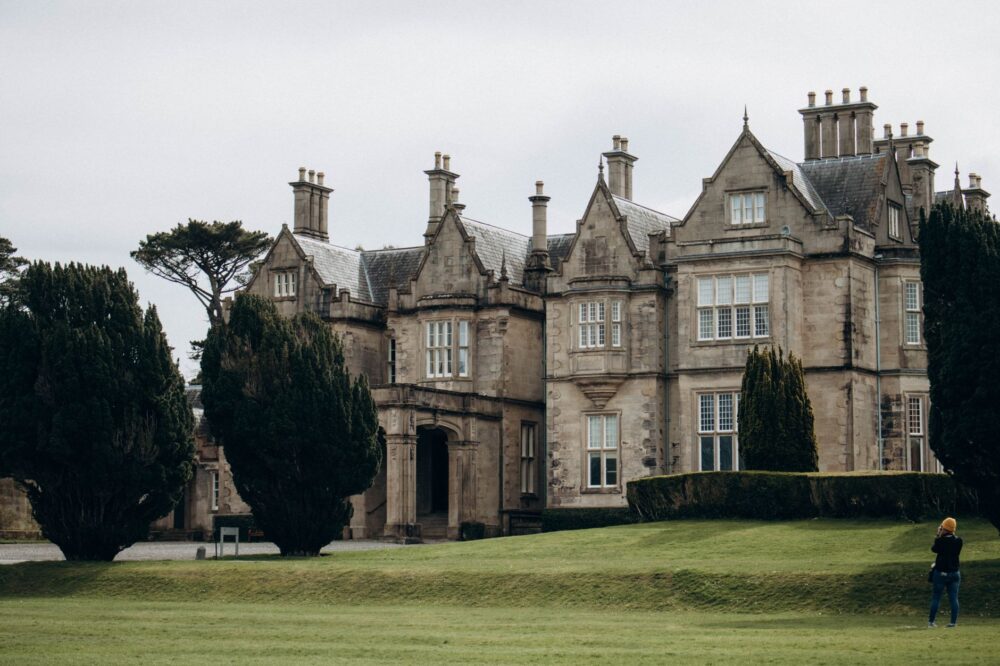
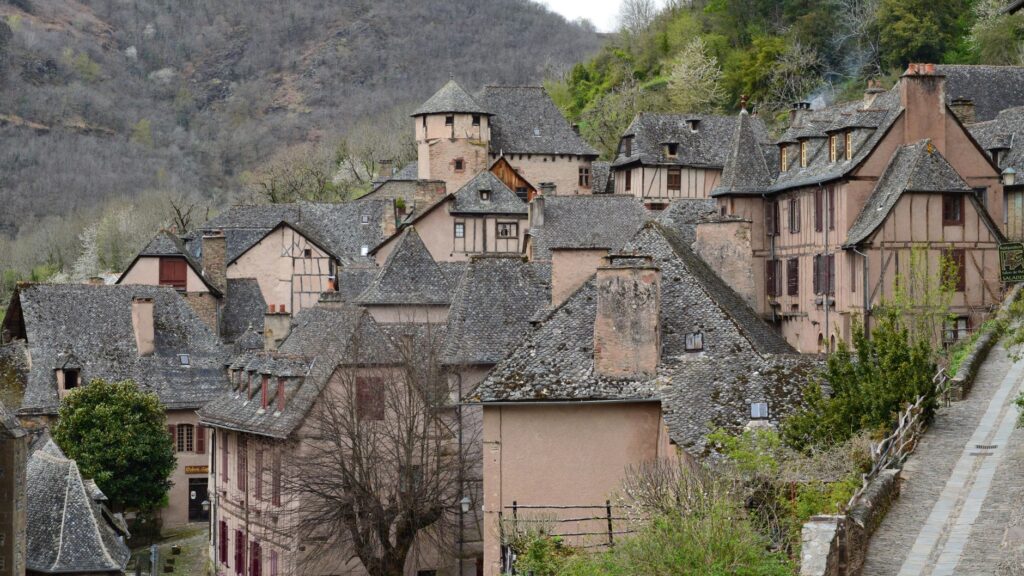
As the convoy ascends toward the Cerdan plateaus, vernacular architecture undergoes a traditional transformation. Traditional stone houses with dark slate roofs and thick walls give way to constructions adapted to the rigors of alpine weather. Steeply pitched gabled roofs and small windows shielded from blizzards reflect a millenary adaptation to the high-mountain continental climate, where thermal insulation is vital for human survival during months of persistent snowfall.
Railway stations, conceived as small administrative and service citadels, maintain a uniform aesthetic based on exposed masonry and wooden frames painted in ochre and reddish tones. These buildings not only served the technical function of traffic control and water supply for early steam locomotives, but also functioned as community hubs where residents of isolated hamlets collected mail, supplies, and news from the outside world.
The Pulse of the Valleys: Pastoral Economy and Black Pine Forests
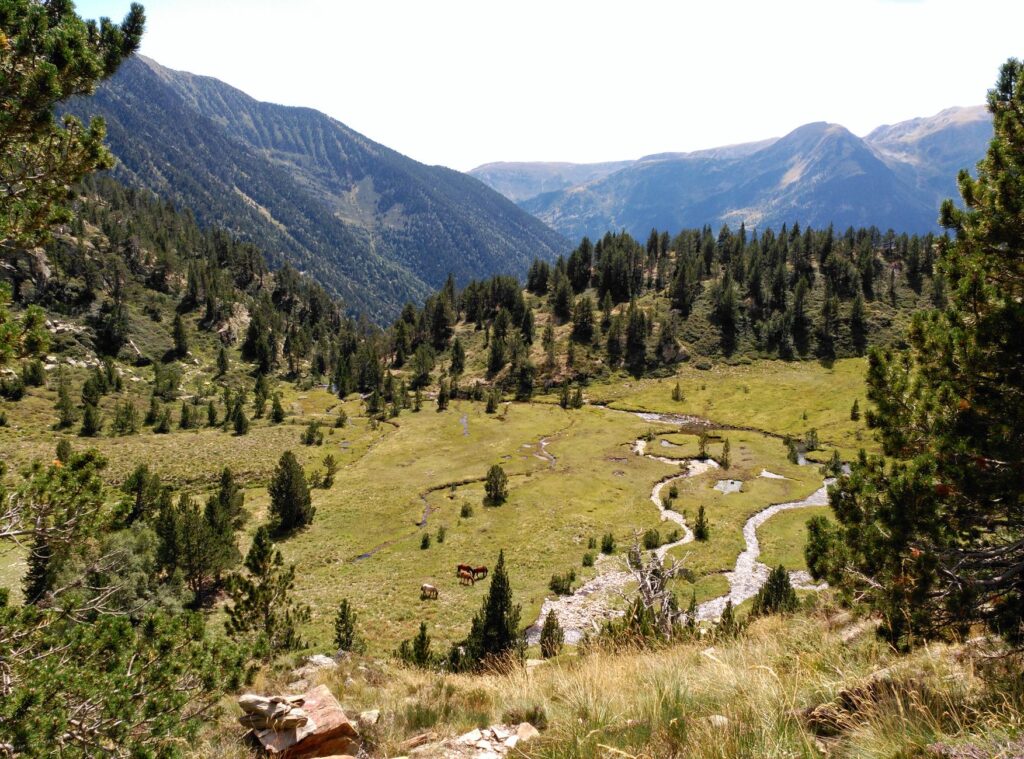
The ecosystem traversed by the railway line is dominated by dense forests of black pine, fir, and alpine meadows where herds of native horses and cattle graze. This traditional mountain economy, based on seasonal transhumance and sustainable forestry management, has shaped a singular landscape mosaic. Communal pasture management has prevented uncontrolled slope erosion and preserved the endemic biodiversity of the Eastern Pyrenees against the advance of invasive scrubland.
Local communities have successfully integrated the influx of visitors generated by the tourist train with their secular activities, avoiding the folklorization of their culture. Local markets in towns such as Mont-Louis or Font-Romeu offer products protected by designations of origin, ranging from artisanal raw milk cheeses to high-altitude cured sausages, ensuring that tourism acts as an engine for socioeconomic preservation rather than patrimonial degradation.
The train is not merely a mode of transport; it is the thread that stitches the silence of the high mountains together with the unhurried rhythm of communities that refuse to abandon their valleys.
The Geography of Water: Torrents, Dams, and Microclimates
Water is the invisible sculptor of the Cerdan landscape. The railway runs parallel to vigorous watercourses such as the Têt River, whose waters descend furiously from glacial cirques down to the Mediterranean. Along the journey, small diversion channels and ancient hydroelectric infrastructure demonstrate how water power has been harnessed since the early twentieth century to drive both local industrialization and the railway’s own direct-current electrification system.
This hydrological regime generates singular microclimates on valley floors, where winter thermal inversion contrasts with intense summer insolation. Exceptional solar radiation in Cerdanya, exceeding two thousand five hundred hours of sunshine per year, has transformed the region not only into an agricultural benchmark but also into a hub for scientific and astrophysical research, housing cutting-edge facilities like the Mont-Louis solar furnace, a pioneer in concentrated thermal energy.
The Culture of Silence and Patrimonial Resistance
Inhabiting Upper Cerdanya involves embracing a form of cultural resistance grounded in quietude and respect for natural cycles. Far from the hustle and bustle of major coastal urban centers, the villages of this Pyrenean corridor preserve a complex identity, marked by their borderland status and the historical use of crossed languages and traditions between Catalonia and France. Intangible heritage manifests in patron saint festivals, autumnal livestock fairs, and a subsistence gastronomy transformed into high mountain cuisine.
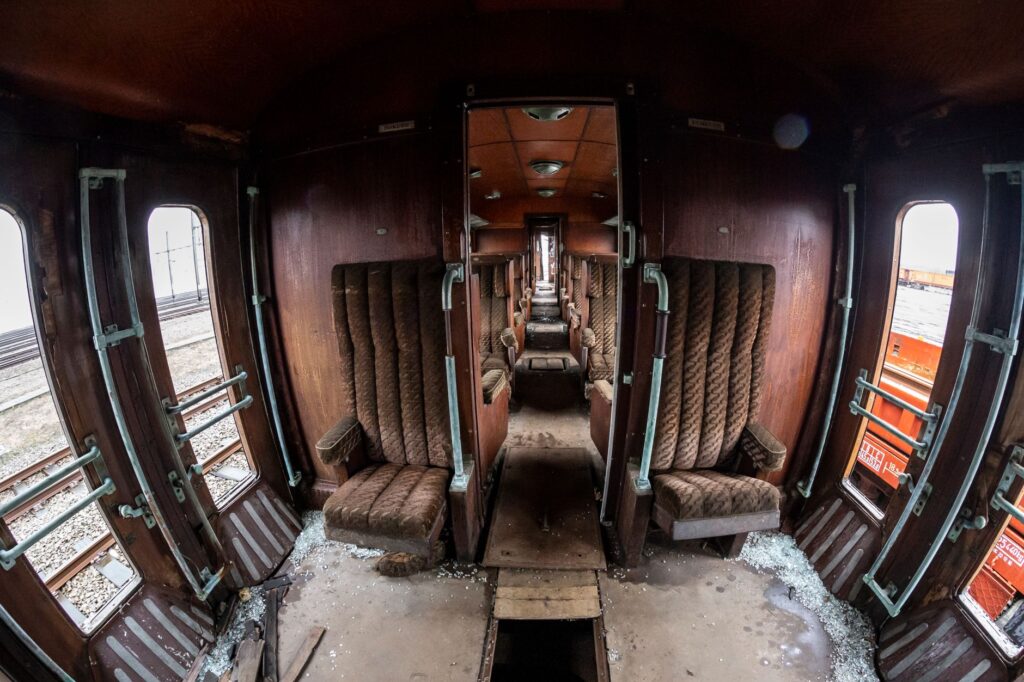
Local institutions and heritage associations play a fundamental role in conserving the historic carriages of the yellow train, popularly known as canary cars due to their distinctive yellow and red livery. These vehicles, artisanally restored while respecting original materials of hardwood and brass, allow contemporary travelers to experience the crossing in the exact same manner as the pioneers of the Catalan bourgeoisie and local muleteers did at the beginning of the last century.

Preserving slowness in a world obsessed with speed is the ultimate act of cultural sovereignty granted to us by high-mountain railways.
Practical guide
Planning a trip to Upper Cerdanya and riding the historic yellow train requires understanding its technical and climatic specificities. Below are the fundamental aspects for a rigorous and territory-respectful visit:
- How to get there: The main railway access is via the SNCF network from Perpignan to Villefranche-de-Conflent, the starting point of the metric line. By car, the N-116 route crosses the Têt gorge.
- Service operation: The line operates year-round, although schedules vary by season. It is recommended to check maintenance notices on the official website of the French regional railway company.
- Open-air carriages: During the summer months, cars with open platforms are deployed, ideal for landscape photography. Warm clothing is essential even in summer due to sudden altitude temperature drops.
- Accommodation and gastronomy: Prioritize small family-run hotels and rural guesthouses in towns like Font-Romeu, Saillagouse, or Latour-de-Carol to support the low-intensity local economy.
- Code of conduct: Littering in protected natural environments is strictly prohibited, and absolute respect for private grazing lands and free-roaming livestock is required.
Epilogue at the Final Station: The Embrace of the Alpine Wind
When the convoy finally comes to a halt at the Latour-de-Carol station, the traveler experiences a strange sensation of temporal decompression. The metallic murmur of electric motors slowly fades, giving way to the constant whistling of the wind descending from the border ridges. On the platform, the mixture of languages and the light vapor exhaled by breath beneath the clear afternoon sky remind us that we are at a meeting point between worlds, where political borders blur before the imposing presence of the mountain range. The steel tracks continue their journey toward Barcelona or Toulouse, but the memory of viaducts suspended over the void remains intact, etched onto the retina as an enduring testimony to the human will to inhabit the inaccessible.