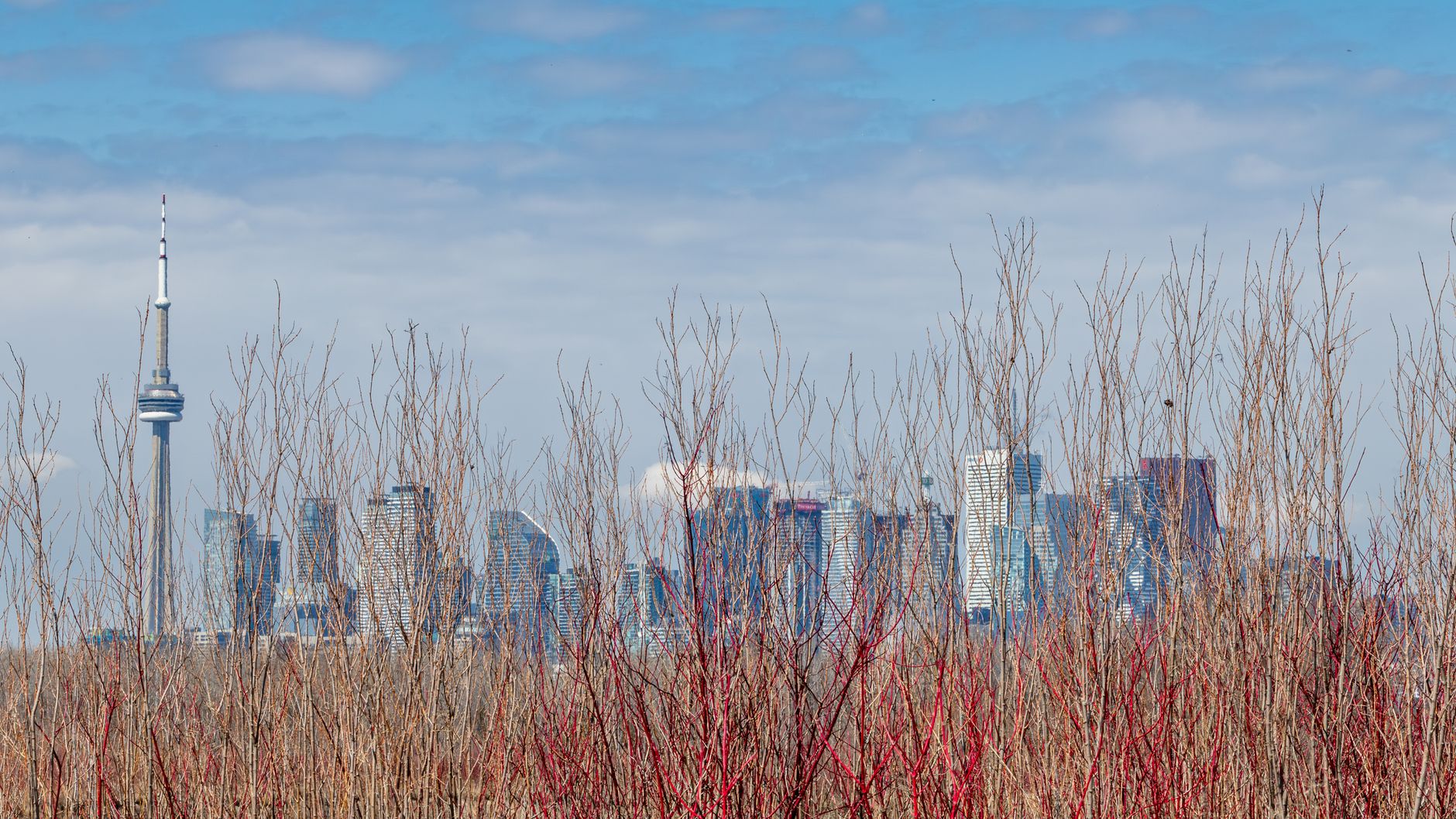

Toronto roars with the relentless energy of one of the most multicultural metropolises on the planet—a conglomerate of glass towers, vibrant alleyways, and overlapping communities that define Canada’s economic and cultural pulse. Yet, even on the most dynamic days, the vastness of Ontario exerts a quiet centrifugal force. As soon as one leaves the dense asphalt of the Gardiner Expressway or ventures beyond the boundaries of the greenbelt, the landscape transforms radically. The urban skyline gives way to agricultural valleys carved by ancient glaciers, limestone cliffs that defy time, and mirror-like lakes reflecting the immensity of the Great Lakes. Planning an exit from the city is not merely an act of seasonal escapism, but an exercise in territorial understanding. In 2026, when tourism increasingly demands conscious and unhurried connections, the routes radiating from Union Station or the highway distributors acquire a renewed sense of discovery.
This report examines the most robust and accessible exploration options within a prudent radius from Toronto’s financial core. Through a geographic, historical, and cultural analysis, we strip these journeys of the empty clichés of commercial guidebooks to focus on what truly matters: the texture of riverside towns, the geology of the waterfalls, and the wine valleys that have redefined their identity over the past decade. It is not about hastily accumulating miles, but about understanding how the surrounding territory nourishes, sustains, and balances Toronto’s urban life. The following lines propose a rigorous cartography for those who wish to look beyond the CN Tower and comprehend the deep heartbeat of Ontario.
The Geography of Water: Unraveling the Power of Niagara
It is impossible to discuss memorable excursions from Toronto without focusing southward toward the geographical point where the Niagara Peninsula marks the natural border with the United States. The Queen Elizabeth Way leads inexorably toward one of the most documented natural spectacles in modern history: Niagara Falls. The colossal force of this waterfall system—composed of the Horseshoe Falls, the American Falls, and the Bridal Veil Falls—has captivated engineers, poets, and travelers since the 19th century. Yet, beyond the commercial artifice and theme parks that have proliferated in the urban surroundings on the Canadian side, the true value of the visit lies in understanding the geological mechanics of the phenomenon. Millions of liters of freshwater from the upper four lakes plunge every second over a rock ledge that slowly recedes due to erosion.
To appreciate this wonder without the filter of summer crowds, experts recommend arriving early and accessing the lower gorge trails directly. The perpetual breeze, laden with negative ions and a dull roar that resonates in the chest, offers a visceral sensory experience. The roar of the water acts as a forceful reminder of geological scale against the ephemeral human presence. Descending in the historic funicular and walking along the White Water Walk boardwalks, one realizes that the Niagara River is not merely a tourist landmark, but a dynamic ecological corridor that has shaped the region’s economy and geopolitics for centuries.
The Winemaking Renaissance of the Niagara Valley
Just minutes away from the falls by car, following the winding regional route that runs beneath the shadow of the Niagara Escarpment, the landscape shifts registers radically. The south-facing slopes shelter a unique microclimate protected from Arctic winds by the rock formation itself and moderated by the proximity of Lakes Ontario and Erie. This geological and atmospheric combination has transformed the Niagara Valley into Canada’s most prestigious wine region. What began decades ago as an agricultural experiment focused on hybrid grapes has now consolidated into an internationally respected powerhouse, especially renowned for its icewines, cool-climate Rieslings, and Chardonnays.
Historic towns like Niagara-on-the-Lake act as the aesthetic epicenter of this district. With its well-preserved Victorian wooden houses, wrought-iron streetlamps, and horse-drawn carriages, the municipality has successfully maintained a 19th-century atmosphere that contrasts pleasantly with Toronto’s modernity. The heritage architecture of Queen Street is not an artificial film set, but the living testimony of a community that once served as the capital of Upper Canada and suffered devastating fires during the War of 1812. Today, touring family-owned vineyards and conversing with local winemakers reveals a collective effort to elevate the province’s viticultural standards without losing its anchor to the land.
Between Cliffs and Fossils: The Magic of the Northern Escarpment
If the Niagara Peninsula represents fertility and rushing water, heading north toward the Halton region and the foothills of the Niagara Escarpment offers a counterpoint of ancient stone and forest. Declared a UNESCO Biosphere Reserve, this geological formation winds for hundreds of kilometers from southern outposts to Manitoulin Island. Less than an hour and a half from Toronto, enclaves like Crawford Lake Conservation Area or the trails of Rattlesnake Point allow travelers to step into deciduous forests where ancient eastern white cedars still grow, impossibly clinging to vertical limestone walls.
The ecological fragility of these protected spaces demands respectful and conscious behavior from visitors. The Bruce Trail footpaths, Canada’s oldest and longest marked trail, cross this territory offering unmatched panoramic views over the surrounding agricultural valleys. At Crawford Lake, alongside the beauty of its meromictic waters—whose layers never mix due to their depth and small surface area—archaeological remains of a 15th-century Iroquoian village are carefully preserved. Reconstructions of longhouses and the interpretation of indigenous cultivation of corn, beans, and squash provide an indispensable anthropological anchor for understanding that these lands possessed a complex social and agricultural structure long before European settlers arrived.

The Sandy Sanctuary of Prince Edward County
Traveling eastward from Toronto along Highway 401 leads inexorably to Prince Edward County, an open-hand-shaped peninsula extending into the northern waters of Lake Ontario. For decades, this area was a tightly guarded secret known primarily to provincial residents—a rural corner of depressed agricultural economies where time seemed to move at a different speed. In recent years, however, the county has undergone a fascinating metamorphosis driven by chefs, artists, and winemakers who have revitalized century-old barns, local markets, and former canning factories, turning them into epicenters of sustainable design and gastronomy.
The area’s greatest natural attraction is Sandbanks Provincial Park, famous for its unique freshwater sand dunes—the largest of their kind in the world for a lake of this scale. The shifting dunes, shaped by the millennial action of wind and lake currents, create an almost desert-like landscape that contrasts fascinatingly with the turquoise, temperate waters of the Bay of Quinte. Walking along the ridge of these sand formations at sunset, when golden light bathes the surrounding forests, yields a sense of isolation and peace that feels therapeutic after the urban bustle. Nearby towns like Picton and Bloomfield complete the experience with antique shops, independent art galleries, and farm-to-table culinary ventures.
Wild Nature and Industrial Heritage Along the Waterway
For travelers seeking an experience where industrial heritage merges with river navigation and forested archipelagos, the eastward journey toward the Thousand Islands and the Saint Lawrence River offers a day of extraordinary contrasts. Although Kingston marks the formal boundary of Lake Ontario and the beginning of the river, day trips typically focus on nearby Gananoque and riparian provincial parks such as Charleston Lake. Here, the geography fragments into over eighteen hundred granite islands covered in white pines, where crystal-clear water conceals historic shipwrecks from the War of 1812.
The naval heritage of the area and the opulent mansions of the so-called «Gilded Age»—such as the famous Boldt Castle on Heart Island—remind visitors that this aquatic border was once a vital strategic arena for commerce and military power. Exploring the channel on smaller watercraft allows travelers to spot native wildlife, from ospreys to freshwater turtles sunning themselves on glacier-polished rocks. The combination of British colonial history, legends of North American magnates, and lush nature consolidates this route as one of the most complete for understanding Ontario’s frontier and aquatic character.
Practical guide
Planning a day trip from Toronto requires understanding the seasonality of continental climate and the specific traits of the provincial transportation network. While it is possible to use GO Transit rail services to reach strategic points like Niagara Falls or Barrie, the most efficient option for exploring natural parks, vineyards, and historic towns remains renting a private vehicle.

- Transportation: Renting vehicles with appropriate seasonal tires is strongly recommended. During winter and early spring, snow tires are mandatory on many secondary routes and guarantee safety against sudden snowstorms.
- Accommodation and Reservations: Highly popular provincial parks like Sandbanks or escarpment conservation areas require booking parking passes online in advance during weekends and the summer season to manage capacity.
- Gastronomy and Payments: Farmers’ markets and small wineries generally accept credit cards and contactless payment systems, but carrying some cash for small roadside agricultural stands is advisable.
- Environmental Rules: The Leave No Trace principle is strictly enforced. Littering, lighting fires outside designated areas, and disturbing local flora or fauna within protected reserves are prohibited.
The Intimate Pulse of the Ontarian Landscape
There is an exact moment, as dusk falls over Ontario’s secondary roads, when the silhouette of tractors stands out against a sky tinted violet and amber, and the urgency of the big city seems to melt away entirely. In that moment of silence, as the car’s engine slows down approaching a rural intersection where an old sign advertises local honey and freshly harvested apples, the true essence of these escapes reveals itself. It is not merely about checking destinations off a tourist list, but about tuning into the unhurried rhythm of a land shaped by water, ice, and the tenacious effort of generations. Returning to Toronto via illuminated highways no longer feels like a return to relentless routine, but rather a reunion enriched by the certainty that, just kilometers from the asphalt, Ontario always holds a corner ready to remind us of the right measure of time.
Sources: Ontario Ministry of Tourism, Culture and Sport; Niagara-on-the-Lake Historical Archives; Niagara Parks Commission; Ontario Parks. Source in EN