
The South Pacific is not merely a remote expanse of idyllic atolls and faded travel postcards; it is a vast amphibious territory where geography demands a constant negotiation between the open ocean and solid ground. At the heart of this ancient archipelago, the main island of Viti Levu acts as the gravitational axis upon which an intricate network of maritime transport, cabotage, and inter-island navigation revolves. Understanding mobility in this region requires shedding continental rhythms and embracing a cadence dictated by tides, coral reefs, and seasonal monsoons. Here, every tidal pier and every mailboat constitutes an authentic lifeline that binds together communities separated by dozens of nautical miles of deep, turquoise waters.
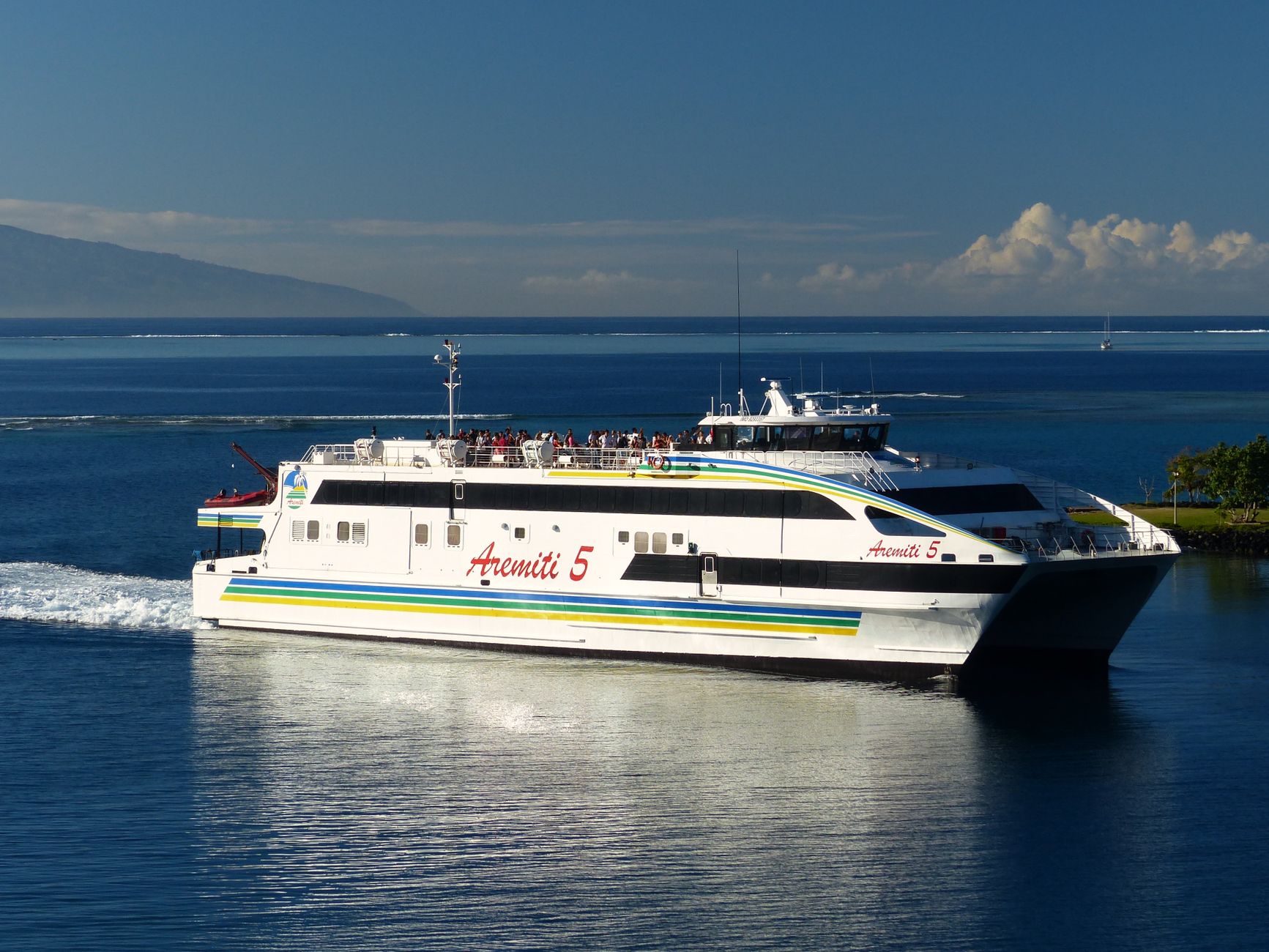
The backbone of this transportation system rests upon the port infrastructure of Suva and Lautoka, from where ro-ro cargo and passenger ferries, locally known as inter-island ferries, depart on regular schedules. These vessels transport not only passengers seeking administrative or educational services in urban centers, but also essential medical supplies, construction materials, and the harvests of cassava or kava that sustain the economy of the smaller islands in the Lomaiviti group and the Yasawa archipelago. Logistics here is a daily exercise of mathematical precision and seafaring patience, where experienced captains read currents with the same natural ease an urban driver interprets traffic lights on a major avenue.

The Architecture of Secondary Piers and the Cabotage Trade
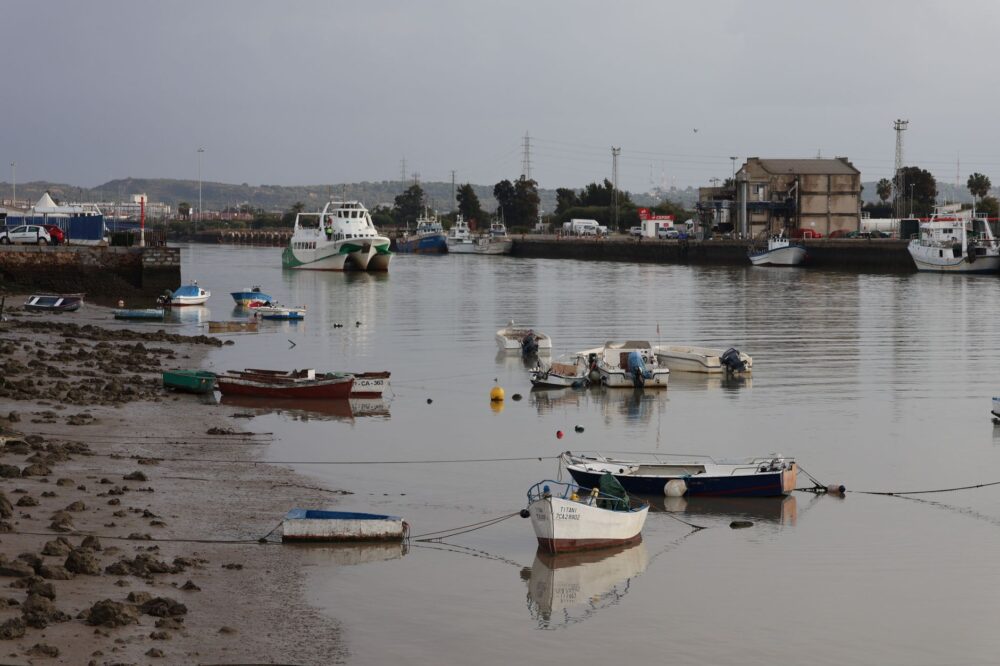
Along the southern coast and within the sheltered estuaries of Viti Levu, minor jetties operate as neural nodes of a subsistence and commercial exchange economy. Unlike deep-water docks capable of handling large merchant vessels, these artisanal concrete and hardwood wharves adapt minutely to the ocean’s ebb and flow. Spring tides can alter water levels by up to two meters within hours, requiring cargo handling and passenger boarding operations on cabotage boats to synchronize with absolute chronological exactitude. A delay of mere minutes can result in a vessel running aground in the coral mud until the next tidal cycle.
The traffic carried by these smaller vessels sustains a commercial network invisible to mass tourism. Small-scale merchants transport textiles, tools, and fuel to the most isolated communities, returning with baskets of fresh fish and sacks of copra. This symbiotic relationship between the mariner and the islander defines the regional economic identity. The survival of these communities depends directly on the reliability of their maritime routes, turning cabotage operators into true chroniclers of the archipelago’s social cohesion. Without this steady flow of medium-sized vessels, geographical fragmentation would condemn remote settlements to absolute isolation.
Traditional Technology Versus the Challenges of Modern Navigation
For centuries, mobility in Fiji relied upon the celebrated double-hulled canoes known as drua, vessels capable of traversing open ocean with remarkable hydrodynamic efficiency. Although modernity has substituted plant fibers and mat sails for steel hulls and high-powered diesel engines, the ancestral principles of Polynesian and Melanesian navigation remain fully relevant. Contemporary skippers inherit profound empirical knowledge regarding trade wind behavior, water coloration over submerged reefs, and cloud formation above volcanic peaks.
Nevertheless, the transition toward more efficient fleets encounters very specific contemporary logistical challenges. Rising fossil fuel costs and the need to age-appropriate an aging fleet test the financial sustainability of lower-density passenger routes. Insular connectivity cannot be understood as a mere commercial service, but rather as a fundamental right of territorial accessibility. In response, port authorities have promoted cross-subsidization programs and the gradual renewal of boarding gangways to guarantee accessibility for the elderly and heavy cargo without jeopardizing the financial health of local operators.
The Crucial Role of Mailboats in the Social Fabric
Beyond the transport of heavy freight, vessels dedicated to postal service and light passenger transport fulfill an irreplaceable function in the archipelago’s administrative and familial cohesion. These fast boats, popularly nicknamed mailboats, connect the most secluded anchorages with provincial hubs. Their decks bring together teachers commuting to rural schools, healthcare workers transporting vaccines in refrigerated containers, and elders visiting relatives on neighboring islands.

The rhythm of these voyages sets the pulse of community life. The arrival of the mailboat is a social event that draws the community to the main pier, serving as a gathering space where news is exchanged, handwritten letters are collected, and local council matters are debated. This direct human contact contrasts sharply with the cold digitization of modern communications, reminding us that in the South Pacific, interpersonal relationships still depend heavily on physical presence and the shared effort of navigating the same waters together.
The sea does not separate the islands of Fiji; it unites them through an invisible bridge of salt, memory, and millimeter-precise routes traced across the foam.
The Modal Shift: From Coastal Road to Amphibious Transit
The mountainous topography of Viti Levu has historically prevented the construction of an interior railway network or secondary roads capable of circumnavigating the island with fluidity. Queen’s Road and King’s Road, the two main arteries ringing the island perimeter, frequently suffer interruptions due to landslides during cyclone season and river flooding caused by torrential rains. Faced with these terrestrial vulnerabilities, the amphibious and coastal transport system acts as an indispensable safety valve and an irreplaceable logistical complement.
When roadways become blocked by mud or structural bridge damage, coastal communities resort to landing craft capable of transporting all-terrain vehicles and supply trucks directly to improvised beaches and ramps. This adaptive modal capacity demonstrates the structural resilience of the Fijian transport system. Intermodality here is not a European urban planning theory, but a daily survival strategy of economic mobility that allows heavy loads to shift smoothly from asphalt to ocean with remarkable efficiency.
Environmental Sustainability and Reef Protection Amid Maritime Traffic
The intensification of port activity and the constant transit of ferries and passenger boats present a critical challenge: preserving the fragile coral ecosystems surrounding navigation channels. Periodic dredging required to maintain water depths in secondary port approaches, combined with the potential risk of hydrocarbon spills, necessitates strict environmental protocols under the supervision of the Ministry of Waterways and Maritime Transport.
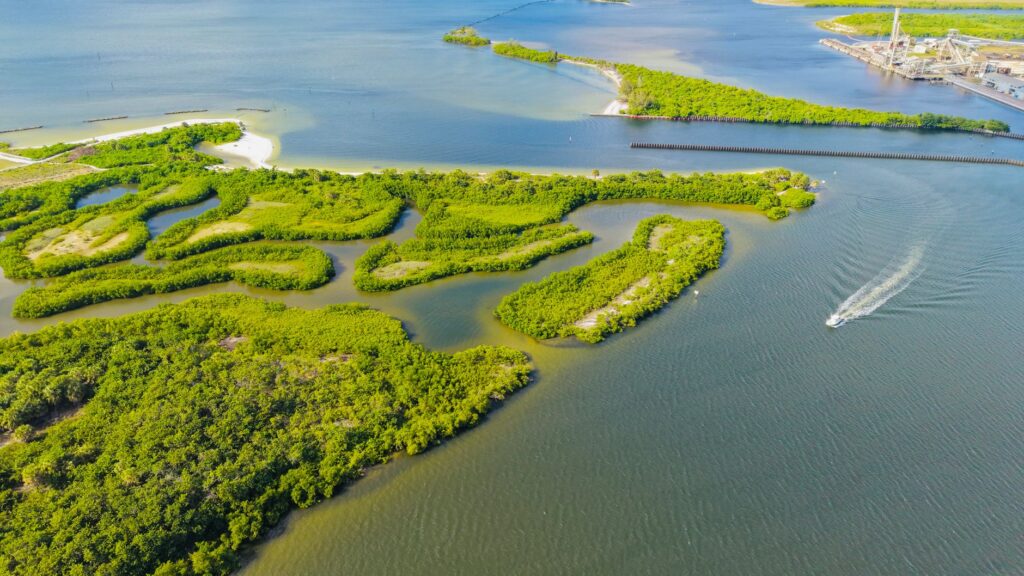
Current regulations mandate low-emission propulsion technologies and bilge water treatment systems across all commercial vessels operating in inland and protected waters. Furthermore, exclusion zones and mandatory routes have been established to prevent ferry wakes from eroding mangrove lines and damaging natural fish nurseries. Preserving the marine environment is therefore a sine qua non condition for the continuity of transport activity itself, operating within a delicate balance where economic development and ecological conservation must march inexorably hand in hand.

Practical Guide
Planning a journey across the maritime routes of Viti Levu and its adjacent archipelagos requires rigor, flexibility, and profound respect for the natural constraints of the environment.
- Route Planning and Operators: Major ferry companies, such as Goundar Shipping and Patterson Brothers Shipping, operate regular services from Suva and Natovi to Levuka, Vanua Levu, and Taveuni. It is essential to check schedules updated weekly at port ticket offices, as they are subject to constant modifications due to tides and weather.
- Ticketing and Reservations: Tickets for roll-on/roll-off ferries can be purchased directly at port terminals or through authorized agencies in Suva and Lautoka. Booking at least forty-eight hours in advance is strongly advised during local holiday periods and traditional festivities.
- Luggage and Weight Restrictions: Unlike commercial air transport, maritime cabotage often allows greater baggage flexibility, but bulky or commercial goods must be declared and pay specific freight tariffs before boarding at the pier.
- Weather Conditions and Seasonality: The cyclone season in the South Pacific officially extends from November to April. During these months, fast boat services and ferries may be suspended without prior notice due to severe weather alerts issued by the national meteorological service.
- Code of Conduct at Piers: Rural jetties are communal spaces governed by strict codes of cultural respect. Modest attire covering shoulders and knees is mandatory, and permission should always be requested before photographing cargo operations or local workers.
The traveler who understands the rhythm of tidal piers in Fiji discovers that the true luxury of the Pacific lies not in artificial isolation, but in deep synchronization with the pulse of a sea that connects everything.
At dusk, as the silhouette of the volcanic peaks merges with the indigo hue of the ocean and the last bundles of cargo are secured with thick hemp ropes on the Suva wharf, the exact scale of this collective endeavor becomes vividly clear. Transport in Fiji is not a mere technical cog; it is the daily pulse of an amphibious civilization that has successfully turned the immensity of the ocean into its shared home.