The Roots of the Slope: The Geographical Challenge of Las Hurdes
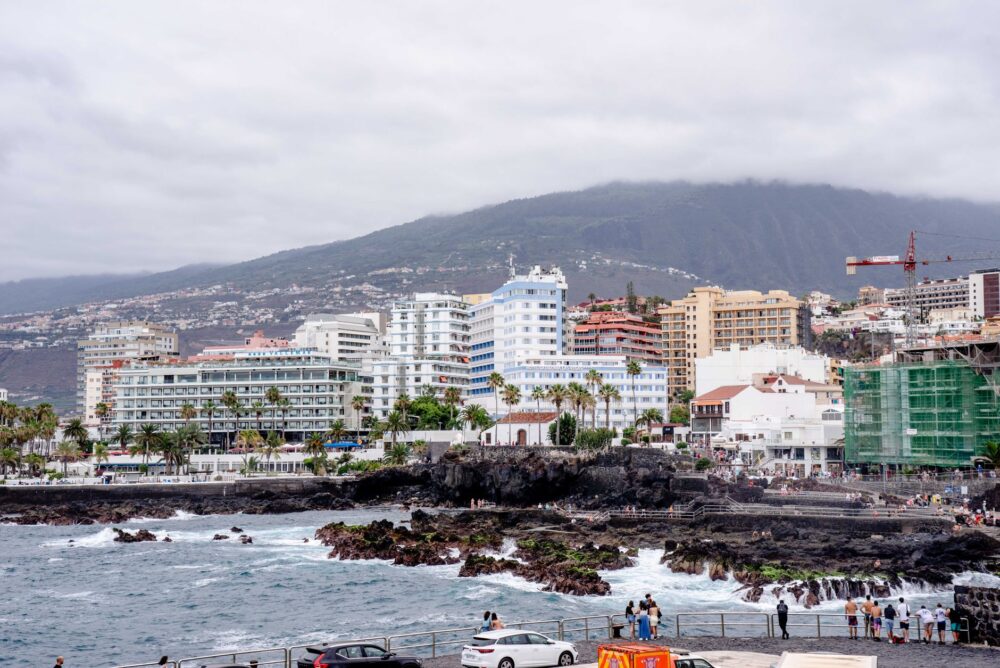
Extremadura’s rugged topography has dictated a relationship of resistance and adaptation with the landscape for centuries. In northern Cáceres, the Las Hurdes region stands as a bastion of enclosed valleys, near-vertical slate slopes, and river courses winding through impossible terraced fields. This geographical isolation, which in the past condemned its people to administrative neglect and precarious communication based on bridle paths, has today become the epicenter of a pioneering model of sustainable mobility. Far from seeking solutions in massive asphalt paving or the opening of major highways that would fracture the fragile landscape balance, local administration and neighborhood cooperatives have opted for a low-impact transport network adapted to the steep topography.
The core of this transformation lies in the recovery of ancient livestock routes and dry-stone paths, complemented by a solar-powered cable car infrastructure designed for the supply of local agricultural products and the transit of residents in hard-to-reach settlements. This intervention not only addresses an imperative logistical need, but also raises a profound reflection on how rural tourism and mobility can coexist without altering the essence of the environment. Slate, omnipresent in vernacular architecture and the retaining walls supporting the terraces, now acts as the guiding thread of a narrative where movement slows down to integrate into the natural rhythm of the valley.
Invisible Engineering: The Solar Cable Car Network
The technological heartland of this new transport paradigm is found in cable transport installations powered entirely by local photovoltaic energy storage. Given the technical impossibility and high environmental cost of tracing secondary roads on slopes exceeding sixty percent, engineers chose to adapt historical cargo technologies to 21st-century standards. These systems connect historical hamlets that used to be cut off during torrential rain episodes or winter snowfalls, ensuring a constant flow of basic supplies and reducing direct carbon emissions associated with conventional motorized transport to zero.
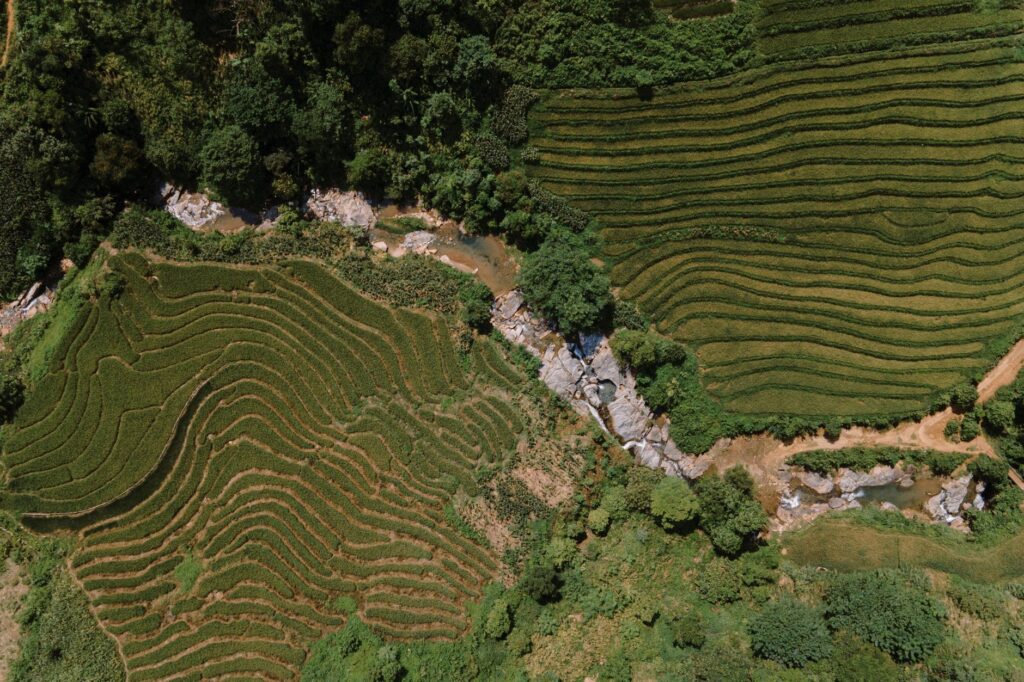
Each charging station has been seamlessly integrated into the landscape using local slate slabs and traditional masonry to conceal the traction mechanisms. Maintenance of these lines is carried out by brigades trained within the region itself, generating specialized employment and reinforcing a sense of community belonging. Data provided by the commonwealth indicates that this system has reduced off-road vehicle use on forestry tracks by more than forty percent, significantly lowering soil erosion and disturbance to native fauna, especially protected species such as the black stork and cinereous vulture.
Cable Architecture and Visual Integration
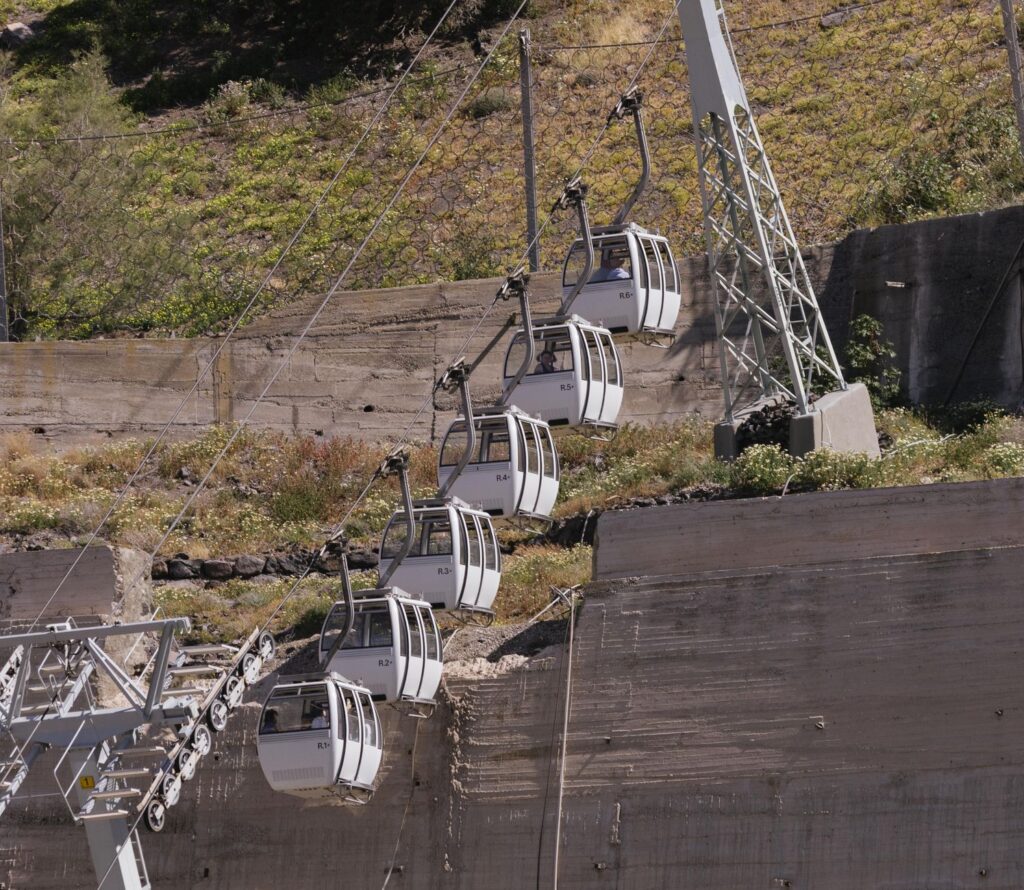
To minimize visual impact in an area declared a Protected Landscape, the layout of the suspension cables was concealed through low-profile topographical studies, avoiding the felling of mature trees on the slopes. The cabins, featuring a lightweight design and modular capacity, alternate cargo transport with the mobility of hikers and local residents, optimizing every journey.
This technical solution demonstrates that rural development does not necessarily require the imposition of standardized urban infrastructure, but rather a reinterpretation of civil engineering on a human scale. The energy efficiency of the electric motors, combined with state-of-the-art lithium batteries charged in the sunniest spots of the rocky crests, ensures operational autonomy even during the winter months with the lowest solar radiation.
The Rebirth of Dry-Stone Paths
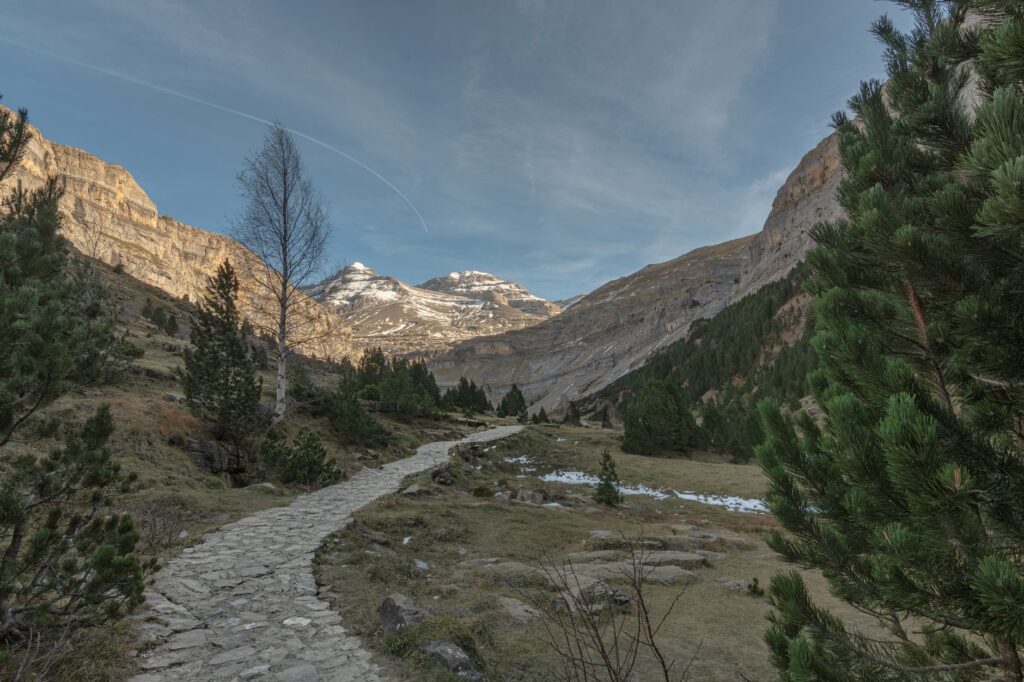
Alongside cable innovation, pedestrian and cycling mobility has undergone a quiet revolution through the comprehensive restoration of the historical bridle path network. These trails, built stone by stone by past generations to connect hamlets separated by mere linear kilometers but vast orographic chasms, were in an advanced state of deterioration due to rural abandonment in the mid-20th century. Today, their recovery responds to rigorous heritage and ecological criteria, supervised by master stonemasons who preserve the traditional dry-stone construction technique.
The consolidation of these routes not only promotes low-intensity hiking and mountain cycling, but also restores everyday connectivity between neighboring villages. Local residents are recovering the habit of traveling on foot or via electrically assisted bicycles for short journeys, discouraging the use of private automobiles. This return to paced movement strengthens social cohesion and allows travelers to immerse themselves in the region with an insightful perspective, understanding that the territory is not a mere backdrop, but a living space shaped by human toil and ingenuity.
True connectivity in the mountains is not measured by the speed at which one crosses the territory, but by the ability to inhabit it without leaving indelible scars on stone and water.
The economic impact of this network of restored paths is evenly distributed among small rural lodgings, local olive oil mills, and traditional bakeries. Visitors who hike the trails of Las Hurdes access a de-seasonalized tourism offering that values silence, gastronomy based on chestnut and apiculture products, and respect for the ecological cycles of water.
Downstream Mobility: Water Management and Sustainable River Transport
The transport system in Las Hurdes is completed by a complementary network of downstream river mobility, utilizing the channels of the Hurdano and Malvellido rivers via modular floating walkways and lightweight solar-powered boats for riverbed maintenance and cleaning. This aquatic infrastructure avoids opening forestry tracks parallel to the riverbanks, protecting the fragile riparian ecosystems inhabited by otters and Pyrenean desmans.
The management of these river transport resources is coordinated through local mobility tables involving farmers, tour operators, and forestry agents. This shared governance model ensures that decisions on frequencies, load capacity, and access restrictions adapt in real time to hydrological conditions and avian nesting seasons, preventing tourist overcrowding during summer weekends.
Socioeconomic Challenges and Generational Turnover
Despite technical advancements and the consolidation of environment-friendly infrastructure, the Las Hurdes region faces the demographic challenge common to much of Spain’s interior: an aging population and the difficulty of retaining youth. The implementation of innovative and clean transport systems specifically seeks to reverse this trend, offering reliable connectivity that enables remote work and local entrepreneurship without the need to migrate to major provincial urban centers.
Agricultural cooperatives play a fundamental role in this machinery. Relying on solar-powered cable cars and restored paths, they can dispatch their production of designation-of-origin honey, extra virgin olive oil, and cherries to regional distribution centers with a minimal carbon footprint. This logistical argument has become a differential added value in European markets, where consumers demand transparent and sustainable traceability from origin to point of sale.

Practical guide
How to get there: The main access to the Las Hurdes region is by road via the EX-204 from Plasencia or Coria. The use of efficient vehicles or regional bus lines connecting with the Plasencia railway station is strongly recommended.
When to travel: Spring months (April to June) and autumn (October to November) offer optimal weather conditions for hiking the trails and enjoying the landscape with lower thermal impact and crowds.
Local mobility rules: Transit via the solar cable cars is regulated to prioritize local goods and resident travel; visitors have specific schedules posted at the interpretation centers in Pinofranqueado and Caminomorisco.

Accommodation and services: The hospitality offering is concentrated in small rural guesthouses and accommodations retrofitted with energy-efficiency criteria. Advance booking is essential due to the limited carrying capacity of traditional hamlets to preserve environmental tranquility.
The Pulse of Slate: Memory and Future on the Hurdano Horizon
At twilight, when the last rays of sunlight ignite the slate crests of Las Hurdes, silence reclaims its dominion over the valleys. The cabins of the solar cable cars gently halt at their hidden stations, and the dry-stone paths are handed over to the leisurely pace of the night breeze. This fragile balance between technological modernity and fidelity to the landscape proves that sustainable mobility is not an abstract utopia, but a daily discipline based on rigorous respect for the physical limits of the territory.
For travelers venturing into this region of Cáceres, the experience transcends simple vacation travel. It becomes an exercise in introspection and learning on how to inhabit the contemporary world with less urgency and greater awareness. Las Hurdes, once a symbol of involuntary isolation, now proudly stands as a beacon of smart connectivity, proving that the true wealth of a territory lies in its capacity to reinvent itself without losing its soul.