
Introduction to the Heart of Abastos
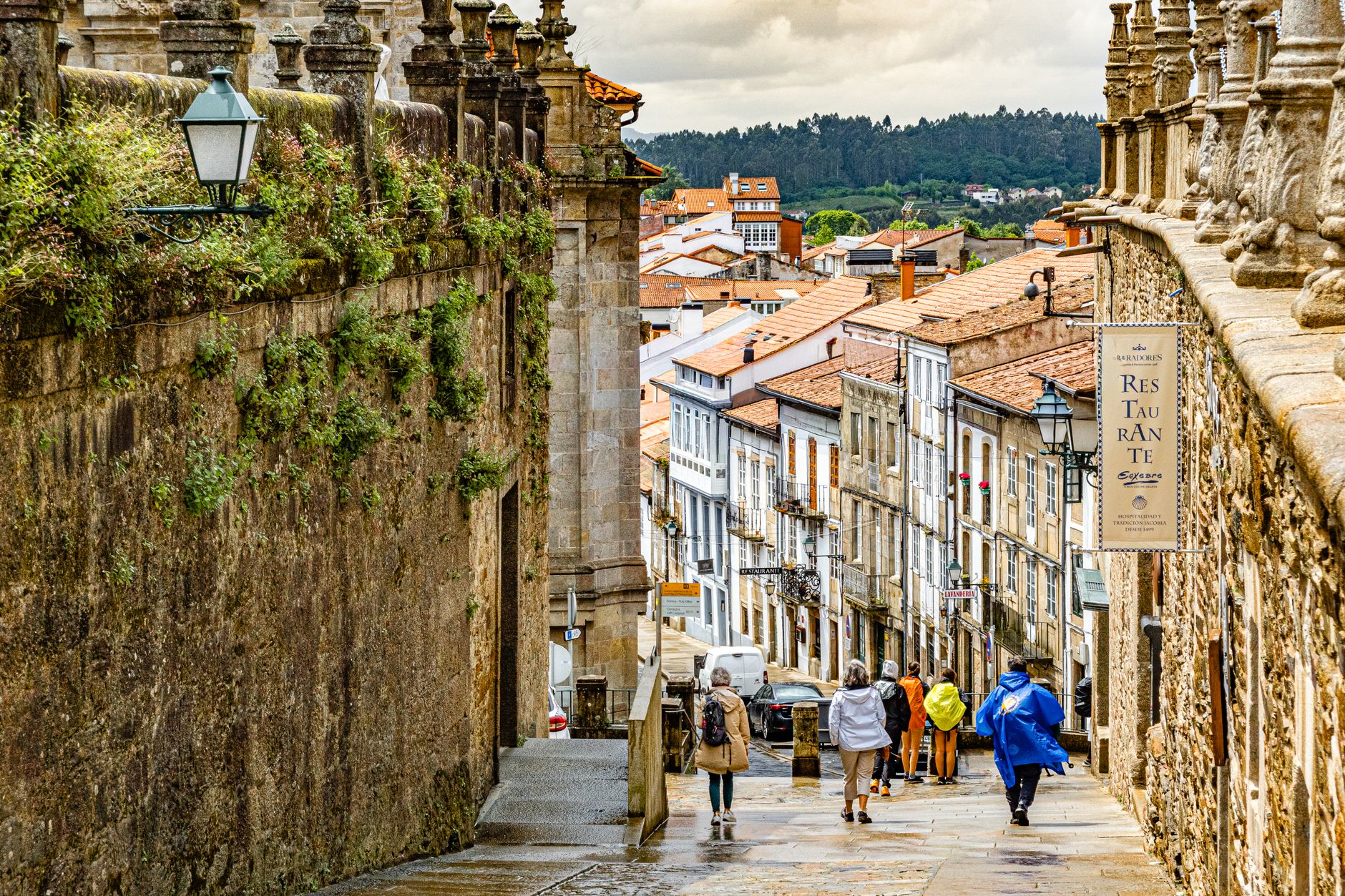
Dawn over Santiago de Compostela is measured not solely by the first rays of light brushing the cathedral towers, but by the quiet yet steady bustle that begins to stir within the bowels of its main market. Located on the western edge of the historic old town, the Mercado de Abastos is far more than a simple provisioning center; it is the social and cultural heartbeat of a city that has managed to preserve its rural pulse well into the twenty-first century. Within its granite walls, the stories of female vendors who have spent decades behind their counters intersect daily with the curious gazes of travelers seeking to understand the deep soul of Galicia through its pantries.
Stepping into this venue is an exercise in sensory archaeology. Here, the air is thick with complex aromas where the dampness of ancient stone mingles with the pungent perfume of mold-rinded cheeses and the saline trace arriving directly from the Atlantic estuaries. Each stall functions as a living archive of collective memory, a space where seasonal produce dictates the rhythm of life and where leisurely conversation remains the most valuable currency of all.
The Architecture of Provision and Living Stone
The current building, inaugurated in 1941 to replace the older market located in Praza de A Quintana, is a masterpiece of functional architecture adapted to the monumental character of the Galician capital. Designed by architect Joaquín Vaamonde, the complex combines the sturdiness of Galician granite with an interior structure engineered to maximize natural light and ventilation. The main naves, popularly known as the meat and fish halls, are organized into parallel aisles that evoke the floor plan of a basilica church, dedicated in this case to the secular worship of good dining.
Stone columns support high ceilings of noble wood that muffle the morning hubbub, creating a peculiar acoustics where vendors’ calls blend with the sound of footsteps on the paved floor. Over the decades, this space has adapted to modern times without losing its core essence. Modern refrigeration units and tasting areas have been seamlessly integrated, yet the visual structure remains unaltered, reminding every visitor that modernity and tradition can coexist under one roof without friction.
The Placeras: Guardians of Liquid and Solid Memory
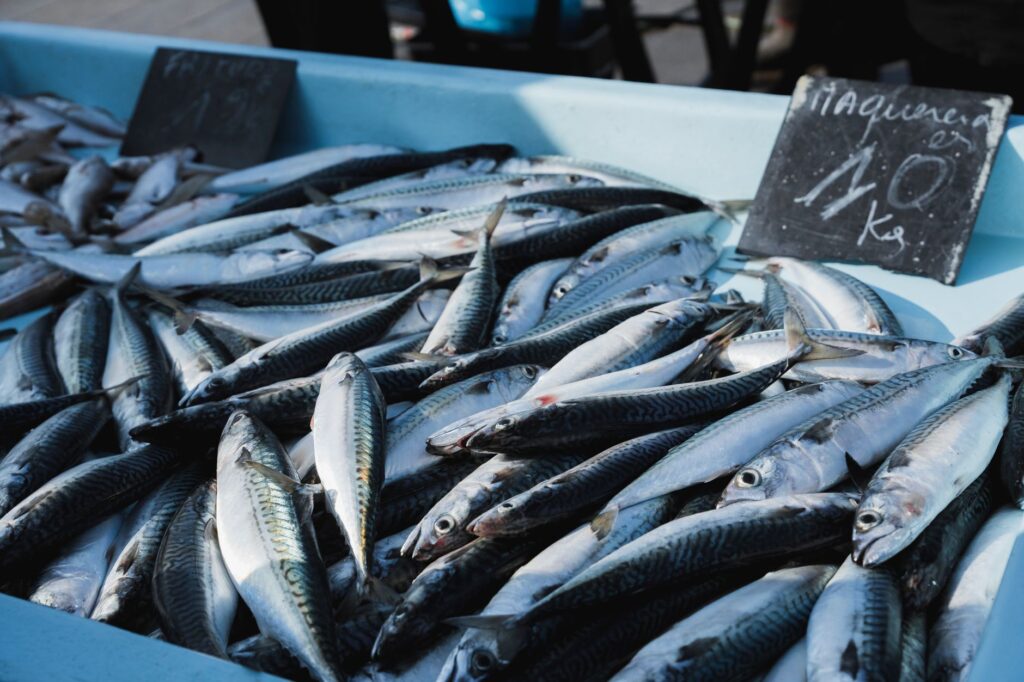
If the architecture defines the container, it is the female vendors—known locally as placeras—who give content and soul to the Abastos Market. Women like Carmen, who has spent over forty years selling fresh seafood in the central nave, represent the indispensable link in an oral transmission chain that no gastronomy manual can replicate. With a precise gesture, they explain the difference between a goose barnacle from the Costa da Morte and one originating from artificial rafts, or detail which day of the week is most favorable for purchasing line-caught hake.
These professionals do not act merely as saleswomen, but as cultural prescribers. They know the preferences of their regular customers, suggest recipes handed down from mothers to daughters, and maintain a constant dialogue with local producers. Their authority is grounded in empirical knowledge accumulated over generations—know-how that turns every purchase into an act of complicity and mutual respect between those who cultivate or harvest the food and those who ultimately cook it.
The Journey Toward Terra Cha: Pastures of Mist and Everlasting Green
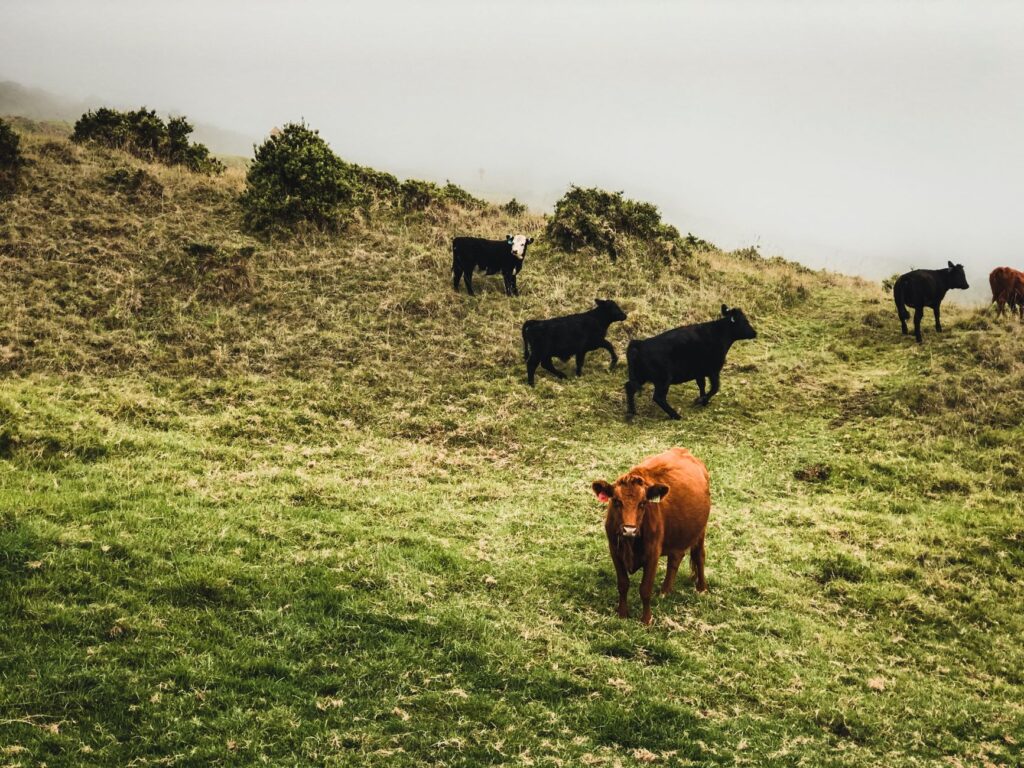
To fully comprehend the produce displayed at the Compostela stalls, one must leave the noble stone of the city and travel northward into the Terra Cha region within the province of Lugo. This territory, characterized by an immense plain crossed by the Miño River and frequently shrouded in morning mists, constitutes the great agricultural and livestock lung of Galicia. Here, the landscape is dominated by intensely green meadows growing over damp, nutrient-rich soils, offering ideal conditions for exceptional cattle farming.
In these landscapes, cattle breeding and dairy production do not follow intensive industrial logics, but rather traditional models of extensive grazing. Native cattle breeds, such as the blonde Galician cow, roam freely for much of the year, feeding on natural pastures that impart unique organoleptic qualities to the meat: a subtle fat infiltration, a tender texture, and a profound flavor evoking fresh grass and damp earth.
The Liturgy of San Simón da Costa Cheese and Birch Smoke
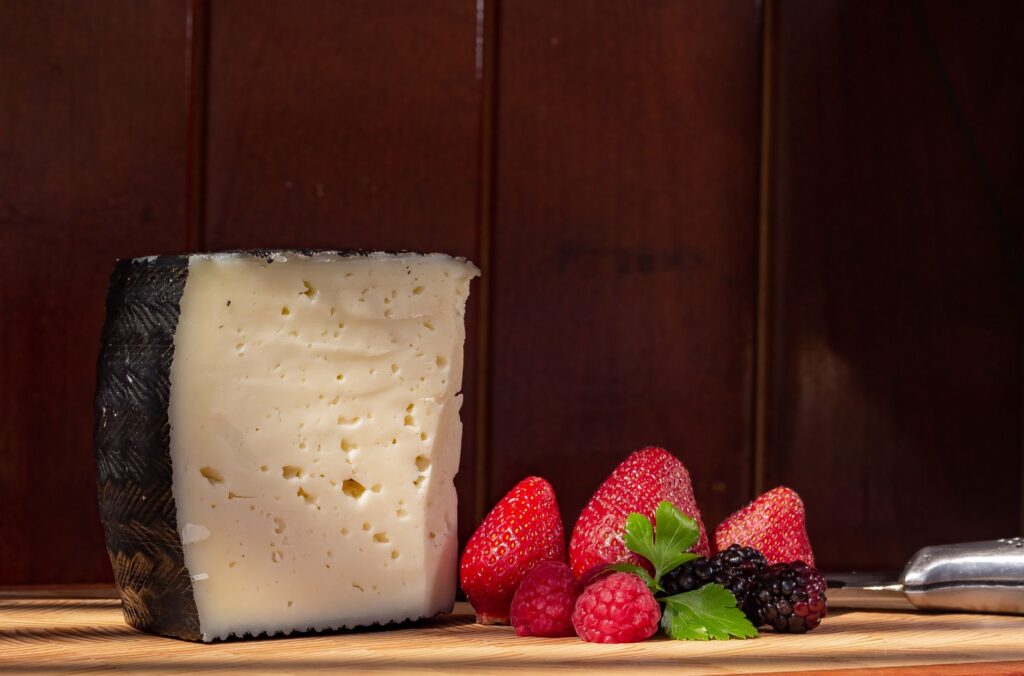
Among the treasures that Terra Cha contributes to the Compostela market, the San Simón da Costa protected designation of origin cheese holds a place of honor. Crafted exclusively with cow’s milk from the Blonde Galician, Brown-Alpine, and Friesian breeds, this product stands out for its unmistakable bullet or spinning-top shape and, above all, its maturation process, in which smoke plays a starring role.
Following pressing and salting, the cheeses undergo traditional smoking using exclusively birch wood, an indigenous tree abundant in the forests of Lugo. This cold smoke permeates the rind, granting it a characteristic ocher color and a balsamic aroma reminiscent of damp wood and burning hearths on winter afternoons. When slicing the wheel, the interior paste, featuring a fine and buttery texture, releases balanced lactic notes accompanied by a very elegant smoky aftertaste that never masks the milk’s original quality.
Birch smoke is not merely an ancestral preservative in Terra Cha; it is the invisible signature that transforms a cheese into a condensed landscape, ready to be deciphered on the palate.
Cea Bread and Proximity Market Gardens
No Galician table is complete without the counterpart of bread, and Santiago’s Abastos Market brings together the finest examples of the region’s artisanal baking. Although the bread of O Carballiño or Neda has loyal followers, the undisputed protagonist for its dense character and crunchy crust is the round loaf baked with native wheat flours and slow fermentations in wooden troughs. Its alveolar and compact crumb allows it to stay fresh for several days, perfectly absorbing the juices of stews and broths.
Alongside the bakeries, the stalls run by female farmers from the surrounding countryside display an unrivaled vegetable palette. Tender turnip tops in winter, Herbón peppers—the authentic ones, some hot and some not—in summer, and leafy greens arriving directly from the market gardens of the Sar Valley. This proximity supply guarantees radical freshness that modern distribution channels can rarely replicate, ensuring that the earth’s cycle is immediately reflected on the plate.
The Brotherhood of Broth and Octopus: Living Tradition in the Vicinity
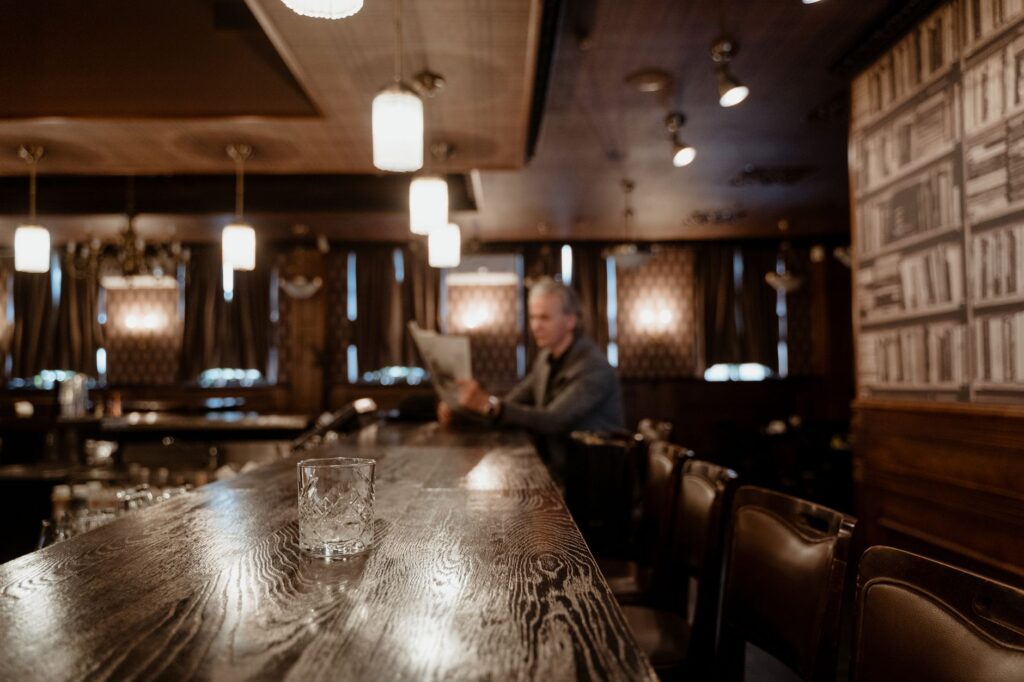
The market’s influence transcends its own physical walls and spills into the surrounding streets and squares, where a dense network of taverns, grocery bars, and inns turns purchased produce into served dishes. Around the market square, tiny establishments abound where boiled octopus is prepared in copper cauldrons following a precise ritual: dipping the cephalopod three times in boiling water, cutting it with steel scissors, and seasoning it with coarse salt, La Vera paprika, and extra virgin olive oil.
This gastronomic ecosystem fosters an exemplary circular economy. Restaurateurs arrive early at the market halls to select the fish of the day, and individual customers later enjoy a glass of white Ribeiro or Albariño at neighboring bars, accompanied by a corn-dough empanada filled with scallops. It is a social fabric where traditional commerce survives thanks to its ability to offer authenticity and genuine experiences in the face of global standardization.
Practical guide
How to get there: The Abastos Market is located on Rúa das Ameas, just a few minutes’ walk from the Cathedral of Santiago de Compostela. Santiago’s railway station features frequent high-speed connections with Madrid, Ourense, and A Coruña.
Opening hours: The market is open Monday through Saturday from 7:00 AM to 3:00 PM. The fish and meat halls experience peak activity between 8:00 AM and 11:00 AM, making it the ideal time to observe the produce in all its splendor.
What to buy: San Simón da Costa cheese bearing the designation of origin seal, artisanal corn empanadas filled with cockles, seasonal Herbón peppers during summer, and hand-selected turnip tops during the winter months.
Visitor tips: It is highly recommended to combine a market visit with a tour of the surrounding taverns, where certain stalls allow visitors to have their newly purchased fresh produce cooked on-site for a small preparation fee.
Epilogue Among Mists and Granite
When activity within the market begins to wind down and the metal shutters slowly descend over the granite counters, Santiago regains a monastic calm that contrasts with the morning bustle. Yet, the echo of that activity remains latent in the kitchens of the city’s homes and restaurants, transformed into steaming broths, aromatic cheeses, and long-simmered stews. In this Atlantic corner, where time seems measured by the cycle of tides and harvests, the market remains the undisputed lighthouse guiding the identity of a people through their most honest and enduring flavors.