
An Infatuation Born Among Vineyards and Friendship
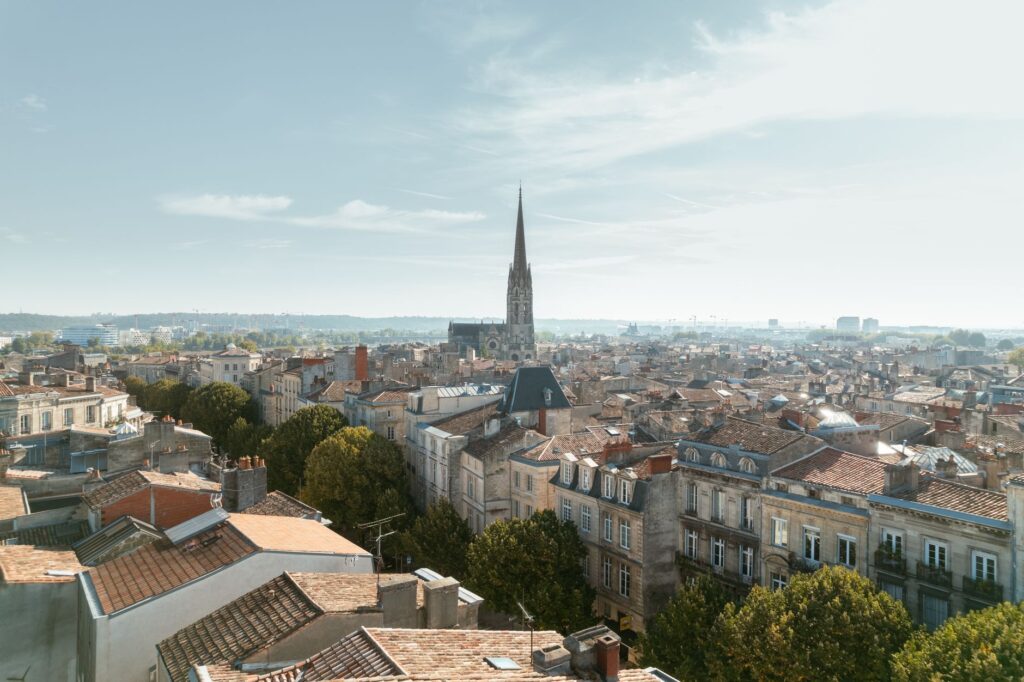
Falling in love with a country rarely begins in official offices; it usually germinates at shared tables, during impromptu conversations, or beneath the oblique light of an autumn afternoon. For many travelers, France is a recurring postcard of warm croissants and crowded museums. However, for the traveler and writer behind this story, the connection began in 2010 during a trip to Bordeaux. That first immersion was not guided by traditional guidebooks, but by the hospitality of friends met earlier in Thailand who acted as local hosts.
Amid glasses of Bordeaux wine, long unhurried dinners, and strolls through cobblestone alleys, a deep fascination took root regarding France’s way of life. It was not merely an aesthetic attraction toward architecture or gastronomy, but a genuine curiosity about the country’s complex social fabric, its attachment to prolonged meals, and its unnegotiable sense of cultural debate. That initial journey struck a spark that, over the years, evolved from a mere vacation desire into a long-term life ambition: to legally reside on French soil.
The Chasm Between Aesthetic Dreams and Administrative Reality
Loving France from a distance is a straightforward exercise; inhabiting it for an extended period requires submitting to one of the most demanding bureaucratic systems in Western Europe. When the idea of settling down in the country transitioned from a nighttime fantasy to a concrete project, the first reality check came from consular paperwork. The French immigration system does not factor in affections or aesthetic passions; it operates on rigorous dossiers, verifiable financial solvency, exhaustive health insurance, and a meticulous justification for every month of intended stay.

The process of obtaining a long-stay visa —coded as the VLS-TS— is not a trámite resolved simply by good intentions. It demands months of document gathering, sworn translations of bank statements, motivation letters written with surgical precision, and a patience capable of withstanding overwhelmed consular appointment systems. French bureaucracy rewards documentary neatness and punishes any ambiguity or omission with immediate rejection. For a digital traveler accustomed to the flexibility of tourist visas in Southeast Asia, facing the French consulate served as a baptism by fire in European institutional formality.
Choosing the Right Path: Navigating the Consular Labyrinth
One of the most common mistakes when attempting to settle in France is underestimating the diversity of available visa categories. There is no universal master key. The applicant must determine with exactitude whether their profile fits as a long-stay visitor —the most common option for those with passive income or substantial savings who will not join the local labor market—, as a student enrolled in a recognized institution, or under complex professional pathways for freelancers and creative talents.
In the case documented by Nomadic Matt, the chosen route was the long-stay visitor visa, an alternative requiring proof that the applicant will not become a burden on the French social system and possesses sufficient funds to sustain themselves throughout the validity year. This entails presenting recent tax returns, signed lease agreements or verifiable accommodation bookings, and a private health insurance policy covering absolutely any medical contingency without relying on the French social security system during the first twelve months.
“The consulate does not care why you love their country; it seeks absolute arithmetic certainty that you can afford to live there without disrupting its economic balance.”
The Ritual of the Appointment and the Tension of the Verdict
With the complete dossier arranged in colored folders according to consular demands and verified multiple times, the most tense moment of the entire process arrives: the in-person interview. French consular offices abroad maintain an unbroken aura of solemnity. Crossing security doors with the envelope under one’s arm evokes the sensation of standing trial before a severe yet fair tribunal.
The interview itself is usually brief, sometimes disquietingly fast after months of preparation. An official reviews the originals, checks the copies, asks a couple of targeted questions about livelihoods or residency plans, and, if everything is in order, retains the passport to stamp the coveted sticker. The wait until the document’s return is an exercise in contained anxiety where any minor detail can mean the difference between success and rejection.

Establishing Oneself on the Ground: Daily Culture Shock
Obtaining the visa is, in reality, merely the starting line. Once the airplane touches down and the customs stamp inaugurates the stay, the true challenge begins: inhabiting France beyond the scope of a vacation. The paperwork does not end at the consulate; it continues at the local prefecture with the validation of the visa, the fingerprint appointment, the payment of foreign taxes, and the inevitable interaction with public services operating under their own cultural codes.
Adapting to daily life in a French city or village involves understanding that administrative efficiency coexists with an unyielding formal rigidity. From opening a bank account —a process that can take weeks and require a battery of address proofs— to setting up internet services or navigating the healthcare system, every step requires shedding the impunity of the tourist and assuming the civic obligations of a legal resident.
The Language Barrier and Social Integration
It is a romantic myth to think one can live in France while ignoring its language if restricted to cosmopolitan circles in Paris. Outside the capital, and even within it during everyday interactions with the baker, the butcher, or the postal clerk, French is not an option; it is the fundamental social key. The effort to speak the language, even with glaring grammatical errors and a heavy foreign accent, is the sign of respect that local society implicitly demands.

True integration arrives when neighbors stop viewing the expatriate as a temporary visitor and begin greeting them with neighborhood familiarity. Long conversations about politics at the Sunday market, understanding regional nuances in gastronomy, and accepting social rhythms marked by summer holidays are the true indicators that the visa has ceased to be a paper in the passport and has become a form of belonging.
Practical guide
For those wishing to replicate this long-term settlement process in French territory, the following fundamental guidelines based on documented experience should be kept in mind:
- Timeline planning: Initiate the document gathering process at least four to six months prior to the intended travel date, as consular appointments are typically in high demand.
- Financial solvency: Ensure strict compliance with the financial thresholds required by the consulate for the visitor visa, presenting clean and stable bank statements.
- International health insurance: Purchase a private policy meeting the specific Schengen area requirements regarding medical repatriation and comprehensive coverage.
- Certified accommodation: Arrange a formal lease agreement or a hosted accommodation certificate signed by a host in France with proper municipal validation.
- Post-arrival procedures: Remember that upon arriving in France, you must validate your visa online via the OFII (Office Français de l’Immigration et de l’Intégration) portal and pay the corresponding fee within the first three months.
The Value of Belonging to the Landscape
Looking back from an urban terrace in Bordeaux or a rural village in Provence allows one to gauge the effort required to cross the bureaucratic threshold. The French visa is not a decorative trophy; it is a legal tool granting the right to form a temporary or permanent part of one’s life within one of the richest cultural traditions on the planet. The dossier difficulties, waiting hours, and consular tension dissolve into the routine of any ordinary morning when the language stops being an obstacle and becomes a vehicle of expression.
In the end, bureaucracy fades, but the ability to watch the sunset over zinc rooftops, debate literature in a neighborhood bookstore, or understand the exact value of good cheese and a glass of wine takes on a permanent dimension. The legal adventure concludes, but the true relationship with the territory is only just beginning to unfold without expiration dates on the horizon.
“The true visa is not granted by a consular stamp in the passport, but by the silent acceptance of the surroundings when one learns to inhabit its rhythm without haste.”
Source in EN: Based on the article ‘How I Got My Visa to France’ published on Nomadic Matt’s Travel Site.