
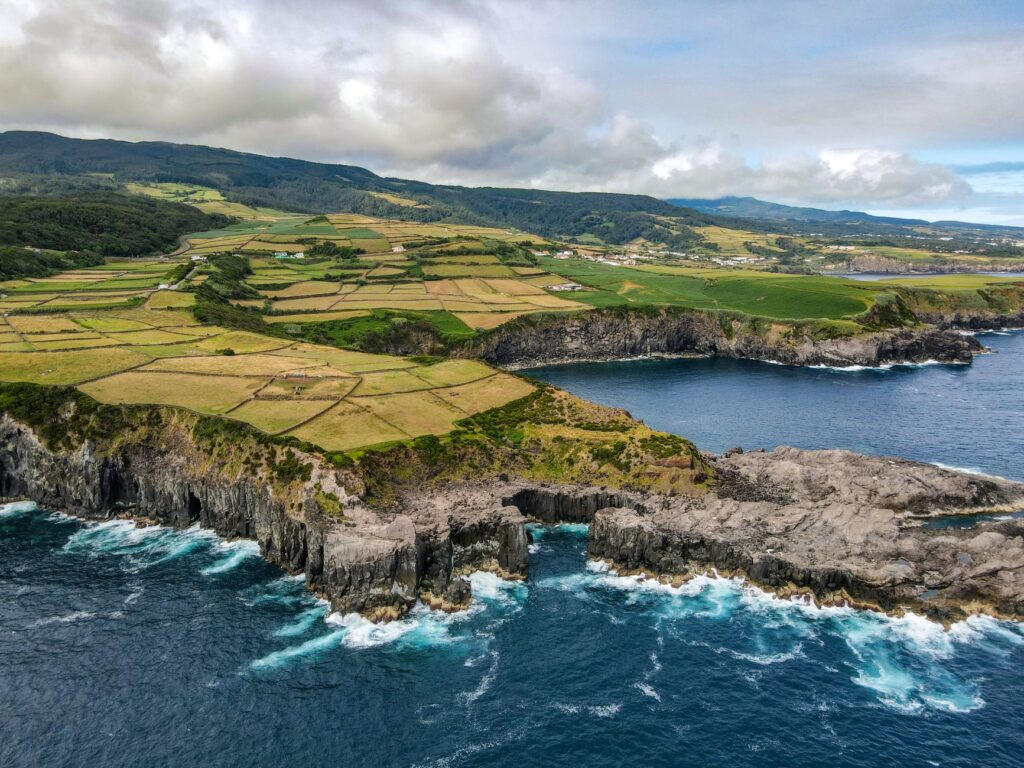
In the heart of the North Atlantic, halfway between Europe and America, nine volcanic peaks rise from the deep sea bed to form the Azores archipelago. This geographical isolation, which for centuries meant a sentence of ostracism, has transformed in the twenty-first century into a delicate exercise in logistical engineering. Keeping islands separated by hundreds of miles of deep water and gale-force winds united is not merely a matter of tourist mobility, but the umbilical cord guaranteeing the economic, sanitary, and social survival of thousands of inhabitants.
The Azorean transport system operates under permanent tension between the modernity of its airport infrastructures and the harshness of an ocean that imposes its own rules. Through this report, we examine the invisible architecture that enables the movement of people, food, and goods in a territory where sudden fog and winter storms daily redesign the map of possible routes, testing the resilience of a unique intermodal model in Europe.
The Geography of Isolation and the Sovereignty of the Sea
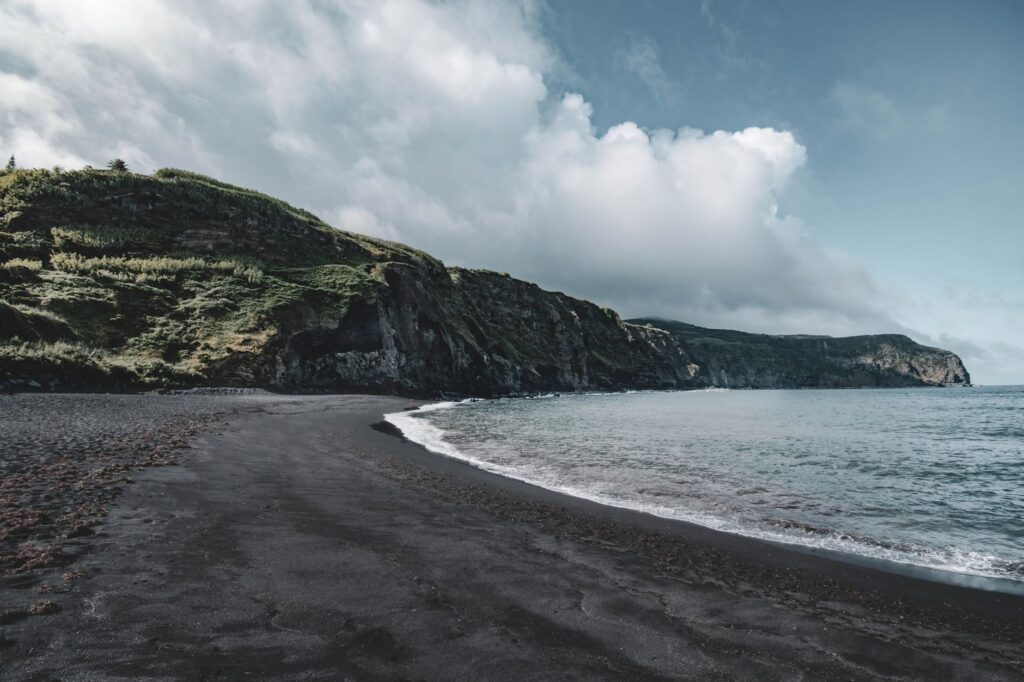
Understanding mobility in the Azores requires accepting that the ocean is not a space to be crossed, but a territory to be inhabited and endured. The islands are traditionally divided into three groups—the eastern group with São Miguel and Santa Maria; the central group with Terceira, Graciosa, São Jorge, Pico, and Faial; and the western group with Flores and Corvo—a spatial dispersion that turns every journey into a high-precision operation. Distances range from the few kilometers separating the channel between Faial and Pico to the nearly three hundred nautical miles separating the eastern group from the western one.
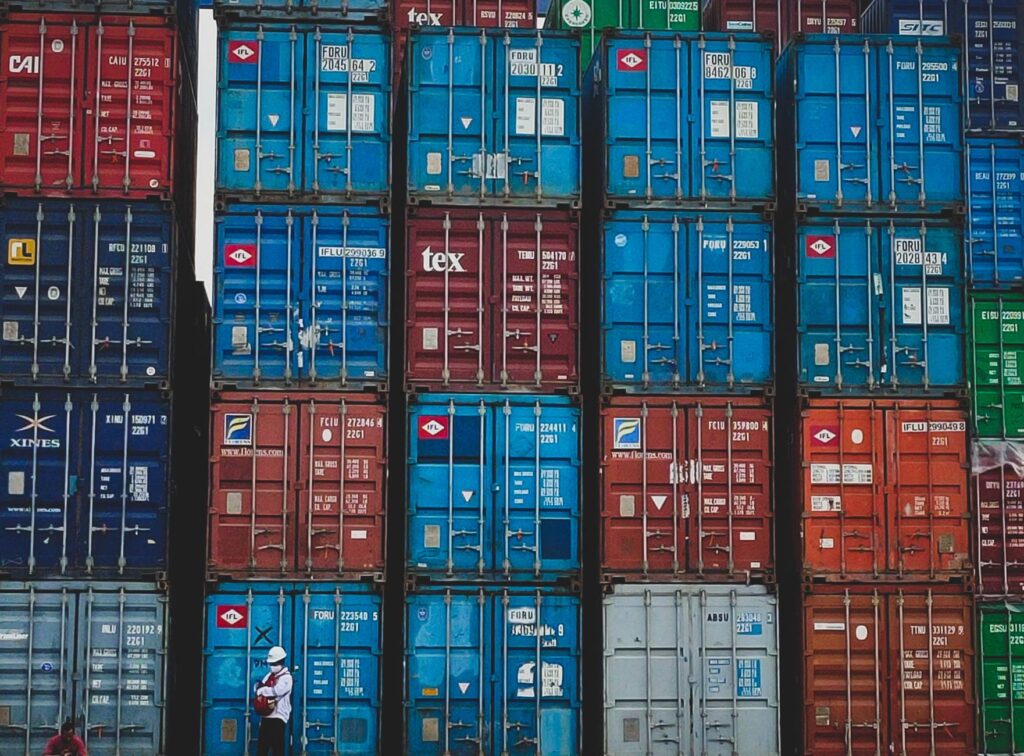
For decades, maritime transport was the only regular communication route. Today, although commercial aviation has gained ground, ships remain the backbone of heavy transport. Cargo ships sailing from the port of Ponta Delgada in São Miguel to the smaller islands carry everything from construction materials to fuel and fresh produce. However, the absence of safe natural shelters on many islands forces captains to perform millimeter maneuvers in harbors exposed to the direct onslaught of the Atlantic.
The Inter-Island Ferry Network: Seasonality and Rough Navigation
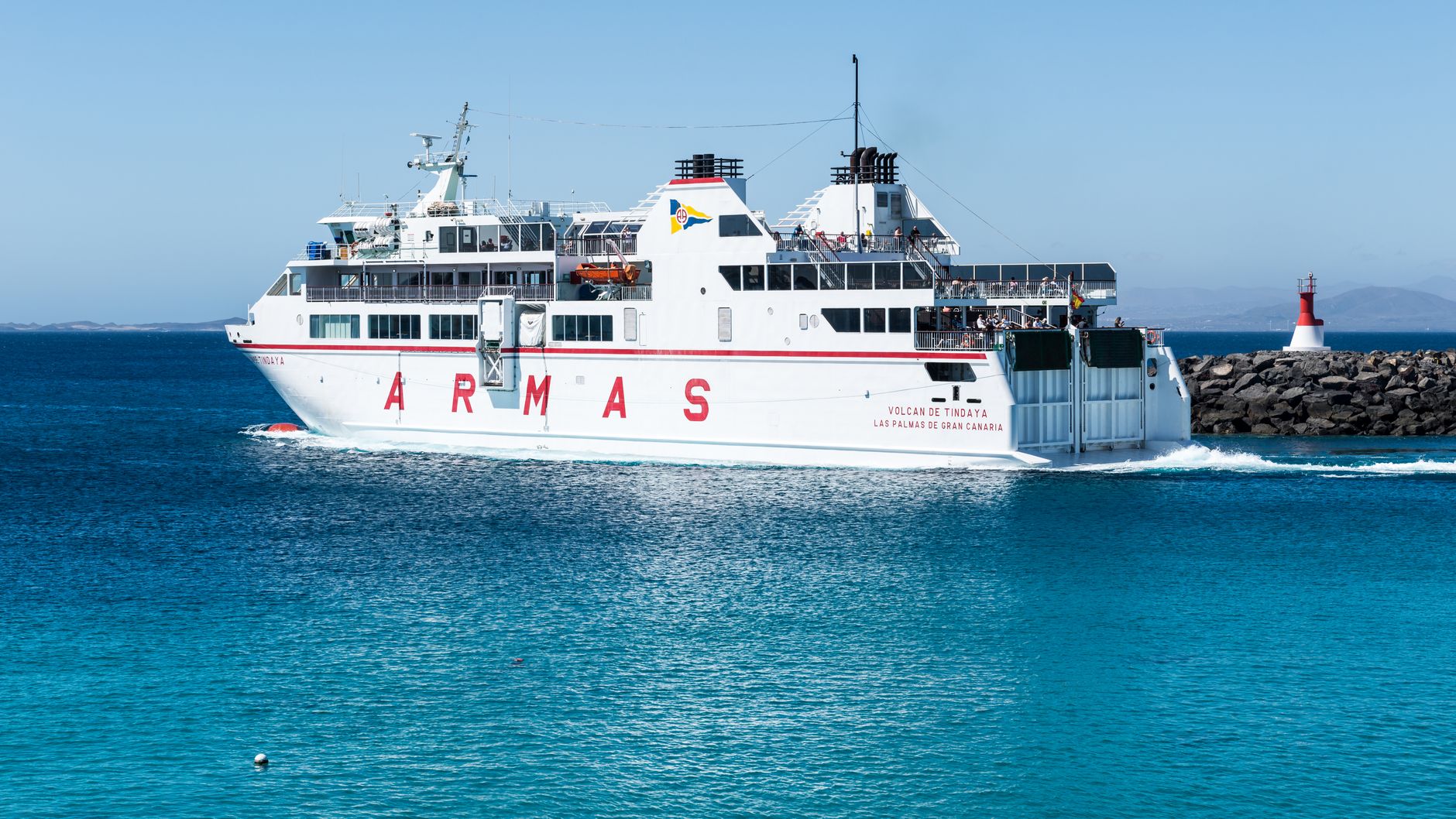
Passenger transport by sea has undergone a radical transformation over the past two decades thanks to the consolidation of high-speed lines operated by catamarans. These vessels weave a dense network during the summer months, especially in the so-called Triangle formed by Faial, Pico, and São Jorge, where daily commuter and traveler traffic is constant. However, this seasonal system faces unbreakable physical limits.
When autumn arrives and polar fronts descend upon the archipelago, high-speed service is systematically suspended. It is then that conventional ferries come into play, deeper-draft vessels capable of withstanding waves of several meters, albeit at the cost of tripling crossing times. The reliability of winter maritime transport is an unstable variable, conditioned by weather warnings that can keep a port closed for days, disrupting the supply chain and forcing local authorities and businesses on smaller islands to reschedule their operations.
The Fragmented Sky: Regional Aviation as a Public Service
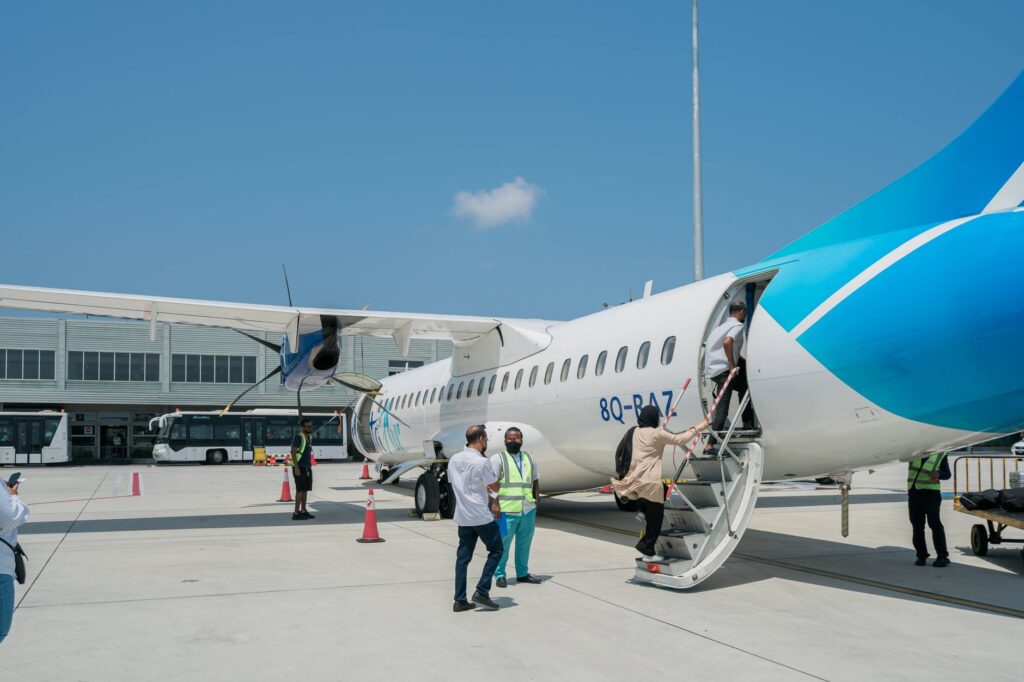
If the sea unites with slowness, the air connects with urgency. The network of airports and airfields in the Azores constitutes critical infrastructure managed under public service obligations. Connecting the nine islands through medium-capacity turboprop aircraft, this air network bears the weight of medical emergencies, urgent administrative travel, and the daily transit of residents working or studying away from their home island.
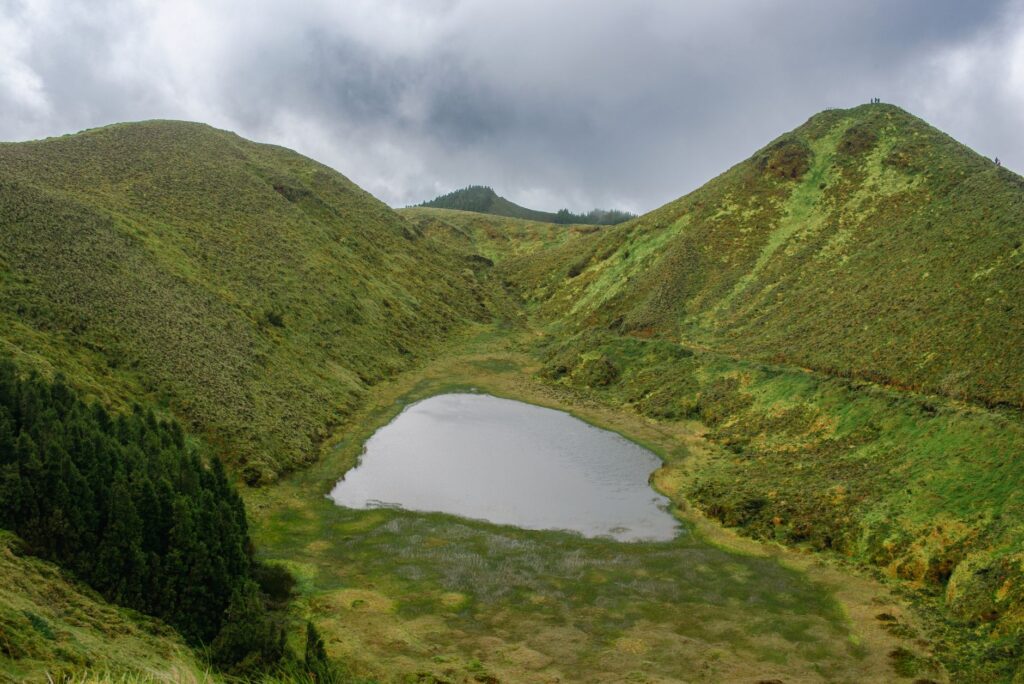
Operating on runways such as Flores or the tiny runway at Corvo—one of the most challenging in Europe due to its proximity to sea cliffs and crosswinds—requires outstanding technical skill from flight crews.
The commercial pilot in the Azores does not fly solely by instruments; they read the surface of the sea, anticipate the shadows of clouds over volcanic cones, and make critical decisions in seconds.
Last-minute cancellations due to wind shear or persistent fog on the central plateau of islands like Terceira are an assumed risk, but one that creates structural vulnerability in local economic planning.
Port and Airport Intermodality: Critical Nodes
The success of Azorean mobility lies in the fluidity of its transfer points. Ports like Horta in Faial or Velas in São Jorge are not mere docking piers, but complex intermodal hubs where container unloading, tourist ferry arrivals, and access to local land transport fleets converge. Tariff and schedule integration, although improved through digitalization, still stumbles against the physical barriers of volcanic topography.
On land, secondary roads winding along cliffs require constant maintenance due to rainfall erosion and landslides. Intercity buses, essential for populations lacking private vehicles, precariously synchronize their routes with the arrival of ships, a mechanism that frequently falls out of alignment due to any delay generated by sea conditions. Perfect synchronization is a chimera in an Atlantic archipelago, where the human and mechanical factors must continuously adapt to the dictatorship of the elements.
Sustainability and the Dilemma of Tourism Growth
In recent years, the tourism boom has exerted unprecedented pressure on Azorean transport infrastructure. The massive influx of visitors in the core months of the year saturates car rental inventories and collapses inter-island air connections, whose seats are heavily subsidized to guarantee resident mobility. This clash of interests between the local population’s right to mobility and the rapacity of the tourism industry has sparked a profound political debate.
Local authorities face the challenge of decarbonizing island transport through the progressive electrification of bus fleets and the improvement of port energy efficiency without compromising economic competitiveness. The technical challenge is monumental: renewable energy generated by geothermal sources and local winds must be properly stored to supply a transport network that cannot afford blackouts or interruptions in primary logistics nodes.
None of these logistical hurdles, however, match the daily operational drama faced by the most remote outposts of the far western horizon.
Trial by Fire: Supplying the Peripheral Islands
No aspect better reflects the fragility of the Azorean transport system than the provisioning of Corvo and Flores. With just over four hundred inhabitants, the island of Corvo depends entirely on the weekly arrival of a container ship and the daily flights of Leal das Flores. Any prolonged storm isolating the Corvinese port paralyzes the distribution of propane gas, medicines, and fresh produce.
In these extreme circumstances, light aviation acts as the sole lifeline. Civil protection helicopters and small medical liaison planes transform into flying ambulances capable of bypassing storms that would ground any standard commercial aircraft. This visceral dependency demonstrates that connectivity in the Atlantic outpost is not a conventional commercial service, but a basic right comparable to healthcare or education.
Practical guide
Planning a journey or trip across the Azores archipelago requires logistical rigor, schedule flexibility, and precise knowledge of the seasonal limitations of transport.
How to move between islands: For short journeys within the central group (Faial, Pico, São Jorge), use the ferries operated by Atlântico Line during the summer season (June to September). For the rest of the year or long-haul routes, the regional airline SATA Air Açores is the only reliable option, and tickets must be booked months in advance due to high resident occupancy.
Time safety margins: Never book international connecting flights on the same day as your inter-island flight or ferry journey. It is strongly recommended to leave a minimum margin of 24 to 48 hours on hub islands like São Miguel or Terceira to absorb potential weather-related delays.
Land transport: Car rental is essential to explore the interior of islands like São Miguel, Flores, or Terceira with freedom. Book your vehicle simultaneously with your accommodation. Public buses exist on the larger islands, but frequencies drop significantly on weekends and holidays.
Luggage and restrictions: SATA regional aircraft operate with strict weight limits in the hold and cabin (typically 8 kg for carry-on and 23 kg checked). Verify permitted dimensions, as the overhead bins of turboprops are considerably smaller than those of wide-body commercial jets.
Safety and emergencies: Always purchase travel insurance covering itinerary interruptions and emergency medical repatriation, especially if you plan to visit the western islands (Flores and Corvo) or undertake remote hiking trails where land access is nonexistent.
The journey through the Azores concludes not at a grand terminal station, but at the edge of a basalt cliff battered by sea spray, where the gaze loses itself in the boundless horizon of the ocean. There, while awaiting the distant hum of a turboprop piercing the low cloud layer or the solemn emergence of a ferry at the harbor mouth, one grasps the true scale of this territory. It is not distance that defines the islands, but the tenacious persistence of their people, whose daily lives are inextricably stitched to the whims of wind and sea, reminding us that in this Atlantic outpost mobility is, above all else, a daily act of faith and resistance.