
A Geometric Grid Sculpted in Catalan History
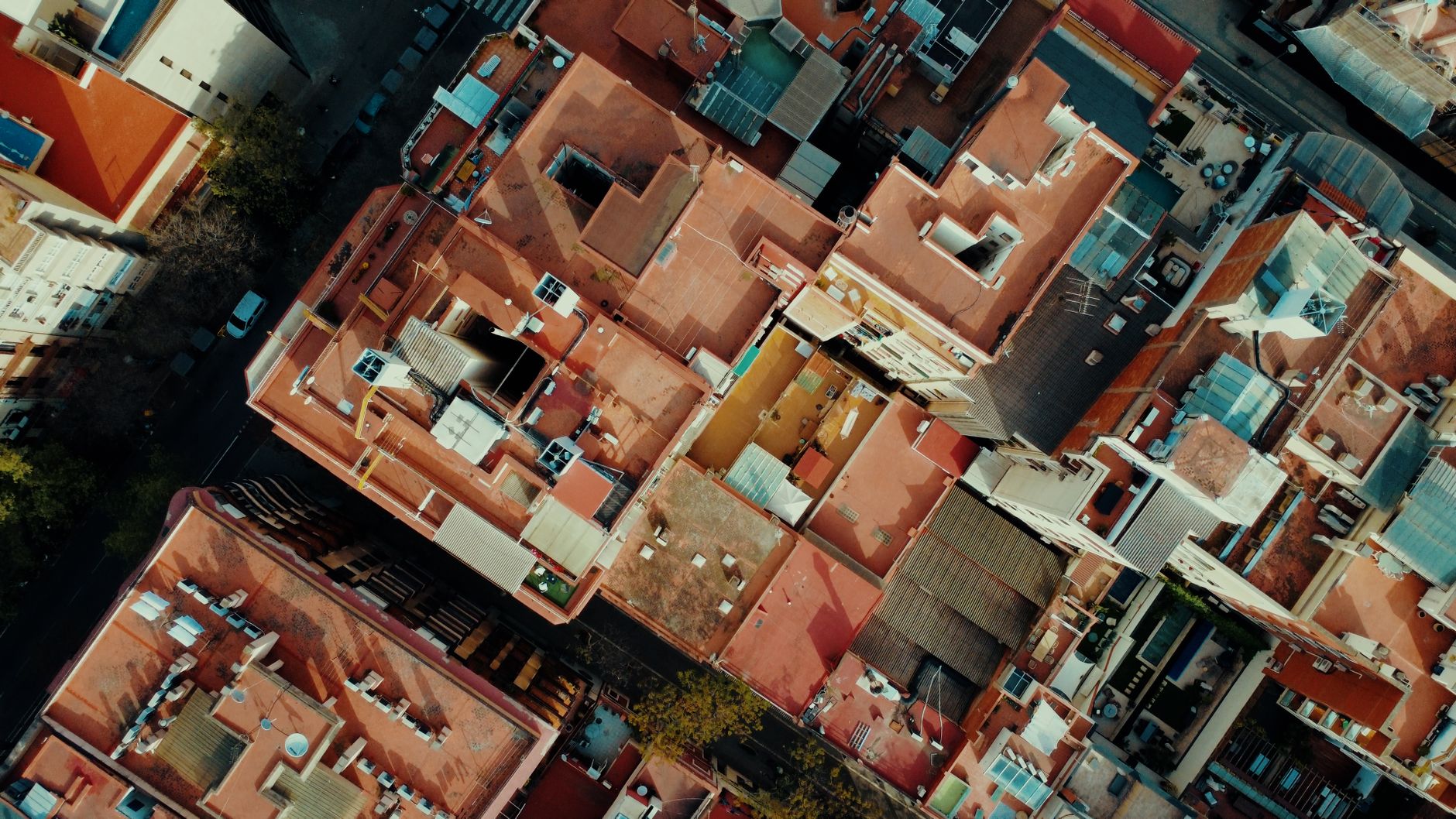
The urban layout of Eixample in Spain immediately stands out for its geometric precision and revolutionary approach to spatial organization. Conceived in the nineteenth century, this Barcelona district was born with the firm vocation of surpassing the limitations of the ancient walled city. Far from responding to aesthetic whims, the grid pursued from its inception a hygienic and social goal: ensuring sunlight, ventilation, and equity in the transit of people and goods. The blocks with chamfered corners are not mere ornamental elements, but technical solutions designed to soften angles, broaden visual perspectives, and facilitate the turning of horse-drawn carriages of the past, anticipating with remarkable foresight the demands of contemporary mobility.
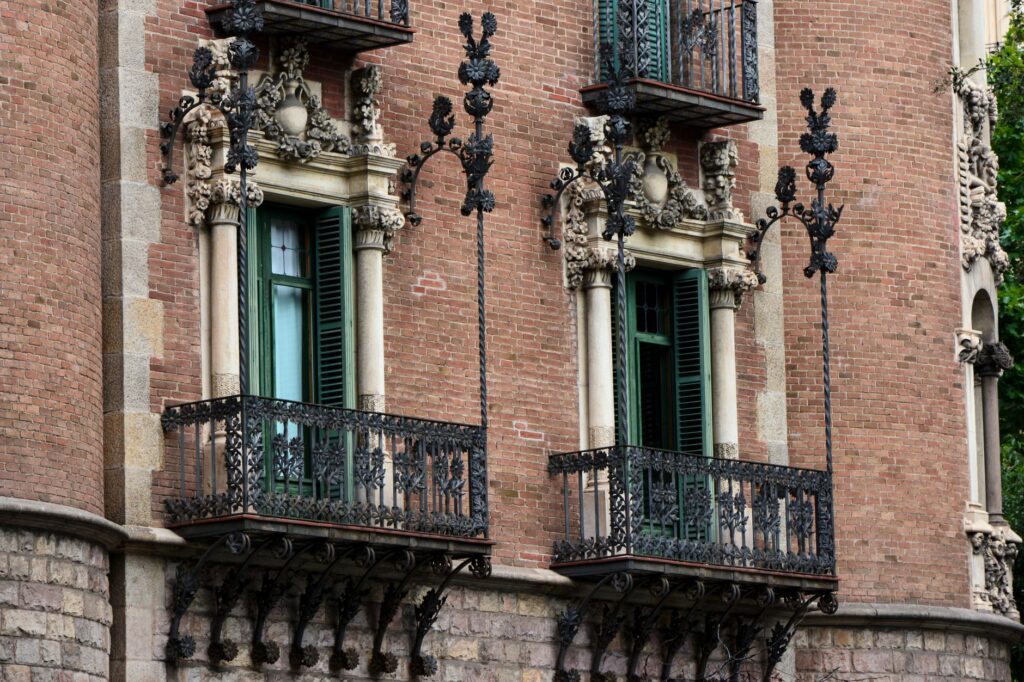
Strolling through its streets today is like stepping into an open-air museum where Catalan modernist architecture displays its utmost splendor. The facades of landmark buildings, signed in many cases by disciples and contemporaries of Antoni Gaudí, exhibit a fascinating catalog of wrought iron, carved stone, and floral motifs paying homage to nature. However, the true essence of this territory does not reside solely in its monumental postcards, but in the way its residents inhabit and resignify this stony heritage day after day. The rhythm of the chamfers imposes a natural pause; the corners act as small spontaneous public squares where neighbors stop before crossing, fostering a social exchange that humanizes the monumental scale of the district.
The Daily Pulse Within Interior Courtyards
One of Eixample’s best-kept secrets hides behind the imposing doors of its buildings: the interior courtyards. Originally projected as green, communal lungs at the service of public health, these central spaces suffered transformations and private appropriations over the decades. In recent years, institutional and neighborhood efforts have successfully recovered a good portion of these interior patios for collective enjoyment. Today, crossing the threshold from the bustling asphalt into one of these landscaped oases provides a contrast as subtle as it is restorative. The whisper of water in small fountains and the murmurs of children playing in the playground areas form a soundtrack that pleasantly contrasts with the external vehicular traffic.
In these enclosures protected from noise, neighborhood life manifests in its purest state. Local associations and nearby public libraries organize open-air workshops, readings, and intergenerational gatherings that reaffirm local identity. The recovery of the courtyard blocks represents a triumph of participatory urbanism over real estate speculation, proving that historical design can adapt to twenty-first-century ecological needs without losing its original vocation. The centennial trees populating these spaces offer shade and coolness during the rigorous summer months, becoming the preferred refuge for seniors and families seeking a haven of peace without leaving the metropolitan heart.
Proximity Commerce and Centennial Shops
The commercial structure of Eixample maintains a delicate balance between modernity and the persistence of centennial establishments that have withstood changing fashions. Traditional haberdasheries, neighborhood bakeries with visible workshops, and independent bookstores coexist harmoniously with contemporary design proposals and specialty coffee shops. This proximity economic fabric constitutes the true social glue of the district, fostering a model of conscious and sustainable consumption. Local merchants not only sell products, but act as custodians of collective memory, reminding visitors of the history of each building and the evolution of neighborhood customs.
Neighborhood commerce in the chamfered corners is the thermometer measuring the health and vitality of our daily coexistence.

Walking along historic commercial axes allows observers to witness how shop windows become showcases for local craftsmanship. Hand-painted modernist signs on wood or glass continue to announce services that have provided personalized attention for generations. This fidelity to the local is not accidental, but stems from a clientele aware that commercial desertification impoverishes public space. Residents defend their lifelong shops against impersonal major chains, ensuring that the district’s character remains unaltered despite the intense tourism pressure Barcelona receives continuously throughout the year.
Architectural Heritage and Responsible Visitor Decisions
Eixample’s rich heritage imposes an unavoidable ethical responsibility on the traveler: to journey through the territory with respect and sensitivity toward the daily lives of its residents. Mass tourism, a global phenomenon affecting major European capitals, finds in this district a constant point of friction between residential use and the hospitality industry. Therefore, local regulations and responsible tourism guidelines insist on the need to stay in regulated accommodations, avoid overcrowding in private entryways, and moderate noise levels when walking through the interior patios and stairwells of modernist buildings.
Traveling with conscience means understanding that every historic portal is a home before it is a photographic stage.
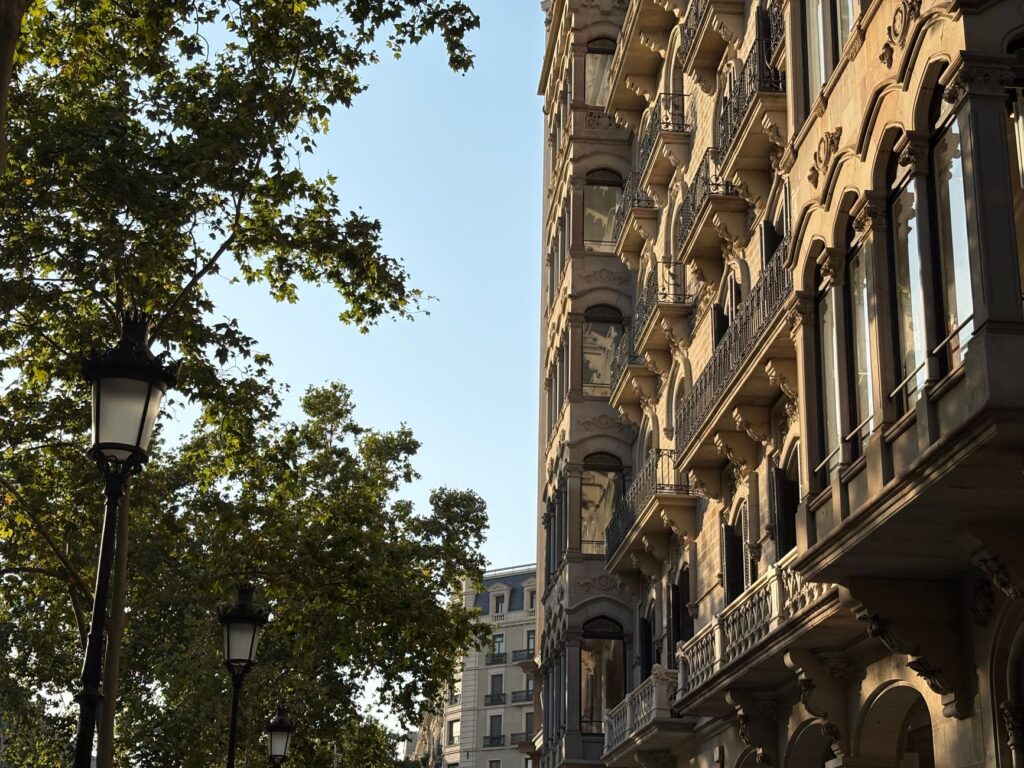
Respect for architecture is not limited to admiring the curves of iconic modernist houses from the sidewalk, but involves valuing the conservation efforts undertaken by owners and public administration to keep this legacy standing. Visitors are invited to explore local art galleries, small museums integrated into old stately apartments, and municipal markets where daily shopping transforms into a first-rate cultural act. Participating in these spaces with respectful curiosity enriches the traveler’s experience and preserves the authenticity of the surroundings.
Cultural Dynamics and Public Spaces
Beyond architectural landmarks, public spaces in Eixample function as stages for daily neighborhood interactions. The wide sidewalks and pedestrian-friendly zones allow residents to occupy the streetscape in ways that favor community bonds. Cultural centers, neighborhood associations, and local libraries organize exhibitions and public talks that shed light on the social history of the district. These initiatives ensure that heritage is understood not merely as static stone, but as a dynamic framework that evolves alongside its inhabitants.
The interaction between municipal authorities and local collectives has also led to pedestrianization projects aimed at reducing vehicular emissions and reclaiming street space for community use. These interventions encourage walking and cycling, creating a calmer pace that benefits both long-term residents and conscientious visitors. By prioritizing human-scale mobility, the district reinforces its commitment to sustainability and environmental health without erasing its historical identity.

Practical guide
How to get there: The district is perfectly connected via Barcelona’s metro network, as well as numerous urban bus lines and commuter trains arriving at key central stations.
When to visit: Spring and autumn months offer optimal temperatures for exploring the grid on foot. Early morning and dusk are the most recommended times to enjoy the architecture without crowds.
Local gastronomy: Rely on municipal food markets to taste local produce, and look for traditional establishments offering midday menus based on seasonal Catalan cuisine.
Coexistence rules: Avoid blocking the chamfered corners with large groups, respect nighttime quiet hours in residential buildings, and prioritize public transport or bicycles to move around the district.
Emotional Epilogue on the Park Benches
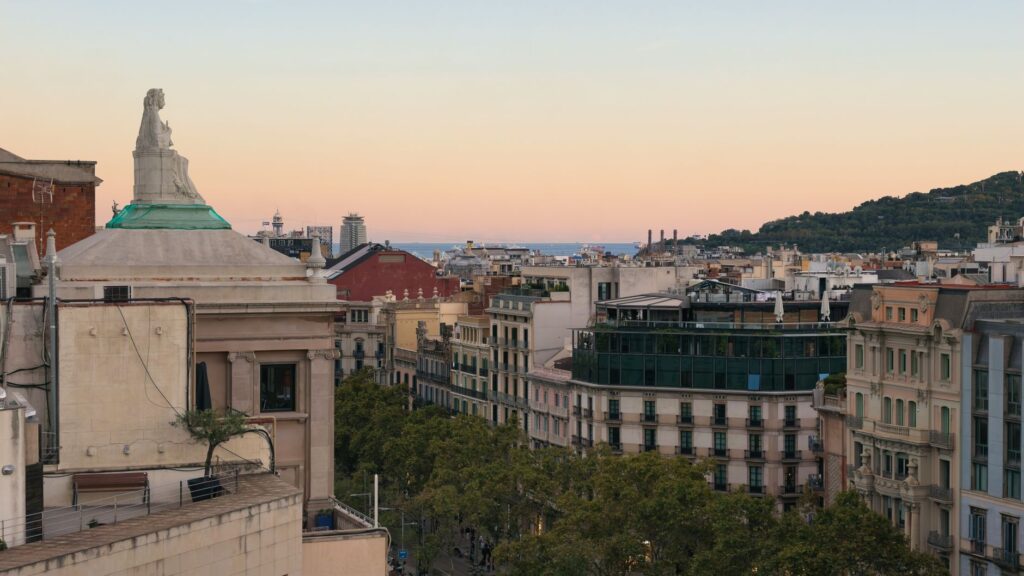
When the sun begins to descend over the Barcelona skyline, casting golden hues on stone facades and wrought-iron balconies, Eixample acquires an unexpected serenity. On the benches located beside the quieter chamfers, the incessant flow of the major city seems to slow down for an instant. Neighbors greet each other with familiarity, children wrap up their final games before heading home, and the aroma of roasted coffee blends with the soft Mediterranean breeze drifting from the nearby coast. It is at that precise moment when the visitor understands that this district is not merely a marvel of nineteenth-century planning, but a living organism where architecture and humanity converse daily to build a refuge of shared wellbeing.