
The Northern Highlands and Their Ancient Relief
Nestled across the forested hills of northwestern Jordan, the town of Ajloun rises to an elevation of approximately 769 meters above sea level, shaping a landscape radically different from the vast desert expanses that dominate other regions of the country. This municipality, serving as the administrative seat of the governorate bearing the same name, is characterized by a Mediterranean climate with cool winters and mild summers that has fostered dense forests of oak, pine, and centuries-old olive groves. The mountainous topography, marked by deep valleys and terraced hillsides of dry-stone masonry, determines a daily pulse where the geography itself imposes a reflective pause against the accelerated rhythm of modern metropolises.
The urban layout of Ajloun responds to an organic evolution adapted to the terrain’s gradients. Traditional limestone dwellings are terraced into the slopes, connected by narrow alleyways that emit a persistent aroma of freshly baked bread, spices, and olive wood. In the early morning hours, as the morning mist slowly dissipates among the valleys, local residents begin their routines in the food markets, where goods from the local harvest such as figs, grapes, and the prized extra virgin olive oil produced in regional oil presses are exchanged. This daily interaction reflects a deep-rooted sense of community that values self-sufficiency and respect for natural cycles.
The Fortress of Qal’at Rabad and Historical Imprint
Dominating the horizon from a strategic promontory, the castle of Ajloun, historically known as Qal’at Rabad, constitutes one of the finest examples of Islamic military architecture in the Middle East. Commissioned in the twelfth century by Izz al-Din Usama, a general of Saladin, this defensive stronghold was designed to monitor commercial routes and mountain gaps connecting the Jordan Valley with Damascus. Its noble stone walls, flanked towers, and deep moats speak not only of eras of geopolitical confrontation but also testify to the mastery of medieval artisans who successfully integrated the stone structure into the rocky ridge itself.
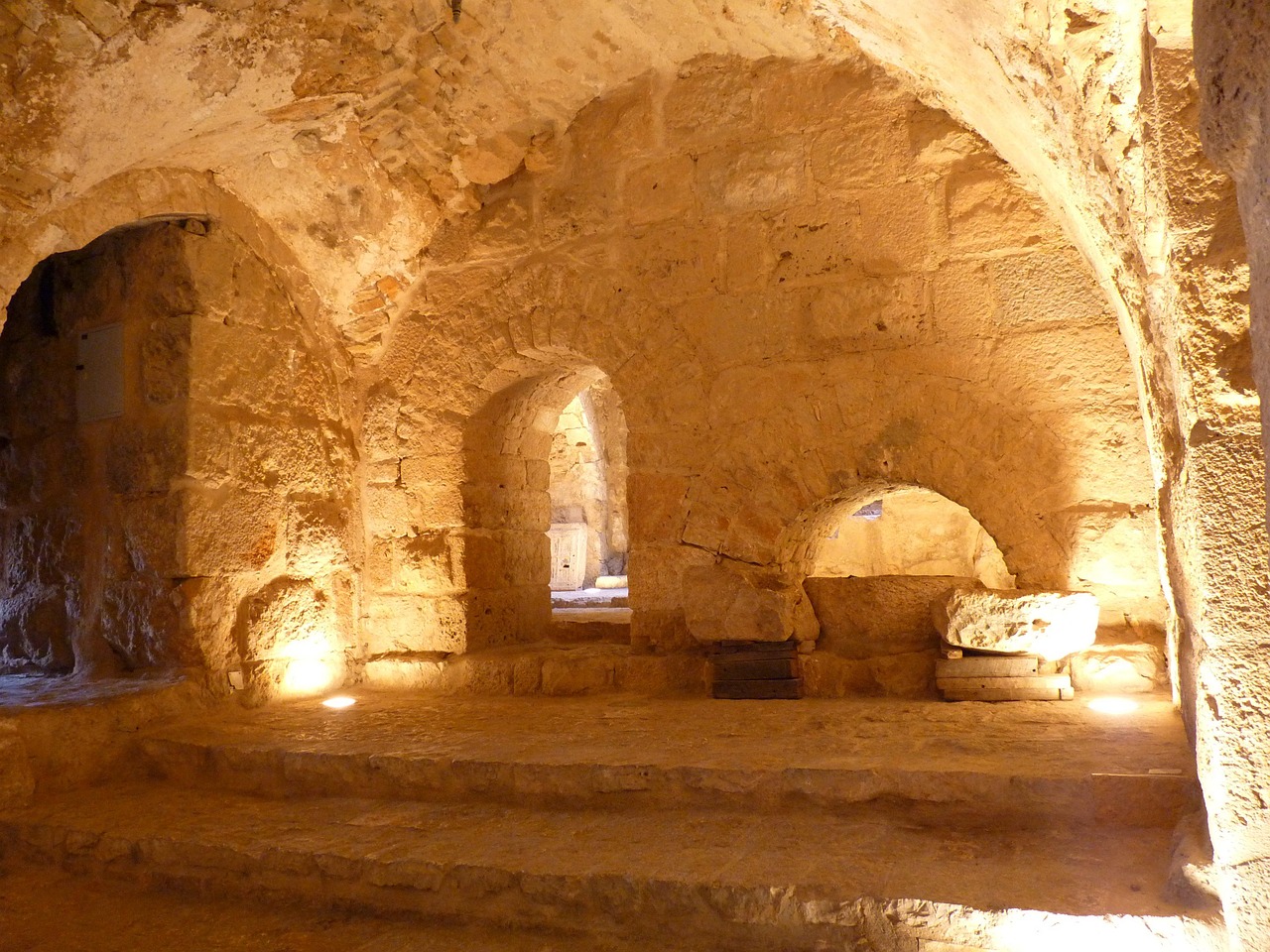
Exploring today’s vaulted passageways, stables, and arched chambers of the fortress allows visitors to understand the magnitude of its defensive and administrative function. From its elevated battlements, the gaze encompasses a vast panorama stretching to the Jordan Valley and distant hills, a visual reminder of the geopolitical importance this mountainous enclave has preserved throughout the centuries. Far from being a mere static monument, the castle acts as an intergenerational meeting point where local residents guide visitors with profound pride in their architectural heritage, passing down local anecdotes and stories concerning the resilience of highland communities.
The Agricultural Pulse and Olive Culture
The economy and cultural identity of Ajloun are inextricably linked to the land and, most notably, to olive cultivation. The olive groves covering the surrounding slopes are not merely a source of economic sustenance, but a living heritage element nurtured across generations. During the harvest season, which coincides with autumn, entire families move to the plots to harvest the olives, which are subsequently pressed in traditional and modern oil mills throughout the region. This collective process reinforces neighborly solidarity bonds and constitutes one of the most significant moments of the annual calendar.

Local gastronomy draws directly from this agrarian wealth. Traditional regional dishes incorporate fresh vegetables from family gardens, wild herbs gathered in the hills, and the unmistakable flavor of local oil. In homes and small dining establishments, hospitality is manifested through the custom of offering bitter coffee flavored with cardamom and fresh mint tea. This simple yet nuanced cuisine reflects a philosophy of resourcefulness and respect for environmental surroundings, where each ingredient possesses a locally verifiable origin appreciated by those who consume it.
Community Life and Neighborhood Markets
Daily commerce in Ajloun takes place on a small scale, prioritizing direct interaction between producers and consumers. Local markets are bustling spaces where dried legumes, artisanal goat cheese, mountain honey, and a wide variety of seasonal fruits are sold. Local shopkeepers and artisans keep traditional crafts alive, such as basketry using plant fibers and the creation of simple textiles, adapting their production to the demands of a clientele that values authenticity over industrial standardization.
This commercial dynamic fosters a very particular social cohesion, where the rhythm of the day is marked by unhurried greetings, paused conversations on shop thresholds, and deep mutual familiarity among neighbors. The absence of large shopping centers in the historic core preserves a human scale that facilitates the integration of the curious visitor. Anyone walking through these streets discovers that the true wealth of the town resides not solely in its historical monuments, but in the discreet and steady cordiality of its inhabitants.
The Natural Environment and Responsible Visitor Decisions
The ecological value of the Ajloun region has prompted the creation of nature reserves intended to protect the rich biodiversity of Mediterranean highland forests. These protected areas harbor numerous species of endemic flora and wild fauna, becoming an essential refuge for environmental conservation in northern Jordan. Marked trails allow hikers to explore the forests without altering the fragile balance of ecosystems, promoting a tourism modality that prioritizes respectful observation and learning about local flora and fauna.
For travelers arriving in these lands, environmental and cultural responsibility constitutes a fundamental premise. The impact of tourism in rural communities requires a conscious approach that respects local norms of dress and behavior, supports proximity economies through the purchase of artisanal goods, and minimizes waste generation. Ecotourism initiatives promoted in the area demonstrate that openness to the outside world can be successfully reconciled with the preservation of natural resources and the dignity of residents’ daily lives.
The true essence of the highlands is not discovered in the haste to photograph distant monuments, but in the capacity to pause and listen to the stories shared by inhabitants under the shelter of centuries-old olive groves.
Artisanal Practices and Traditional Know-How
The intangible heritage of Ajloun is clearly manifested in the survival of its artisanal crafts. Modest workshops located in old neighborhoods continue to produce everyday utilitarian objects using techniques passed down from parents to children. Utilitarian ceramics, olive wood carving, and the creation of traditional embroidery represent cultural expressions that resist the passage of time. These labors not only provide a complementary source of income for numerous families, but also act as depositories of a collective memory identifying the community to the outside world.
Knowledge regarding the medicinal properties of wild plants growing on the hills is another traditional lore jealously preserved. Community elders pass down to younger generations which herbs to use for soothing infusions or natural remedies, maintaining an uninterrupted link with the region’s traditional pharmacopoeia. This accumulated knowledge highlights a symbiotic relationship with the natural environment transcending mere material exploitation and entering the realm of cultural identity.
Practical guide
How to get there: Ajloun is located about seventy-five kilometers northwest of Amman. The most common way to access it is by private vehicle or shared taxi from the capital, a journey taking approximately one hour and a half via paved roads winding through the hills.
When to go: Spring months (March to May) offer pleasant temperatures and fully green landscapes. Autumn (October to November) coincides with the olive harvest season and mild weather ideal for outdoor walking.
Accommodation: Options include small family-run hotels in the urban center, rural houses managed by local cooperatives, and eco-camps located on the edges of the forest reserve.
Recommended gastronomy: Dishes prepared with local virgin olive oil, lamb stews with seasonal vegetables, freshly baked flatbread in stone ovens, and artisanal dairy specialties.
Code of conduct: Visitors are advised to dress modestly, covering shoulders and knees, especially when visiting residential areas and places of worship. It is advisable to ask permission before photographing local residents.
Memory and Horizon in the Hills of Ajloun
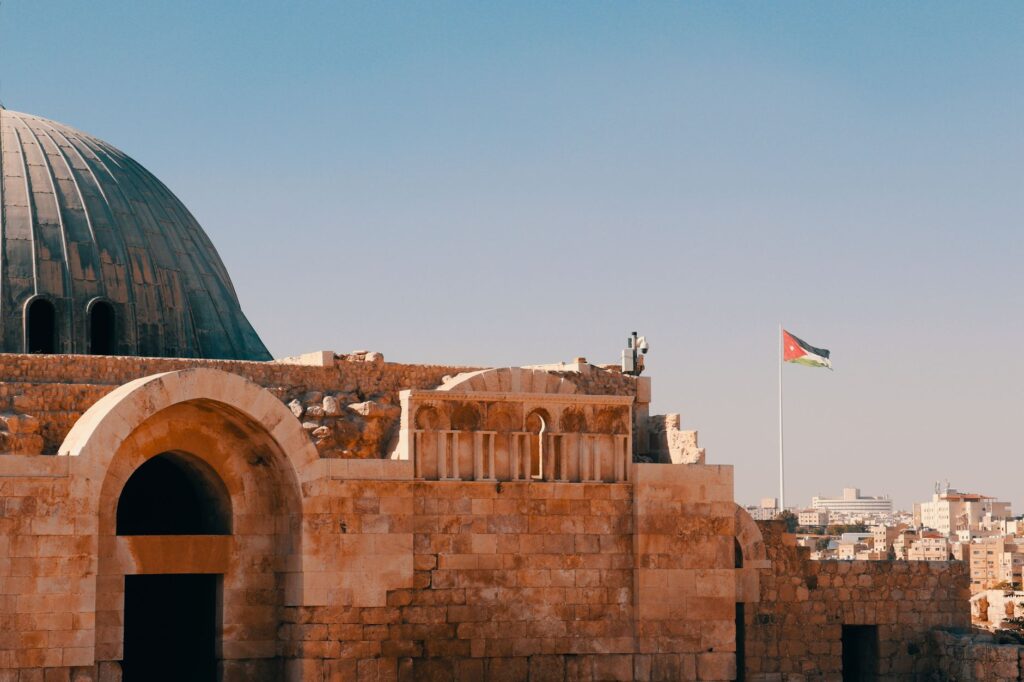
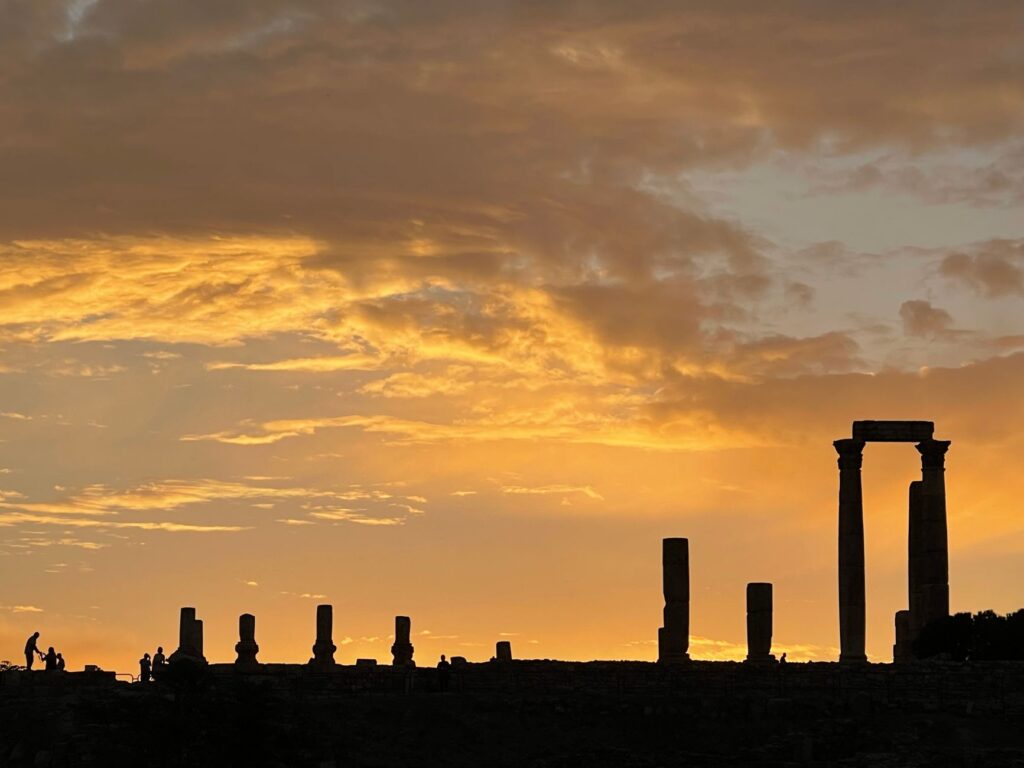
At dusk, when golden light bathes mosque domes and the ancient fortress walls, Ajloun recovers a solemn quietude inviting reflection. The olive-covered hills seem to merge with the twilight sky in a scene where time appears to expand. Residents return to their homes after a day of work in the fields or local commerce, closing a daily cycle repeating with the same cadence for centuries. In this northern corner of Jordan, the dignity of historical heritage and the warmth of its people offer visitors an unforgettable lesson regarding the permanence of the essential.