
The Peninsula Where Ocean and History Converge
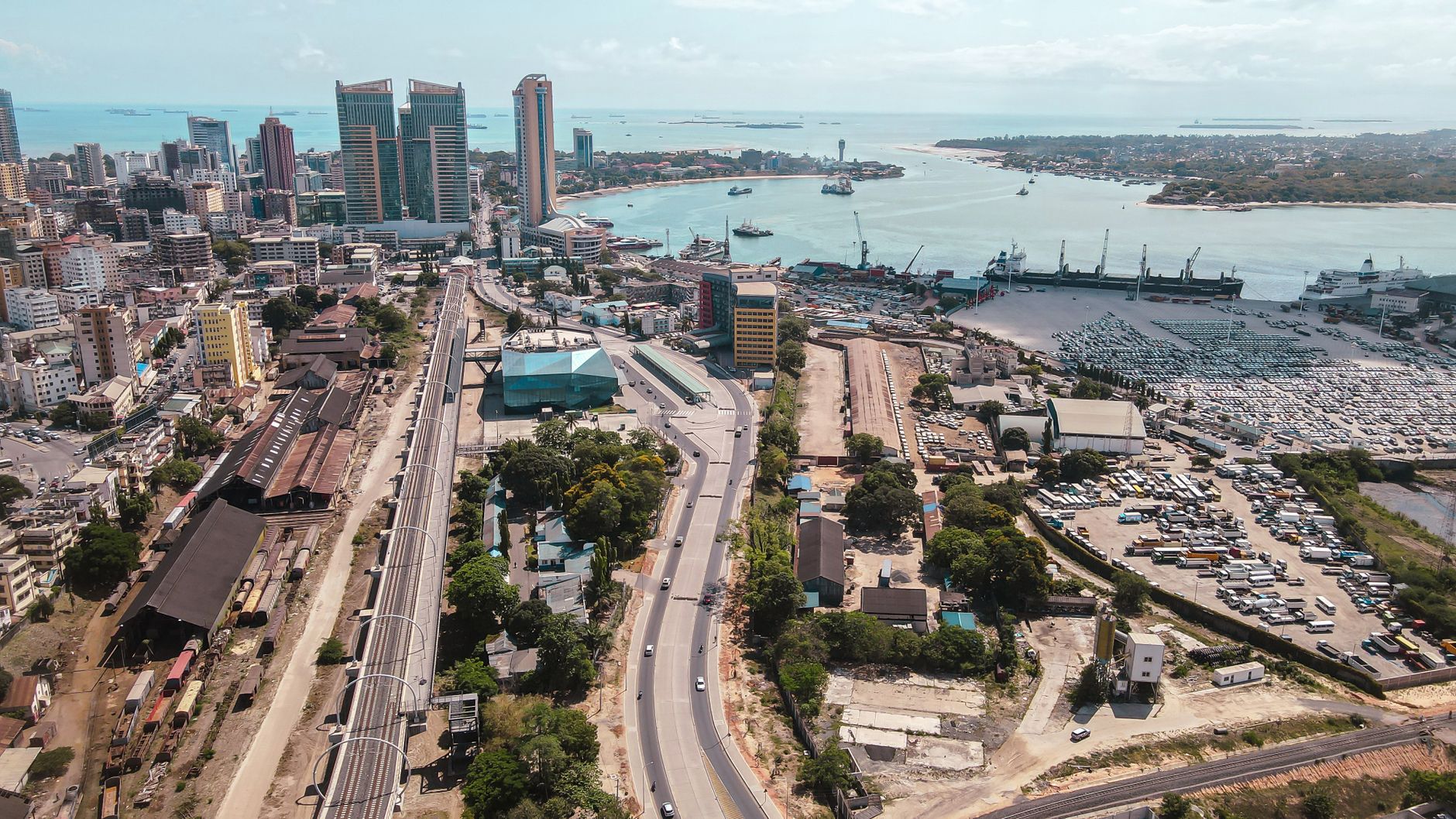
Overlooking the warm waters of the Zanzibar Channel with quiet determination, the Tanzanian metropolis of Dar es Salaam displays an urban geography where Swahili heritage and contemporary momentum engage in an effortless dialogue. Home to a population exceeding five million residents, this economic capital of Tanzania maintains a vital pulse shaped by sea breezes, peripheral mangroves, and a network of tree-lined streets that gently descend toward the docks. The average altitude, situated barely twenty-four meters above sea level, infuses the atmosphere with a constant humidity that defines both traditional architecture and the daily rhythms of its inhabitants. Unlike other enclaves on the African continent devoted solely to vertical growth, human scale survives here in interior courtyards and porticoed galleries flanking historic administrative quarters.
The urban layout reveals a superposition of cultural influences ranging from early fishing settlements to the colonial imprint of the late nineteenth century and the post-colonial urban transformations. Facades of stucco faded by sea salt and corrugated iron roofs coexist with historic mosques whose minarets slice the azure profile of the Indian Ocean. Walking through the Ilala district or approaching the fringes of the port reveals how community life moves outdoors as soon as dawn breaks. Pavements fill with small stalls selling fresh coconuts, while open-air mechanical and carpentry workshops set in motion a neighborhood economy based on repair and everyday ingenuity.
Colonial Architecture and the Residential Fabric
The city’s architectural heritage tells the story of a strategic port that successfully attracted Persian, Arab, Indian, and European merchants. Official buildings from the German and British eras, characterized by large windows oriented to capture the slightest gust of wind and wide shaded galleries, still stand providing administrative or cultural services. These structures of thick coral and lime walls offer a visual counterpoint to popular residential buildings, locally known as swahili houses, structured around a shared central courtyard where families converge to cook, converse, and wash clothes.
This housing model fosters a very particular social cohesion, where individual privacy balances with active participation in communal affairs. Carved wooden doorways, influenced by the Omani tradition that also permeates the neighboring archipelago, display Koranic inscriptions and geometric motifs denoting the status and devotion of their former owners. Today, neighborhood collectives and municipal authorities collaborate in cataloging these heritage elements to prevent modern real estate pressure from disfiguring the historical identity of older districts. The preservation of these structures does not stem from nostalgic gazing, but from the realization that their bioclimatic design offers far superior living solutions than contemporary concrete blocks.
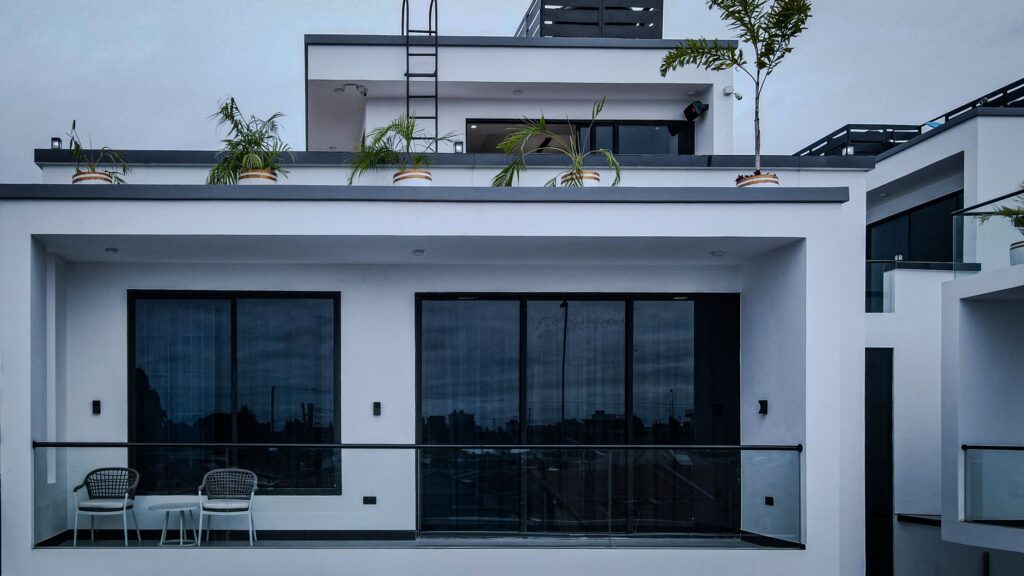
The Artisanal Pulse of Wood and Metal
In the inner streets of Gerezani and its surroundings, the steady sound of manual saws and the aroma of mahogany and ebony wood herald the presence of woodworking workshops. These collective workspaces are true centers for the transmission of knowledge where master carpenters instruct younger generations in the art of assembling durable furniture without heavy industrial machinery. Each piece, from bridal chests to robust dining tables, is crafted with meticulous attention to grain and resistance against termites and marine humidity. Woodworking in this area of Tanzania reflects a sober, functional aesthetic prioritizing public and domestic utility over ostentation.
Alongside carpentry, light metalwork plays a fundamental role in proximity economics. Small artisans recycle steel drums and auto parts to manufacture agricultural tools, portable braziers, and decorative fences for homes. This culture of repurposing does not arise from precarity, but from an ethical respect for material resources characterizing Tanzanian society.
The true wealth of a neighborhood lies not in the accumulation of imported goods, but in the capacity of its inhabitants to transform the everyday into enduring beauty through joint effort.
Tool markets and organized scrap metal stalls form part of a commercial ecosystem where buyers can converse directly with craftspeople, learn material origins, and commission custom repairs that indefinitely prolong the useful life of objects.
Public Spaces and Coastal Coexistence
As afternoon progresses and the sun descends toward the western horizon, the city’s squares and seafront promenades undergo a radical transformation. The waterfront known as Kivukoni Front fills with families, students, and street vendors enjoying the sea breeze while watching the transit of ferries and traditional lateen-rigged sailing boats crossing toward the Kigamboni peninsula. These public spaces function as the grand open salon of the city, an intergenerational meeting point where socioeconomic differences dissolve under the common denominator of outdoor leisure and oceanic landscape contemplation.
Urban parks, though threatened by road infrastructure growth, retain centuries-old trees like baobabs and flamboyant trees providing indispensable shade during peak solar hours. Spontaneous debates on politics, football, or poetry in Swahili—the national language uniting the country’s vast ethnic diversity—unfold in these enclaves. Preserving these green lungs and open squares constitutes one of the greatest challenges for urban planners, who are acutely aware that the livability of a major tropical capital depends critically on collective decompression spaces against noise and vehicular traffic.

Urban Gastronomy and Food Markets
The Tanzanian table in this coastal enclave is the flavorful result of blending spices brought by Indian Ocean trade routes with agricultural products from the interior. In the bustling aisles of food markets, mounds of cloves, cardamom, turmeric, and black pepper share space with fresh vegetables, tubers, and a wide variety of fish freshly hauled from the channel. Everyday cooking relies on comforting dishes such as ugali—a dense maize or cassava polenta—accompanied by fish in coconut sauce, peanut-braised spinach, and fried ripe plantains.
Nighttime street food stalls, popularly known as mishkaki, offer grilled marinated meat skewers emitting an unmistakable aroma capable of gathering neighbors of all ages around portable grills. The culinary experience goes beyond food consumption, constituting a social act of community affirmation.
Eating together in the street, sharing wooden benches and intertwined conversations, is the invisible glue holding together a population in constant internal migration.
Likewise, consuming ginger- and cardamom-spiced tea on neighborhood street corners marks necessary pauses for rest and local news exchange.
Sustainability and Responsible Visitor Decisions
Contemporary tourism arriving in this East African region faces the inescapable challenge of traveling with an ethical perspective respectful of local balances. Mass tourism often overlooks the rich urban life of the capital to focus exclusively on national park safaris or the beaches of the Zanzibar archipelago, ignoring the historical and human value this port treasures. Opting for responsible tourism entails lodging in establishments managed by residents, hiring certified local guides, and consuming products crafted in the artisanal workshops of the neighborhoods visited.

Furthermore, conscious travelers must minimize environmental impact by reducing single-use plastics and respecting local regulations regarding attire and photography in religious or residential spaces. Respectful interaction with artisans, merchants, and residents fosters genuine cultural exchange enriching both parties and ensuring economic tourism benefits remain within the host community. Experiencing this urban environment through empathy and intellectual curiosity banishes stereotypes and values the complex social architecture of one of the continent’s most dynamic metropolises.
Practical guide
When to travel: The driest and most recommended months for exploring the city run from June to October and from December to February, when rainfall is less frequent and daytime temperatures hover around twenty-eight to thirty degrees Celsius.
How to get there: Julius Nyerere International Airport (IATA code: DAR), located about twelve kilometers from the urban center, receives direct air connections from major African, European, and Middle Eastern capitals.
Internal transport: To move between districts, using the bus rapid transit (BRT) system or authorized official taxis is recommended, always agreeing on the fare before starting the journey if the vehicle lacks a meter.
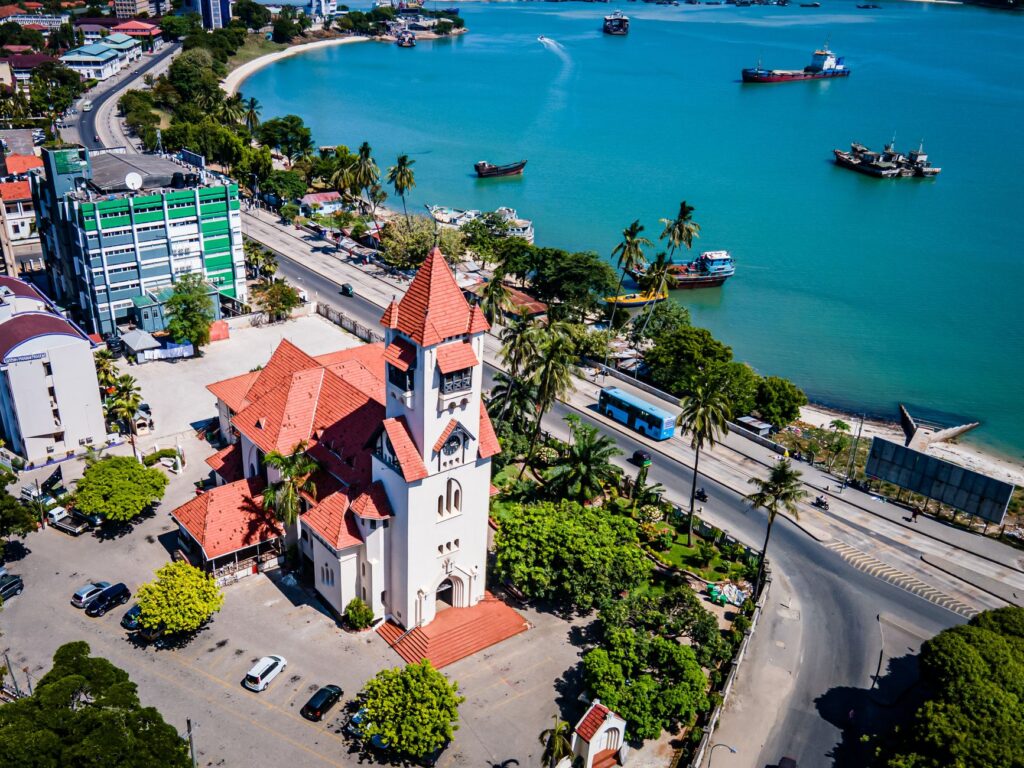
Accommodation: Varied options exist, ranging from small boutique hotels housed in restored historic buildings to family guesthouses in the residential districts of Ilala and Kinondoni.
Health and safety: Consulting mandatory vaccination requirements, such as yellow fever, in advance is essential, alongside exercising standard precautions typical of any large cosmopolitan city regarding personal belongings in crowded areas.
Daily Serenity Facing the Indian Ocean
At dusk, when minarets broadcast the call to prayer and fishing boat lights begin to flicker along the marine horizon line, Dar es Salaam recovers a truce of endearing calm. Along the coral stone balustrades facing the channel, elders converse in hushed tones while youth contemplate the rhythmic motion of waves against pier pilings. This final snapshot, removed from conventional tourist circuits, summarizes the true essence of a city that has successfully woven its identity from collective effort, seafaring memory, and unwavering respect for its cultural heritage.