
The Peninsula Where Waters and Bilingualism Converge
On the shores of the Gulf of Bothnia, the Finnish city of Vaasa unfolds as a territory where maritime geography and cultural heritage coexist in a delicate balance. Far from the large metropolises of the south, this municipality in the Ostrobothnia region organizes its daily life through a solid bilingual identity, where Finnish and Swedish intertwine naturally in the streets, businesses, and educational institutions. The urban layout of the town, marked by reconstruction following the great fire of the 19th century, prioritizes the breadth of its tree-lined avenues and the constant presence of the Baltic Sea, whose tides directly influence the rhythm of daily commutes and outdoor activities.
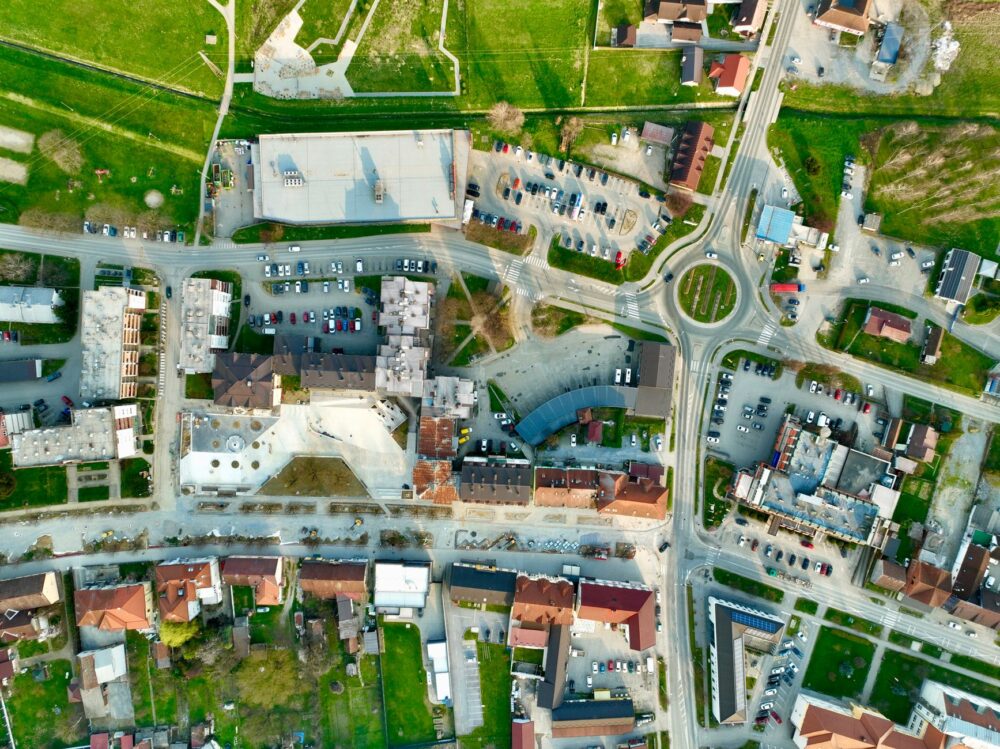
The grid system designed by architect Carl Axel Setterberg after the 1852 fire endowed the city with a clear geometric structure, conceived to prevent future disasters and facilitate urban ventilation. Today, this historic design allows morning walks from residential neighborhoods to the commercial center to proceed with notable fluidity. Gable roofs, soberly colored facades, and parks integrated into every district generate an environment where human scale prevails over the anonymity of large European cities. Community life finds a permanent meeting point in these public spaces, where residents move about with the calm typical of northern latitudes.
Beyond the immediate center, urban development has embraced modern standards of sustainability while respecting the historical layout. Neighborhoods blend seamlessly into the coastal geography, creating transitional zones where municipal parks meet natural vegetation. This careful integration fosters a strong sense of place, encouraging residents to spend time outdoors regardless of the seasonal shift from long summer daylight to the deep twilight of winter.
The Commercial Pulse of the Port Market
In the heart of the town, the central market and stalls located near the port act as the economic and social thermometer of the community. From early morning, local producers display a variety of products typical of Finland’s west coast, from fresh fish caught in the gulf’s waters to wild berries harvested in the surrounding forests during the summer months. This commercial exchange represents not merely an economic transaction, but a socialization ritual where vendors and regular shoppers exchange news about the weather, tides, and upcoming cultural events organized in civic centers.
The architecture of the indoor markets reflects the functionality and sobriety characteristic of Nordic design, prioritizing natural lighting and the use of local materials such as wood and gray granite. Around these buildings, small neighborhood cafes become the preferred refuge during winter months, when sunlight is scarce and temperatures drop significantly. In these establishments, leisurely conversation and drip coffee consumption form part of a deeply rooted routine that helps residents endure the long months of darkness with a serene and resilient attitude.
Local gastronomy draws heavily from these daily interactions, connecting consumers directly with regional farmers and fishermen. The markets serve as vibrant educational hubs where culinary traditions are passed down, ensuring that recipes featuring coastal catches and forest yields remain central to household cooking across generations.
Residential Architecture and Historical Heritage
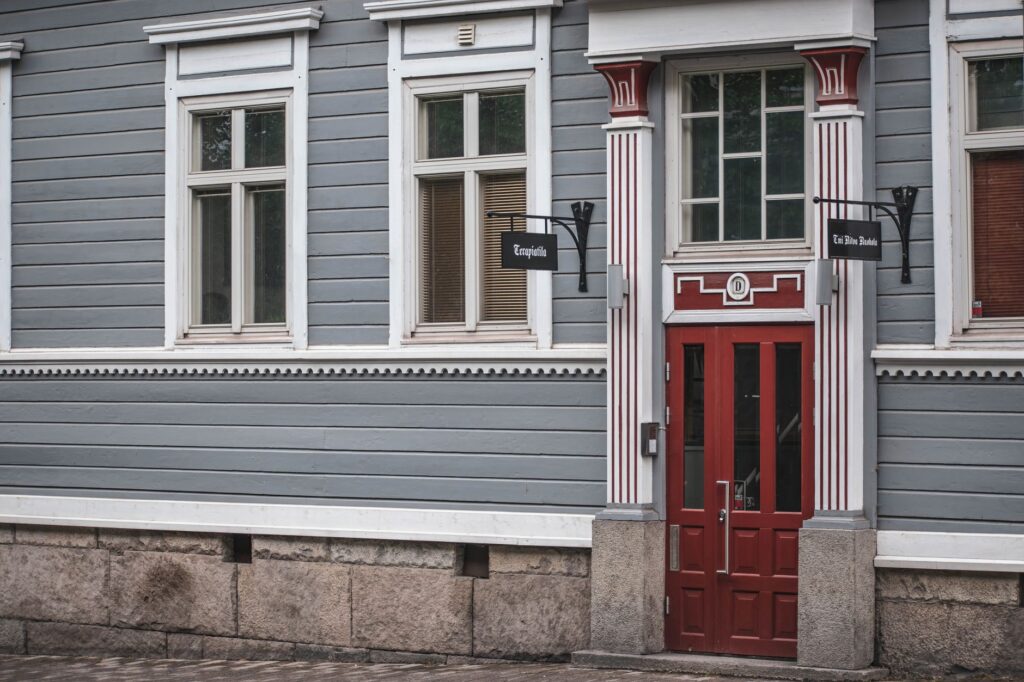
Vaasa’s architectural heritage tells a story of transformation and resilience. Following the relocation of the original town to its current coastal site after the 1852 fire, urban planners sought to create an ahead-of-its-time garden city model. Single-family wooden homes, carefully maintained by their owners, alternate with low-rise residential buildings that preserve the aesthetics of the late 19th and early 20th centuries. This respect for the original scale avoids visual saturation and allows interior courtyards and private gardens to form part of the visible urban landscape from the sidewalks.
Heritage conservation is not limited to protected monuments, but resides in the daily care that each family dedicates to their traditional homes.
Neighborhood associations play a fundamental role in preserving this architectural identity. Through community maintenance initiatives and traditional restoration workshops, residents learn to preserve wooden claddings and original ornamental details without resorting to standardized solutions. This collective commitment ensures that entire neighborhoods maintain their historic character, offering a striking visual contrast between traditional wooden buildings and contemporary structures dedicated to university research and technological innovation that have emerged in recent decades.
The preservation of these historical assets requires continuous collaboration between municipal authorities and private homeowners. Technical guidelines ensure that repairs use compatible materials, thereby safeguarding the authentic texture of the streets and preventing commercial homogenisation from eroding local character.
Green Spaces and the Relationship with the Archipelago
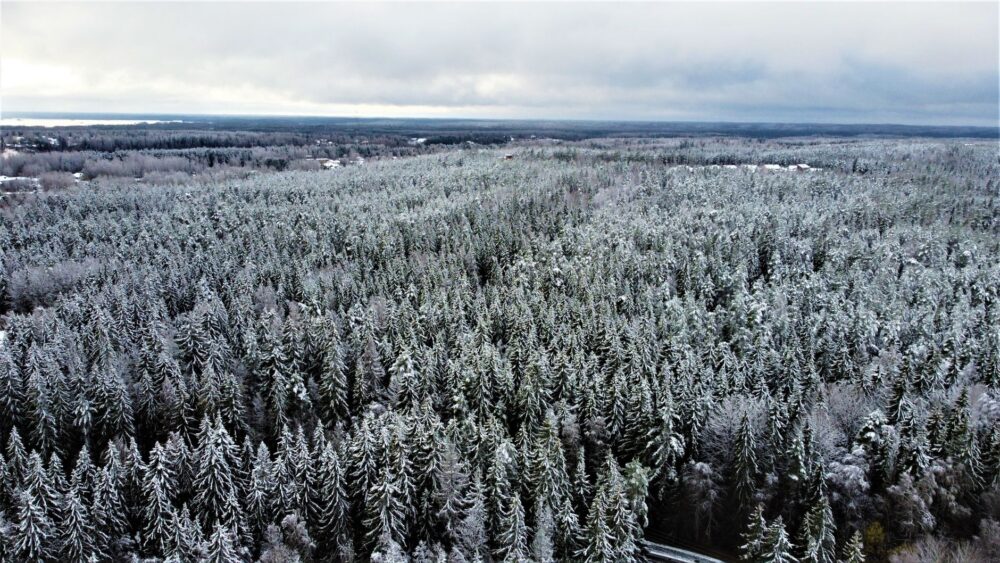
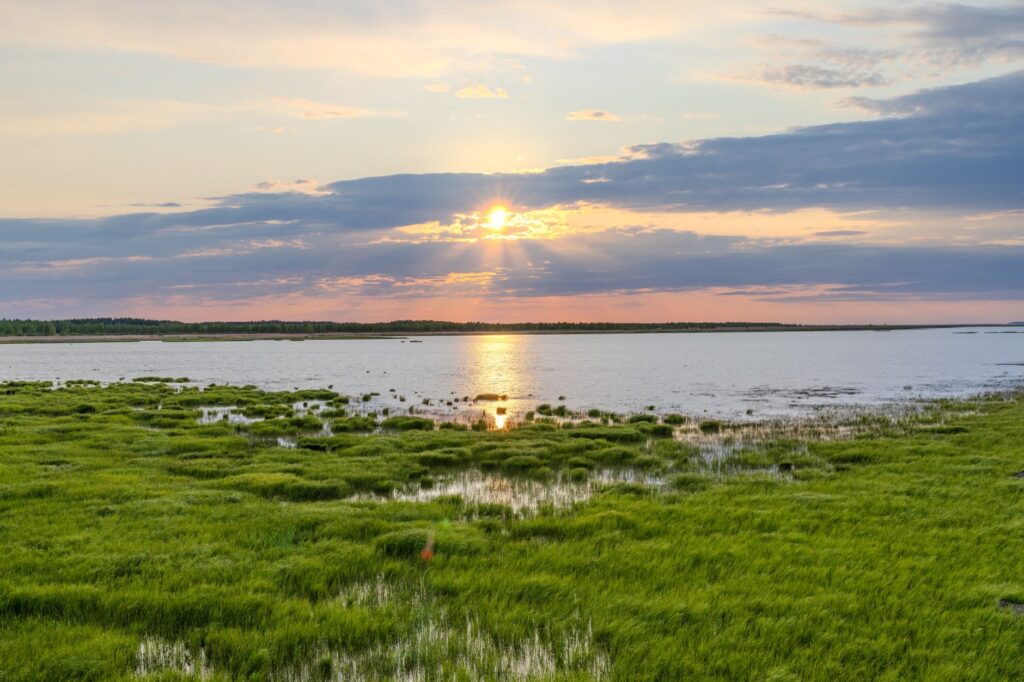
The surrounding nature constitutes a direct extension of the urban space in Vaasa. Public parks, such as Esplanaden, cross the urban fabric connecting different neighborhoods and offering green corridors where local fauna and native vegetation coexist in full harmony. Just minutes from the center, the Kvarken Archipelago, declared a UNESCO World Heritage site due to the unique phenomenon of post-glacial rebound, constantly reminds inhabitants of the land’s continuous evolution against the sea. This geological process, which elevates the terrain by a few millimeters each year, subtly modifies the coastline and generates new islands and inlets that residents explore during weekends.
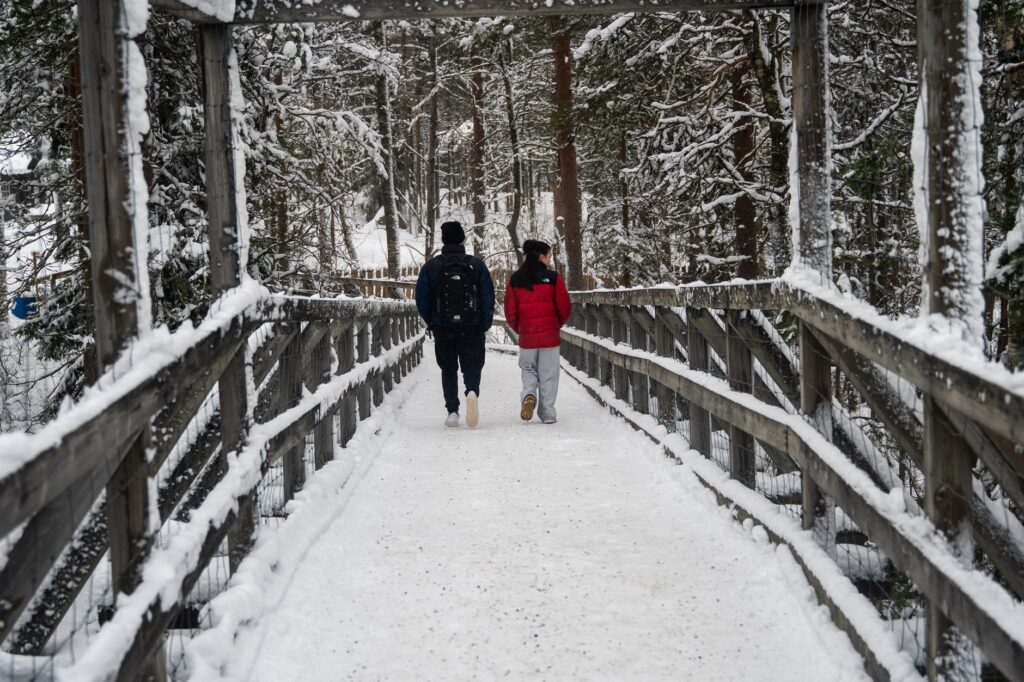
Hiking trails and coastal paths are designed for respectful and sustainable use, allowing public access without altering the area’s fragile ecosystems. During the months when ice covers part of the gulf, the trails transform into improvised tracks for cross-country skiing and snowshoeing, integrating sports practice into the winter routine of people of all ages. The citizenry embraces this coexistence with the natural environment as a civic responsibility, prioritizing bicycles and public transport to minimize environmental impact during daily commutes.
Environmental education initiatives reinforce this connection, engaging schools and local organizations in coastal cleanup campaigns and biodiversity monitoring. Such programs ensure that younger generations inherit both a deep appreciation for the landscape and practical knowledge on how to protect it from mounting ecological pressures.
Cultural Life and Responsible Visitor Decisions
Vaasa’s cultural offerings draw nourishment from its status as a bridge between diverse linguistic and artistic traditions. Bilingual theaters, concert halls, and local museums schedule year-round activities reflecting both Ostrobothnia’s maritime history and contemporary northern European artistic trends. These institutions function as dynamic integration centers where young creators and veteran residents collaborate on community projects that strengthen the city’s social fabric.
For travelers arriving in this corner of Finland, a respectful and conscious approach is essential for understanding local idiosyncrasies. Recommendations for a balanced stay include:
- Utilizing the municipal bike lane network to explore both the urban center and adjacent coastal areas.
- Supporting local commerce and farmers’ markets when purchasing food and crafts.
- Respecting coexistence rules in natural spaces, especially within the protected areas of the Kvarken Archipelago.
- Participating in community cultural activities while maintaining a receptive attitude toward the region’s bilingual traditions.
- Efficiently managing waste and minimizing energy consumption during stays in local homes or hotels.
Visitors are also encouraged to engage with local museum exhibitions that detail the area’s complex administrative shifts and linguistic heritage, providing a richer context for everyday observations made during walks through the historic quarters.
Practical guide
How to get there: Vaasa features regular air connections from Helsinki-Vantaa Airport, as well as a direct rail line operated by VR connecting the Finnish capital to the west coast in approximately three and a half hours.
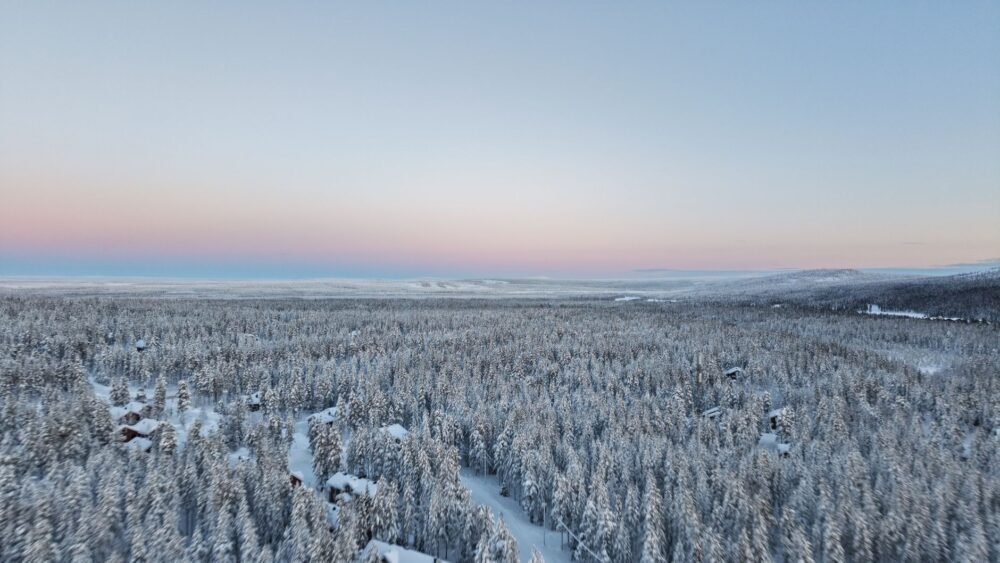
When to visit: Summer months (June to August) offer extended daylight hours with nearly continuous sunlight and mild temperatures ideal for exploring the archipelago. Winter (December to February) attracts those seeking snowy landscapes and traditional experiences tied to the Nordic cold.
Accommodation: Hotel options are concentrated in the urban center and range from traditional hotels to independent choices committed to sustainability and energy efficiency.
Gastronomy: Visitors are encouraged to sample dishes prepared with fresh gulf fish, such as salmon and whitefish, accompanied by seasonal produce from Ostrobothnia’s gardens and forests.
Getting around: The city’s compact layout and extensive cycling paths make non-motorized transport the most practical and environmentally friendly option for exploring local districts.
Final Reflection on the Gulf Horizon
The true character of a coastal community is measured by its capacity to listen to the slow rhythm of the sea and pass it on to new generations without losing its identity.
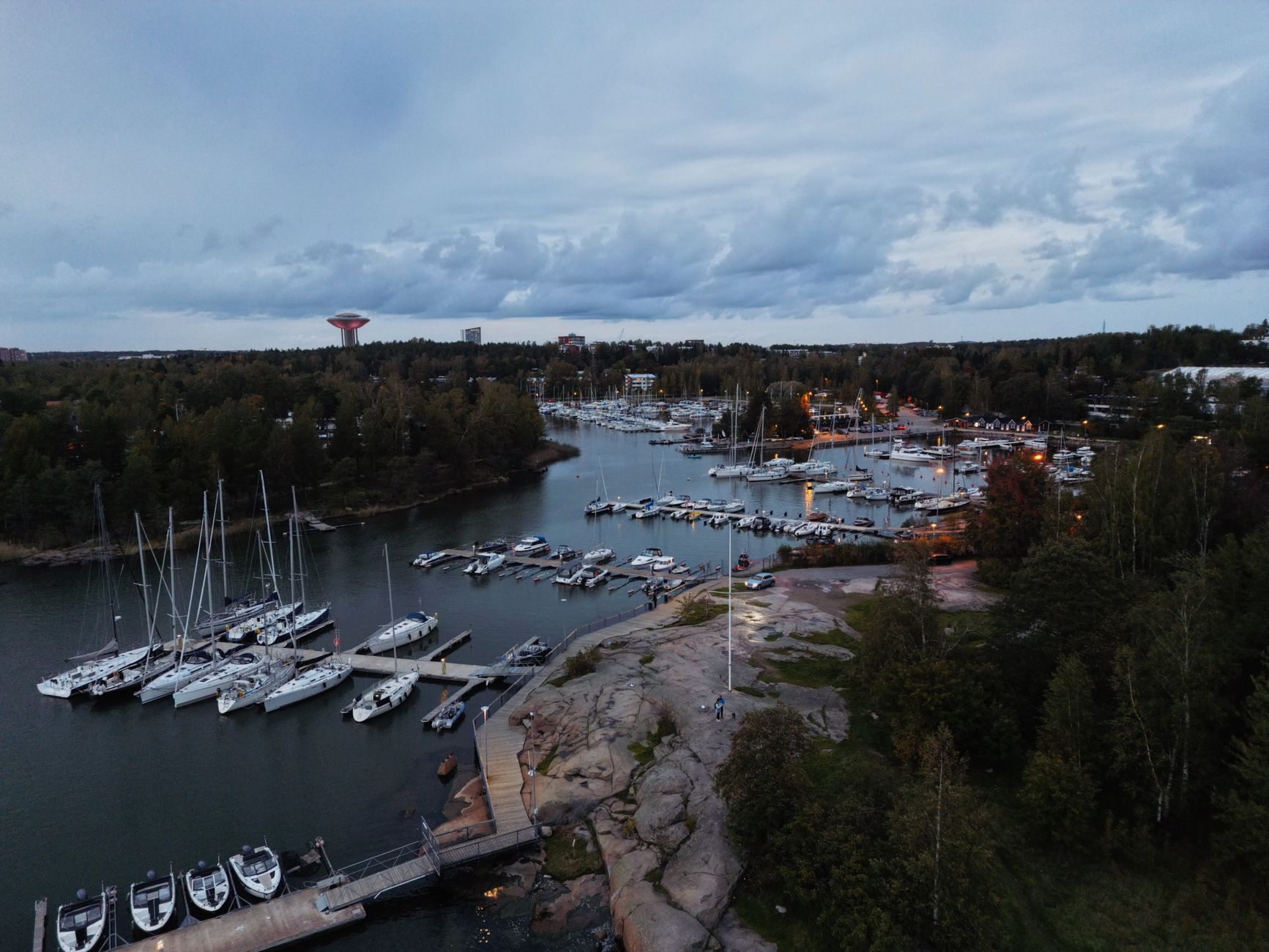
Contemplating the sunset over the waters of the Gulf of Bothnia from the docks of Vaasa reveals that the true wealth of this territory lies in its everyday coherence. Here, technological modernity and respect for historical heritage do not compete, but rather complement each other to offer a lifestyle model where collective well-being and the protection of the natural environment advance in the same direction. The city thus remains an eloquent testimony to how a community can project itself into the future while keeping its cultural and geographical roots intact.
As urban centers globally grapple with the challenges of sustainable development, the experiences recorded along this Finnish coast offer a compelling example of balance. Through careful stewardship of wooden architecture, bilingual education, and thoughtful interaction with a shifting natural landscape, the residents demonstrate that progress and preservation can successfully reinforce one another over the long term.