
Arriving at a Northern Crossroads
Situated in northeastern Morocco, the city of Nador stands as a vital meeting point between the Mediterranean Sea and the foothills of the Rif mountains. With a population exceeding 170,000 residents, this port and administrative enclave has evolved remarkably over recent decades. The region’s topography, defined by the vast Marchica lagoon and surrounding mountain elevations, has historically shaped the movements of its inhabitants. Within this geographical context, transport infrastructure is not merely a means of shortening distances, but the backbone supporting economic activity and social cohesion across the entire eastern province.
The railway system serving this part of the country represents a continuous evolution in how citizens relate to their territory. From early layouts designed to facilitate trade and resource extraction to the modernization of current stations, the train has transformed the travel experience. The carriages connecting Nador to the rest of the Moroccan national network allow passengers to navigate the rugged northern terrain with a predictability that contrasts with the harshness of traditional roads. For local residents, the railway is a constant presence in the daily landscape, a visible reminder of the north’s integration into the kingdom’s major communication routes.
Railway Heritage and the Memory of the Landscape
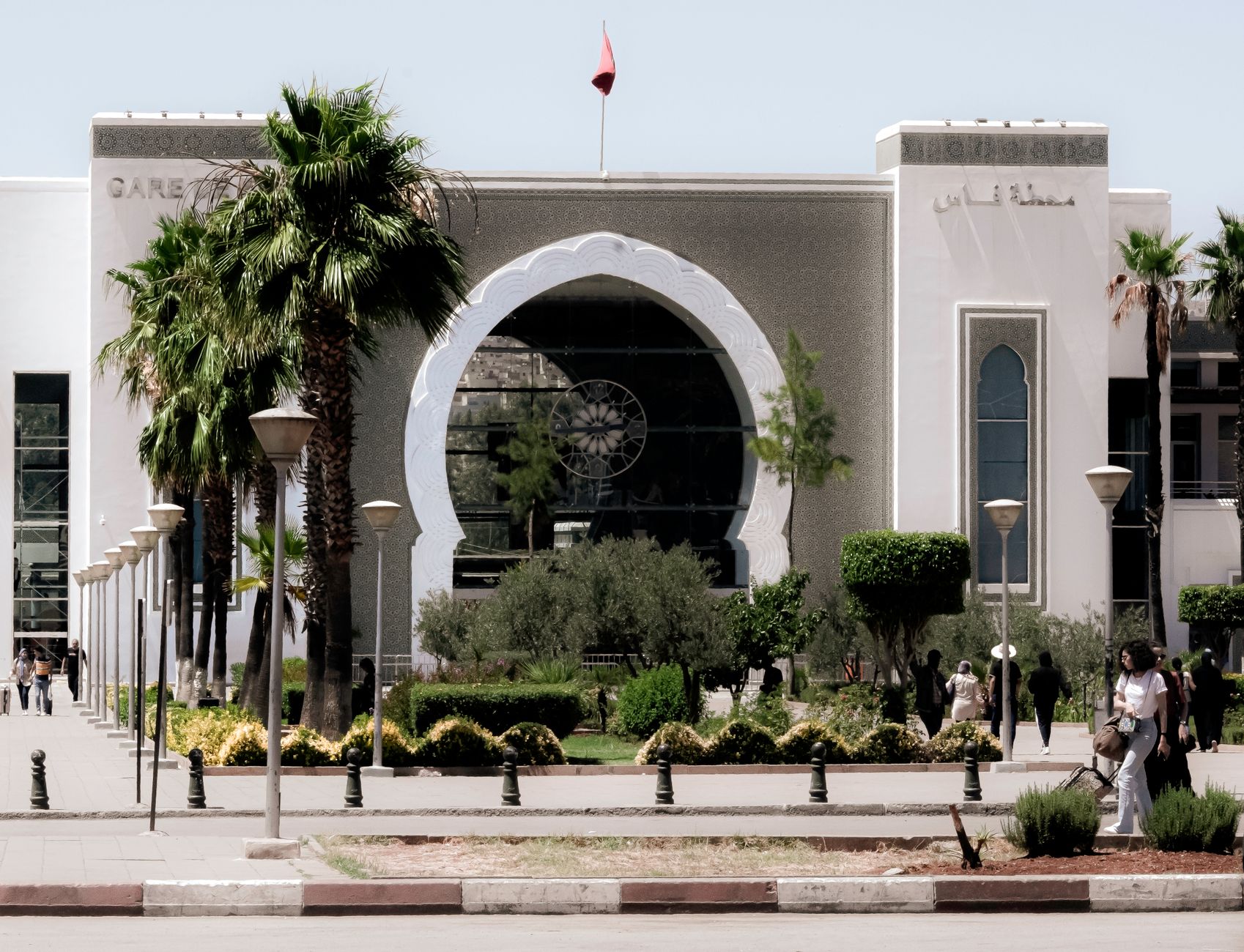
The history of rails in Morocco possesses multiple layers, where the traces of colonial legacy coexist with investments from recent decades aimed at consolidating a modern network. In Nador, the arrival of the train marked a turning point in opening the region toward the country’s interior. The old stations, though renovated to meet contemporary technical requirements, retain the echo of an era when every convoy was a social event. Travelers who step off at local terminals today move through spaces where functional architecture blends with the characteristic light of North Africa.
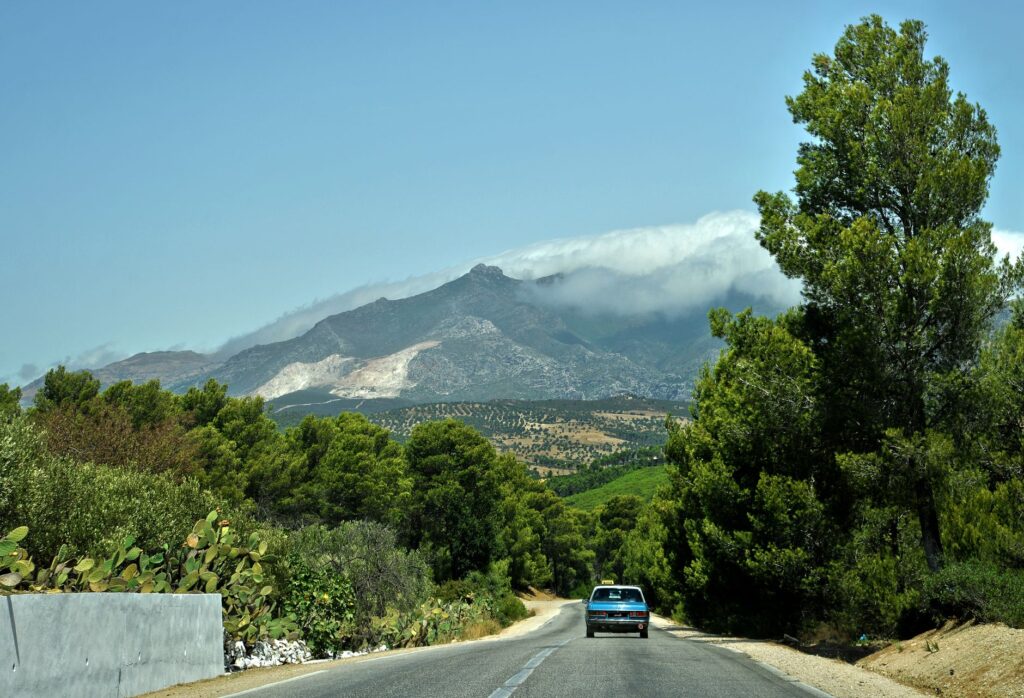
The railway layout meanders through valleys and plains, offering a unique perspective on the transition between the coast and the mountainous interior. The metal structures of bridges and cuttings carved into the rock stand as testimony to a construction effort sustained over time. This material heritage does not belong solely to history books; it manifests daily in the coming and going of passengers carrying goods, memories, and personal projects from one city to another. The railway acts as a guiding thread uniting the collective memory of port neighborhoods with interior communities.
Station Architecture and Urban Integration
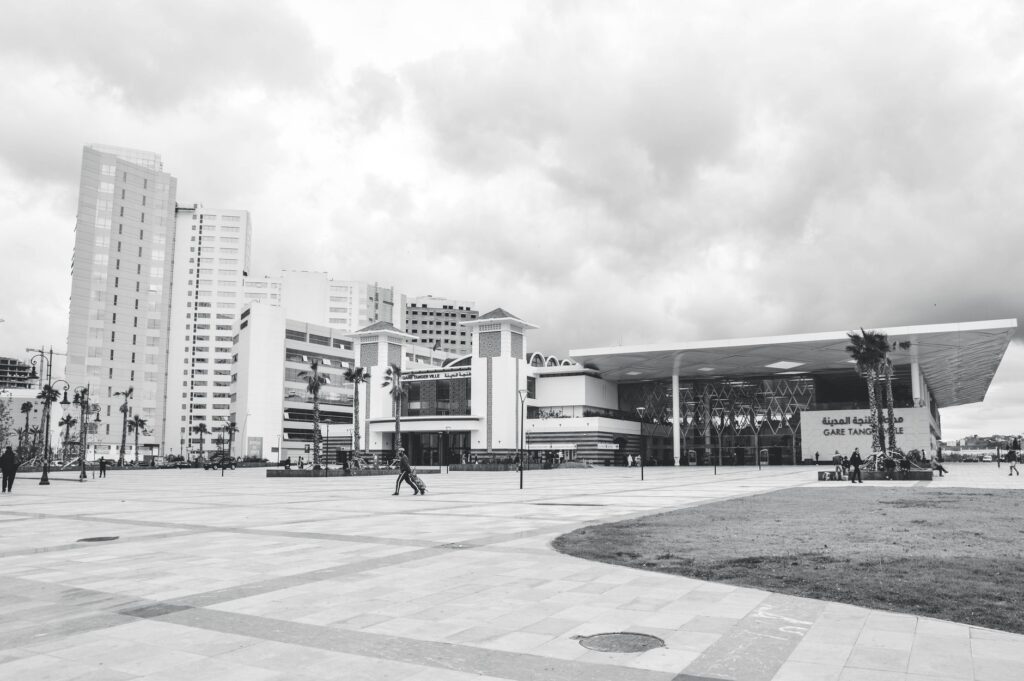
Nador’s railway terminals stand out for their capacity to organize the flow of people and connect the city’s diverse neighborhoods. Far from being isolated elements, these buildings have integrated organically into the urban fabric, serving as departure points for city buses, taxis, and pedestrian pathways. The layout of platforms and waiting rooms reflects planning geared toward the fluidity and comfort of a diverse population, composed of everyday workers, occasional travelers, and the diaspora returning during holiday periods.
The architectural design of these facilities prioritizes luminosity and spaciousness, allowing Mediterranean light to flood transit areas. Metal canopies and wide lobbies offer shelter against seasonal weather variations, from the intense heat of summer months to the crisp winds descending from the Rif. Around the stations, local commerce flourishes, creating small economic ecosystems where cafes, kiosks, and neighborhood markets benefit from the constant bustle of passengers. Thus, transport infrastructure stimulates the economic vitality of surrounding districts.
Daily Routine Upon the Rails
For thousands of Moroccans, the day begins early on Nador’s platforms. University students, merchants, and professionals use the railway service as an indispensable tool for their regular commutes. The punctuality and comfort of modern trains have progressively displaced other forms of road transport for medium and long-distance journeys, offering a safer and more sustainable alternative to national highway congestion.
The train is not merely an efficient means of transport; it is the space where the personal stories of those who build the daily life of the eastern region converge, weaving an invisible net of shared expectations and camaraderie.
Inside the carriages, the atmosphere unfolds among reading, quiet conversation, and contemplation of the landscape through the windows. The traveling vendors of the past have given way to standardized onboard services, but the atmosphere of camaraderie among regular travelers remains unchanged. It is common to observe passengers sharing news about weather conditions, local market prices, or agricultural prospects, turning the journey into an extension of the community life found in their home neighborhoods.
Regional Mobility and Environmental Challenges
Nador’s demographic growth, which now comfortably surpasses 170,000 residents, poses new challenges for managing its transport network. The integration between the railway, the port, and the city’s international airport requires constant coordination to prevent bottlenecks and ensure efficient intermodality. Local authorities and national railway operators collaborate on optimizing schedules and improving terrestrial access to stations, seeking to reduce the environmental impact of road traffic within the urban center.
The transition toward more sustainable mobility models finds its best ally in the train. By absorbing a significant portion of passenger traffic that traditionally moved by private vehicles, the railway helps decrease polluting gas emissions in a region of high ecological value, close to the protected wetlands of the Marchica lagoon. This balance between infrastructural development and environmental conservation constitutes one of the pillars shaping Nador’s urban future in the twenty-first century.
Commercial Pulse and the Port Connection
Nador’s economic activity is intrinsically linked to its status as a maritime gateway to the Mediterranean. Goods arriving at the docks find the appropriate channel for distribution toward interior markets through land and rail transport networks. Although heavy freight traffic shares space with passenger routes, the synergy between the port and rail infrastructures enhances the commercial competitiveness of the entire eastern province.
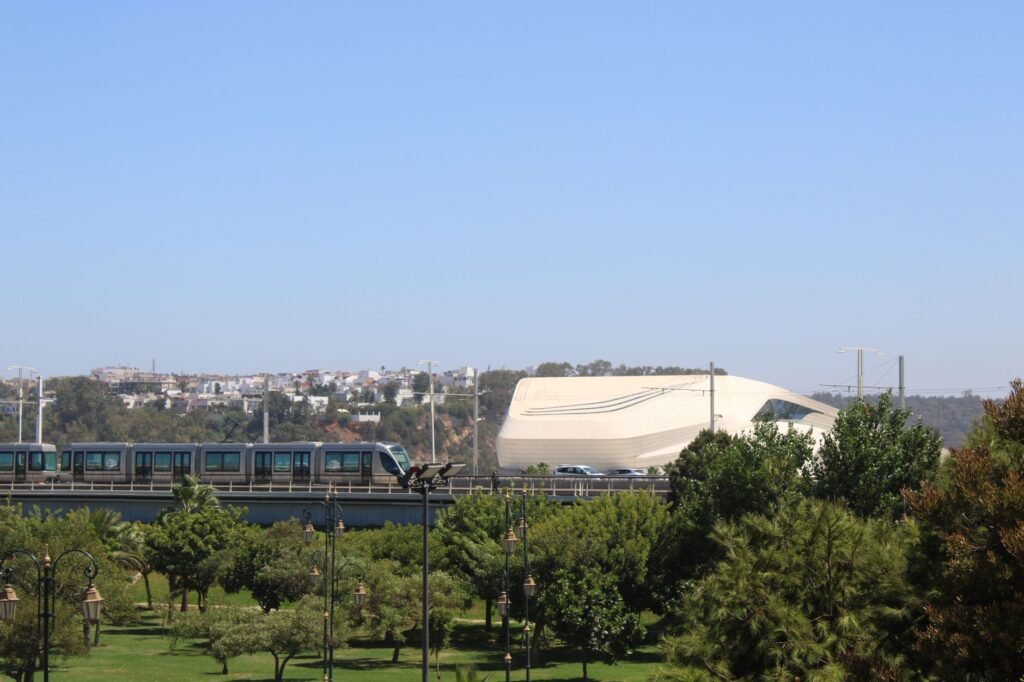
Local merchants value predictability in supply deliveries, a determining factor for stocking souks and urban commercial zones. This logistical fluidity directly impacts price stability and the variety of products available to consumers. Thus, the transport system acts as a barometer of the regional economy, reflecting both moments of commercial expansion and periods of seasonal economic adjustment.
Cultural Heritage and Border Encounters
Nador’s geostrategic position has historically fostered a rich cultural exchange, accentuated by proximity to the autonomous city of Melilla and intense cross-border mobility. This plurality manifests in the daily use of multiple languages—including Moroccan Arabic, Tamazight, and Spanish—as well as in the diversity of customs coexisting in public spaces. Train stations function as convergence points where this cultural mosaic becomes especially visible, gathering travelers from highly diverse backgrounds.
The identity richness of the province draws strength from these confluences. Families dividing their residence between Europe and Morocco regularly use the train upon disembarking from ferries, integrating railway infrastructure into their seasonal return rituals. This constant flow of people brings a cosmopolitan dimension to urban life, without losing local traditions rooted in Rif and Mediterranean culture.
Practical guide
How to get there: Nador features air connections via Nador-Al Aroui International Airport, located about thirty kilometers south of the city center. Additionally, the port of Nador (Beni Ansar) receives regular ferries from ports in southern Spain and France. The railway network operated by ONCF connects the city with Fez, Casablanca, and Tangier through direct or combined links.
Urban transport: Mobility within the city relies on an extensive network of urban taxis (known as small taxis), local buses, and car rental services. Train and bus stations feature signposted stands with regulated fares to facilitate immediate access to the center and the Marchica lagoon.
When to visit: Spring months (March to May) and autumn (September to November) offer moderate temperatures ideal for exploring the city and its surroundings. Summer concentrates a high influx of visitors due to the seasonal return of the Moroccan diaspora residing abroad.
Gastronomy and shopping: Traditional markets in Nador offer a wide variety of fresh regional products, highlighting Mediterranean fish and local nuts. Waterfront and downtown restaurants allow visitors to sample typical dishes such as couscous, fish tagines, and Moroccan pastilla.
Shared Horizons at the Foot of the Rif
At sunset, when golden light bathes the slopes of the Rif and the surface of the Marchica lagoon acquires violet tones, activity around Nador’s railway tracks adopts a more leisurely pace. The day’s final convoys cross the overpasses, carrying weary travelers toward their homes after a day of work or study. In that moment of transitional light, the train reveals itself not only as a marvel of engineering applied to the territory, but as the enduring symbol of a people in constant motion.
The true measure of a transport route does not lie in the kilometers of track installed, but in the quality of human bonds it manages to preserve over time.
The experience of exploring Nador and its surroundings through its mobility infrastructure demonstrates that material progress and cultural identity can walk hand in hand. Between the murmur of the sea and the solidity of the mountains, the city continues writing its history upon steel rails, consolidating its position as an indispensable benchmark on the North African map for travelers seeking to understand the true essence of its communities.