The Urgency of Return and the Weight of the Gaze
There is a contemporary haste that turns journeys into mere accumulations of images. We cross entire continents with the false sense of possessing them, when in reality we barely brush the surface of complex realities that have spent centuries organizing themselves. Traveling, in its deepest sense, demands a prior renunciation: accepting that we do not arrive to dominate the landscape, but to be transformed by it. Each time we set foot in an unfamiliar territory, we enter a silent dialogue where the first and most demanding task is to learn how to be quiet.
The Hospitality of Everyday Silences
The true traveler does not seek the confirmation of expectations, but the fertile territory of surprise. In small villages, in cities waking up without witnesses, or in markets where time seems measured by the harvest cycle, the true substance of culture is hidden. There, hospitality is not a commercial service, but an ancient form of human respect. We are welcomed not for who we are, but for our willingness to listen without haste, recognizing that every crossed threshold implies a subtle ethical responsibility.
Nature as Archive and Memory
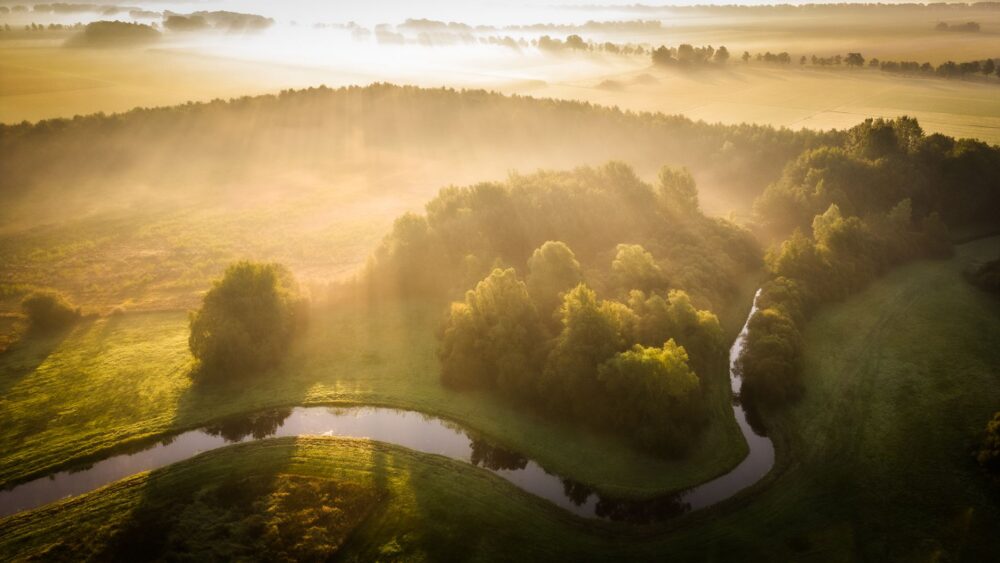
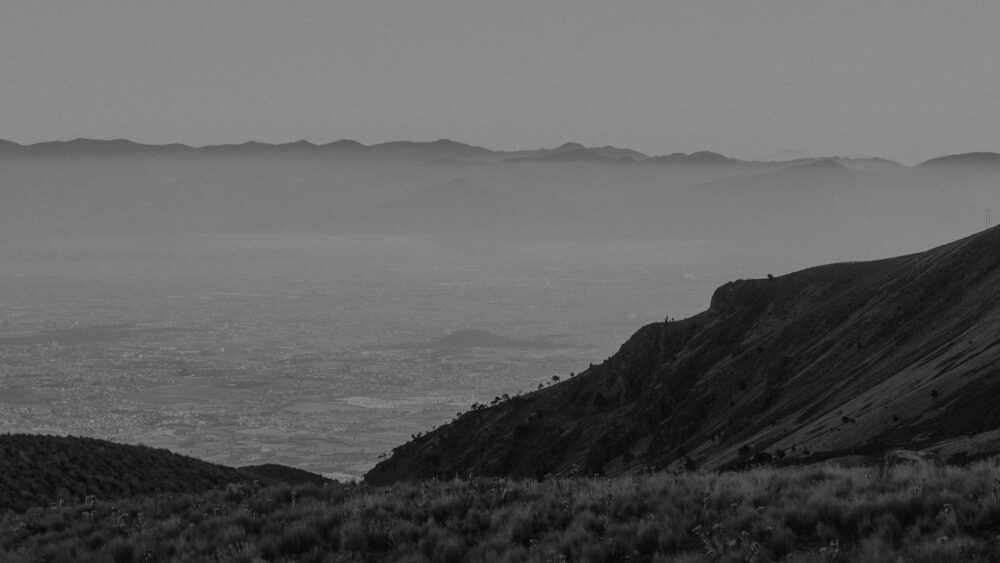
Looking at an ancient forest, a mountain range sculpted by centuries, or a river carrying the history of entire valleys returns us to our proper scale. Nature is not a backdrop designed for our leisure, but a living archive holding the geological and biological memory of the planet. Moving through these natural spaces demands reverent attention. Contemporary mobility has provided us with fast wings, but it has often stolen the patience of the road. Walking a path, pausing before an eroded rock, or contemplating migratory flight reminds us that we belong to a much vaster and more fragile web.
The Taste of Time in Territories
Local gastronomy is, in its purest essence, a form of edible geography. Eating a traditional dish in its place of origin is not an isolated hedonistic act, but a way to commune with the climatic, agricultural, and social history of a community. The ingredients that endure in a region explain the hardships of winter, the generosity of a spring, or the accumulated wisdom of generations that knew how to extract sustenance from scarcity. In every bite, there is a silent chronicle that deserves to be savored with gratitude and awareness.
The Responsibility of Looking Without Appropriation
Today more than ever, it is incumbent upon us to cultivate an ethic of mobility that knows when to withdraw in time. Mass tourism, devoid of wonder and respect, devours the very landscapes it claims to admire. Against that voracity, Atlas Lume defends a journey that leaves the lightest possible trace, a reflective transit that values the fair distance between traveler and host. It is not a matter of not moving, but of moving with the conviction that every place deserves our noblest attention and our most grateful memory.
The Echo That Remains When the Journey Ends
In the end, the best journeys are not those that appear on unfolded maps, but those that slowly settle within our inner selves. The experience of the world turns into wisdom when we renounce greed and embrace slowness. We return home transformed not by the number of miles covered, but by the depth of the shared gaze. The territory we visit survives within us as a silent ember that teaches us, every day, to inhabit our own land with greater respect and humility.