
Origins and Geography of an Isolated Metropolis
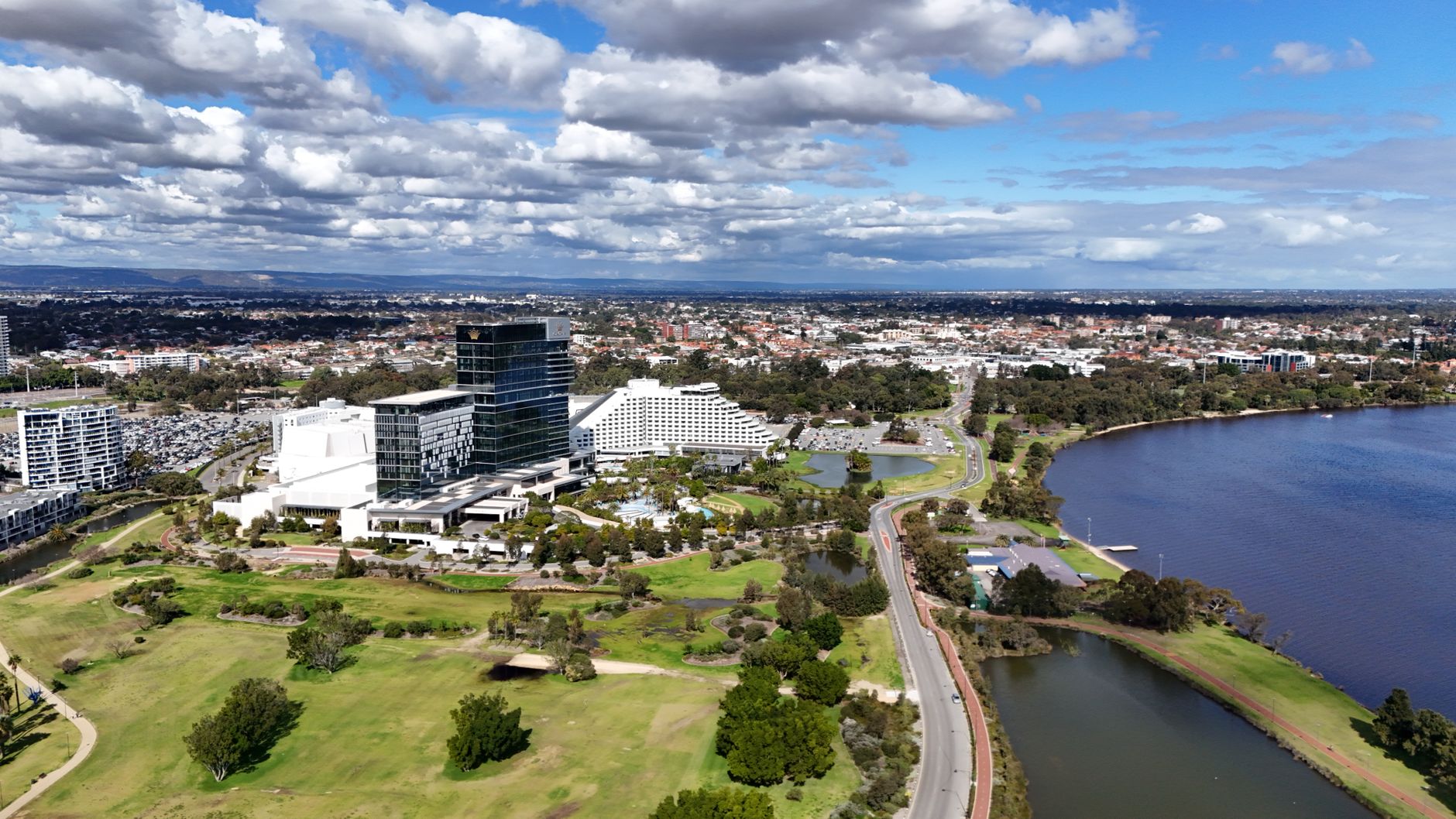
Situated on the western coast of Australia and washed by the broad waters of the Swan River, Perth unfolds as a territory where geographic vastness conditions every aspect of urban life. With a population exceeding two million three hundred thousand residents, this capital of the administrative region of Western Australia maintains a unique relationship with its natural surroundings. Unlike the massive population concentrations of Australia’s eastern coast, the city has grown while preserving green corridors and unobstructed horizons that determine a leisurely and luminous pace.
The original city layout, conceived in the nineteenth century, takes advantage of gentle terrain contours and river presence to structure neighborhoods connected by wide avenues and integrated public transport networks. The average altitude, hovering around thirty-four meters above sea level, favors exceptional visibility and an atmosphere where sunlight marks the transition between crisp mornings and mild afternoons. This geographic configuration has avoided the housing congestion typical of other metropolises, allowing public spaces to function as true social lungs.
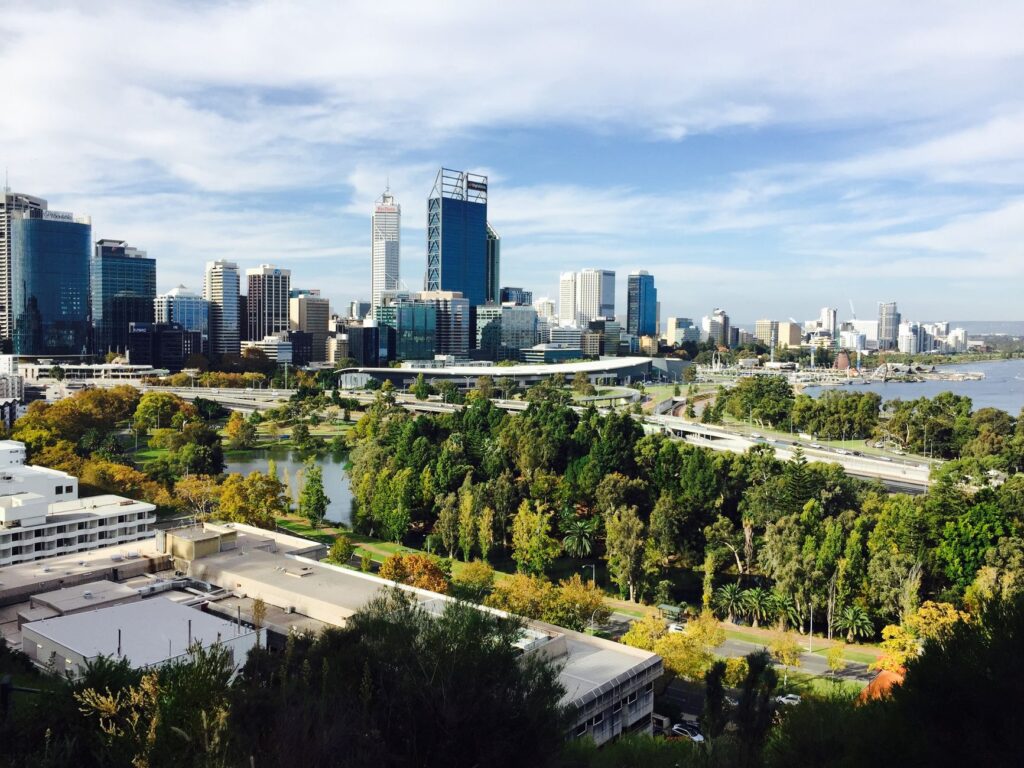
Understanding Perth’s identity requires observing how its inhabitants interact with the surrounding nature. The Swan River is not merely a geographic feature, but the backbone uniting the financial district with residential enclaves and protected parks. Local authorities have maintained strict coastal and river conservation policies, ensuring public access to riverbanks remains open and free from invasive construction, a notable achievement for an urban center experiencing constant demographic growth.
Transport as a Tool for Territorial Cohesion
Mobility in Perth relies on a multimodal network combining commuter trains, river ferries, and urban buses designed to minimize ecological footprints and maximize accessibility. Railway lines effectively connect the central core with peripheral suburbs, allowing daily commutes to proceed without the severe congestion affecting capitals of similar size in the southern hemisphere. This infrastructure responds to a principle of territorial equity, facilitating access to educational, health, and cultural services for communities distant from the center.
The public transport system fosters a culture of respect for shared space. Modern trains and luminous stations are designed with universal accessibility criteria, integrating ramps, tactile signage, and designated bicycle zones. This commitment to sustainable mobility reduces private vehicle dependency and promotes walking on the final stretches of each journey, integrating physical exercise into the routines of thousands of workers and students crossing the city every morning.
Beyond technical efficiency, the transport network acts as a catalyst for social diversity. University students, mining industry professionals, local artists, and families from diverse global backgrounds converge on a single commuter line. This constant, orderly flow of people reflects the cosmopolitan character of a city that, despite geographic isolation from other world centers, maintains fluid and permanent channels of cultural exchange.

Kings Park: The Urban Botanical Sanctuary
In the heart of Perth lies Kings Park, one of the largest urban parks in the world, spanning over four hundred hectares of native vegetation and elevated viewpoints overlooking the Swan River. This space is not merely a recreational area, but a living archive of Western Australia’s biodiversity, housing thousands of plant species found nowhere else on the planet. Paved paths and elevated walkways allow visitors to immerse themselves in native flora without disturbing fragile local ecosystems.
Park management combines scientific research with public outreach. Internal botanical nurseries propagate endemic species for urban reforestation projects and the restoration of soils degraded by human activity. Likewise, the grounds function as a space of collective memory honoring the historical and cultural heritage of the Noongar Aboriginal peoples, the original custodians of these lands, whose traditions and traditional names are integrated into park signage and educational programs.
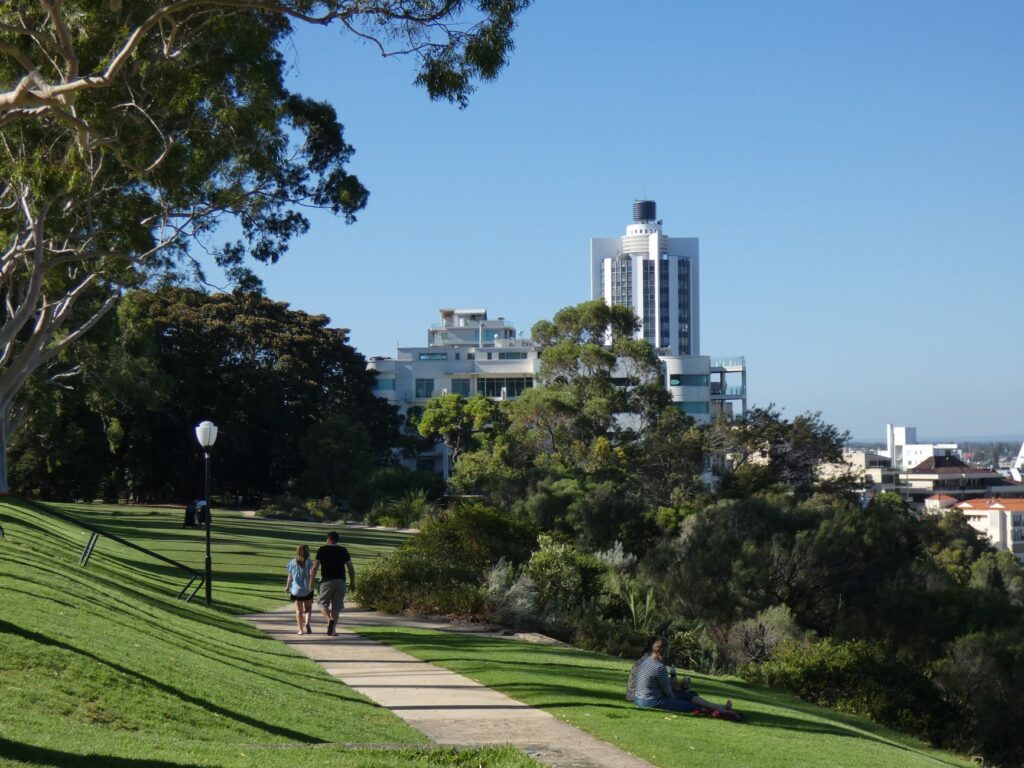
For residents, Kings Park represents a daily refuge from the demands of modern life. During early morning hours, paths fill with walkers and joggers enjoying clean breezes before daytime heat intensifies. In the afternoon, families gather on grassy lawns to watch sunsets over financial district skyscrapers, in a daily ritual reinforcing a sense of community belonging.
Heritage Architecture and Sustainable Modernity
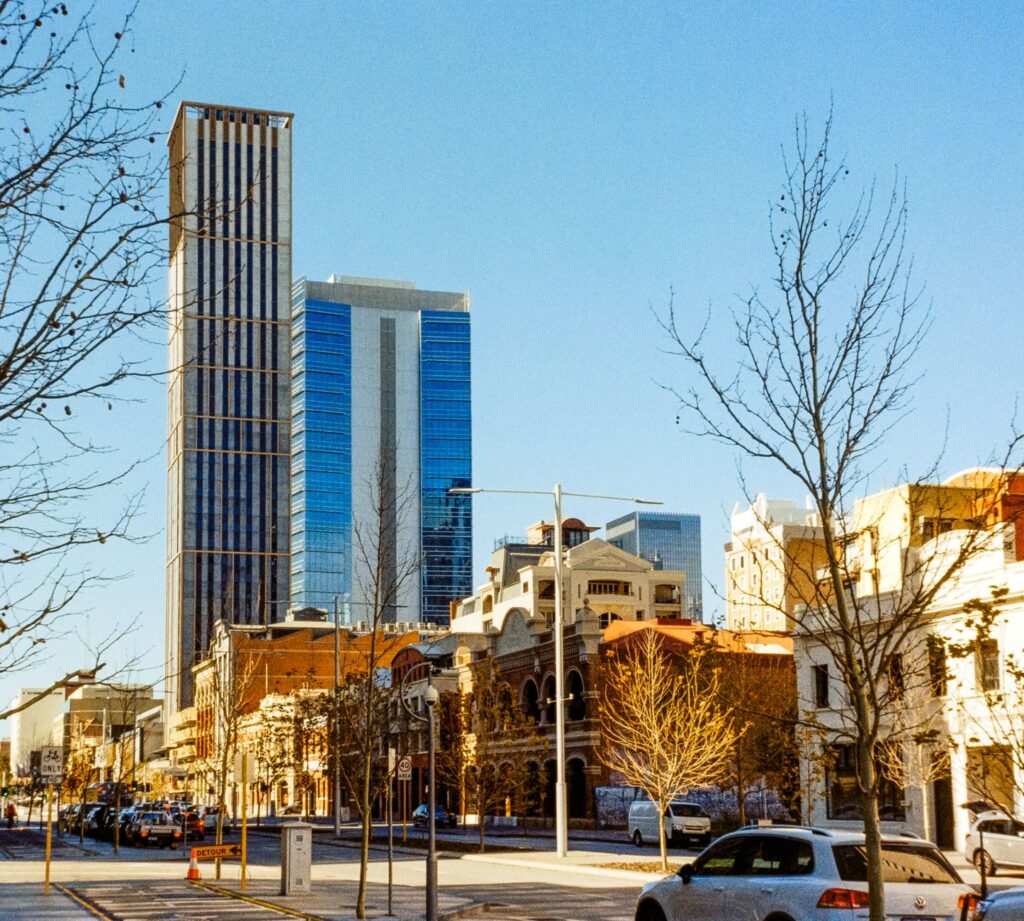
Perth’s built landscape offers a constant dialogue between historic limestone buildings and contemporary architectural developments focused on energy efficiency. Around the central zone, Victorian and Edwardian constructions, such as the Town Hall and converted old warehouses, coexist with skyscrapers featuring bioclimatic facades and advanced solar energy harvesting systems. This integration demonstrates a conscious will to preserve the city’s built memory without sacrificing twenty-first-century sustainability demands.
Recent urban interventions have prioritized pedestrianizing commercial streets and creating public squares shaded by pergolas and native trees. These plazas are not mere transit spaces, but stages where local markets, open-air art exhibitions, and neighborhood meetings take place. Using local materials, such as regional stone and certified hardwoods, reinforces the city’s visual identity and supports Western Australia’s artisan and construction industries.
The rehabilitation of former industrial docks along the Swan River constitutes another notable example of urban regeneration. Areas once used exclusively for goods storage have transformed into accessible boardwalks equipped with cultural facilities, safe swimming areas, and restaurants promoting local produce. This transformation has returned the riverfront to the citizenry, consolidating a development model where industrial heritage is reinterpreted through collective wellbeing.
Local Markets and Proximity Pantries
Perth’s culinary culture relies on a solid network of farmers’ markets and local producers supplying the city with food grown in the fertile soils of Australia’s southwest. Venues like the Subiaco or Fremantle markets are not just points of sale, but intergenerational meeting points where consumers converse directly with farmers about cultivation techniques, crop seasonality, and reducing intermediaries in the food chain.
This consumption proximity fosters a diet based on fresh produce, from subtropical fruits grown in the state’s northern areas to fish and seafood caught in Indian Ocean waters. City restaurants have adopted this zero-kilometer philosophy, collaborating closely with agricultural cooperatives to design seasonal menus changing alongside natural rhythms. Thus, local gastronomy becomes a direct reflection of the region’s environmental and climatic wealth.
blockquote class=»editorial-quote»>
The true luxury on Australia’s west coast does not lie in accumulating material goods, but in the capacity to inhabit an environment where air, water, and green space continue to belong to the entire community.
Support for independent producers also extends to winemaking and craft production. Nearby valleys, such as the Swan Valley or surrounding hills, host small family wineries practicing low-impact agriculture, respecting underground aquifers and native fauna. Urban markets serve as showcases for these projects, allowing small artisans to market their goods on equal footing with major commercial brands.
Community Bonds and Intercultural Coexistence
Social life in Perth is characterized by a robust network of neighborhood associations and civic centers promoting the integration of new residents and citizen participation in local decision-making. Given that a significant portion of the population has migrated from different continents, the city has developed inclusive policies celebrating cultural diversity through neighborhood festivals, community workshops, and language and employment mentoring programs.
Public libraries and neighborhood cultural centers function as catalysts for social cohesion, offering free spaces for study, civic debate, and amateur artistic activities. These centers regularly organize gatherings where seniors and youth share traditional knowledge, from sustainable gardening techniques to preserving craft trades endangered by mass digitization.
This cohesion also manifests in environmental and social volunteering. Hundreds of citizens participate weekly in coastal dune reforestation, riverbed cleanup, and supporting local food banks. This voluntary civic commitment generates a fabric of mutual trust mitigating urban isolation and reinforcing community resilience against unforeseen climate or economic challenges.
Environmental Respect and Urban Sustainability Practices
Perth’s demographic growth has been accompanied by rigorous water and energy resource management strategies, essential in a region characterized by warm, dry summers. Seawater desalination plants, combined with efficient rainwater collection networks and treated wastewater reuse for park irrigation, guarantee supply without compromising underground aquifers sustaining coastal plain natural ecosystems.
The transition toward renewable energy is evident in the proliferation of solar panels on residential and commercial rooftops, supported by wind farms located in peripheral coastal zones. Municipal ordinances require new construction to meet strict energy rating standards, promoting natural thermal insulation, cross ventilation, and recycled materials. These measures seek to consolidate Perth as an international benchmark for urban climate change adaptation.
blockquote class=»editorial-quote»>
Urban sustainability is not an administrative goal achieved through decrees, but a daily practice exercised by every citizen caring for the water, energy, and soil shared with neighbors.

Environmental commitment also encompasses marine and terrestrial wildlife protection. Ecological corridors connecting interior natural reserves with the coast have been established, allowing safe movement for endemic species like marsupials and migratory birds. Environmental education programs in schools and community centers ensure new generations grow with deep awareness of the fragility and value of their natural heritage.
Practical guide
How to get there: Perth Airport (PER) operates regular international and national connections. From the terminals, express bus lines and rail services connect directly with the city center in under thirty minutes.
Local transport: The Transperth network integrates trains, buses, and ferries using the rechargeable SmartRider card. In the urban center, CAT bus services are free for all users within designated zones.
When to visit: Spring months (September to November) and autumn months (March to May) offer mild temperatures ideal for exploring city parks and river walks on foot.
Accommodation: Choosing establishments located in the center or riverside neighborhoods of East Perth and Fremantle is recommended, guaranteeing immediate access to public transport networks and green spaces.
Recommended gastronomy: Look for local producer markets to taste seasonal fruits, Indian Ocean seafood, and wines produced in artisan Swan Valley wineries.
Environmental respect: Use reusable water bottles, respect signage in protected flora reserves, and utilize differentiated recycling bins available throughout the city.
Recommended walks: Dedicate at least one full day to exploring Kings Park on foot, using marked trails to minimize impact on native vegetation and Aboriginal cultural sites.
The Serene Horizon of the Australian West
As afternoon descends over the Swan River, Perth’s skyline acquires golden tones reflecting the serenity of a territory shaped by vastness and balance. Lights from boats crossing the estuary and the soft murmur of breezes through Kings Park trees remind us that this city’s true wealth lies in its capacity to integrate human development with the preservation of its natural environment. Far from the urgencies of large global megalopolises, Perth offers a lasting lesson on how open space, sustainable mobility, and community respect can define a truly harmonious and enduring model of urban life over time.