
The Persistence of a Historic Layout in the Heart of England
Located in the center of the English Midlands, the city of Coventry has a population numbering around three hundred and forty-five thousand residents. Its geographical position has historically determined its status as a transport hub and its prominent role in the country’s industrial development. Far from being a mere stop on the map of British routes, this locality possesses a distinct personality that manifests itself in every pedestrian street and in the way its inhabitants interact with the everyday urban space.
The daily pulse of Coventry is clearly perceived in its squares and in the preservation of the remnants of its medieval past. Unlike other urban enclaves where mass tourism alters the local dynamic, here the rhythm is set by residents who cross the historic center to run errands or enjoy a break at local cafes. The coexistence between buildings reconstructed after the conflicts of the twentieth century and the few ancient vestiges that survived generates a visual contrast that invites visitors to walk without haste, observing the architectural details that define the city’s appearance.
The enduring framework of the streets encourages a slow exploration, revealing hidden courtyards, narrow passages, and architectural markers that tell the story of generations of workers and craftsmen. Each block tells a story of adaptation, where civic pride continuously reinterprets the physical landscape. Visitors find themselves surrounded by a living museum of urban transformation, where the past is not locked behind glass cases, but breathed in the daily transit of citizens.
Architecture and Memory: The Dialogue Between Stone and Modernity
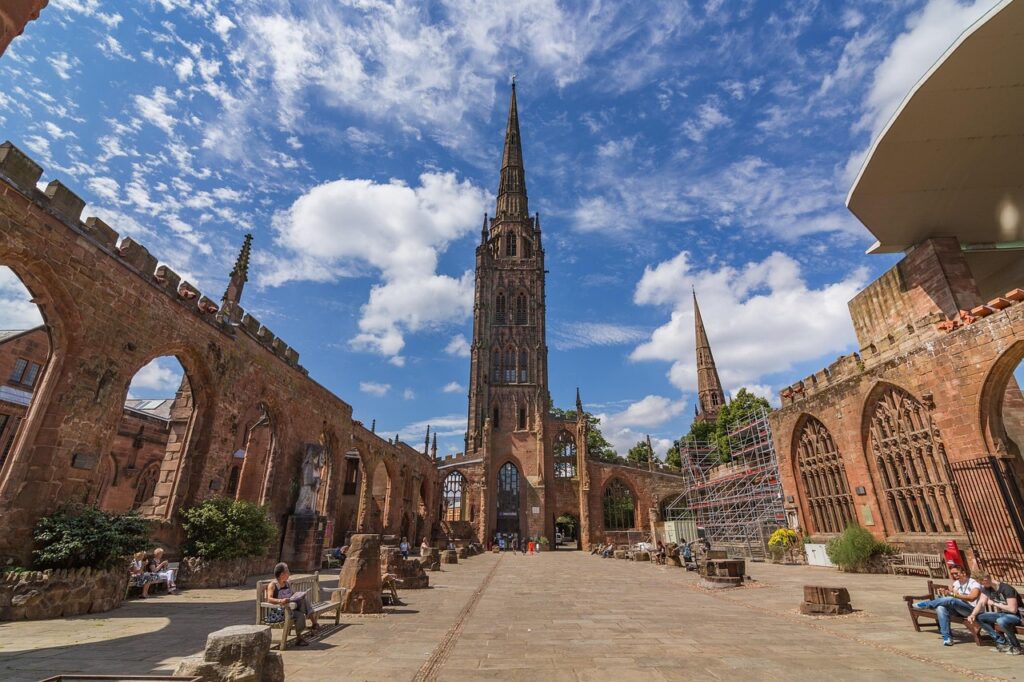
Coventry’s urban profile is an eloquent testimony to civic resilience. The urban planning interventions undertaken in the decades following the Second World War radically transformed the urban fabric, prioritizing wide pedestrian zones and functional architectural solutions. However, this modernizing drive did not entirely erase the memory of previous centuries. The ruins of the old medieval cathedral, deliberately preserved alongside the bold contemporary temple designed by Basil Spence, constitute one of the most subtle and respectful examples of integration between past and present in the United Kingdom.
Walking through these surroundings allows one to understand the human scale that urban planners attempted to preserve amid the reconstruction. The shopping arcades of the fifties, although modified over time, retain ornamental details and mosaics that reflect the optimism of an era focused on industrial recovery. Citizens navigate these spaces with a familiarity that dissolves the apparent coldness of concrete, endowing the commercial passages with a genuine warmth granted only by continuous use by the local community.
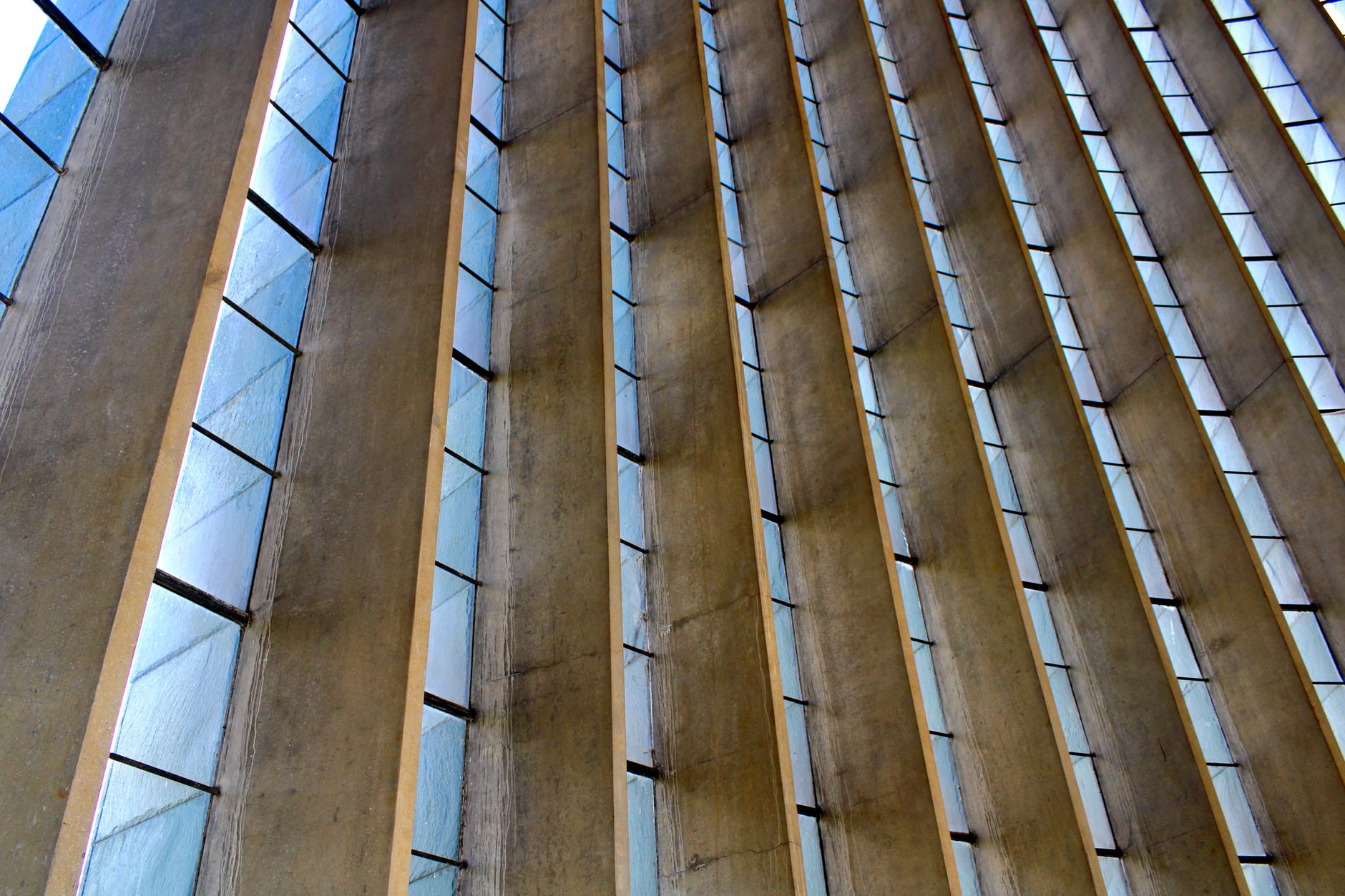
The architectural language of the post-war era, characterized by bold geometric lines and large expanses of glass, interacts seamlessly with surviving medieval masonry. This juxtaposition challenges visitors to appreciate the aesthetic value of mid-century urban design while respecting the sacred silence of the older ruins. The resulting public spaces encourage lingering, reflection, and a deeper appreciation for the resilience embedded in every brick and mortar joint.
Green Spaces and Rest within the Urban Fabric
To escape the hustle and bustle of the administrative center, the inhabitants of Coventry turn to a network of urban parks and landscaped areas that act as authentic green lungs. Greyfriars Green, located near the railway station, offers a gentle first contact with local vegetation, where centuries-old trees frame views toward the church spires that still dominate the skyline. This space functions as an intergenerational meeting point where absolute tranquility is breathed on weekends.
Further north, the canal margins and protected natural areas surrounding the urban perimeter allow observers to transition between the dense built-up fabric and the Warwickshire countryside. The integration of these river corridors into daily life fosters a leisurely mobility based on cycling and walking. Neighbors use these green corridors for sports or simply to disconnect from work routines, consolidating a leisure culture tied to respect for the nearby natural environment.
These natural retreats offer sanctuary not only for human residents but also for urban wildlife, creating balanced ecosystems within the city boundaries. Local conservation efforts ensure that these habitats remain pristine, encouraging visitors and residents alike to participate in tree-planting initiatives and seasonal clean-up campaigns. Such stewardship reinforces the collective commitment to maintaining a harmonious balance between concrete developments and botanical abundance.
Markets and Local Commerce: The Pulse of Proximity Economy
Traditional commerce in Coventry finds its utmost expression in the covered market, a mid-twentieth-century building that concentrates the commercial activity of small producers and independent shopkeepers. Walking through its aisles is entering a mosaic of aromas, colors, and products reflecting both traditional British culinary culture and the multicultural diversity of its current residents. Here there are no impersonal large chains, but rather unhurried conversations between vendors and a loyal clientele valuing direct treatment and the local origin of goods.
Surrounding this commercial core, adjacent streets house second-hand bookstores, craft workshops, and small specialty cafes that have revitalized traditionally working-class neighborhoods. This network of small businesses sustains a proximity economy fostering social cohesion. The owners of these establishments actively participate in neighborhood initiatives, turning their shops into information hubs and venues for debate regarding the city’s urban and cultural future beyond conventional commercial circuits.
Supporting these independent traders is an essential act of responsible tourism, ensuring that money spent directly benefits the families and creators who give the neighborhood its unique character. Visitors are encouraged to ask about the provenance of goods, engage in conversations about traditional crafts, and purchase sustainably produced items that reflect the true spirit of the region.
The true identity of an industrial city lies not solely in its productive capacity, but in the manner in which its inhabitants care for and transform common spaces to make them livable.
This community dynamic is also reflected in the cultural programming of civic centers and neighborhood libraries, promoting oral history workshops and exhibitions on the region’s industrial heritage. Far from idealizing the past, these initiatives seek to involve new generations in understanding the socioeconomic changes that have shaped contemporary Coventry. Citizen participation thus becomes the primary tool for consolidating a sense of belonging based on diversity and collective achievement.
Workshops hosted in these community centers often bridge generational divides, allowing elders to share accounts of the city’s manufacturing golden age with younger artists and entrepreneurs. Through such exchanges, intangible heritage is safeguarded and creatively adapted to modern contexts, proving that the identity of the place remains dynamic and forward-looking.
Gastronomic Traditions and Culinary Habits in the Midlands
Everyday gastronomy in this area of the United Kingdom combines the sturdiness of traditional British cooking with the influence of communities arriving in the city over recent decades. In historic pubs and family-run bistros, visitors can taste dishes prepared with local ingredients, predominantly seasonal vegetables from neighboring counties and native meats. Lunchtime remains a key moment for social gathering, respecting a pause that contrasts with the fast pace of major British metropolises.
Likewise, the culinary offering has been significantly enriched through cultural exchange, integrating spices and recipes from diverse origins while maintaining roots in local recipe books. This natural fusion is especially appreciated in street markets and temporary food fairs organized in main squares during favorable weather. Visitors wishing to immerse themselves in this facet of the city will find an honest landscape, devoid of touristic artifices and dedicated to satisfying the palate of the everyday resident.
Culinary explorers will find that neighborhood bakeries and tea rooms offer an intimate glimpse into domestic traditions, where recipes are passed down through families with fierce pride. Choosing these independent eateries over standardized global franchises guarantees an authentic taste of local life while contributing to the preservation of regional culinary heritage.
Practical guide
Getting there: Coventry boasts excellent railway connections from London (Euston and Paddington) and Birmingham, with frequent journeys taking around one hour from the capital. Birmingham International Airport (BHX) is a fifteen-minute train ride away.
Getting around: The historic center is entirely pedestrianized and very comfortable to explore on foot. For peripheral areas or surrounding natural parks, the urban bus network offers wide and efficient coverage.
When to go: The spring and summer months (from May to September) offer the best climatic conditions for strolling through its parks and enjoying open-air cultural events.
Accommodation: Varied options range from boutique hotels located in rehabilitated heritage buildings to functional establishments near the central station.
Responsible recommendation: Support local commerce by shopping at the covered market and respect coexistence rules in green spaces shared with neighbors.
Visual Epilogue and Final Reflection
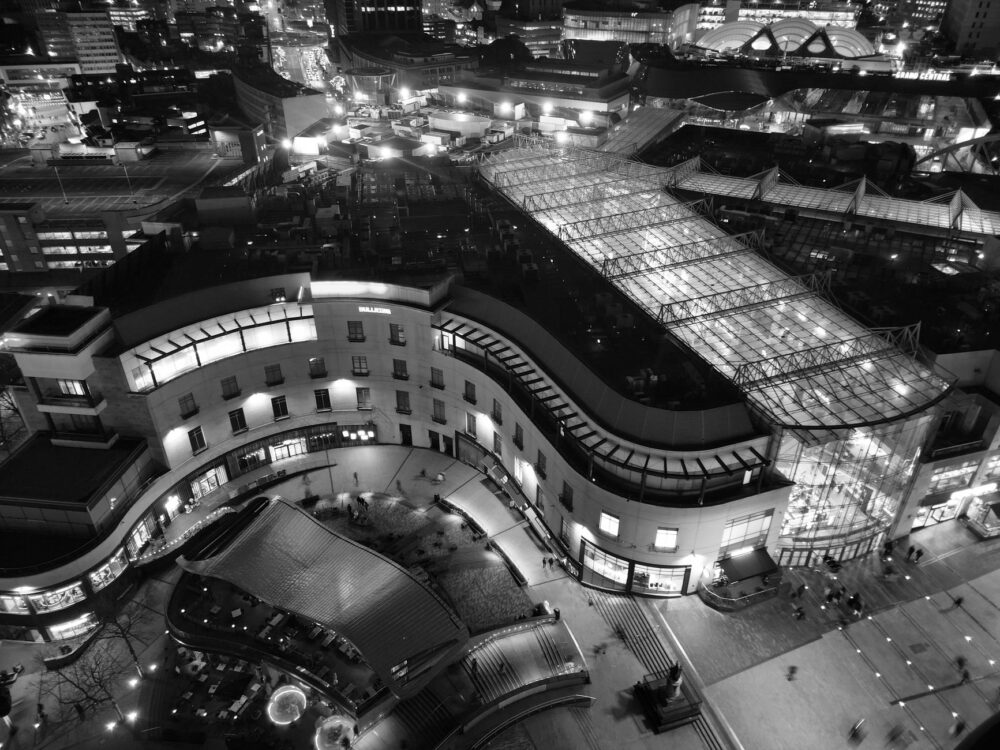
At dusk, when artificial lighting begins to reflect on brick facades and stone pavements, Coventry recovers an atmosphere of serene intimacy. The last rays of sun filter through the metal structures of pedestrian bridges and the silhouettes of modern buildings, creating a play of shadows accompanying the leisurely return of workers to their homes. It is in this moment of transition that the city displays its most human and welcoming face, reminding the traveler that a destination’s true value lies in its capacity to embrace the simple, everyday life of those who inhabit it.
As night settles completely, the quiet hum of the city transforms into a gentle stillness, allowing observers to appreciate the profound depth of a community that has continually rebuilt its fortunes through collective resolve. This quiet dignity leaves a lasting impression on anyone willing to look beyond the surface of a standard itinerary.