
An Open Valley South of New Zealand’s Memory
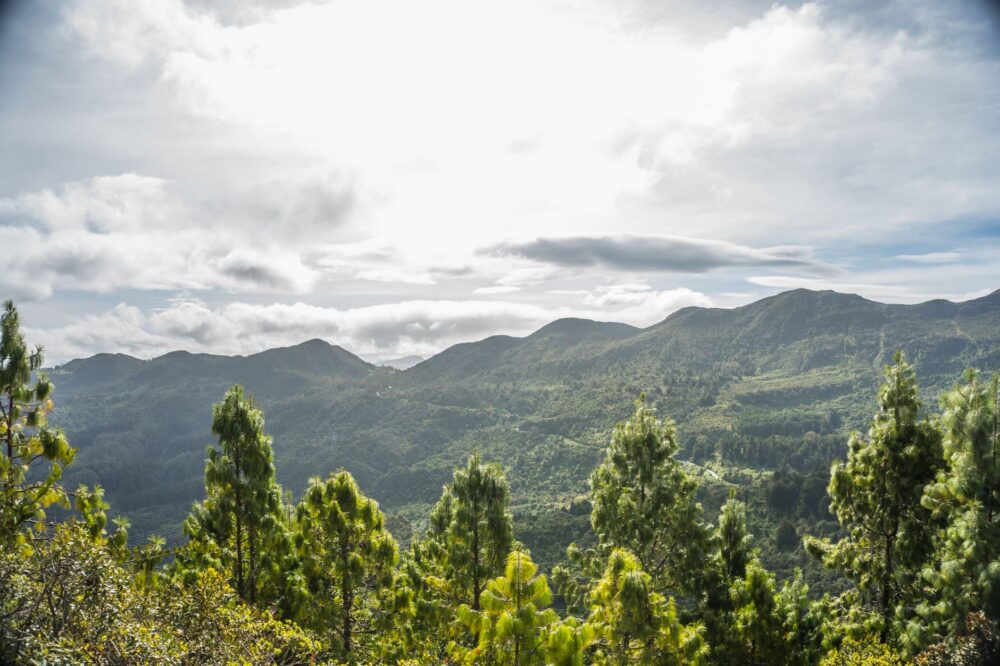
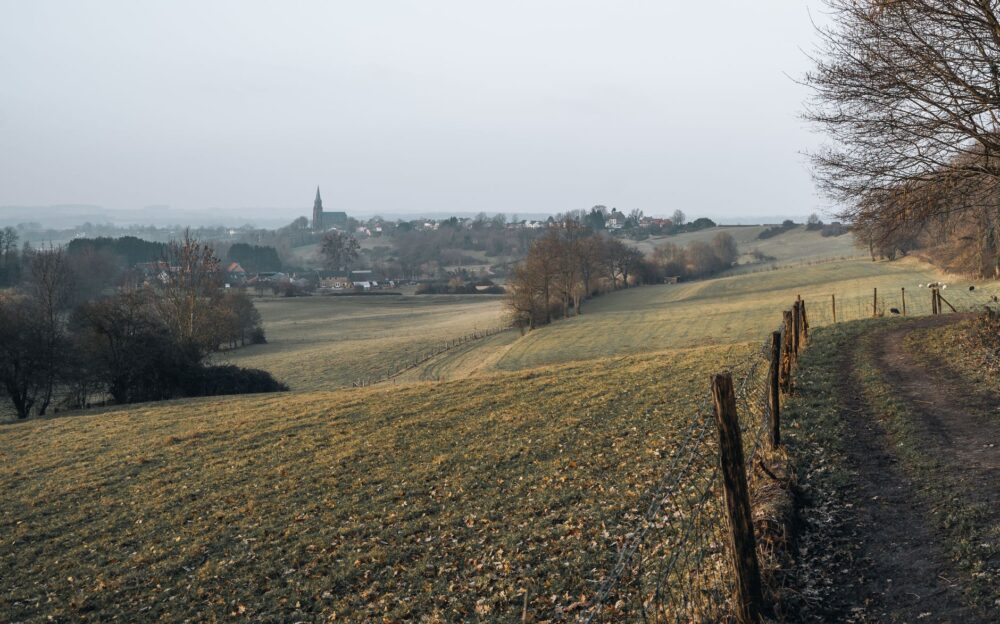
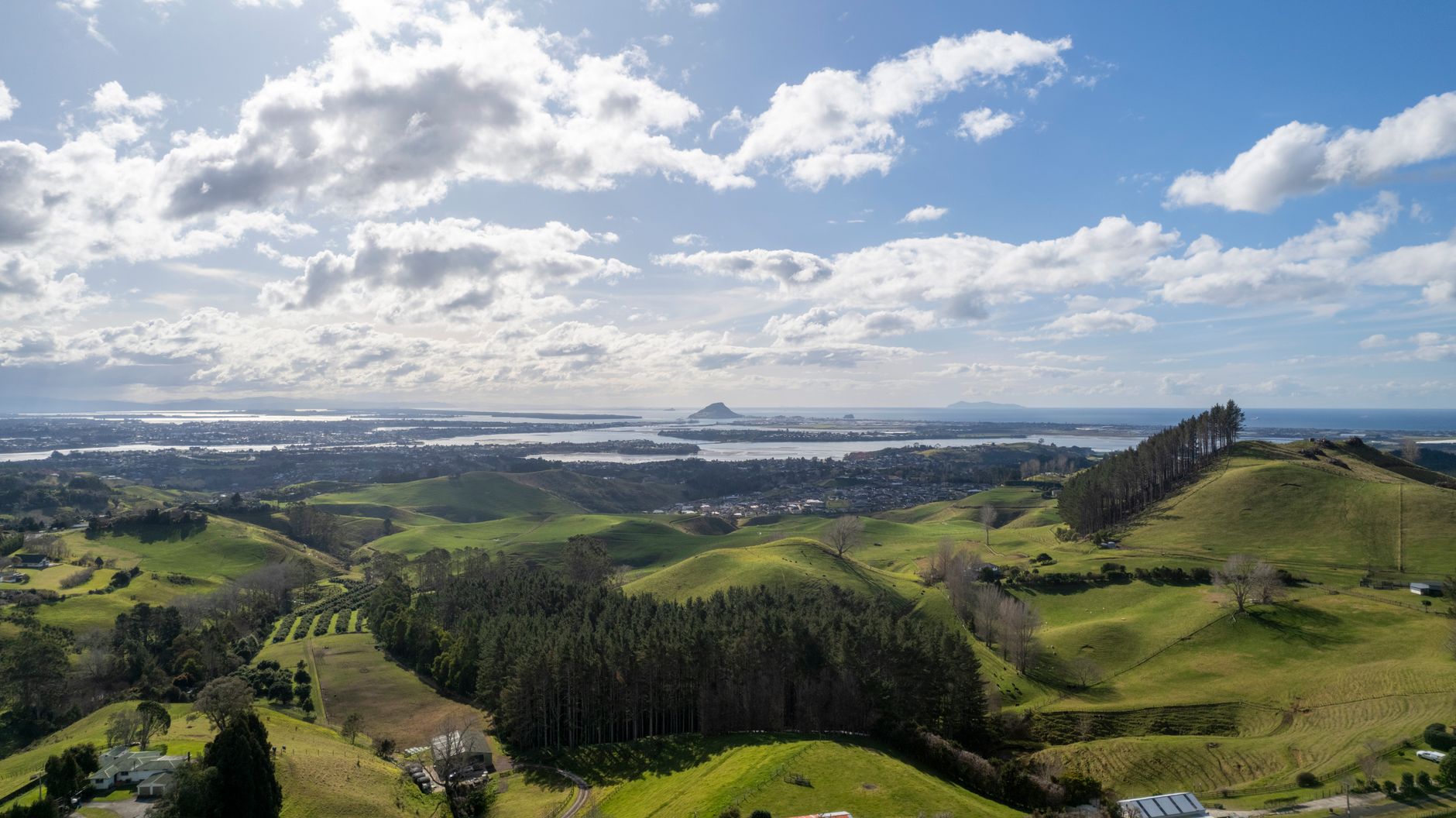
A short distance from New Zealand’s bustling capital, the territory of Upper Hutt unfolds a geography where the green hills of the Wellington region meet the generous flow of the Te Awa Kairangi river. Far from the dizzying pace of the country’s major urban centers, this town maintains its own daily pulse, shaped by the proximity of regional parks, the history of its early settlements, and a close relationship with the surrounding natural environment. Here, daily life flows between treed residential neighborhoods and floodplain areas where agriculture and environmental conservation go hand in hand, creating an enduring landscape defined by its geographical assets.
The analysis of mobility and sustainability in Upper Hutt cannot be understood without observing how its residents commute each morning. The reliance on private vehicles coexists with a sustained effort to integrate cycling and pedestrian networks connecting residential hubs with local railway stations. This infrastructure facilitates journeys toward the Wellington metropolitan area under energy-efficiency criteria, reducing the carbon footprint of a community that deeply values clean air and the clarity of its southern skies, while prioritizing long-term ecological balance over rapid, unplanned expansion.
The Pulse of the Te Awa Kairangi River in Daily Life
The Te Awa Kairangi river, known in its lower reaches as the Hutt River, acts as the ecological and social backbone of the city. Along its banks, public spaces are designed for family recreation, rest, and sports without altering the balance of native flora and fauna. Local residents’ associations and volunteer groups actively participate in cleaning the riverbanks and reforesting with native species such as kahikatea and totara, ensuring that the river corridor maintains its self-regulatory capacity against seasonal floods.
This everyday relationship with water translates into a collective awareness regarding water resource management. Municipal regulations establish clear guidelines to protect the underground aquifers supplying the region, while local educational institutions promote citizen science programs to monitor water quality. Thus, the youth of Upper Hutt grow up understanding that preserving their environment is not a bureaucratic imposition, but an indispensable condition for the survival of their way of life in the valley.
Architectural Heritage and Proximity Commercial Fabric
Upper Hutt’s urban center reflects a functional and understated architecture, where low-rise buildings coexist with human-scaled commercial spaces. Main streets house independent shops, secondhand bookstores, and local markets prioritizing seasonal produce grown in surrounding valleys. This retail model curbs the impersonal expansion of big-box stores and strengthens the social fabric, allowing daily economic transactions to be accompanied by personal, direct interactions among neighbors.

The true measure of a sustainable community lies in its capacity to sustain local commerce without compromising the resources of future generations.
Likewise, the conservation of historic buildings and repurposed industrial spaces adds a layer of cultural depth to the urban landscape. Former warehouses and railway areas have found a second life as cultural centers, artisan workshops, and coworking spaces for local creators. This reuse of built heritage avoids unnecessary consumption of virgin land and endows the city with an unmistakable personality rooted in its adaptability over the decades.
Active Mobility and Integrated Transport Networks
In urban mobility, Upper Hutt has firmly committed to consolidating segregated bike lanes and improving pedestrian trails running through urban parks. These routes serve not only weekend leisure but also provide safe, direct paths for students commuting to educational institutions and workers choosing to leave their cars at home. Fare and timetable integration with regional passenger rail services reinforces this commitment to reliable, accessible public transport.
Local authorities and urban cycling groups periodically collaborate to audit these pathways to identify improvement points, ensuring intersection safety and adequate lighting during the southern winter months, when days are shorter. This planning, based on empirical data and citizen participation, makes the town a benchmark for how medium-sized cities can manage demographic growth without sacrificing resident quality of life.

Green Spaces and Biodiversity in Regional Parks
Upper Hutt’s boundaries are defined by a crown of protected hills and forests, notably Kaitoke Regional Park, internationally renowned for its scenic value and rich biodiversity. This natural sanctuary not only attracts visitors interested in low-impact hiking but also functions as an outdoor classroom studying the recovery of native beech forests and tree ferns following decades of human pressure.
Management of these spaces combines strict protection of ecologically sensitive areas with properly marked trekking routes minimizing soil erosion. Municipal ordinances prohibit motorized vehicles within these protected areas, preserving the silence and tranquility of habitats for endemic bird species such as the kererū and tūī. The result is a delicate yet firm balance between public enjoyment of nature and its rigorous conservation.
Cultural Identity and Citizen Participation
Upper Hutt’s cultural life draws on a rich blend of Māori and European influences, reflected in local festivities, street toponymy, and the work of community institutions. Respect for the cultural heritage of the local iwi manifests in integrating the perspective of kaitiakitanga—the concept of environmental guardianship and custodianship—into public policies for urban development and land management.
Civic centers and public libraries act as intergenerational meeting points, organizing digital literacy workshops, exhibitions on local history, and open debates on the municipality’s sustainable future. This active citizen participation ensures political decisions respond to real neighborly needs, fostering a sense of belonging transcending generational or background differences.
Practical guide
- How to get there: Upper Hutt features excellent rail connections from Wellington via the Hutt Valley Line, with frequent trains operating every day of the week. It is also accessible by road via State Highway 2.
- When to visit: The southern summer months from December to February offer mild temperatures ideal for exploring natural trails. Autumn, from March to May, gifts landscapes of golden tones across parks and riverbanks.
- Local mobility: Bicycles are recommended for getting around the town center and riverside bike lanes. Rechargeable public transit cards facilitate combined use of trains and local buses.
- Accommodation: Family-scale establishments, rural bed and breakfasts, and vacation rental options managed by local residents promoting sustainable practices predominate.
- Gastronomy: Local markets offer seasonal horticultural produce, honey from neighboring valleys, and specialties crafted by small producers in the Wellington region.
- Rules of conduct: It is essential to respect regional park regulations, leave no trace, use designated trails, and comply with drinking water conservation guidelines during dry summer periods.
The Sustainable Horizon of a Community in Balance
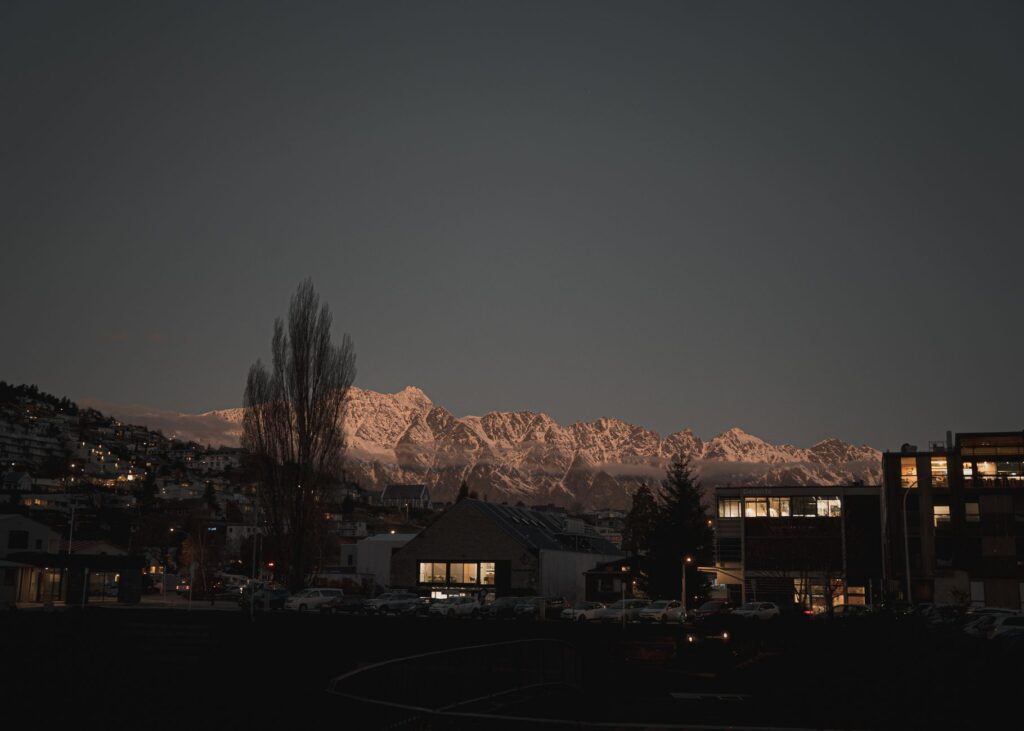
Looking toward the future in Upper Hutt involves recognizing challenges posed by demographic growth and climatic variability without losing sight of foundational values guiding its community for generations. The combination of a diversified local economy, absolute respect for natural and riverine heritage, and people-oriented mobility policies demonstrates that mid-sized cities can lead the way toward more humane, responsible development models.
The true progress of a territory is measured by its capacity to protect the fragile and offer a safe refuge to those who inhabit it today and tomorrow.
Ultimately, this corner of the Wellington valley reveals itself not merely as a place of transit, but as a living ecosystem where every neighbor, every protected tree, and every built bike lane configure a choral response to contemporary challenges. Upper Hutt reminds us that sustainability is not a distant goal, but a daily practice woven with patience, respect, and collective commitment across every corner of its geography.