
The Peninsula of Winds and Flavors
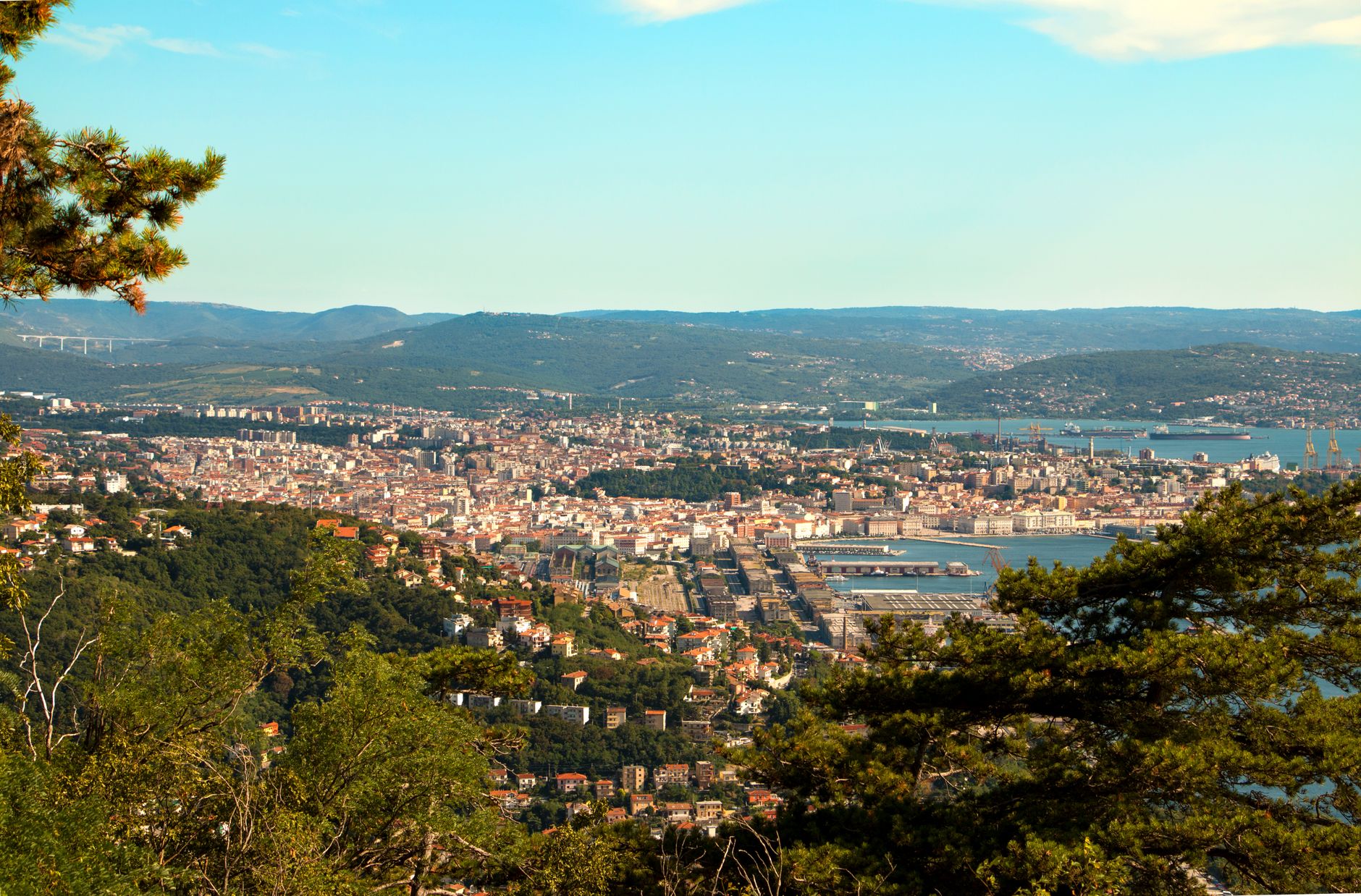
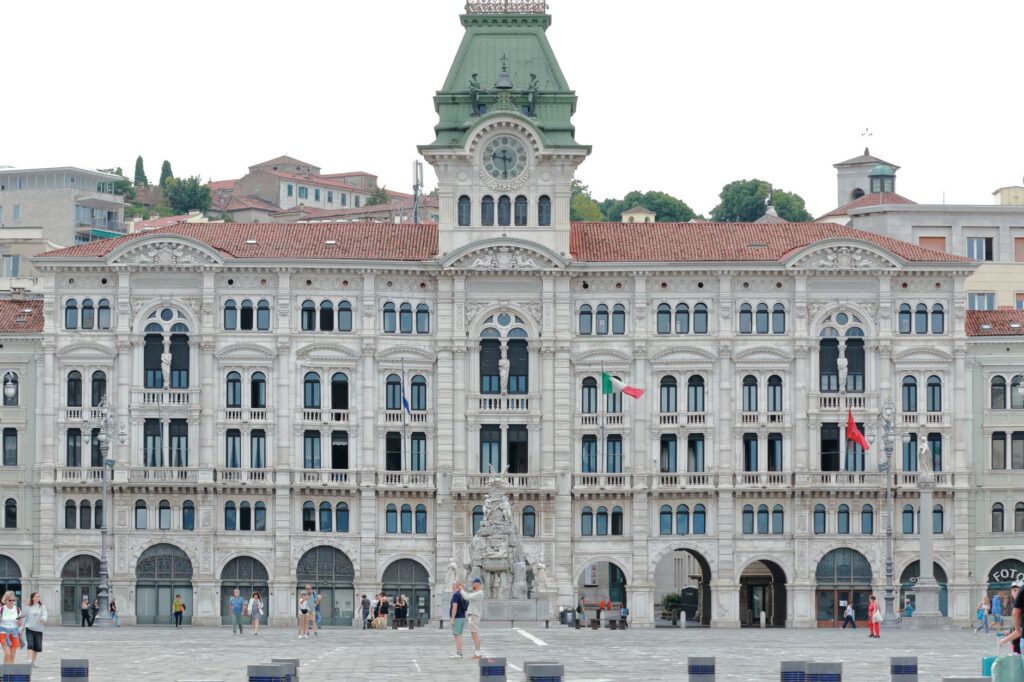
In the northeastern extremity of Italy, where the Adriatic Sea narrows beneath the shadow of the Karst plateau, the city of Trieste raises its profile of neoclassical facades and white stone piers. Here, the daily routine cannot be understood without the constant presence of the gulf and the bora wind, which purges the air and reminds every passerby that they stand at a geographical crossroads. The daily life of this municipality of over two hundred thousand inhabitants pulses to the rhythm of the tides and the exchanges that, for centuries, linked the Mediterranean to the heart of Central Europe. In cobbled squares and historic cafés furnished with dark wood tables, cuisine is never a mere touristic accessory, but the living result of a secular coexistence among Italians, Slovenians, Austrians, and minorities of diverse backgrounds.
The morning pulse begins early at the fish markets and small neighborhood shops, where the counter functions as a social meeting point. A short distance from the water, stalls display goods that reveal the dual soul of the region: on one hand, the marine wealth of the gulf; on the other, the land-based contributions of the surrounding valleys and karst hills. Far from the impersonal routes of fast food, the citizen of Trieste maintains the custom of choosing ingredients one by one, conversing with the merchant about the ripeness of vegetables or the exact origin of the fish. This attention to daily detail defines a way of understanding nourishment based on respect for the environment and the shared memory of multiple generations.
The Aroma Crossing the Gulf: The Culture of Roasted Bean
If there is one element that defines the olfactory awakening of Trieste, it is the perfume of coffee. The city is not only an entry port for green beans arriving from varied latitudes, but a genuine laboratory of roasting and consumption that has set the standard throughout the Italian peninsula. Since the eighteenth century, under the momentum of privileges granted by the Habsburgs, maritime trade transformed this enclave into the primary gateway for coffee into the Austro-Hungarian Empire. Today, stepping into a traditional café requires knowing a specific vocabulary: a capo in b is an espresso with a drop of hot milk served in a small glass tumbler, while a regular coffee is ordered with precise nuances depending on the hour of the day and company.
This devotion to the brew is not confined to commercial spheres, but permeates domestic life and after-lunch conversations. Historic roasters, some operating with over a century of uninterrupted activity, continue selecting Arabica and Robusta lots with the same artisanal rigor. Neighbors frequent these establishments with the same trust one accords a physician or a tailor, seeking the exact balance between acidity and body. The morning coffee ritual thus acts as the first link in an invisible chain connecting the piers of the old port with the family kitchens of the upper neighborhoods.
Between the Austro-Hungarian Recipe Book and the Maritime Pantry
Trieste’s everyday cuisine is nourished by harmonic contrasts that surprise the unwary traveler. Traditional trattoria menus feature Central European preparations alongside deep-rooted Adriatic seafood dishes side by side. On one hand, dense soups, meat stews flavored with sweet spices like caraway or paprika, and gnocchi di patate or dried bread reflect cultural proximity to the Alps and the Balkans. On the other, bluefish, mollusks, and crustaceans caught in the cold waters of the gulf provide an iodized freshness that balances the heartiness of continental recipes.
A clear example of this synthesis is the use of fermented cabbage and Central European-style potatoes accompanying roasted pork, a formula inherited from imperial times. Yet within a few streets, the culinary landscape shifts radically toward preparations like baked branzino or sardines marinated in vinegar, olive oil, and bay leaf. This culinary duality demonstrates that Trieste’s identity is not a monolithic block, but a sum of overlapping layers where each community has left a recognizable mark on the plate.
The table of Trieste is a map without borders where the Adriatic and Central Europe sit down to eat together every noon.
Neighborhood Markets: The Daily Pulse of the Square
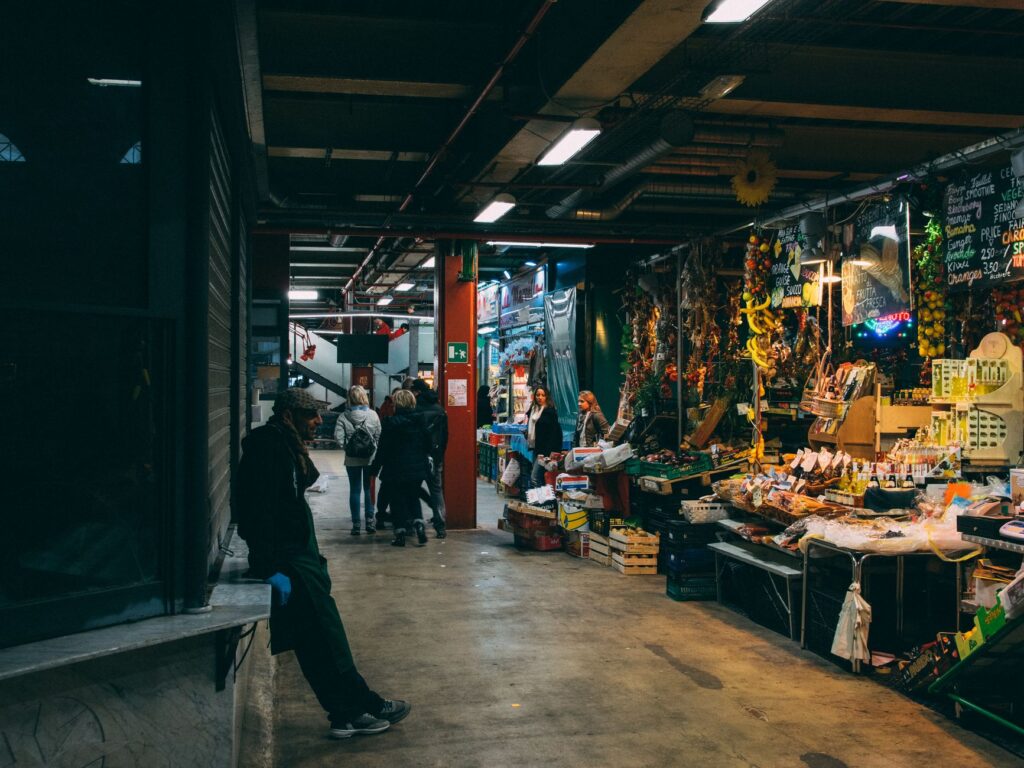
The city’s food markets, housed in buildings of clear nineteenth-century imprint, constitute the authentic economic and social heart of the neighborhoods. Unlike large peripheral shopping centers, these spaces preserve a human scale where time seems measured by the season of local artichokes or the arrival of the first mushrooms from the Karst forests. Merchants, many heirs to family sagas that have spent decades lifting shutters at the exact same hour, know the preferences of their regular clientele to the point of setting aside the best produce without prior notice.
Strolling among the stalls on a weekday morning reveals how the neighborhood network is woven. Neighbors converse amicably about how to prepare a fish stock or which beef cut is best for a Sunday stew. Local grandmothers act as wise culinary counselors before the vegetable counters, explaining to younger generations the virtues of wild herbs growing on the wind-whipped slopes. This constant exchange of practical knowledge ensures that traditional cooking is not relegated to history books, but continues renewing itself naturally within households.
Bread, Oil, and Stone: The Pillars of the Plateau
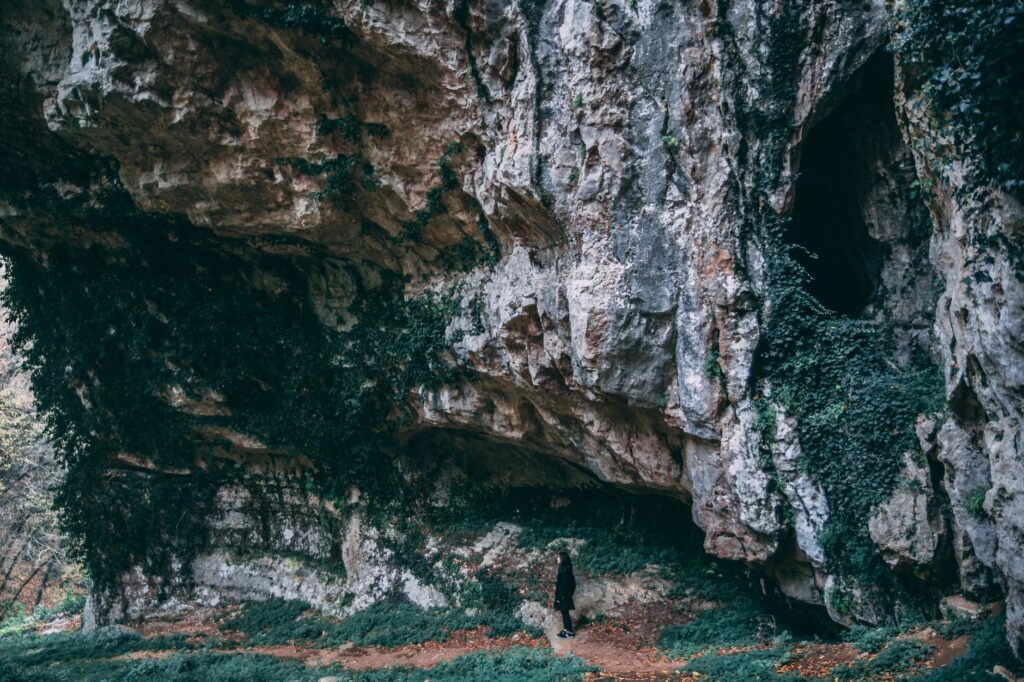
A few kilometers from the urban center, the Karst plateau raises its surface of limestone rock and red soil, an apparently hostile environment that nevertheless sustains admirable agricultural resilience. From these arid lands spring extra virgin olive oils with a fruity and slightly pungent character, thanks to native varieties like bianchera. Likewise, artisanal bread crafted from selected flours and slow fermentations maintains a crispy crust designed to accompany both complex stews and goat and sheep cheeses from mountain pastures.
The relationship between the coastal city and its rural surroundings is one of absolute interdependence. Karst producers regularly descend to urban markets to offer cold cuts cured in the bora wind and mineral white wines, such as Malvasia or Vitovska, which find their ideal match in seafood cooking. This symbiosis between sea and mountain grants the Triestene table a territorial coherence hard to find in other port enclaves, where international trade often erases closest local references.
Pastries of Historic Confectioneries and the Habsburg Legacy
The sweet chapter of Trieste deserves measured attention. In downtown confectioneries, whose interiors preserve bevelled mirrors and late-nineteenth-century mahogany shelving, specialists craft delicacies that betray the city’s former belonging to the Viennese and Mitteleuropean orbit. Apple strudels with raisins and pine nuts, dense chocolate tarts with apricot jam, and cinnamon-scented butter cookies coexist with Slavic-inspired sweets like putizza, a thin-dough roll filled with nuts, honey, and spices that presides over major family celebrations.
These bakeries do not operate as mere gastronomic museums, but form part of the Sunday routine of Triestenese citizens, who maintain the custom of buying a selection of pastries to accompany afternoon coffee at home. Master pastry chefs jealously guard original recipes, subtly adapting them to contemporary quality demands without altering their essence. Thus, every sweet bite connects directly with an era when the city was the maritime showcase of a vast multicultural empire.
Responsible Decisions: How to Shop and Eat with Local Conscience
In recent years, the increase in international tourism has transformed Trieste’s urban landscape, posing the challenge of preserving the authenticity of traditional shops against standardization. For the visitor wishing to approach this reality with responsible criteria, the key lies in prioritizing purchases in neighborhood markets, small grocery stores, and family-run trattorias that have barely changed their offerings in decades. Buying directly from local producers at weekly markets reduces transport footprints and supports the survival of small-scale agriculture pressured by real estate and demographic demands.
Likewise, respect for the city’s schedules and rhythms is fundamental for harmonious coexistence. Midday pauses, the prudent closure of shops on certain days, and the patience required to enjoy an unhurried meal form part of the intangible heritage of the place. The conscious traveler understands that this is not about consuming a disposable experience, but about temporarily integrating into a community that values conversation, the quality of proximity products, and the defense of its historical memory against any attempt at commercial banality.
Practical guide
When to go: Spring and autumn offer mild temperatures ideal for touring outdoor markets and enjoying terraces without summer crowds. Winter months, though marked by the occasional force of the bora, allow visitors to experience the authentic atmosphere of historic cafés and sheltered taverns.
How to get around: The historic center of Trieste and its main commercial neighborhoods are entirely pedestrianized or accessible via an efficient municipal bus network. To explore the Karst plateau and surrounding agricultural villages, using intercity public transport or renting low-emission vehicles are the most recommended options.
Accommodation: Travelers are advised to prioritize small independent hotels, family guesthouses, or regulated tourist apartments located in residential neighborhoods near the center, which supports neighborhood economies and avoids overcrowding the old town.
Essential markets: The Mercato Coperto on Via Carducci and the open-air stalls along the Ponterosso canal are mandatory stops to observe daily commerce and acquire fresh seasonal products selected by locals themselves.
Gastronomic etiquette: In traditional trattorias, it is customary to let the service recommend the dish of the day based on fish market catches. Greeting staff upon entering small establishments and maintaining a moderate conversation tone in historic cafés are especially valued.
The Echo of the Adriatic in the Traveler’s Memory
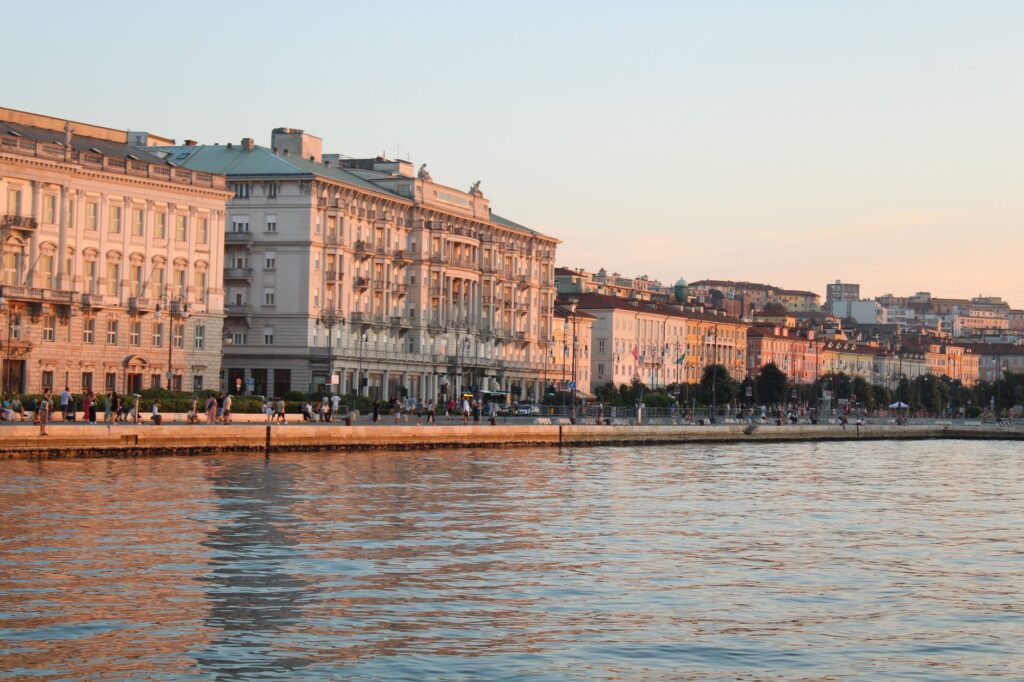
At dusk, as golden light reflects on the calm waters of the port and piers empty of labor rushes, Trieste recovers an almost ceremonial stillness. It is the moment when inhabitants reunite in the squares for the evening stroll, an intergenerational ritual that dissolves boundaries between home and street. The sea breeze, laden with salt and the faint aroma of roasted coffee still drifting from nearby warehouses, envelops noble stone facades in an atmosphere of shared timelessness.
For the visitor who has looked beyond celebrated monuments, the city ceases to be a dot on a map and becomes an experience of the senses and understanding. The daily table, the market counters, unhurried treatment in centenary confectioneries, and respect for a complex cultural heritage comprise a living legacy resisting the passage of time with dignity. In this corner where Italy embraces Central Europe, every meal and conversation recall that a journey’s true wealth lies in the capacity to tune into the human pulse of those who inhabit it every day.