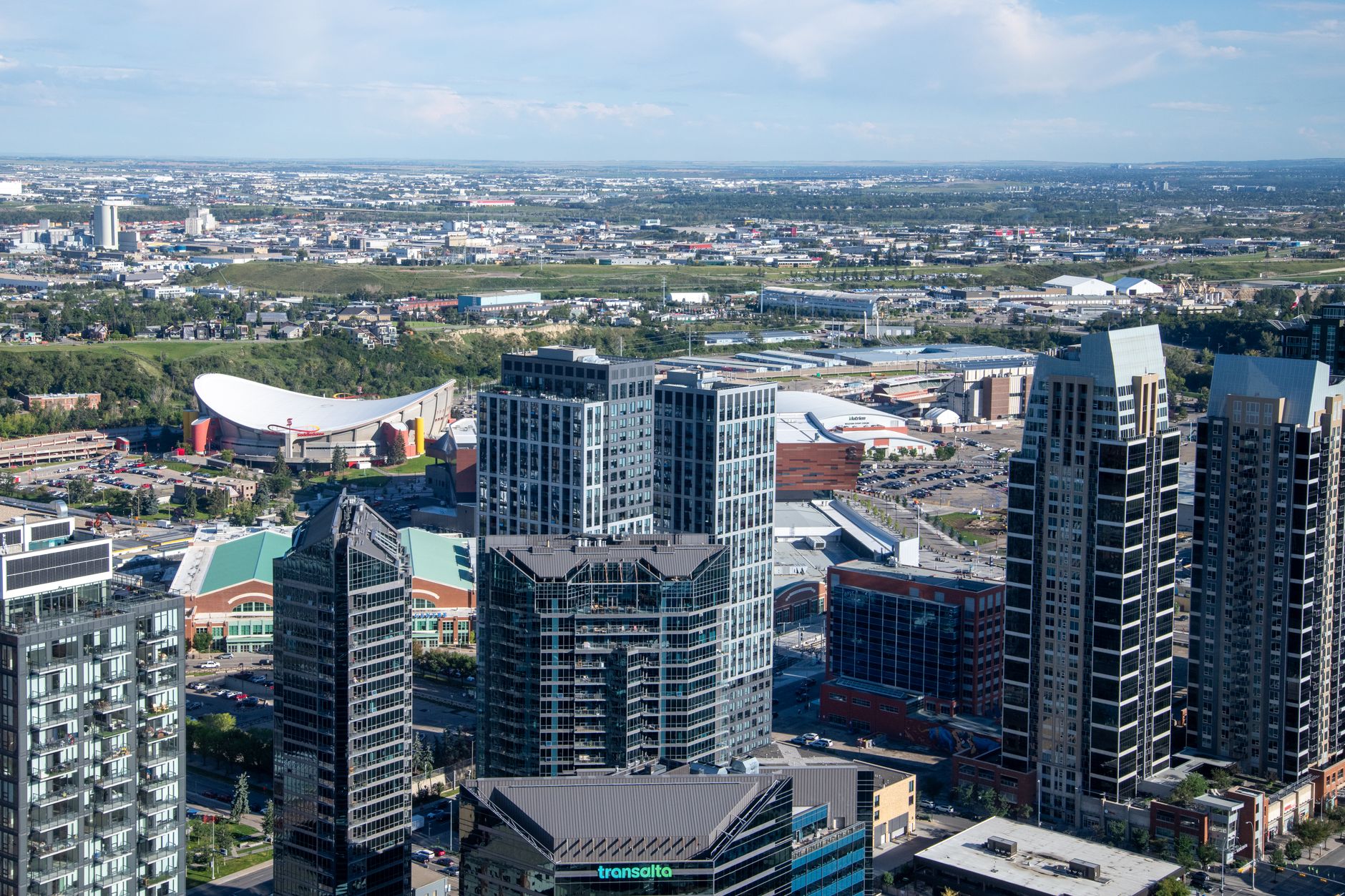

Calgary and other Alberta locations give season one streets and buildings where the meanings of everyday places turn into dramatic tension.
A city is recognizable by the way it works
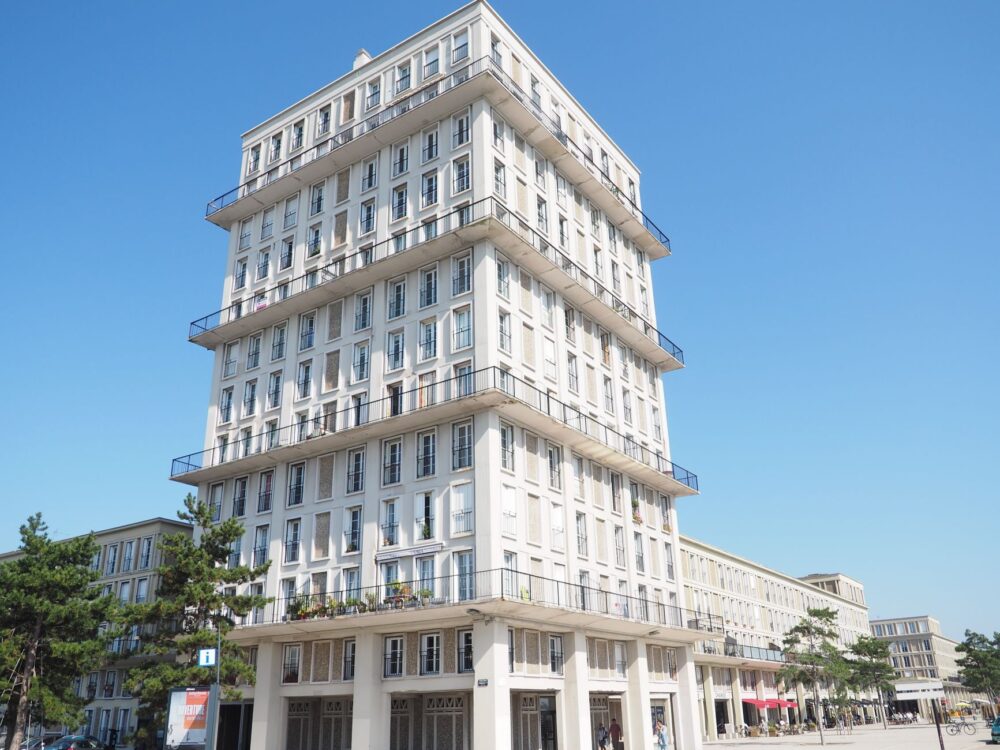
For its first season, the series used Alberta to portray several parts of the United States. Streets, intersections and civic buildings provide believable dimensions. Production design can change signs, dress a façade and remove everyday objects while retaining the logic of a city built for people to live, shop or wait. The show relies on that underlying logic. A sidewalk still looks like a sidewalk even when crossing it has a different meaning to the characters.
From a neighbourhood to a horizon
The series changes scale as its journey progresses. A residential stretch reveals entrances, gaps between houses and points from which someone could watch. Open landscapes take away that shelter and give people another way to orient themselves. Alberta locations let the series work with both conditions. You can read the effect without identifying every street. Look for the way a frame reveals or hides an exit and what changes when a building has to accommodate an encounter.
Start in Calgary
Begin with a walk in Calgary and use local location guides to identify public exteriors. Then consider a leg towards Canmore, which offered the production a different combination of landscape and town architecture. Check which streets are public and which properties can only be seen from outside. Allow time for the city as it is today and for the uses the production transformed. The interest of returning to a location is seeing people inhabit it again.