
The Foundations of a Working-Class Territory in Northern Italy
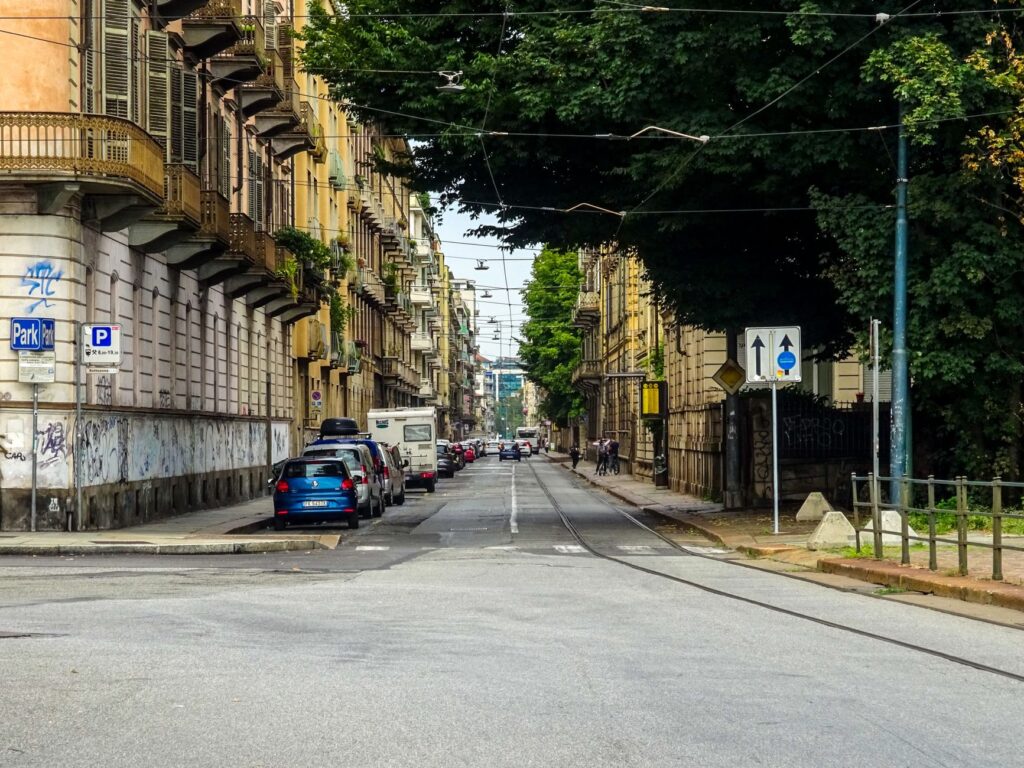
The territory of Circoiscrizione II, located in the southwestern zone of Turin, Italy, represents one of the clearest testimonies of how the industrial expansion of the 20th century transformed the urban and social landscape of the Piedmont region. Far from the monumental circuits of the historic center, this sector of the city condenses a history of labor, internal migrations, and architectural transformations that continue to mark the daily pulse of its inhabitants. The wide streets and mid-century residential blocks are not merely urban elements; they function as the stage where a community network is woven, based on neighborhood solidarity and the endurance of traditional trades.
The arrival of thousands of workers from various Italian regions during the decades of industrial development profoundly altered local demographics. Those migratory flows not only raised factories and housing complexes but also shaped a culture grounded in street life, zonal markets, and daily meeting spaces. Today, exploring this sector reveals that the true identity of Turin lies in its peripheral neighborhoods, where the memory of collective effort remains alive in the conversations of local cafes and in the very structure of its public squares.
Residential Architecture and the Pulse of the Squares
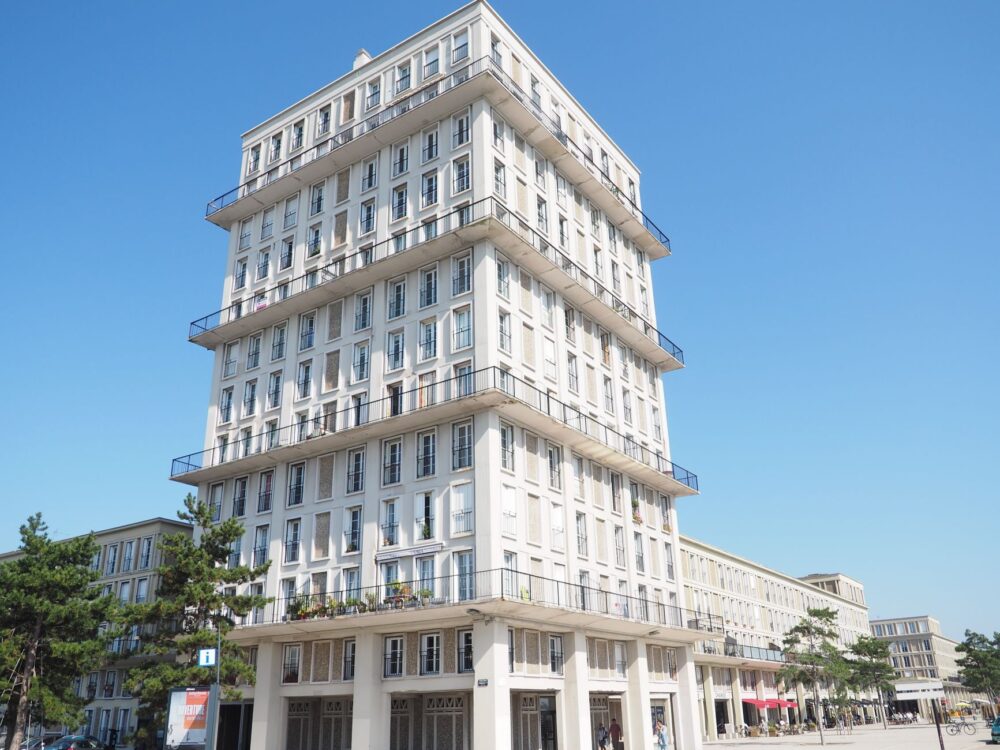
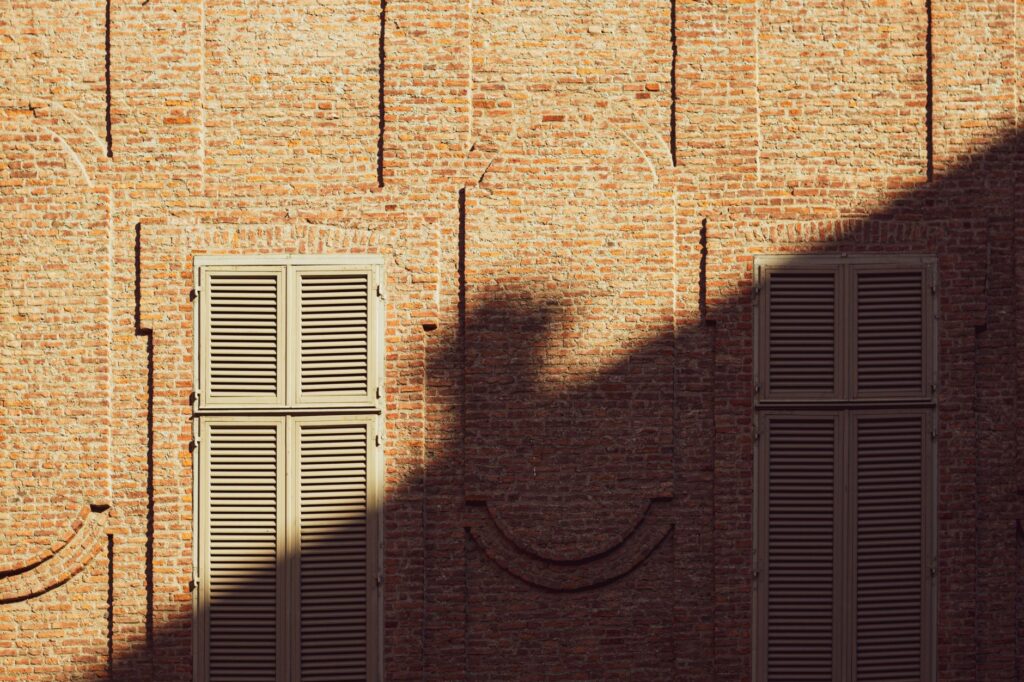
The urban layout of Circoiscrizione II reflects the housing planning of an era when demographic growth demanded rapid yet durable solutions. High-rise buildings with interior courtyards, exposed-brick blocks, and tree-lined avenues compose a characteristic visual landscape. These open spaces act as social lungs, where neighbors gather to converse, play chess, or stroll during the afternoons. Residential architecture, far from being monotonous, shows the evolution of public housing policies and the adaptation of common spaces to the needs of a diverse and aging population.
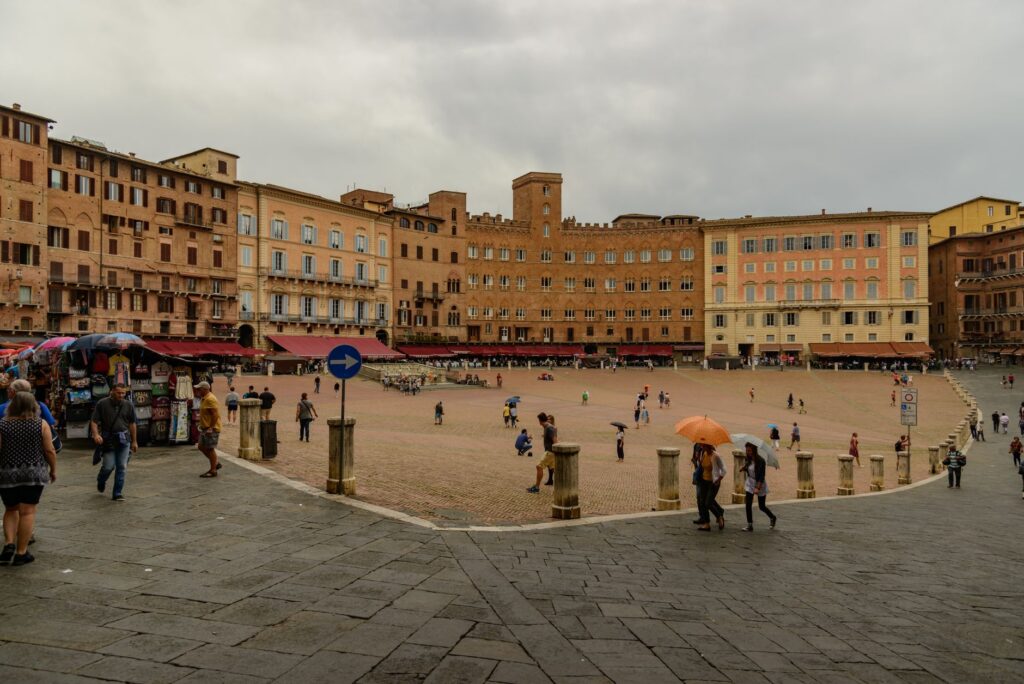
Over the years, local administrations and neighborhood associations have promoted initiatives to revitalize these public spaces, integrating green zones and pedestrian areas that foster sustainable mobility. The squares are not mere transit points, but reference points where different generations converge. The elderly who remember the early decades of the neighborhood share benches with young families who choose this area for its tranquility and proximity to essential services, consolidating a harmonious generational handover.
Proximity Commerce and Neighborhood Markets
Local commerce constitutes the true economic and social engine of Circoiscrizione II. Zonal markets and small food shops preserve a consumption model where human interaction and mutual acquaintance take precedence over the massification of large supermarkets. Greengrocers, artisanal bakeries, and small repair shops form a self-sufficient ecosystem that sustains neighborhood-level economics. This local trade not only supplies residents but also acts as a fundamental channel for transmitting local news and gastronomic customs.
The preservation of traditional markets fosters urban sustainability by reducing transport footprints and strengthening the district’s social fabric.
Shopkeepers and merchants are often long-time residents of the area, ensuring continuity in the supply of local products and personalized attention. This relationship of mutual trust is a growing value in contrast to the anonymization of large cities. Walking through these commercial aisles is a glimpse into a way of life where time seems to pass at a more human pace, conducive to the exchange of opinions and mutual support between small business owners and customers.
Daily Life Between Tradition and New Migratory Flows
Daily life in Circoiscrizione II is characterized by fluid coexistence between long-time residents and new communities arrived from various parts of the world in recent decades. This cultural blending has enriched the district’s social landscape, introducing new commercial ventures, dining spots, and cultural expressions that integrate naturally into everyday routines. Local schools, civic centers, and public libraries play a fundamental role as spaces for integration and social cohesion.
The true heritage of a neighborhood lies not solely in its buildings, but in the capacity of its inhabitants to embrace diversity without losing their own memory.
Cultural activities organized by community centers and non-profit associations offer leisure and educational alternatives for all ages. Sewing workshops, language courses, and outdoor sports events reinforce a sense of belonging and combat urban loneliness, a phenomenon especially relevant in large European metropolitan areas. Thus, daily life in this Piedmontese sector configures itself as a delicate balance between preserving working-class roots and opening up to the challenges of the 21st century.
Green Spaces and Sustainable Mobility
Despite its pronounced industrial and residential character, Circoiscrizione II features a network of parks and green zones that allow citizens to enjoy nature without leaving their daily environment. These spaces are frequented by athletes, seniors seeking the tranquility of tree shade, and families taking advantage of weekends for outdoor activities. The integration of bike lanes and improvements in public transport networks have transformed commuting habits, reducing dependence on private vehicles in favor of cleaner alternatives.
Responsible water management and the care of urban trees are growing priorities on the agenda of neighborhood committees, which actively collaborate with municipal authorities to keep parks clean and functional. These collective actions demonstrate a strong commitment to the environment and urban quality of life, turning the district into a benchmark for how industrial peripheries can evolve toward more livable models respectful of the natural surroundings.
Cultural Heritage and Working-Class Memory
The collective memory of Circoiscrizione II is deeply tied to the labor movement and union struggles that marked Turin’s economic history during the past century. Although many former manufacturing facilities have changed use or been converted into service centers and cultural spaces, their footprint remains present in the urban layout and collective consciousness. Local photographic archives, temporary exhibitions, and guided tours organized by cultural associations allow younger generations to understand the industrial past of their environment.
This intangible heritage is essential for understanding the inhabitants’ identity. Stories of strikes, neighborhood solidarity, and community self-management are passed down from parents to children, endowing the streets with a meaning that goes beyond their simple architectural function. The preservation of this historical memory constitutes a tool for citizen empowerment and an antidote against the urban amnesia that often affects contemporary metropolises.
Practical guide
How to get there: Circoiscrizione II is easily accessible from central Turin using the urban tram and bus network operated by GTT (Gruppo Torinese Trasporti), as well as via bicycle connections through dedicated lanes.
When to visit: Any time of year is suitable, though spring and autumn offer optimal temperatures for exploring parks and open-air markets on foot.
Visitor recommendations: It is advisable to explore zonal markets early in the morning to appreciate authentic commercial bustle. Respecting the tranquility of residential areas and supporting neighborhood commerce in small local shops is encouraged.
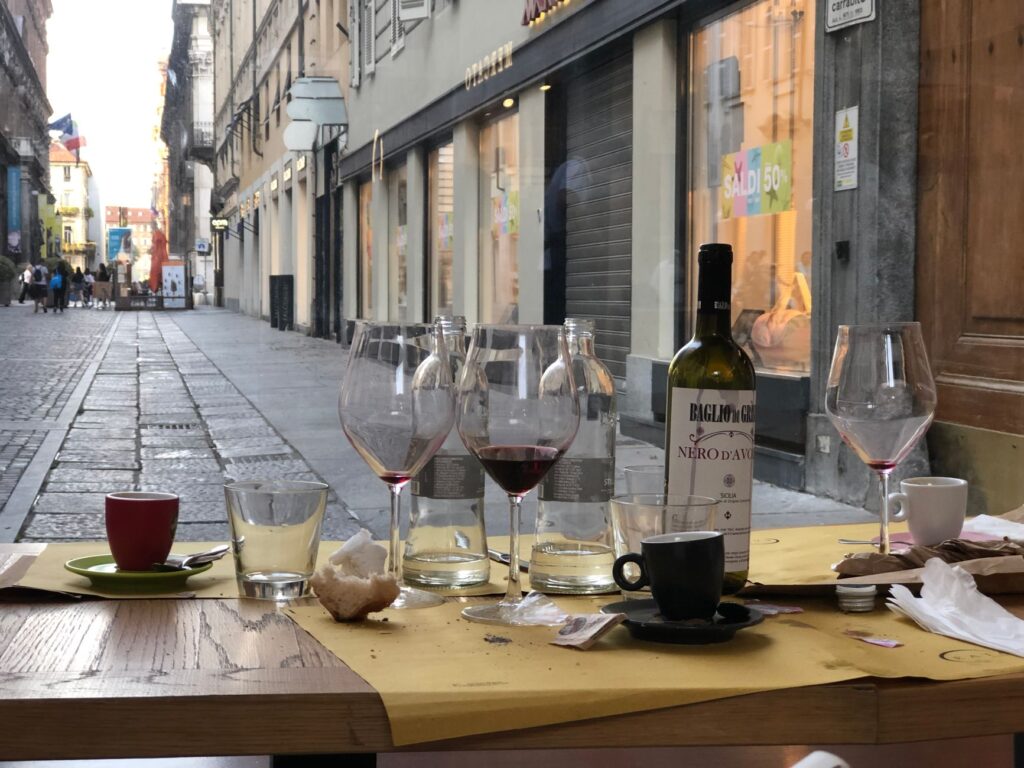
Accommodation and dining: Although hotel offerings are concentrated mainly in central Turin, the district features numerous historic cafes and traditional trattorias where one can taste Piedmontese specialties affordably and away from tourist crowds.
The Emotional Reflection of the Neighborhood at Dusk
As evening begins to fall over Circoiscrizione II, the golden light strikes the facades of residential buildings and the park trees, casting long shadows that seem to connect the industrial past with the peaceful present. On park benches, some residents wrap up the day’s last conversations while children run around the fountains. It is in this moment of pause that the district reveals its true essence: a community refuge where the human pace prevails and shared memory continues to guide the steps of each passing day.