
Coastal Origins and Port Memory in Victoria
Located in the state of Victoria, Australia, the city of Geelong unfolds along the sheltered shores of Corio Bay and the estuary of the Barwon River. With a population exceeding 280,000, this urban center has successfully transformed its nineteenth-century industrial profile into a space where human scale and proximity to water dictate the daily rhythm. Far from the breakneck pace of the continent’s massive metropolises, the streets descending toward the port preserve bluestone warehouses converted into cultural centers and artisan workshops, reminding visitors that timber, wool, and navigation shaped the community’s foundations during the nineteenth century.
The morning pulse begins early along the restored wharves, where local anglers and walkers share the saline air before the sun reaches its zenith. Unlike other coastal enclaves devoted exclusively to summer tourism, Geelong maintains a deeply rooted residential dynamic. The independent shops along Moorabool Street offer goods from the surrounding agricultural region, while neighborhood cafes function as intergenerational meeting points. Victorian architecture, characterized by wrought-iron facades and shaded verandahs, coexists seamlessly with contemporary urban interventions designed to return public space to pedestrians.
Daily life in these historic avenues reflects a quiet continuity. Neighbors gather at early hours in community bakeries and corner kiosks, exchanging pleasantries about the changing tides and the weekend weather forecasts. This persistent rhythm keeps local traditions alive without theatricality. The sandstone facades and bluestone foundations serve not merely as museum pieces, but as active backdrops where modern commerce and quiet conversation intersect continuously throughout the afternoon hours.
The Green Heritage of Historic Gardens
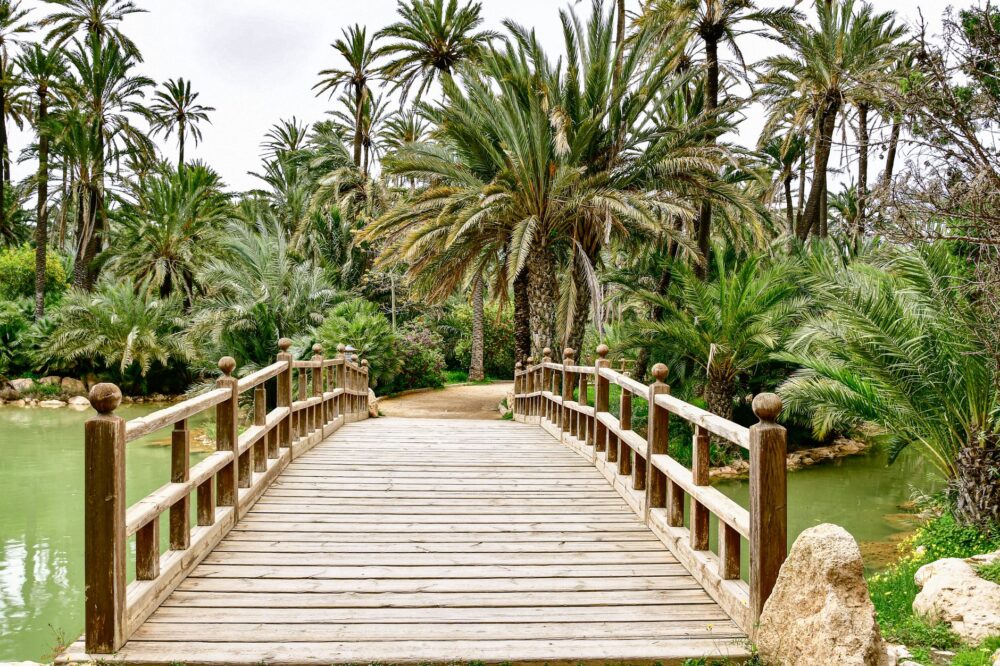
One of the city’s best-preserved treasures is its botanical garden, established in the second half of the nineteenth century and situated on an elevated promontory overlooking the bay. This green enclosure is not merely a catalog of exotic and native plant species, but a botanical sanctuary that has accompanied generations of residents. Paths flanked by centurial elms and towering araucarias invite a meditative pause, allowing visitors to observe how Southern Hemisphere flora dialogues with specimens brought by early British naturalists on sailing ships.
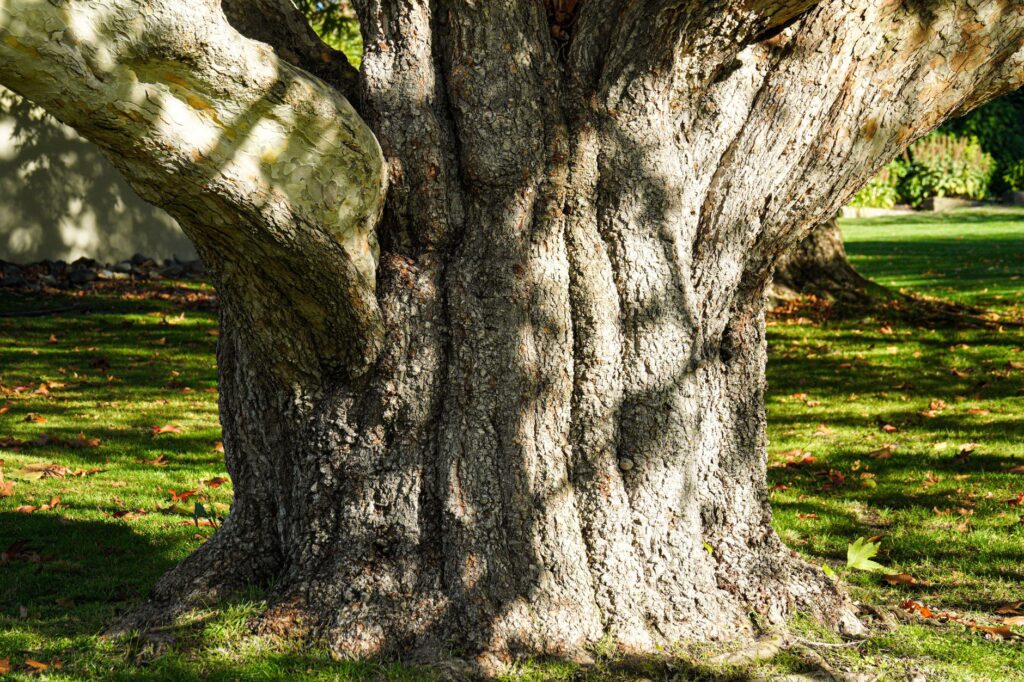
A few paces from the Victorian glasshouses, the landscape design takes advantage of the natural slope to offer open perspectives over the steel-blue water of Corio Bay. Local families and students gather there to read on manicured lawns or study the outdoor succulent collection. The management of this public space reflects a sustained commitment to urban biodiversity, prioritizing efficient rainwater use and the protection of habitats for native birds that find a safe ecological corridor among these trees within the urban fabric.
Horticultural dedication in this urban park relies heavily on careful pruning, soil enrichment, and water conservation practices suited to Australia’s coastal climate. Groundskeepers maintain historical integrity while adapting to contemporary ecological necessities. Visitors walking through the fern glades or beneath the canopy of ancient exotic trees can appreciate the meticulous labor required to sustain such a diverse living archive across successive seasonal changes.
The Waterfront and Civic Artistic Intervention
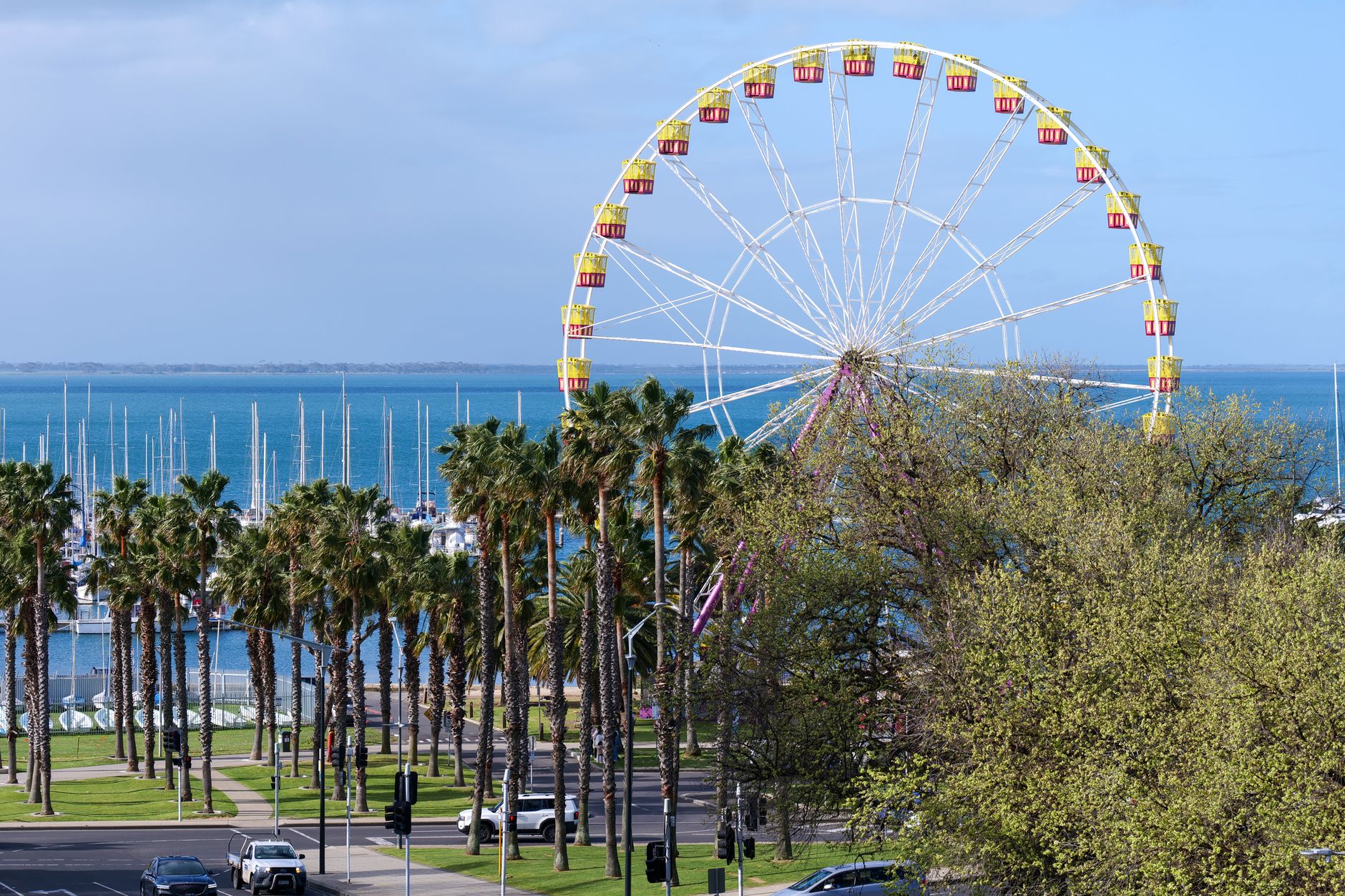
The coastal strip connecting the central pier with Eastern Beach constitutes Geelong’s true outdoor living room. Rather than yielding the entire waterfront to real estate speculation, the municipality pursued a pedestrian recovery plan over decades that prioritizes universal public access. Elevated timber boardwalks allow visitors to traverse the shoreline without disturbing the fragile ecosystem of saltmarshes and sandy reaches, while a unique collection of hand-painted wooden bollards—created by local artists from nautical pier remnants—visually narrates historical figures and everyday anecdotes of the city.
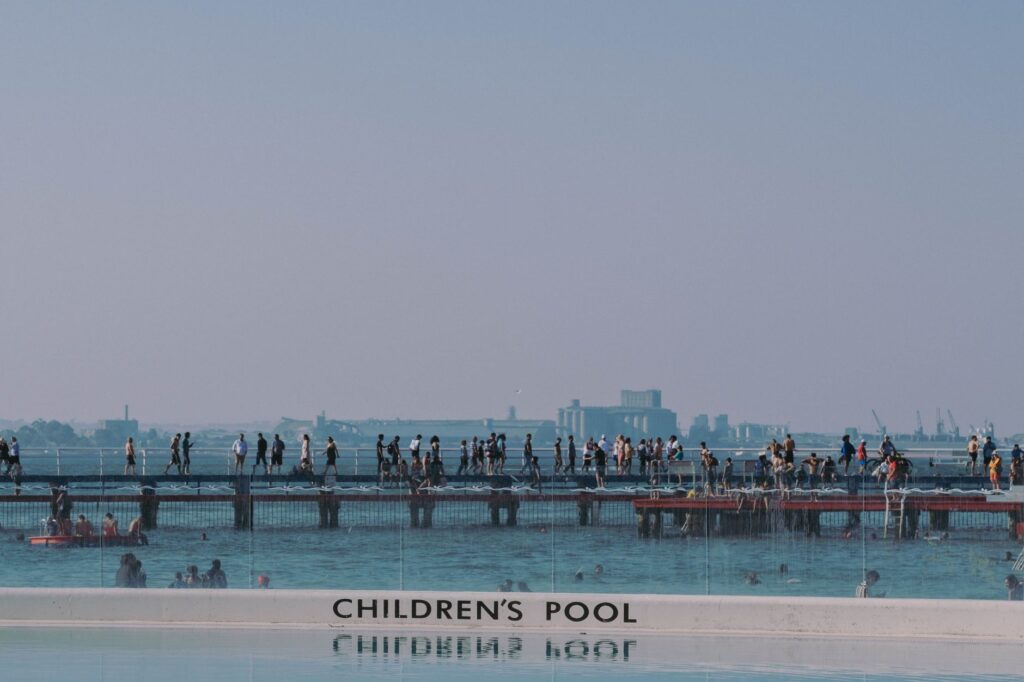
This open-air museum generates a singular atmosphere where art is not confined to climate-controlled rooms, but accompanies the daily stroll of cyclists, morning runners, and neighbors walking out at dusk. The famous Eastern Beach ocean pool, with its characteristic 1930s Art Deco style, remains a summer gathering point where local swimmers keep alive the tradition of sea bathing protected by timber pile structures.
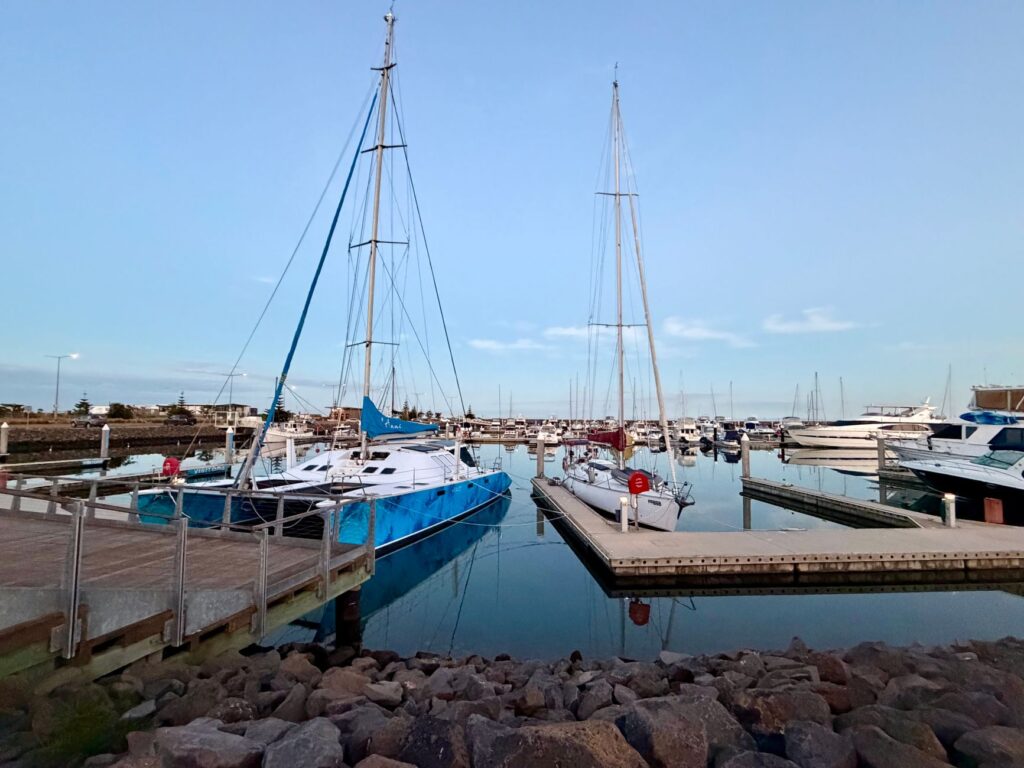
Along this maritime promenade, community events and informal gatherings unfold against the backdrop of moored vessels and distant horizon lines. The careful integration of art and landscape encourages both residents and visitors to slow their pace, observe the shifting light over the bay, and engage directly with the public design elements that honor Australia’s maritime heritage.
Geelong’s urban landscape demonstrates that port cities can reinvent themselves by prioritizing community wellbeing and the visual memory of their historic wharves.
Life in Residential and Commercial Neighborhoods
Beyond the coastline, Geelong’s inner neighborhoods reveal a network of cohesive communities where commercial life is organized around tree-lined squares and neighborhood markets. In areas like Newtown and Geelong West, Edwardian-style timber homes, popularly known as weatherboard cottages, retain front gardens without high fences, fostering an open and accessible sense of neighborhood. On weekends, local farmers markets draw producers from the Bellarine region, offering everything from olives and cool-climate wines to vegetables grown on small family holdings.
This proximity economy reduces reliance on large distribution chains and strengthens local identity. Leather artisans, traditional bakers, and independent booksellers form the human fabric supporting the neighborhoods’ economic life. Walking through these residential streets reveals that Geelong’s appeal does not lie in grand tourist monuments, but in the quality of its domestic architecture and the meticulous care residents bestow upon shared public space.
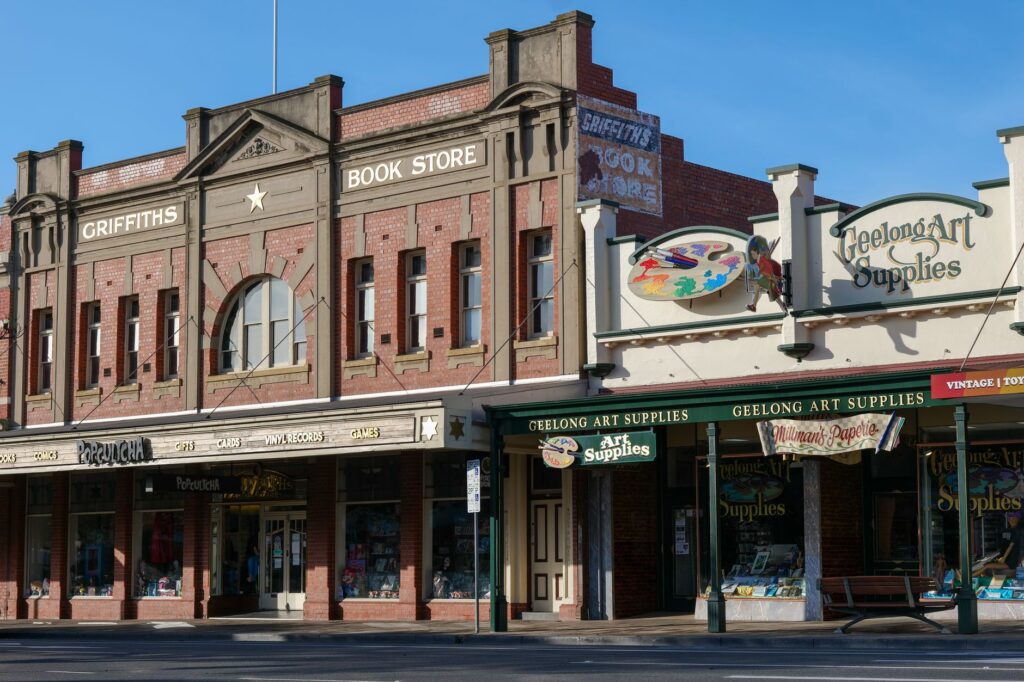
Community life in these suburbs is anchored by local associations, school fundraisers, and neighborhood libraries that serve as cultural hubs. Residents frequently participate in civic discussions regarding urban planning, ensuring that neighborhood character remains protected against excessive densification. This collective vigilance safeguards the quiet charm of leafy side streets and preserves the welcoming scale characteristic of the region.
The Barwon River and Peripheral Ecological Corridors
To the south, the Barwon River marks another fundamental natural boundary for understanding the territory. Its banks, flanked by tall eucalyptus trees and riparian reeds, house an extensive linear park used daily by rowers, walkers, and amateur naturalists. The river’s calm waters contrast with the bay’s open dynamism, offering a quiet environment where river fauna—from cormorants to snake-necked turtles—coexists in harmony with environmentally respectful recreation infrastructure.
Paved and beaten-earth paths winding along the basin connect the southern neighborhoods with artificial lakes and protected wetlands at Reedy Lake. This wetland, recognized for its international importance for migratory waterbirds, acts as a vital ecological lung for the entire region. Local conservation associations regularly organize educational workshops and reforestation days with native flora, involving schools and neighbors in preserving an ecosystem that balances demographic growth with natural heritage conservation.
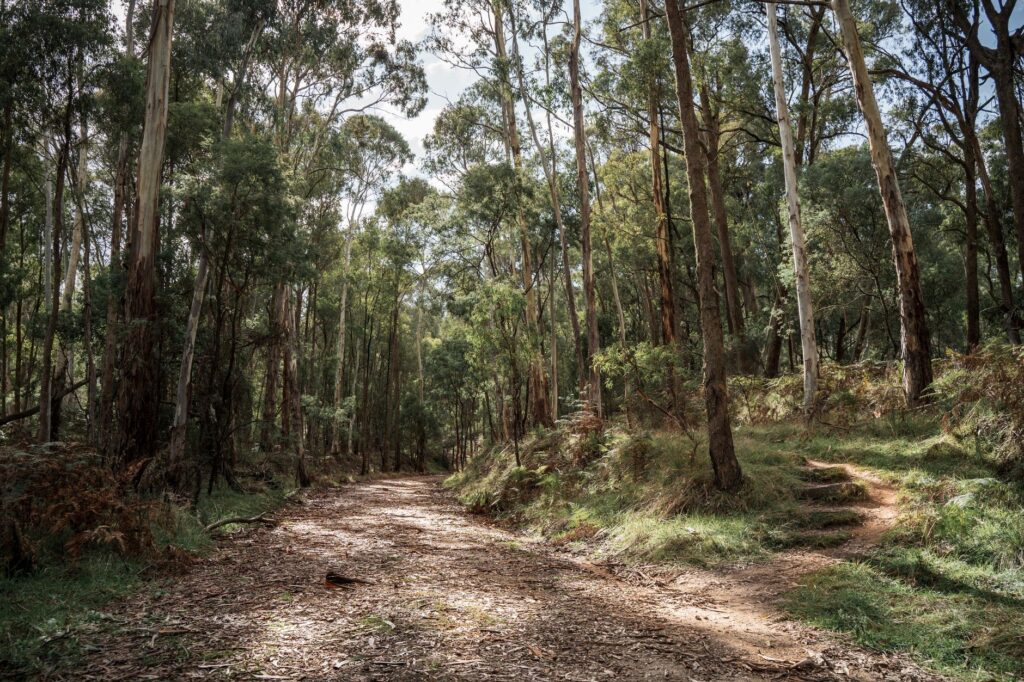
Environmental stewards and volunteer groups meet regularly to monitor water quality and clear invasive plant species along the riverbanks. These grassroots conservation efforts ensure that the Barwon corridor remains a pristine refuge for local wildlife. Observers sitting quietly on wooden benches often spot native bird species foraging among the reeds, highlighting the successful coexistence of urban proximity and protected natural habitats.
Urban Sustainability and Responsible Visitor Decisions
In recent years, Geelong has embraced significant challenges regarding energy transition and sustainable mobility. The urban center prioritizes low-emission zones and segregated bicycle lane networks connecting the main railway station with university campuses and port cultural centers. For those visiting the city, adopting a responsible approach involves minimizing private vehicle use, utilizing the local bus network, or exploring the main commercial and heritage axes on foot.
Respect for the natural environment also translates into simple yet essential guidelines: avoiding littering on Corio Bay beaches, leaving dune vegetation undisturbed, and purchasing primarily from gastronomic establishments sourcing from local Victoria producers. The hospitality of its inhabitants is nurtured by an implicit pact of mutual care, where the traveler is invited to integrate into the community’s slow pace without disrupting it.
Visitors are encouraged to respect local wildlife habitats, adhere to marked trails in wetland reserves, and support independent businesses that champion ethical sourcing. By embracing these sustainable practices, travelers contribute directly to the preservation of Australia’s rich coastal environments and help maintain the authentic character of neighborhood commercial districts.
Practical guide
- How to get there: Geelong is approximately one hour by train from Southern Cross Station in Melbourne, with frequent services operated by V/Line. Avalon Airport (AVV) places the city within easy reach by bus or taxi for domestic flights.
- When to go: Spring months (September to November) and summer (December to February) offer mild temperatures and long days ideal for walking through botanical gardens and the waterfront.
- Getting around: The historic center and coastal strip are entirely accessible on foot. For more distant areas like the Barwon River or Geelong West, the urban bus network effectively covers mobility needs.
- Accommodation: Lodging options range from boutique hotels in former bluestone warehouses to family-run guesthouses and period bed and breakfasts in Newtown.
- Local gastronomy: Farmers markets and downtown cafes offer products from the Bellarine Peninsula, highlighting regional cool-climate wines and fresh bay seafood.
Coastal Refuge and Shared Memory
At dusk, when the final rays of sunlight illuminate Victorian facades and sailboats anchor in Corio Bay’s calm waters, Geelong reveals its most intimate face. The dim lights of coastal lanterns guide the silent return of walkers toward residential districts, closing a daily cycle where nature, architectural heritage, and community life converge in perfect harmony. There is no need to seek grand artifices in this corner of Victoria; its true value lies in the gentle dignity of everyday life and its people’s capacity to preserve a refuge where human time still retains its space and meaning.
As night falls completely, the reflections upon the water mirror the quiet persistence of a community deeply connected to its coastal origins. The gentle rustle of eucalyptus leaves along the promenade and the distant murmur of the tides offer a reassuring sense of place. In Australia, cities like Geelong stand as enduring testaments to the beauty of slower rhythms, thoughtful preservation, and the quiet contentment found in everyday shared spaces.