
The Geography Suspended Above the Sarine River
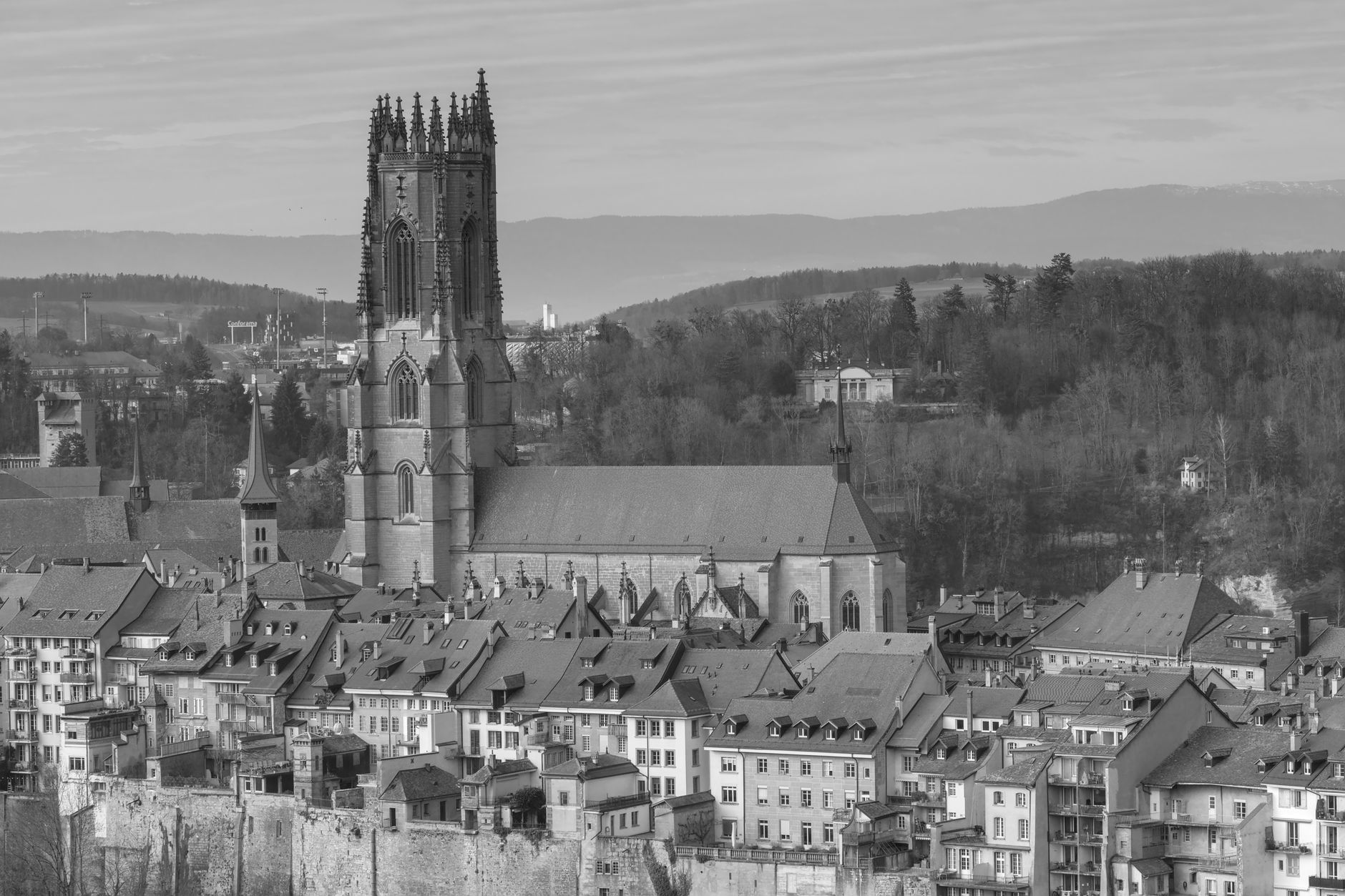
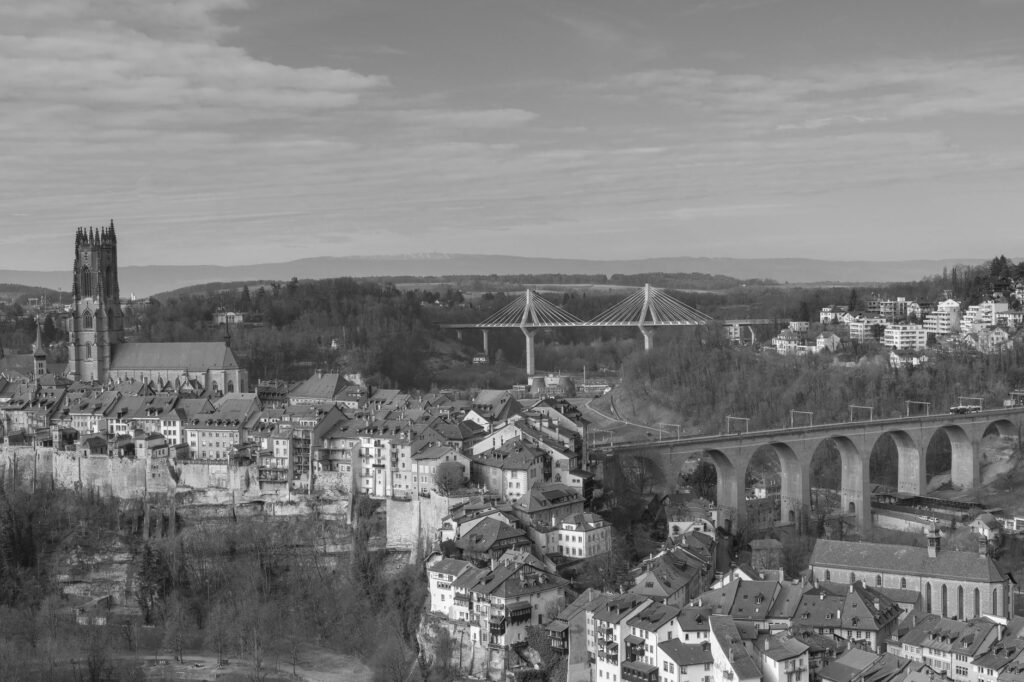
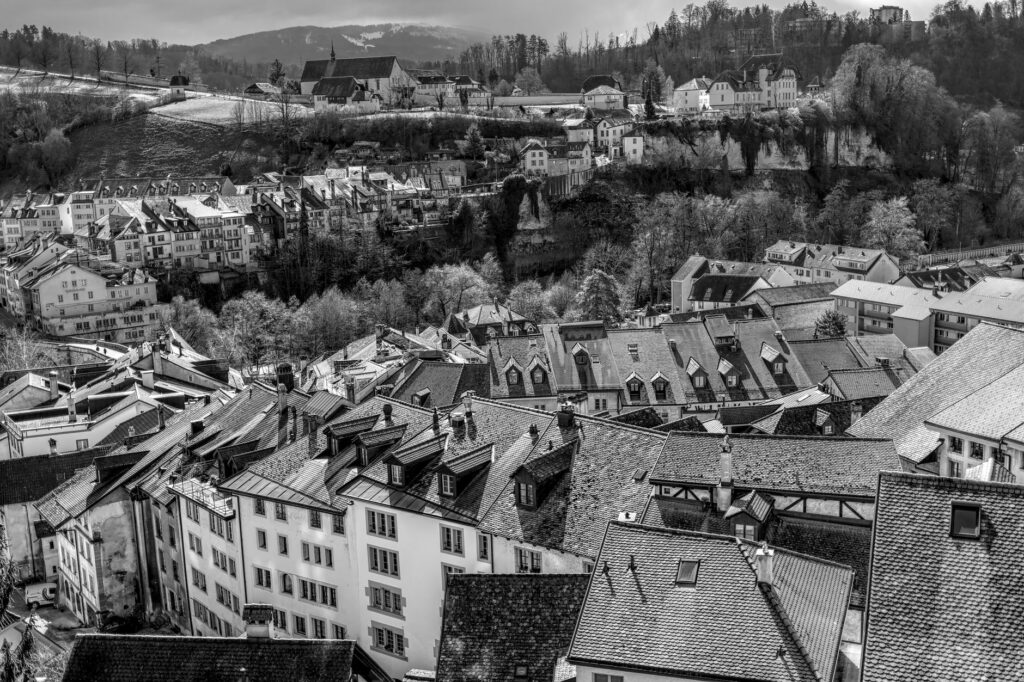
Fribourg rises upon a rocky promontory almost entirely encircled by the winding waters of the Sarine river, shaping a landscape where nature and human intervention have intertwined since the Middle Ages. This Swiss city, located in the eponymous canton, is visually and administratively divided between the upper town, characterized by Renaissance and bourgeois architecture, and the lower town, which descends toward the riverbanks while maintaining a more intimate and quiet scale. The river acts not merely as a natural boundary, but as a backbone that has conditioned mobility, commerce, and urban development across the centuries. The local sandstone, quarried from the very hills upon which the settlement rests, imparts an unmistakable ochre tone to historical buildings, shifting in nuance according to morning light and the reflection of the water.
The urban layout is marked by steep elevation changes that historically forced engineers and builders to devise unique transport solutions. Today, historic funiculars such as the Neuveville line connect both worlds without relying on heavy motorized traffic, preserving the atmosphere of cobblestone streets. Municipal ordinances prioritize the preservation of this architectural fabric through strict traffic restrictions in the old town, one of the best-preserved medieval monumental complexes in Central Europe. Residents walk through porticoed squares where the sound of public fountains dialogues with the murmur of a community that has chosen to maintain local neighborhood shops over commercial standardization.
The relationship between inhabitants and their natural surroundings is sustained by a network of protected green spaces that penetrate deep into the heart of the neighborhoods. The wooded slopes descending toward the Sarine function as ecological corridors where local biodiversity finds refuge from metropolitan pressure. Neighborhood associations actively participate in the management of these green lungs, organizing clean-up days and monitoring native flora. This civic commitment ensures that urban growth respects the ecological boundaries of the valley, preventing disorderly expansion into the surrounding agricultural lands.
Gothic Heritage and Daily Life in the Squares
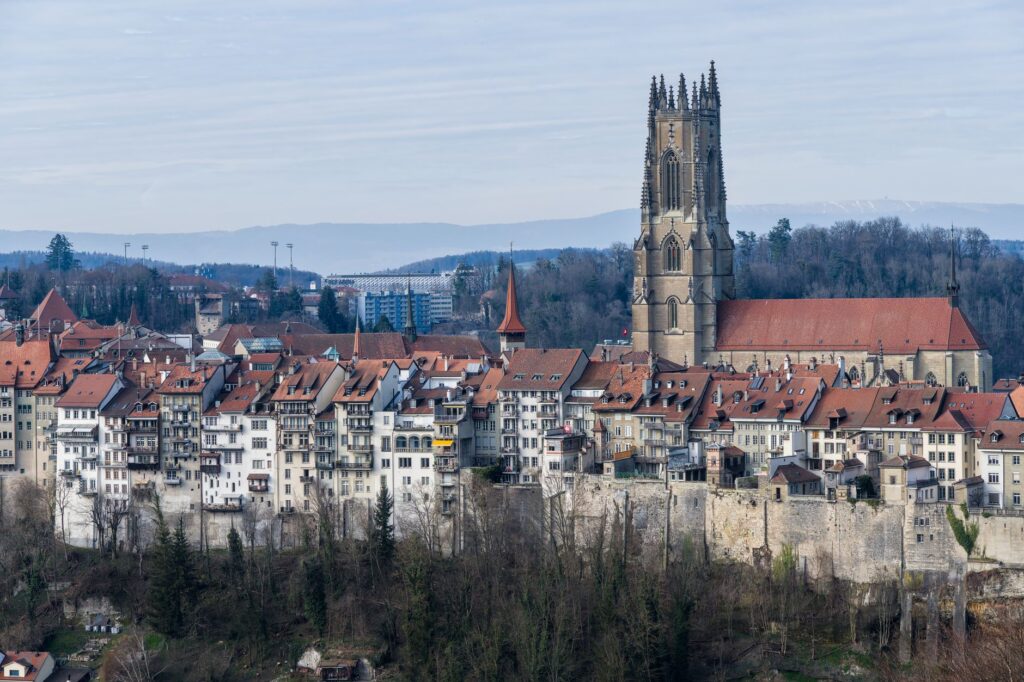
The Cathedral of Saint Nicholas dominates Fribourg’s urban profile with its slender seventy-four-meter tower, visible from almost any point in the canton. Built over several centuries, its architecture combines early and late Gothic elements, while its stained-glass windows, designed by Polish artist Józef Mehoffer in the early twentieth century, provide a chromatic dimension that transforms the interior of the church into a space of silent contemplation. Around the cathedral parvis, daily life unfolds detached from mass tourist rushes. Weekly markets occupy adjacent squares, offering agricultural produce cultivated on the farms of the Swiss plateau and reinforcing a zero-kilometer supply chain that minimizes carbon footprint.
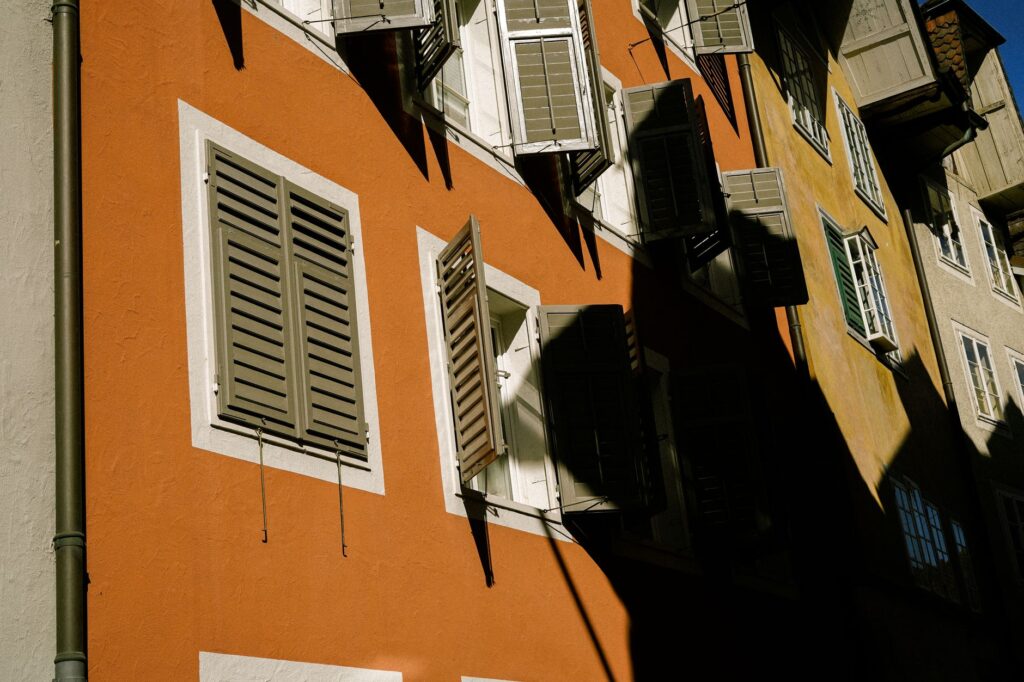
The facades of bourgeois houses, with their wooden shutters and sculpted details, house both residences and artisan workshops where traditional crafts are preserved. The generational transmission of these construction and artistic techniques ensures that monument restoration is carried out using materials identical to the originals, respecting the authenticity of the place. Respect for architectural detail constitutes an unwritten rule guiding every municipal intervention, from street paving to the installation of discreet and functional street furniture.
Community meeting spaces, such as ancient public washhouses converted into summer gathering points, demonstrate how historical infrastructure can adapt to contemporary socialization needs. In these corners, residents of different generations share conversations regarding the maintenance of urban gardens and the efficient management of potable water. Social cohesion relies on a solid network of cultural and sports associations that foster a sense of belonging without excluding visitors who respect local rules.
Active Mobility and the Transition Toward Clean Transport
Getting around Fribourg requires understanding a multimodal public transport system that prioritizes pedestrian transit, bicycle use, and rail travel. Fribourg’s central station acts as a key intermodal node, connecting regional trains with low-emission urban bus lines that traverse the various neighborhoods of the plateau and the slopes. Local authorities have implemented restrictive parking policies in the historic center, discouraging private car use and repurposing those surfaces for outdoor cafe terraces, bicycle lanes, and wooded rest areas.
Urban cycling associations work closely with the urban planning department to design safe routes connecting educational centers, residential estates, and peripheral commercial zones. The integration of the bicycle into daily routine is facilitated by a challenging topography but offset by the progressive installation of public elevators and mechanical ramps at points of steepest incline. In this manner, citizens of all ages can access essential services without depending on polluting vehicles.
The railway system crossing the canton has also undergone improvements aimed at energy efficiency, reducing electricity consumption per passenger and optimizing connection schedules with national trains. This infrastructure not only facilitates communication with Bern and Lausanne, but reinforces Fribourg’s identity as an intermediate city where human scale prevails over metropolitan congestion. Travelers arriving by train discover a city designed to be explored on foot, where each journey reveals a different perspective of historical bridges and surrounding valleys.
Local Markets and the Canton’s Food Sovereignty
Food supply in Fribourg rests upon a solid network of local agricultural producers who commercialize their harvests directly in open-air markets and neighborhood food cooperatives. This direct relationship between the countryside and the city guarantees the freshness of dairy products, vegetables, and grains, while drastically reducing emissions associated with long-distance freight transport. Regional farmers apply agroecological practices that protect soil quality and alpine meadow biodiversity, ensuring land fertility for future generations.
Traditional markets are not mere attractions for visitors, but essential spaces where local families plan their weekly shopping basket guided by crop seasonality. Food sovereignty thus becomes a daily and shared practice, where consumers value the effort required to produce food in a demanding geographical environment. Local schools collaborate with these producers to introduce school menus based on regional ingredients, educating children in the importance of sustainable nutrition.
Likewise, restaurants and cafes in the historic center and residential neighborhoods source their ingredients from local suppliers, offering traditional recipes adapted to contemporary sustainability criteria. This economic synergy strengthens the regional economy and avoids dependency on global distribution chains subject to international market volatility. The result is a transparent gastronomic ecosystem, where each dish reflects the agricultural identity of the canton of Fribourg.
Conservation of Natural Spaces and Riparian Biodiversity
The banks of the Sarine river and the forests flanking the river canyon constitute protected areas of high ecological value where human intervention is strictly regulated to safeguard native flora and fauna. Signposted trails allow walkers to traverse these natural corridors without disturbing aquatic bird nesting habits or damaging riparian vegetation. Local universities and botanical research centers collaborate with the cantonal government in the constant monitoring of water quality and forest health, utilizing reliable biological indicators.
Management of these natural spaces includes the selective removal of invasive species and the planting of native trees that reinforce slopes against potential landslides. Citizen science plays a fundamental role in this balance, as numerous volunteers participate in wildlife censuses and environmental awareness campaigns directed at educational centers. These initiatives reinforce collective awareness regarding the fragility of the river ecosystem and the necessity of protecting it against climate change.
Urban parks and community gardens situated in residential neighborhoods complement this ecological network, offering biodiversity refuges within the built fabric. In these spaces, residents cultivate nectar-bearing plants that favor pollination and learn domestic composting techniques that reduce the volume of waste sent to municipal landfills. Nature is thus integrated into daily life, demonstrating that urban areas can harbor rich biodiversity when planned with rigorous ecological criteria.
Linguistic Heritage and Cultural Coexistence
Fribourg stands out in the Swiss context for its status as a bilingual city, where French and German coexist naturally in administration, schools, and daily life. This linguistic duality enriches the community’s cultural fabric, fostering the exchange of traditions and perspectives among the different linguistic communities comprising the canton. Bilingual signage on streets, public buildings, and transport reflects deep institutional respect for cultural diversity, turning coexistence into a fundamental pillar of local identity.
Fribourg’s educational institutions, including its historic university founded in the late nineteenth century, attract students and researchers from around the world, invigorating the city’s intellectual life without altering its residential rhythm. Intercultural dialogue manifests in music festivals, theater competitions, and public debates addressing issues related to sustainability, human rights, and responsible heritage management. This openness to the world is combined with deep roots in local traditions, such as popular festivities linked to the agricultural and religious cycle.
Citizen participation in public affairs is channeled through direct democratic tools, such as popular consultations and neighborhood assemblies, where residents debate the urban and environmental future of their surroundings. This participatory governance model ensures that political policies reflect the real needs of the community, avoiding external impositions and strengthening trust in local institutions. Every inhabitant’s voice counts in building a sustainable and balanced urban future.
Responsible Tourism and Carrying Capacity Management
Fribourg confronts visitor influxes through a sustainable tourism strategy that prioritizes experience quality over seasonal overcrowding. The local tourist office promotes extended stays and walking or cycling routes that decentralize tourist flows, directing them toward lesser-known neighborhoods of high patrimonial and landscape richness. Carrying capacity management of monuments and public spaces prevents premature wear of historical heritage and ensures that residents can continue enjoying their neighborhoods without congestion.
Hotel accommodations and guesthouses in the canton voluntarily participate in environmental certification programs, reducing energy consumption, optimizing water management, and offering locally sourced amenities. Furthermore, visitors are informed about rules of civic coexistence, responsible public transport use, and the importance of respecting quiet hours in residential zones. This preventative approach fosters a respectful traveler profile, interested in understanding Fribourg’s history, culture, and environmental challenges.
Synergies between the tourism sector, local merchants, and municipal authorities ensure that the economic benefits of tourism are equitably distributed across the community, funding public space conservation and green infrastructure improvements. Far from turning the city into a mere theme park, Fribourg demonstrates that it is possible to welcome those wishing to discover its heritage without sacrificing the authenticity of its inhabitants’ daily lives.
Practical guide
How to get there: Fribourg’s central station features frequent and direct rail connections from Bern, Lausanne, and Zurich, integrated into the national Swiss Federal Railways SBB network.
When to travel: Spring and summer months offer optimal temperatures for walking through the historic center and the riparian trails of the Sarine river, while autumn stands out for the coloration of surrounding forests.
Urban mobility: The historic center is pedestrianized. To move between the upper and lower town, the historic Neuveville funicular and the urban bus network guarantee comfortable and sustainable access.

Accommodation: Advance booking is recommended in independent hotels or guesthouses adhered to cantonal environmental sustainability programs.
Local gastronomy: Weekly markets and local produce shops offer regional cheeses, seasonal vegetables, and culinary specialties prepared by local producers.
Rules of respect: It is essential to respect neighborhood quiet hours in residential zones of the old town and to use exclusively signposted trails in protected natural areas.
The Reflection of Water and the Definitive Silence of the Valley
As evening falls, the golden twilight light illuminates Fribourg’s stone bridges and Gothic towers, casting long shadows over the tranquil waters of the Sarine river. From the natural viewpoints bordering the upper town, silence slowly takes hold of the landscape as the final rays of sun fade behind the hills of the Swiss plateau. This moment of stillness encapsulates the essence of a community that has successfully protected its medieval heritage and natural environment against the pressures of the contemporary world. The dim lights of streetlamps begin to outline cobblestone streets, guiding the serene footsteps of those who inhabit this valley suspended in time. Fribourg bids farewell to the day with the silent certainty that sustainability and beauty endure when the past is tended with patience and respect.