
The Arteries of the Estuary and the Daily Pulse
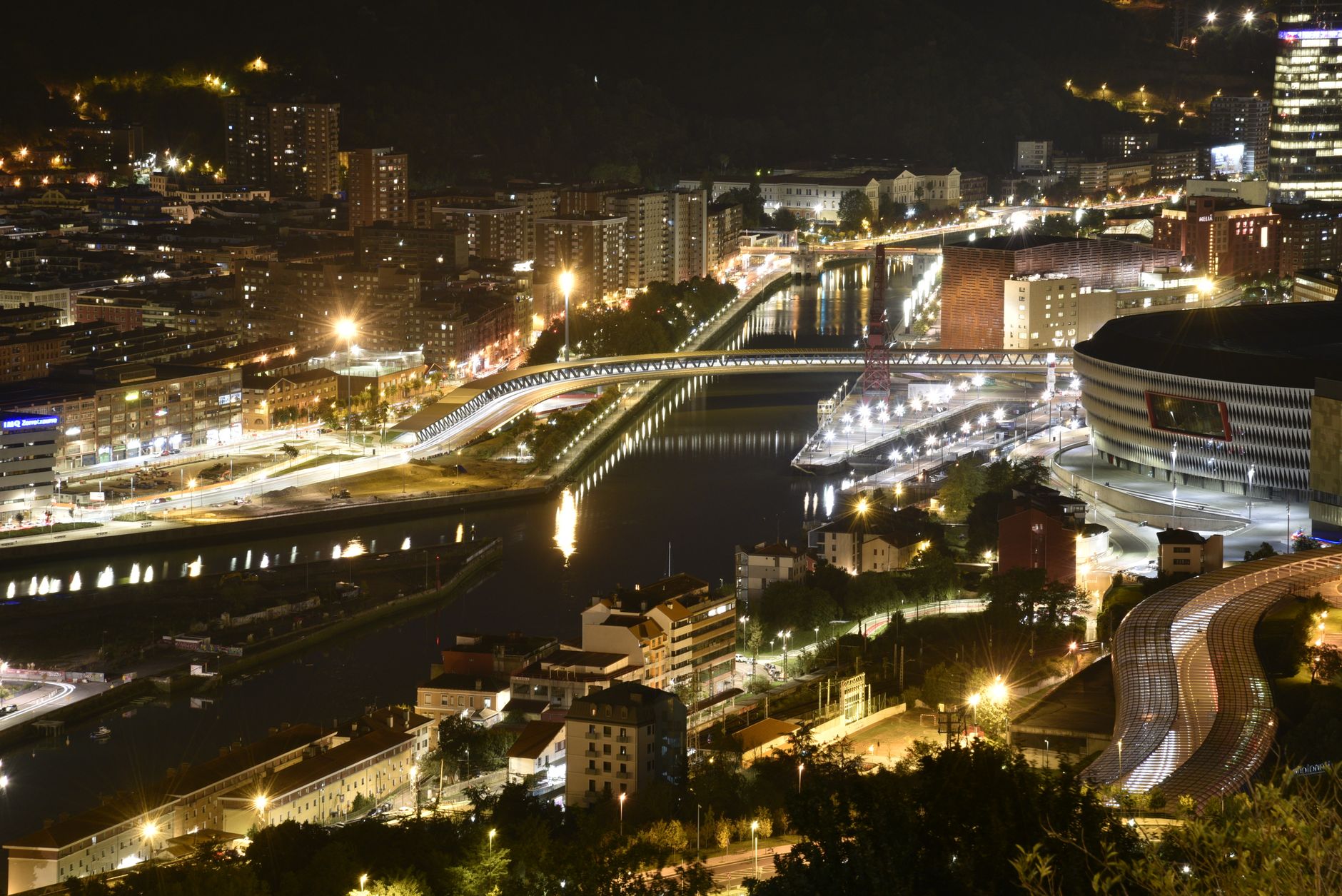
In the north of Spain, the city of Bilbao organizes its daily life along the banks of the Nervión estuary. With a population exceeding 340,000 inhabitants, this urban enclave has successfully transformed its industrial past into a model of sustainable mobility. Transportation infrastructures not only connect neighborhoods and hillside slopes, but also structure the identity of a community that has always looked to the water as its main communication route.
The public transport system combines municipal buses, a metro network designed by internationally renowned architects, and a tram service that runs parallel to the river promenades. Every morning, thousands of people use these means of transport to travel from residential districts to centers of economic and cultural activity, shaping a daily choreography of punctuality and efficiency that defines the dynamic character of the town.
The integration of the different travel modes responds to a territorial planning strategy oriented toward social cohesion. Neighbors from diverse neighborhoods share the same transit spaces on a daily basis, fostering a sense of community belonging that transcends the physical boundaries of each district and strengthens local community life.
The Suburban Network That Reshaped the Territory
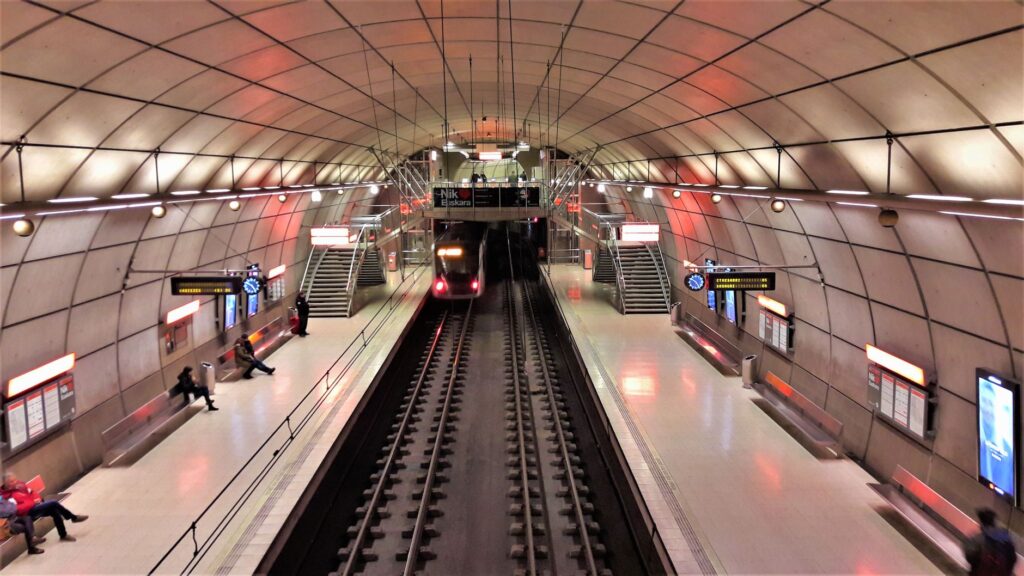
Inaugurated at the end of the 20th century, the Bilbao metro has become the backbone of metropolitan mobility. Its characteristic access stations, popularly known as fosteritos in honor of their designer Norman Foster, dot the urban geography like glass and steel sculptures that invite travelers to descend into the bowels of the city.
The underground network efficiently links the historic center with neighboring municipalities located on both banks of the estuary. This subterranean design has freed up surface space, reducing road traffic congestion and ensuring that daily commutes are carried out with very tight travel times, which is essential for the working life of the region.
The careful design of the stations, focused on spaciousness, luminosity, and universal accessibility, guarantees that the passenger experience is comfortable and safe at any time of the day, turning the daily journey into a habit free of tensions.
Bridges and Walkways to Unify the Riverbanks
The geography of Bilbao is marked by the presence of the estuary, an element that historically divided the city into two distinct realities. To overcome this natural barrier, a set of bridges and pedestrian walkways has been developed, establishing a constant dialogue between tradition and contemporary architecture.
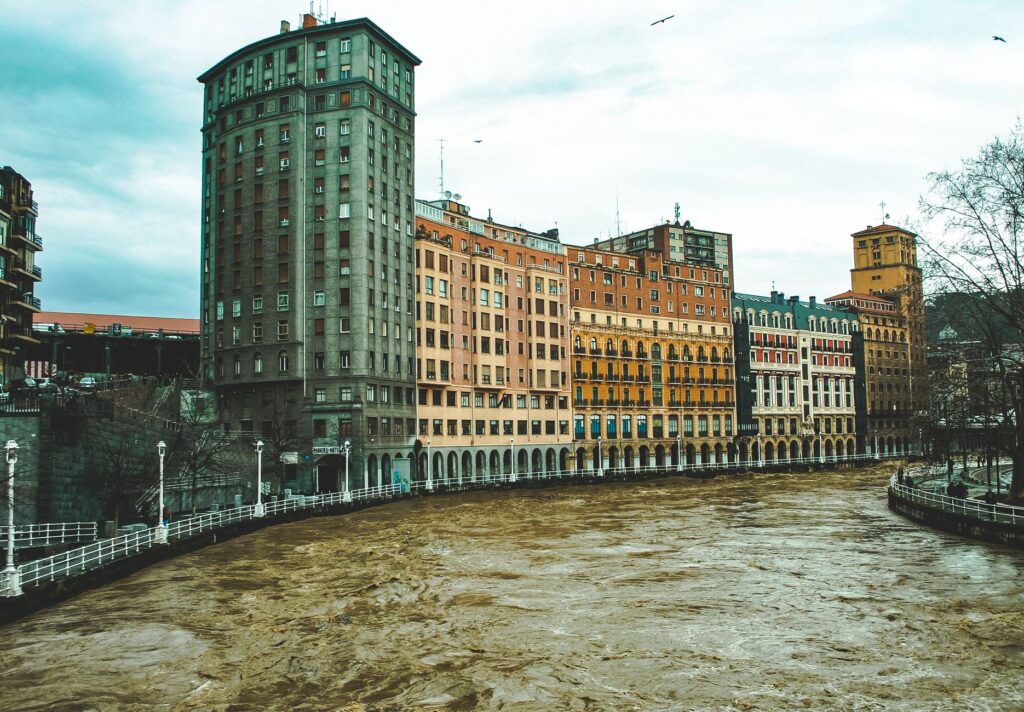
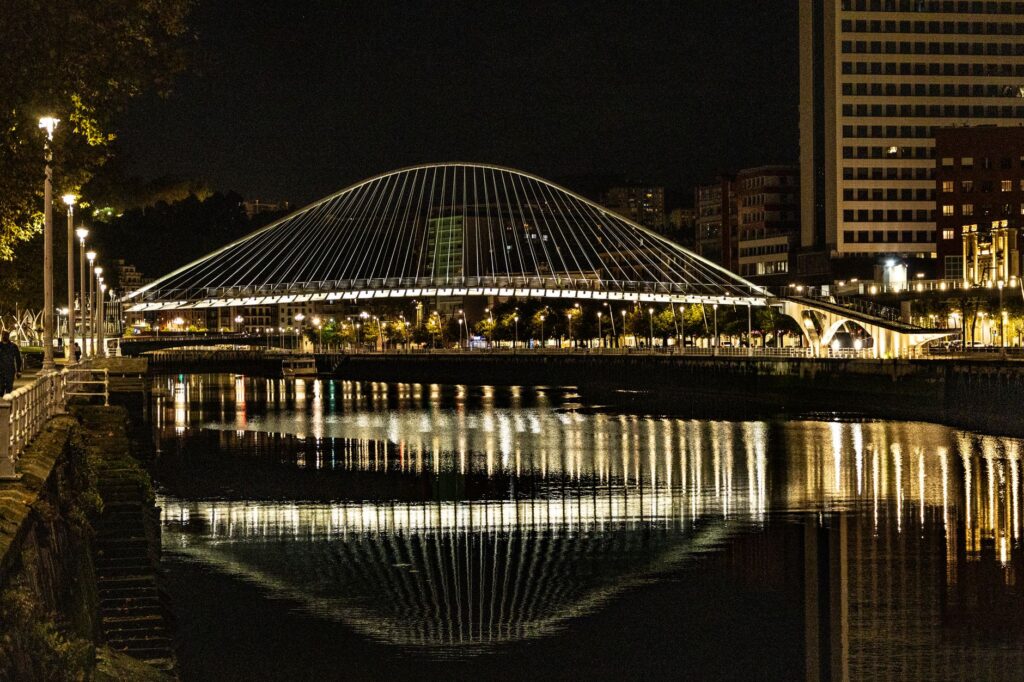
From the oldest stone bridges to the most recent signature metal structures, these civil engineering works allow pedestrians to cross from one neighborhood to another in just a few minutes. Walking across these pathways is part of the daily routine for residents, who enjoy privileged views over the river channel and the former docks converted into citizen promenades.
These river connections act as spontaneous meeting points where citizens converge to walk, exercise, or simply contemplate the flow of the water, integrating the natural landscape into the daily urban experience.
The configuration of these pathways highlights the deliberate effort to maintain a human scale within the urban grid, allowing people to experience the city at a pace that favors observation and reflection. Each bridge tells a story of connection, bridging past divides and creating unified corridors that reinforce the sense of a single, cohesive municipality.
Furthermore, these architectural additions serve as viewpoints for the surrounding urban scenery, where industrial heritage meets contemporary design. Visitors and locals alike find in these crossings a practical way to navigate the territory while appreciating the aesthetic evolution of the urban landscape.
The Tramway as a Ground-Level Promenade
Complementing the metro and the buses, the tram offers a leisurely perspective of the urban environment. Its route runs on a green track in numerous sections, blending harmoniously into the landscape and reducing acoustic impact compared to other combustion vehicles.
This means of transport is especially useful for connecting nerve centers such as the Arriaga theater, museums, and commercial expansion areas. Users value the universal accessibility of the vehicles and the comfort of a journey that allows them to contemplate the architectural transformation of the town without leaving their seat.
The presence of the tram on the surface encourages respectful coexistence with pedestrians, prioritizing calm mobility and discouraging the use of private vehicles for short-range trips through the center.

By sharing surface space with pedestrians and cyclists, the tram reinforces the idea of a shared city where priority is given to sustainable collective transit rather than individual automotive transport.
The integration of green tracks further softens the visual impact of the infrastructure, contributing to a more pleasant environment for those who walk alongside the tracks.
Bicycle and Pedestrian Travel
In recent years, Bilbao has firmly committed to expanding pedestrian routes and bike lanes, promoting active mobility among residents and visitors alike. Streets traditionally destined for vehicular traffic have been converted into coexistence zones where pedestrians hold absolute priority.
This urban transformation fosters a healthier and more environmentally friendly lifestyle. Walking through the Old Town and the expansion areas allows people to discover small local shops, traditional markets, and squares where social life remains active throughout the year.
Walking through the city invites travelers to rediscover architectural and heritage details that go unnoticed when using rapid transport, fostering a more intimate and leisurely connection with local history and the daily pulse of the neighborhoods.
The implementation of pedestrian-friendly policies has transformed public spaces into living rooms for the community, encouraging outdoor interaction and local commerce.
Cyclists also benefit from a growing network of lanes that connect different districts safely, making cycling a viable alternative for daily commuting as well as recreational exploration.
Sustainability Criteria for Visitors
For those arriving in Bilbao from other latitudes, using public transport is the wisest and most efficient option to get to know the territory. Single tickets and contactless cards facilitate intermodality between trains, buses, and the metro, avoiding the need to use private vehicles within the urban fabric.
The value of a city is also measured by the ease with which its inhabitants and visitors can travel through it without leaving an unnecessary footprint on the environment.
Planning journeys using official mobility applications helps optimize travel times and discover alternative routes connecting points of heritage interest with the natural spaces surrounding the valley.
Adopting respectful behaviors during visits helps preserve peaceful coexistence with the neighborhood and ensures the conservation of public spaces for future generations of residents and visitors alike.
Visitors are encouraged to embrace local habits, such as separating waste and utilizing recycling facilities correctly, thus contributing to the maintenance of clean and welcoming public areas.
Practical Guide
How to get there: Bilbao airport, located in Loiu, has regular bus connections that communicate directly with the city center in approximately fifteen minutes. Likewise, the Abando railway station receives medium and long-distance trains from different points of the peninsula.
How to get around: The Barik card is the contactless stored-value card valid for all public transport operators in Bizkaia, offering reduced fares compared to single tickets and allowing economical transfers between different modes.
When to travel: Any time of the year is suitable for touring the city, although spring and autumn offer mild temperatures that are very conducive to walking along the estuary promenades and urban parks.
Local respect tips: It is recommended to use the street recycling bins, respect neighborhood rest schedules in hospitality areas, and prioritize local commerce to support the traditional economy of the municipality.
Useful information: Municipal tourist offices provide detailed maps of transport lines and advice on pedestrian routes accessible to all audiences.
The Daily Heartbeat on the Urban Horizon
As evening falls, artificial lighting draws silhouettes over the waters of the Nervión while the coming and going of vehicles and passersby maintains the pulse of a city that never stops. Bilbao demonstrates that the true essence of a destination lies in the harmony with which its community travels through its streets every day.
The balanced combination of historical heritage, architectural modernity, and an efficient transport network consolidates this Basque enclave as a benchmark for habitability and respect for the environment, where every daily journey reflects a collective commitment to the future.