
The Geography Sculpted by Wind and Sea in Dunedin
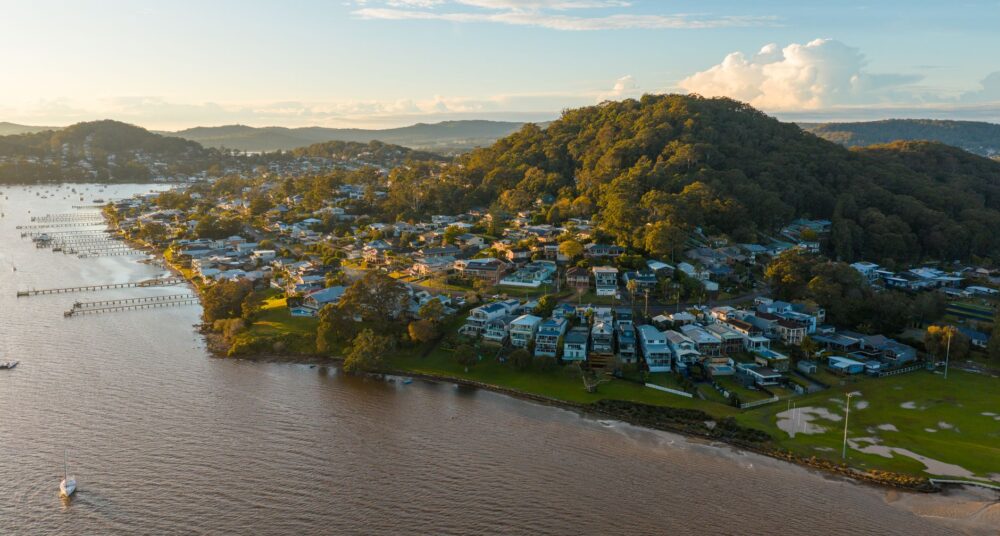
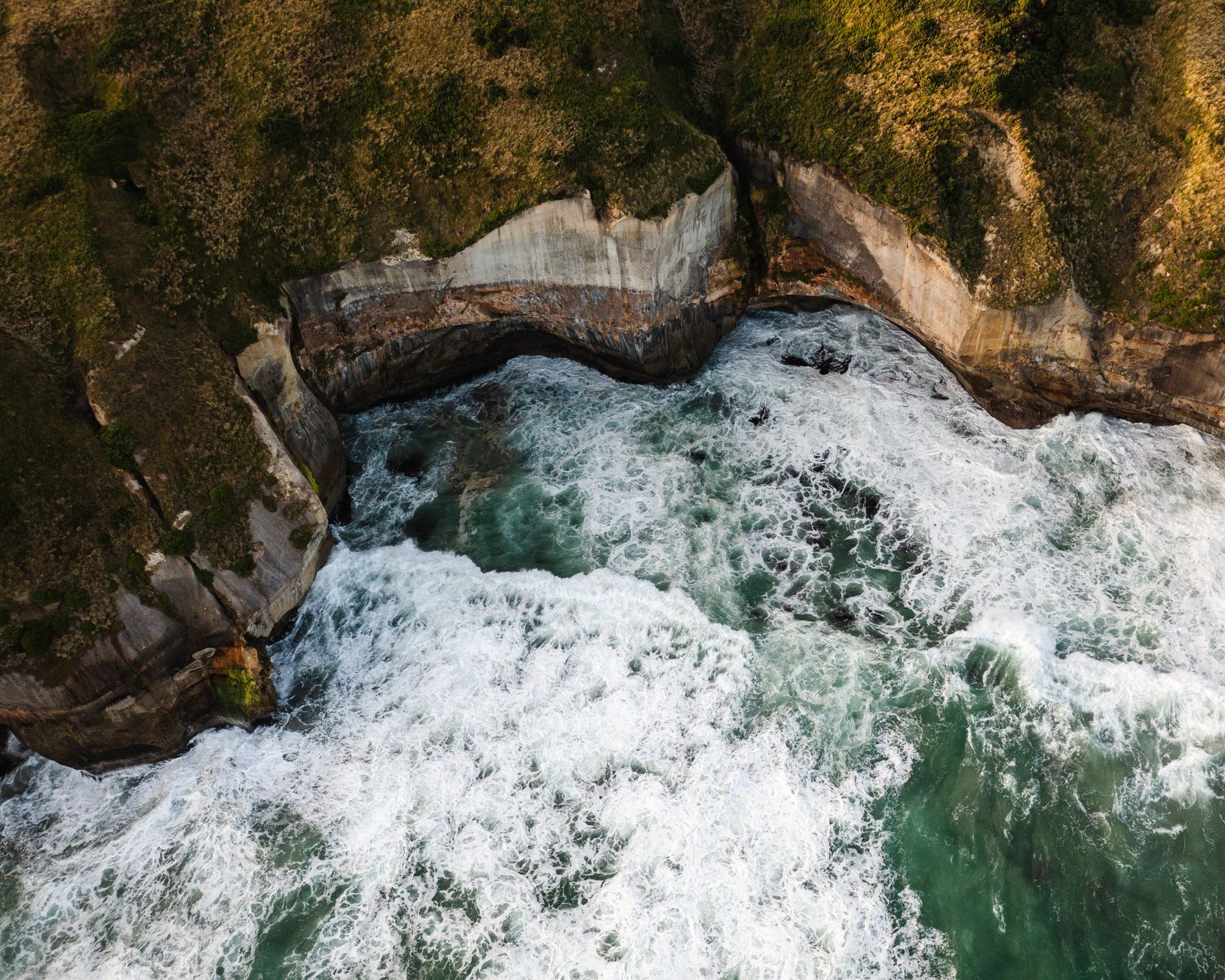
Nestled on the southeastern coast of New Zealand’s South Island, Dunedin stands as a territory where volcanic geology and the Pacific Ocean converge to offer landscapes of intense natural beauty. With a population slightly exceeding 132,000 residents, this city is renowned not only for its Scottish-inspired architectural heritage but also as the gateway to a wild environment that demands respect and methodical preparation from every walker. The trails winding from urban neighborhoods to the marine cliffs of the Otago Peninsula expose visitors to shifting weather patterns and rugged terrain that tolerate no improvisation.
Understanding local topography is essential before lacing up trekking boots. The municipality stretches around an elongated harbor, flanked by steep hills that reach considerable elevations within a short horizontal distance. This configuration creates microclimates where warm interior air can suddenly collide with freezing winds blowing directly from Antarctica. Planning a route in this corner of New Zealand involves studying topographic maps, knowing estimated hiking times, and accepting that southern weather sets its own pace, forcing changes to initial plans whenever safety dictates.
Physical Preparation and Equipment Against Southern Unpredictability
Tackling Dunedin’s trails requires a physical condition suited for steep inclines and surfaces that combine clay mud, loose rock, and grassland exposed to intense wind gusts. Mountain safety experts recommend undertaking conditioning hikes on similar terrain before attempting demanding routes such as those traversing the coastline of Sandfly Bay or the slopes of Mount Cargill. Each hiker must carry gear including breathable thermal layers, high-performance waterproof jackets, high-traction footwear, and a well-fitted backpack to prevent imbalances on narrow paths near steep drop-offs.
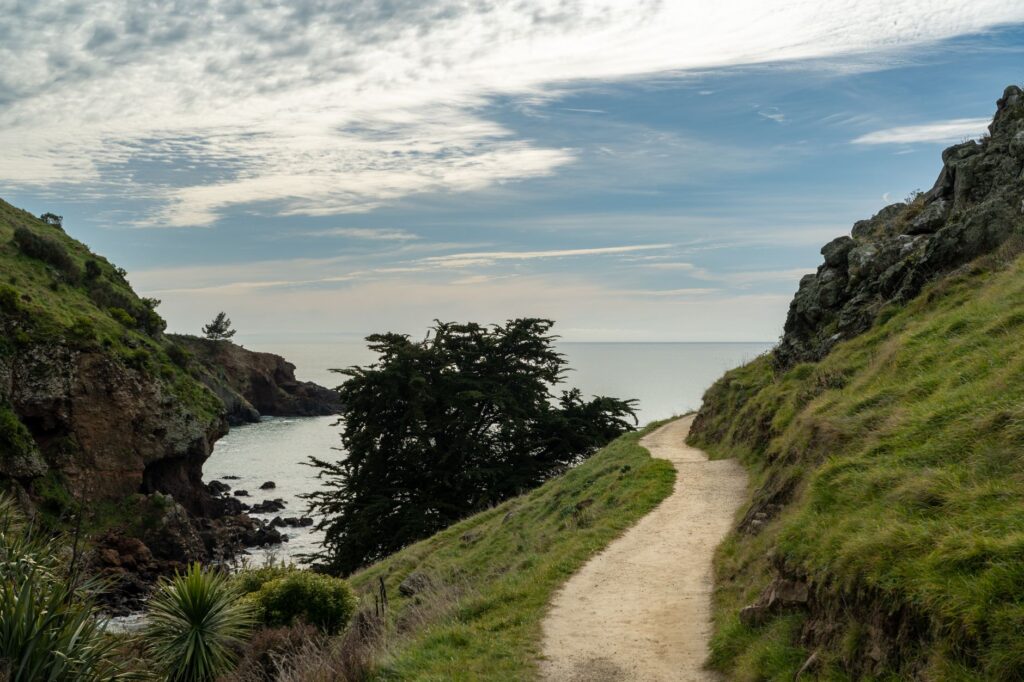
Hydration and route nutrition form another critical pillar of the expedition. Although the region features numerous crystal-clear streams, consuming untreated water carries health risks due to livestock grazing on adjacent farmland. Therefore, carrying sufficient potable water or a certified filtration system is a non-negotiable rule. Technical self-sufficiency in the natural environment defines the difference between an enriched experience and an emergency situation in isolated areas. Furthermore, carrying a satellite communication device or an updated geolocation app adds an extra layer of safety in areas where conventional mobile coverage disappears entirely.
Meteorology and Sky Reading on the Otago Coast
Dunedin’s climate exhibits classic temperate oceanic traits infused with marked subantarctic influences. It is not unusual to experience four seasons in a single day: a sunny morning can give way to torrential showers and gale-force winds within hours. Experienced hikers systematically consult national weather service bulletins before setting out on any march, paying special attention to wind warnings and the movement of cold fronts pushing up from the Tasman Sea.
Sky reading becomes an essential survival skill for interpreting the environment. Cloud formations gathering over the peaks of the Otago Peninsula often signal dramatic shifts in barometric pressure.
The mountain yields to no human haste; it demands patience, observation, and the necessary humility to turn back when the horizon closes in with thick fog.
At the slightest doubt regarding weather stability, the wisest decision is to postpone the outing or seek alternative routes with lower wind exposure. Safety must always override the desire to complete a pre-established itinerary.
Access Rules, Wildlife Coexistence, and Minimum Impact
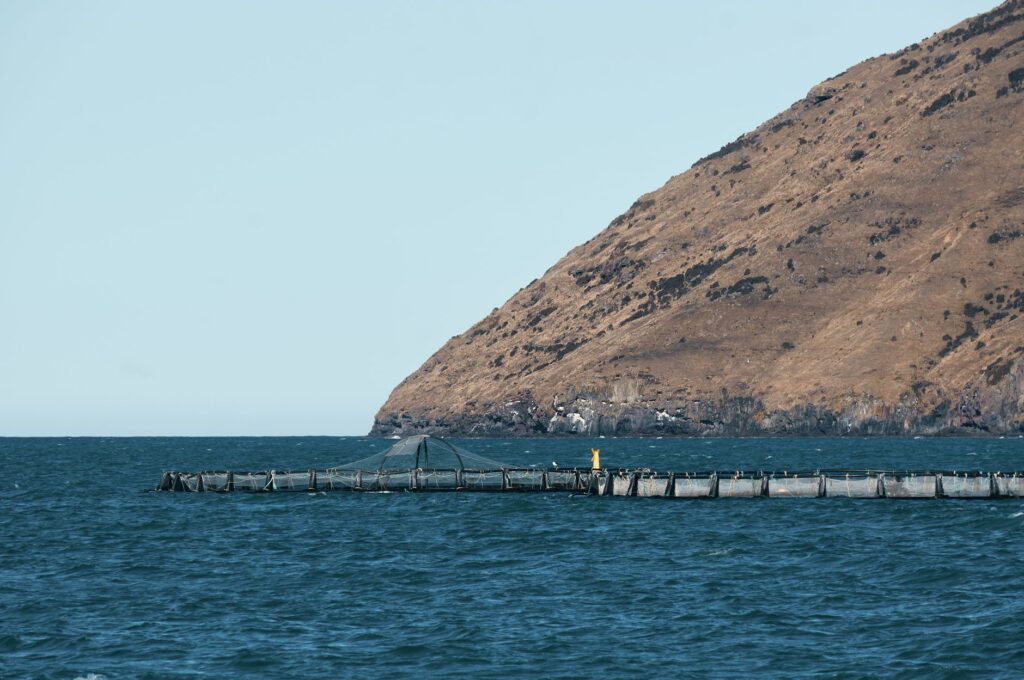
The territory surrounding Dunedin hosts highly fragile ecosystems inhabited by protected seabird species, such as royal albatrosses and rare yellow-eyed penguins. Trails frequently cross private properties managed via public access easements or lands overseen by the Department of Conservation (DOC). Strictly respecting informational signage, closing gates after passing through, and never straying from marked paths are both legal obligations and ethical duties for every responsible visitor.
The principle of minimum impact guides every step along these New Zealand routes. Lighting fires, discarding any type of waste—including organic scraps that attract rodent pests—or disturbing native wildlife in nesting areas is strictly prohibited. The preservation of these pristine landscapes depends on the civic behavior of those who traverse them without leaving a trace beyond temporary footprints. Respectful interaction with landowners and local communities fosters a sustainable tourism model that directly benefits the region.
Historical Heritage and Traditional Pathways of the Region
Walking through Dunedin also means advancing over superimposed layers of human history. Long before European settlers arrived in the nineteenth century, local Māori iwi (tribes) traversed these exact coastal routes and river valleys in search of seasonal resources, naming the area Ōtepoti. Geographic place names preserve the memory of that intimate relationship with the land. On routes near the Taieri River, for example, it is possible to perceive the echo of ancient greenstone trails and historical trading routes.
During the colonial era, the gold rush boom transformed inland Otago, leaving a legacy of railway infrastructure and mining tracks that have since been converted into greenways and long-distance walking trails. The contrast between the Gothic Revival and Victorian architecture of the urban core and the untamed roughness of marine cliffs enriches the walker’s experience. Each route offers a visual lesson in how successive cultures have sought to inhabit, connect with, and understand a geographic setting as challenging as it is fascinating.

Advanced Safety, Risk Prevention, and Emergency Response
Despite meticulous planning, unexpected events in the natural environment can materialize as fall injuries, mild hypothermia episodes, or disorientation caused by coastal fog. Knowing basic first aid protocols and understanding how to signal a rescue position are skills every hiker should master before venturing into the more remote circuits of the Otago Peninsula. Regional search and rescue services emphasize the importance of always leaving details of the planned itinerary with family or accommodation providers before departure.
In the event of an emergency in areas without signal, staying calm and finding natural wind shelter is the absolute priority before mobilizing resources. Prudent use of thermal emergency blankets, signaling whistles, and fully charged headlamps can save lives while awaiting professional rescue teams. Active prevention relies on assuming that any minor mishap in the city is exponentially magnified when it occurs miles from the nearest road.
Practical guide
How to get there: Dunedin Airport (DUD) connects the city with major New Zealand hubs such as Auckland and Christchurch through daily scheduled flights. From the terminal, the bus or rental car journey to the urban center takes approximately thirty minutes.

Best time to visit: The southern summer months, from December to February, offer the mildest temperatures and longest daylight hours, although weather remains variable. Spring (September to November) provides blooming landscapes with fewer crowds on the trails.
Permits and regulations: Most public trails on Department of Conservation (DOC) land are freely accessible, but certain sections crossing private farmland require checking seasonal restrictions due to lambing seasons or bird protection.
Accommodation: Lodging options in Dunedin range from historic downtown hotels to equipped campsites and rustic huts on the fringes of the Otago Peninsula, ideal for early starts on hiking routes.

Final recommendation: Always check updated forecasts on the Metservice website and strictly heed notices regarding trail closures due to adverse weather or infrastructure maintenance.
Morning mist slowly lifts above the cold waters of Dunedin Harbor, revealing the sharp profile of the hills guarding the southern coast. In this corner of the planet, where nature enforces its own rules with brutal honesty, every trail becomes an invitation to self-discovery and deep respect for the Earth. Walking through these landscapes is not a mere recreational activity, but an exercise in mindfulness that returns to the traveler the exact measure of their place in the world.