
Newton, Canada: A Landscape in Constant Transformation
In the heart of the Vancouver metropolitan region, the community of Newton unfolds as a living testament to how peripheral settlements evolve into complex urban cores. Far removed from the usual tourist circuits of British Columbia, this Canadian corner reveals its true nature in the human scale of its residential streets, community spaces, and the constant movement of its inhabitants. Here, the urban landscape is not the result of monumental planning, but rather the accumulated product of decades of migratory labor, local roots, and adaptation to the Pacific environment.
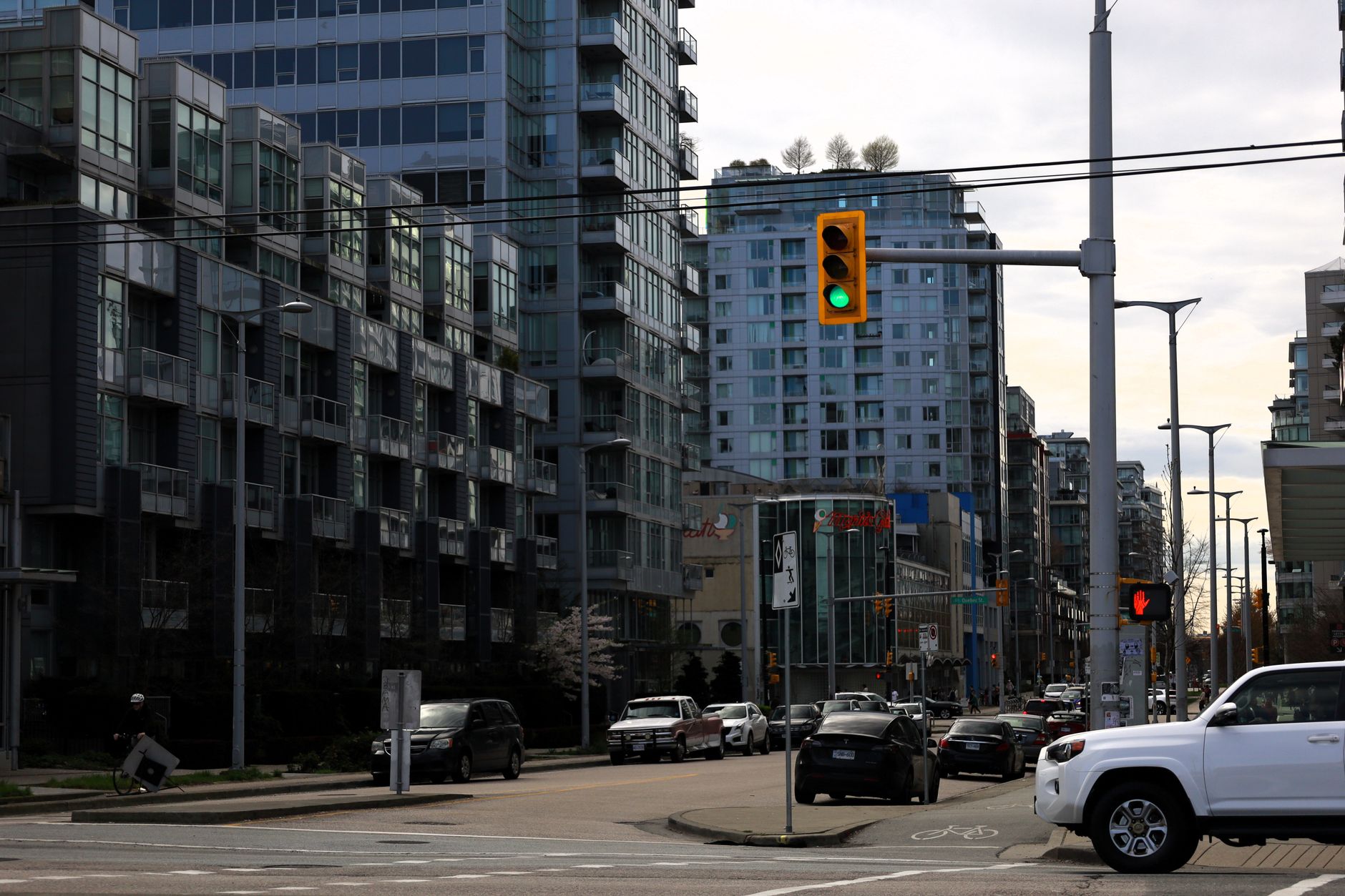
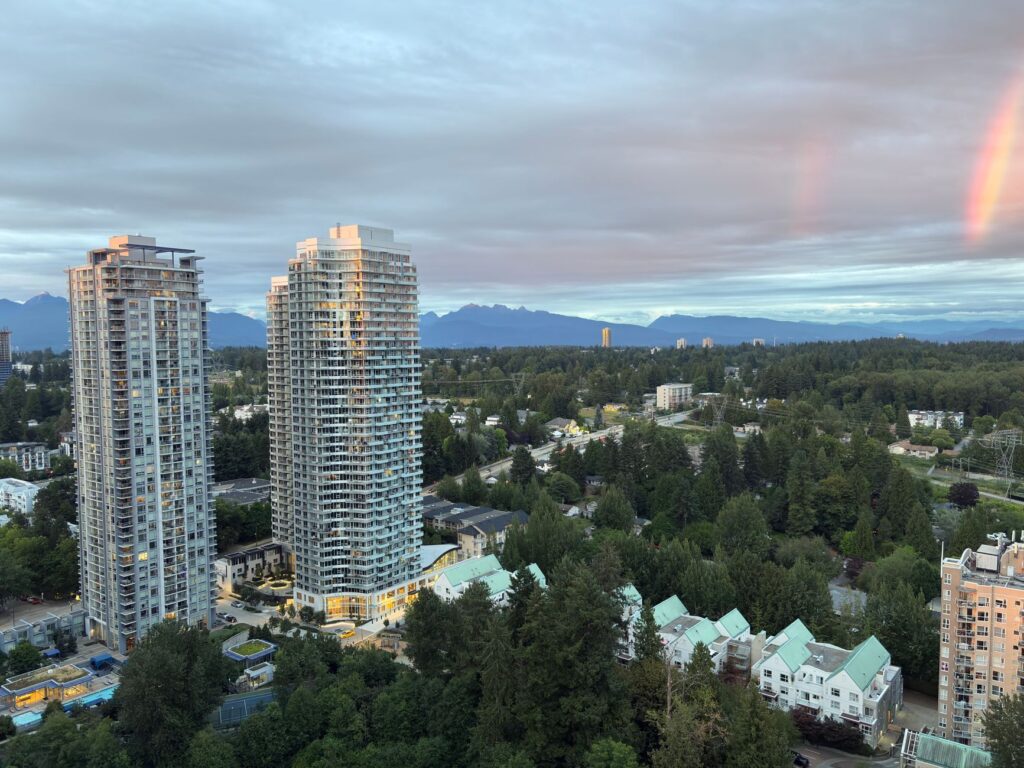
Mornings in Newton begin with light filtering through the firs and cedars that flank the residential sidewalks. Unlike dense urban centers, the rhythm of this Surrey sector is articulated around neighborhood plazas, civic centers, and small family-owned businesses that serve as intergenerational meeting points. Residential architecture reflects different eras of expansion, from mid-twentieth-century single-family homes to more recent multi-family developments that respond to the region’s demographic growth.
The agricultural memory that gave rise to these lands remains latent in the toponymy and in the layout of some historical plots, although the ground is now occupied by public libraries, cultural centers, and wooded parks. This contrast between the rural past and vibrant contemporary urban diversity defines the daily character of the area, making it a privileged observatory of current Canadian society.
Coexistence as the Axis of Neighborhood Life
The social fabric of Newton stands out for its deep roots in cultural plurality. Families from diverse corners of the world have found in this sector a space to establish their homes, generating an atmosphere where traditions converge naturally. Sidewalks and local markets are the setting for daily coexistence that manifests both in the commercial offering and in community celebrations that play a fundamental role in local cohesion.
In public parks, such as the expansive central recreational complex, families gather during weekends to share outdoor activities, while children enjoy adapted play areas. This intensive use of public space reinforces a sense of belonging and mitigates the isolation characteristic of large North American cities. Community centers act as catalysts for this associative life, offering workshops, sports programs, and spaces for intercultural dialogue.
Citizen participation in the management of green spaces and the protection of urban trees demonstrates an active commitment to the environment. Residents understand that the quality of life in their community depends on preserving local ecological balances, from efficient water management to the planting of native species along boulevards.
Local Commerce and Proximity Economy
Walking through the commercial arteries of Newton is to step into a mosaic of aromas, colors, and flavors that reflect the demographic diversity of its residents. Independent markets and grocery stores offer imported products alongside locally sourced food, promoting a proximity economy that reduces the ecological footprint and strengthens the bonds between merchants and neighbors.
These establishments are not mere points of economic transaction; they function as modern agoras where local news is exchanged, the future of the neighborhood is debated, and traditional recipes are passed down from generation to generation. The presence of artisanal bakeries, family-owned restaurants, and small repair shops demonstrates the resilience of the traditional commercial fabric against large retail surfaces.
Daily interaction in these spaces fosters a climate of mutual trust palpable in the warmth of human treatment. Shopkeepers know their regular clientele by name and adapt their offerings to the changing demands of a diverse population, consolidating a sustainable commerce model deeply rooted in the social reality of the place.
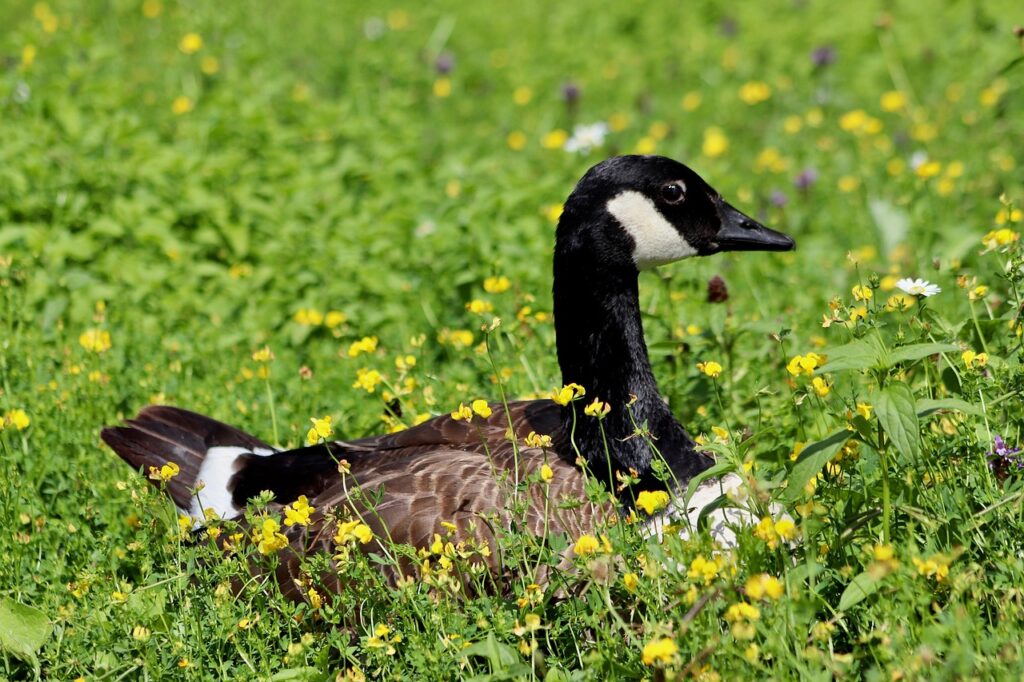
Despite sustained urban development, Newton preserves important ecological corridors and wetlands that serve as refuges for local wildlife. These natural spaces not only beautify the urban landscape but also fulfill a crucial function in climate regulation and stormwater management, a fundamental aspect in the southwestern region of British Columbia.
Pedestrian routes and cycling paths winding through parks allow citizens to connect with nature without leaving the urban environment. These green infrastructures encourage active mobility, reducing dependence on private automobiles and promoting healthy lifestyle habits among people of all ages.
Municipal and neighborhood efforts to keep these natural spaces clean and accessible are constant. Urban reforestation days and environmental education programs involve local schools, ensuring that new generations grow up with a solid ecological conscience and profound respect for the surrounding natural heritage.
Education, Culture, and Collective Memory
The educational system and cultural institutions of Newton play a fundamental role in community integration and development. Public libraries and continuous learning centers are frequented by students, amateur researchers, and neighbors seeking to expand their knowledge or participate in reading clubs and artistic workshops.
The collective memory of the neighborhood is nourished by the testimonies of those residents who witnessed the transition from cultivated fields to current residential complexes. Community archives and temporary exhibitions in public spaces recall the historical milestones that shaped the territory, allowing new inhabitants to understand the roots of the place they have chosen to call home.
This transmission of historical memory strengthens community identity against globalizing homogenization, reminding us that every street and square possesses a singular history worthy of preservation and valuation by contemporary society.
Responsible Tourism Practices in the Environment
For travelers interested in experiencing the reality of Newton beyond postcard clichés, the approach must be based on respect for the daily lives of its residents. Responsible tourism in this area involves prioritizing travel on foot or via public transportation, supporting small local businesses, and observing the social dynamics of residential neighborhoods and public parks with discretion.
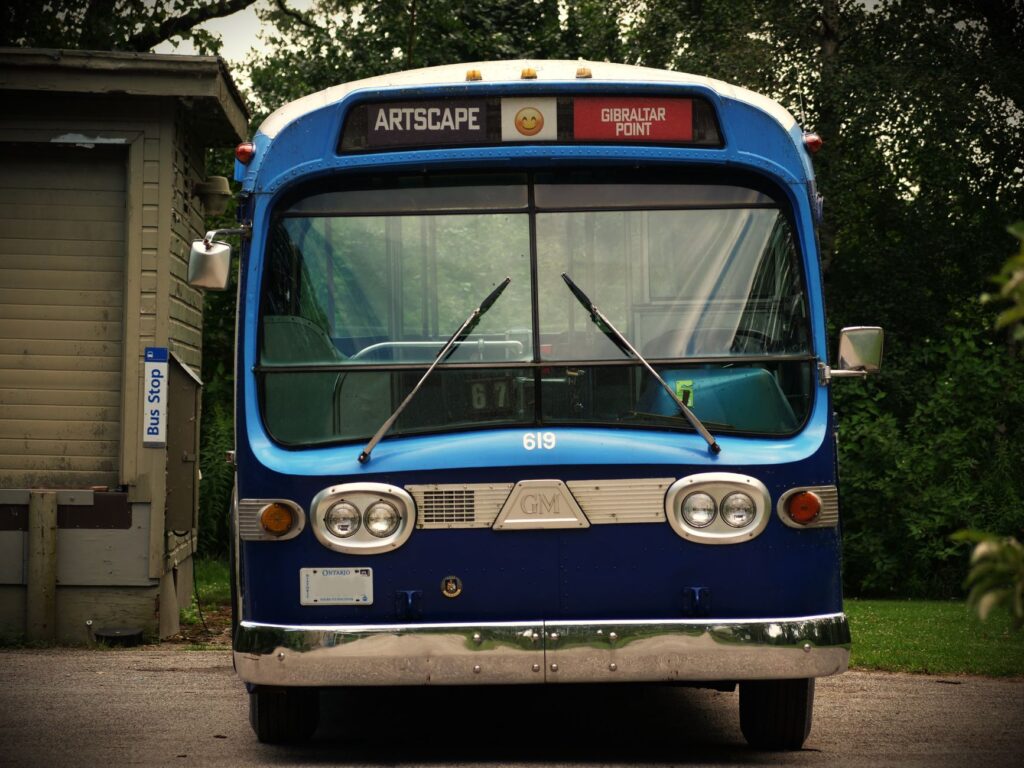
Visitors are advised to use the local bus network that efficiently connects the sector with the Vancouver metropolitan transit system, thereby minimizing the environmental impact of their journeys. Likewise, consumption in independent restaurants and neighborhood markets ensures that economic benefits directly reach the families sustaining the local economy.
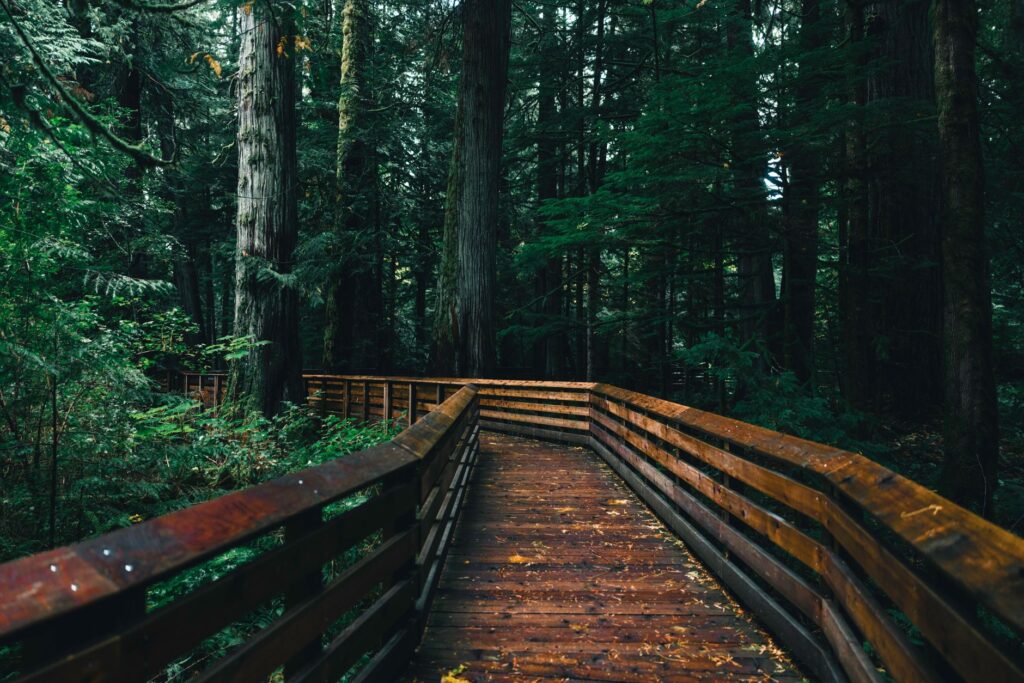
Respect for natural spaces, observance of coexistence rules in parks, and openness toward the cultural diversity of inhabitants are the best tools for enjoying an authentic, enriching travel experience respectful of the human and natural environment of British Columbia.
Practical Guide
Location: Newton is located in the southeast sector of Surrey, within the Vancouver metropolitan region, British Columbia, Canada.
How to get there: Accessible from Vancouver via the TransLink public transit system, combining the Skytrain light rail to connection stations and direct local buses toward the center of Newton.
Climate: Predominantly oceanic, with mild, dry summers and cool, rainy winters. Light waterproof clothing is recommended for much of the year.
Accommodation: Offerings centered on small hotels, local bed and breakfasts, and authorized residential rentals that foster integration with the community.
Gastronomy: Exceptional variety of international culinary proposals thanks to demographic diversity, with a special presence of fresh produce markets and artisanal bakeries.
Mobility: Extensive network of bicycle lanes, accessible sidewalks, and frequent bus lines facilitating exploration without the need for a private vehicle.
Ethical tip: Visit public and commercial spaces with an attitude of listening and respect toward local customs, prioritizing independent commerce and the care of natural environments.
Final Reflections on a Territory in Balance
Observing the evolution of Newton is understanding that truly sustainable communities are those capable of integrating their rural past with the demands of a multicultural present. Far from seeking monumental grandeur, this sector of Surrey demonstrates that urban dignity resides in the quality of its public spaces, the warmth of its neighborhood, and the collective commitment to building a livable and fair environment.