


The Cuisine of a Territory Nestled in the Alpine Shadow
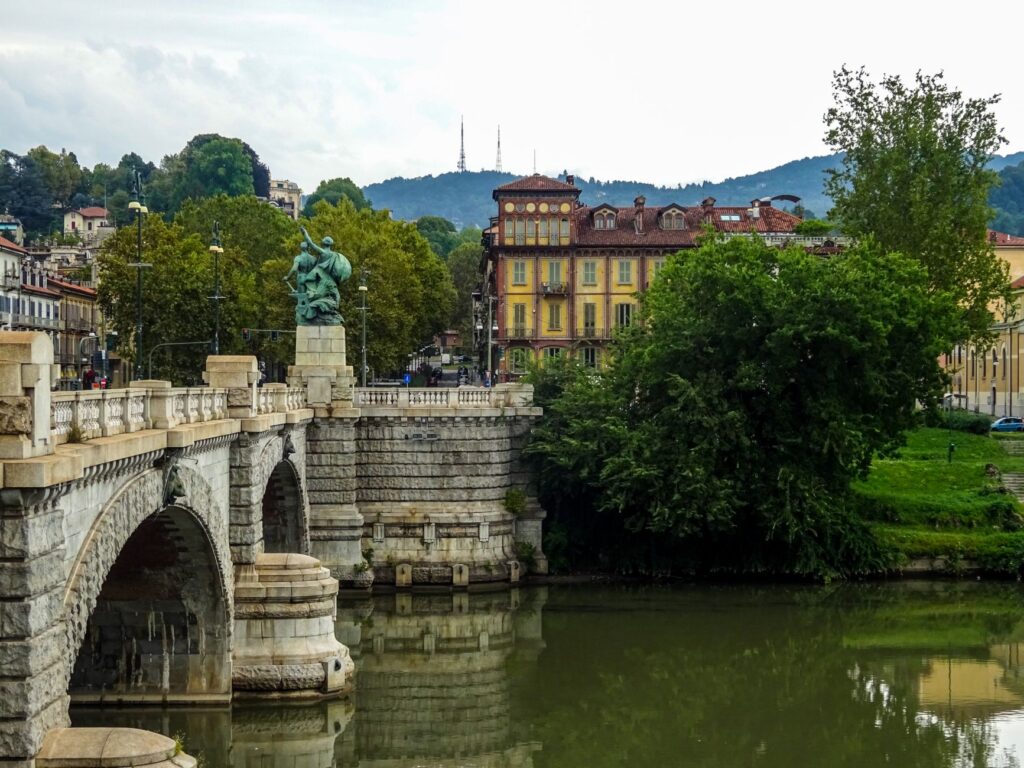
In the south of Turin, Italy, daily life is not improvised through large distribution chains or impersonal commercial circuits. It is organized at street level, among centuries-old cobblestones, exposed brick porticoes, and neighborhood markets where time seems measured by the seasonality of vegetables and the rhythm of local suppliers. Circoiscrizione VIII, stretching from the banks of the Po River to former industrial enclaves repurposed for community use, represents one of the richest urban and gastronomic tapestries in northern Italy. Here, the household table is unimaginable without a direct relationship with the grocer, the baker, and the produce vendor.
This territory is not a static postcard intended for the quick consumption of the casual visitor, but a living organism where Piedmontese traditions converge with newer migratory currents. Walking through its streets reveals how culinary memory adapts to demographic shifts without losing its anchor in the land. Time-honored recipes coexist with ingredients arriving from distant latitudes, demonstrating that gastronomic identity is a dynamic, open process deeply rooted in everyday coexistence.
The urban geography of this specific district in Italy shapes a very particular relationship with food provision. Unlike suburban residential tracts designed solely for automobiles, this historic setting fosters pedestrian interaction and spontaneous conversations around market stalls. Every corner reflects a community balance achieved over generations, where modern needs meet ancestral habits in a continuous dialogue.
The Morning Pulse of Neighbourhood Markets
The day begins long before shop shutters are fully raised. In the squares and small plazas of Circoiscrizione VIII, food stalls display a chromatic palette dominated by the intense greens of Swiss chard and cardoon, the deep reds of ripe tomatoes, and the earthy tones of mountain potatoes. Going to the market is not a mere chore of provisioning, but a foundational social act that defines a sense of belonging to the community.

Local vendors act as involuntary chroniclers of the season. They know the exact origin of every piece of fruit, offer advice on the optimal ripening point of a raw-milk cheese, and patiently explain the best way to cook a modest cut of meat. In these spaces of exchange, the customer ceases to be an anonymous consumer and becomes part of a network of mutual trust that sustains the district’s proximity economy.
Furthermore, these marketplaces serve as generational bridges where elders and newcomers exchange culinary tips and cultural traditions. The sensory experience of smelling freshly baked goods mingled with aromatic herbs creates an atmosphere that cannot be replicated in sterile supermarket aisles, anchoring the neighborhood’s daily life in authentic human connection.
Architectural Heritage and the Daily Pantry
The architecture of Circoiscrizione VIII is in constant dialogue with its alimentary vocation. Buildings with sober facades and planted interior courtyards serve as a backdrop for a network of grocery stores, traditional wine shops, and artisanal bakeries that have resisted the tide of commercial homogenization. Former industrial structures, silent witnesses to Turin’s working-class past, now house new cultural and gastronomic centers promoting responsible consumption.

Strolling through neighborhoods such as San Salvario, Borgo Po, or Nizza Millefonti reveals a harmonious transition between urban monumentality and the human scale of neighborhood commerce. Small bakeries release the unmistakable aroma of bread kneaded with flour from regional mills from the early morning, while traditional pastry shops display butter and cocoa specialties that form part of the sentimental memory of several generations of Torinese.
Preserving these architectural elements is vital for maintaining the identity of the place. The physical layout of streets and courtyards naturally encourages residents to walk from shop to shop, transforming daily grocery shopping into a pleasant ritual rather than a mechanical chore.
The Ritual of the Aperitif and Shared Pause
When the sun begins to descend over the Alpine peaks embracing the city, commercial activity gives way to another great social ritual of the area: the aperitif. Far from tourist stridency, the bars and taverns of this Piedmontese district maintain the custom of pairing a glass of vermouth or regional wine with small plates prepared from market produce.
This habit does not respond to a recent gastronomic trend, but to a very specific way of understanding leisure and conversation. Counters turn into intergenerational meeting points where neighborhood current affairs are debated, family recipes are shared, and the importance of preserving historic establishments against real estate speculation is valued. Food, in this context, acts as the ultimate social glue.

The unhurried pace of these gatherings allows participants to disconnect from the hectic rhythms of modern urban existence. In sharing a simple plate of local antipasti, neighbors reaffirm their collective bonds and reinforce a communal resilience that protects local culture.
Food Sovereignty and Responsible Visitor Decisions
For the traveler arriving in Circoiscrizione VIII with the desire to understand local reality beyond mass-marketed circuits, an array of ethical and practical responsibilities unfolds. Sustainable tourism in this environment does not merely mean minimizing carbon footprints, but actively supporting proximity commerce, respecting the schedules and customs of the neighborhood, and valuing the effort behind every artisanal product.
Buying directly from local producers in food markets, dining at restaurants that prioritize zero-kilometer ingredients, and rejecting single-use consumption are conscious choices that guarantee the survival of this living heritage. Gastronomy thus reveals itself as a tool for social transformation, where every choice on the plate contributes to preserving Piedmont’s agricultural and cultural biodiversity.
Travelers who adopt this mindful approach become temporary participants in the local economy rather than passive spectators. By observing local etiquette and supporting independent family businesses, visitors help maintain the delicate balance between welcoming tourism and safeguarding community well-being.

The Memory of the Piedmontese Recipe Book at Home
Behind every residential door in the area lies a domestic recipe book passed down from parents to children. Dishes based on filled pastas, prolonged braising of pasture-raised meats, and the generous use of garden vegetables define a cooking style that seeks comfort and maximum resource utilization. In these homes, food is synonymous with mutual care and hospitality.
The district’s markets supply these kitchens with the exact ingredients needed to recreate traditional dishes such as agnolotti del plin or mixed boiled meats with green sauce. The persistence of these preparations proves that modernity is not at odds with fidelity to roots, and that the best way to honor a place’s history is to keep its kitchens lit every day of the year.
This transmission of domestic culinary knowledge ensures that culinary heritage remains dynamic. As young cooks experiment with traditional formulas using modern nutritional insights, the local food culture continues to evolve while honoring its foundational flavors.
Neighborhood cooking is not a museum of culinary antiquities, but the daily pulse of a community deciding what to eat, who to buy from, and how to remember who they are.
As the city evolves toward more complex urban models, preserving these commercial and human enclaves becomes an inescapable priority. Circoiscrizione VIII demonstrates that maintaining a human and sustainable economy in the twenty-first century is entirely possible, where food remains the center of community life and the truest mirror of local identity.
Practical guide
Useful information for exploring and savoring Circoiscrizione VIII in Turin with a responsible approach.
- How to get there: The district is perfectly connected via the tram and bus lines of the GTT urban network, alongside several metro stations connecting directly to Turin’s historic center.
- When to go: Early morning hours, between 8:00 and 11:00, are ideal for visiting food markets and observing local commerce at its most active.
- Recommended markets: The neighborhood retail spaces located in San Salvario and around Nizza Millefonti offer the best selection of fresh, seasonal produce.
- Commercial etiquette: It is customary to greet the vendor upon entering small establishments and wait to be served without rushing, respecting the leisurely pace of traditional Italian commerce.
- Accommodation: Travelers are advised to choose small tourist apartments managed by residents or independent hotels integrated into the district’s urban fabric.
The journey concludes by watching the sunset over the bridges of the Po River, with the certainty that true destinations are not measured by postcard monuments, but by the everyday warmth of their tables and markets.


