
Gatineau, Canada: A Stone and Timber Refuge Where Two Cultures Meet
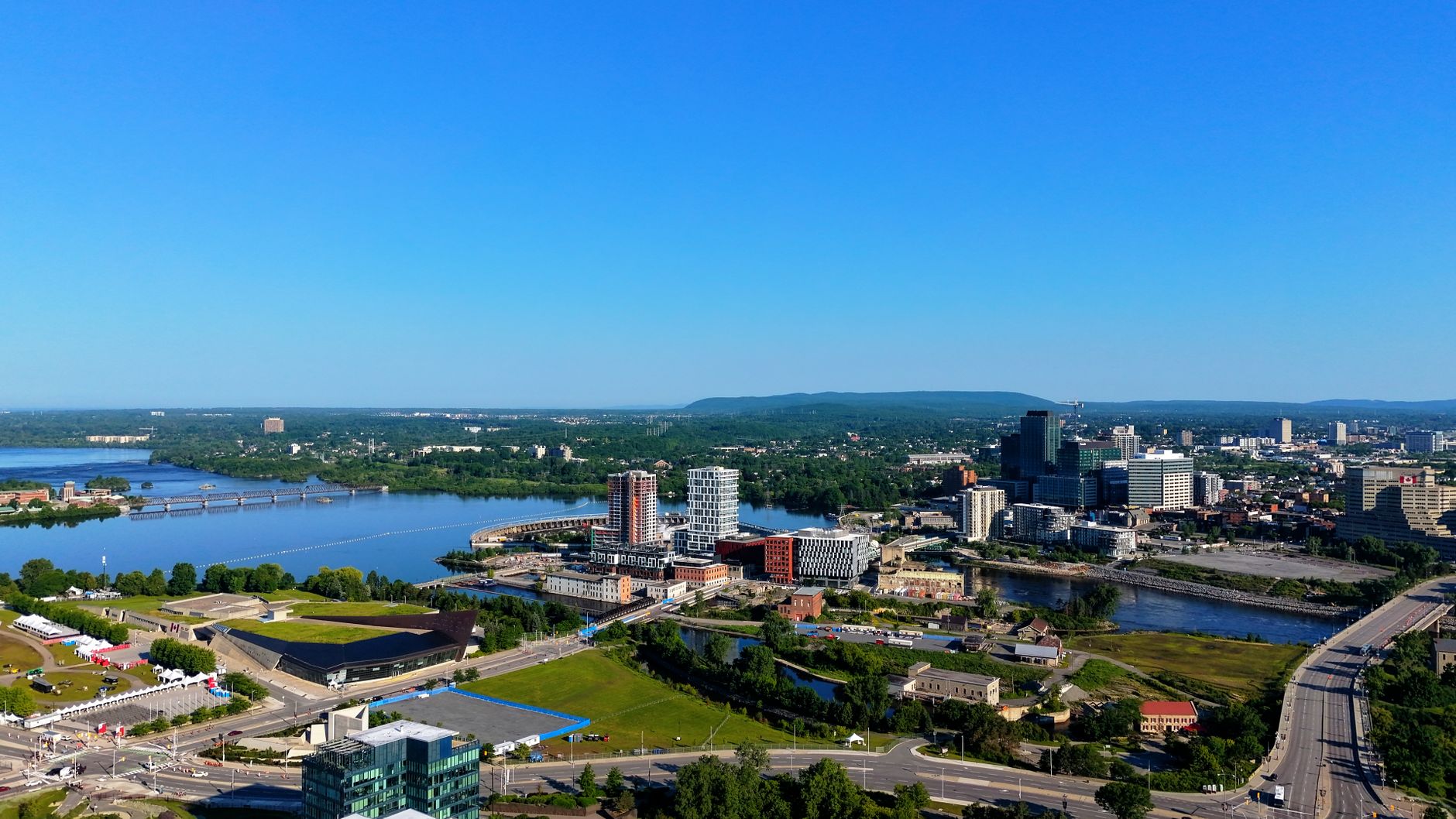
In the province of Quebec, directly across from the Canadian federal capital, Gatineau unfolds across a geography where boreal forests seem to merge with river currents. With a population exceeding three hundred thousand residents, the city has grown without losing sight of the natural features that shaped its early economy. The Gatineau River and the majestic Ottawa River outline a territory where water is not merely an aesthetic element, but the historical artery that drove the lumber industry during the nineteenth century.
Walking through the traditional neighbourhoods of the area reveals how early families of loggers and mill workers established a symbiotic relationship with their environment. Two-story wooden houses, featuring sloped roofs designed to withstand heavy winter snowfalls, preserve an architectural sobriety that contrasts with modern governmental complexes. This duality defines the daily character of the community: a constant balance between working-class memory and administrative modernity.
Daily Life in Public Markets and Squares
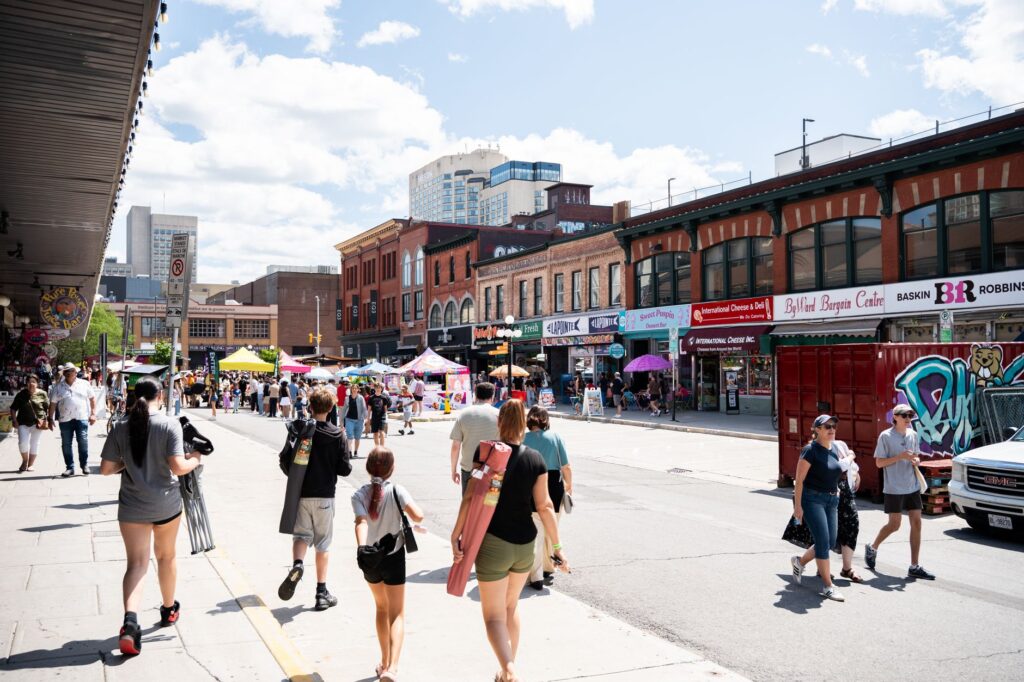
The daily pulse of Gatineau beats in its community spaces and food markets, where local producers offer everything from maple syrup to vegetables harvested in the surrounding valleys. Unlike metropolises where a fast-paced routine dilutes neighbourly bonds, here the markets function as intergenerational meeting points. Older residents share traditional recipes with new families arriving from different corners of the world, enriching the social fabric of the region.
The French language dominates the public sphere, but the proximity to Ontario imparts a bilingual nuance felt in cafes, street signage, and everyday conversations. This bilingualism is not a mere legal formality, but a tool for coexistence that facilitates daily cultural exchange across both shores of the Ottawa River. Citizens move naturally between two linguistic worlds without renouncing their Quebecois roots.
Local gathering spaces also reflect the deep heritage shared among neighbors who have inhabited these lands for generations. Farmers bring seasonal harvests, establishing a direct connection between the rural surroundings and the urban core. Families stroll through the stalls, sampling artisanal cheeses and fresh baked goods that recall traditional methods handed down through decades. This organic exchange fosters a sense of belonging that transcends simple commercial transactions, turning every market day into a celebration of local identity and mutual support.
Moreover, public squares often host community events, small concerts, and seasonal celebrations that highlight the region’s artistic expressions. Painters and artisans display works inspired by the changing colors of the northern landscape, while musicians perform acoustic melodies rooted in folk traditions. These gatherings reinforce the social fabric, ensuring that public areas remain vibrant epicenters of daily interaction rather than mere transit zones.
Industrial Heritage Converted into Collective Memory
The vestiges of Gatineau’s industrial past remain integrated into the current urban landscape. Former paper mill facilities, which provided employment for the majority of the local population for decades, have been converted into cultural centers, exhibition spaces, and recreational areas. This urban transformation exemplifies a conscious decision to preserve the material memory of labor without condemning spaces to abandonment.
Local historians frequently recall that the city’s prosperity was not solely due to the abundance of natural resources, but to the community organization capacity of its inhabitants. The first credit unions and workers’ associations were born in these neighbourhoods to guarantee subsistence during harsh winters. Today, that sense of community solidarity remains alive in mutual aid initiatives and the management of urban green spaces.
Revisiting these industrial sites offers visitors a chance to understand the sheer scale of the nineteenth-century timber operations. Massive stone walls, rusted iron gears, and towering brick chimneys have been meticulously restored to serve as educational exhibits and creative hubs. Instead of erasing this demanding past, urban planners chose to weave it into the everyday experience of residents and travelers alike, creating a bridge between historical grit and modern cultural vitality.
Community-led workshops and heritage tours frequently guide curious minds through these transformed complexes, explaining how hydraulic power once drove the local economy. These narratives emphasize the resilience of workers who faced perilous conditions in the lumber yards and mills. By honoring their perseverance, the city maintains an authentic connection to its roots, reminding everyone that contemporary prosperity rests upon the shoulders of earlier generations.
Gatineau Park and the Relationship with Nature
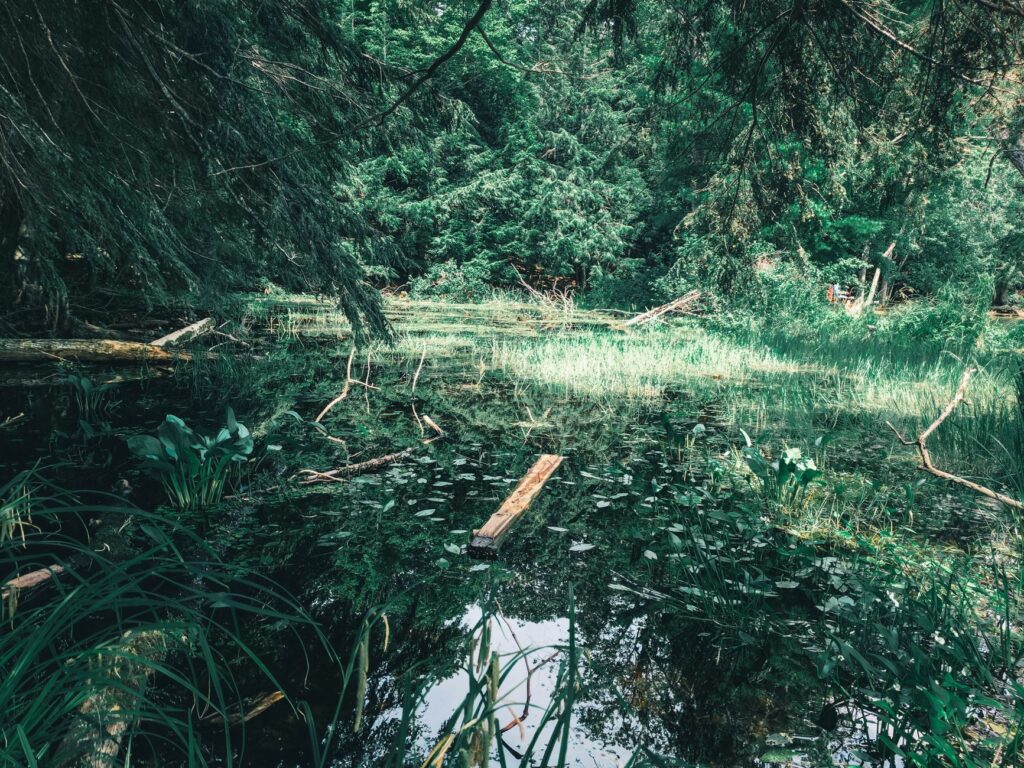
A few minutes from the urban center, Gatineau Park offers thousands of hectares of hardwood forests, glacial lakes, and hills that attract both naturalists and hikers. This green lung is not merely a weekend destination, but an essential component of local identity. Residents visit the park throughout the year for cross-country skiing, canoeing, or simply to observe the changing seasons, especially during autumn when maples dye the landscape in intense reds and oranges.
Park administration and local environmental groups collaborate closely to regulate public use of this fragile ecosystem. Responsible tourism is promoted to minimize environmental impact and prioritize education about native flora and fauna. Visitors learn to respect marked trails and understand the importance of protecting habitats for species such as the beaver and the white-tailed deer.
The protection of these natural corridors also requires active engagement from every visitor who crosses the park boundaries. Educational signposts along the trails detail the ecological significance of undisturbed wetlands and old-growth stands, urging travelers to pack out all waste and avoid disturbing wildlife. This mindful approach ensures that the delicate balance between human recreation and environmental preservation remains intact for years to come.
During the snowy winter months, the landscape transforms into a quiet sanctuary for snowshoeing and cross-country skiing enthusiasts. Groomed tracks wind through snow-laden pines, offering breathtaking vistas of frozen lakes under crisp blue skies. Volunteers and park rangers work tirelessly to maintain these routes without harming the dormant vegetation beneath the snow, showcasing a shared dedication to environmental stewardship that defines life in Canada.
Architecture and Urban Planning: From Historic Core to Integrated Suburbs
Gatineau’s urban growth has unfolded through the gradual integration of formerly independent municipalities, such as Hull, Aylmer, and Buckingham. Each of these sectors contributes a singular architectural imprint to the municipal whole. While Hull stands out for its administrative proximity and mid-twentieth-century buildings, Aylmer preserves tree-lined streets with Victorian-inspired residences overlooking the riverbank.
This urban mosaic requires meticulous planning to guarantee social cohesion and sustainable mobility. Bicycle lane networks connect different neighbourhoods, allowing thousands of workers and students to commute daily without relying exclusively on automobiles. Local authorities have focused on revitalizing traditional commercial hubs in each sector, avoiding aggressive gentrification and fostering small local businesses.
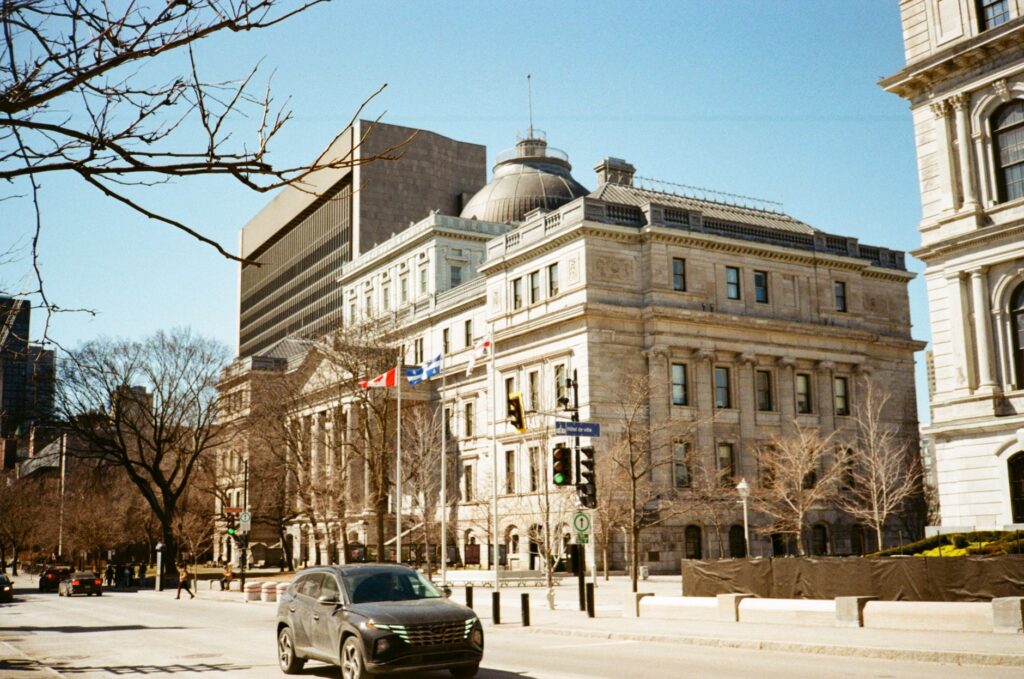
Preserving these architectural differences while encouraging unified municipal development is no small feat. Urban planners strive to maintain the human scale of historical commercial streets, ensuring that new constructions harmonize with existing heritage buildings. Wooden facades, wrought-iron balconies, and low-rise storefronts continue to define the visual identity of neighborhoods, preventing homogenized urban sprawl from overshadowing local character.
Public transportation initiatives complement these spatial strategies by linking suburban residential zones directly with cultural and commercial centers. Bus rapid transit corridors reduce congestion and emissions, aligning municipal growth with broader environmental goals. Residents appreciate an urban layout that prioritizes pedestrian safety, cycling infrastructure, and accessible public squares over car-centric expansion.
Regional Gastronomy as a Reflection of the Territory
Gatineau’s cuisine draws from French-Canadian culinary traditions and the influence of wild produce from surrounding forests and rivers. In local restaurants and farmers’ markets, dishes made with game, river fish, and wild berries take center stage during colder months. Gastronomy acts here as an ethnographic document recounting how past communities adapted to winter scarcity through traditional preservation techniques.
Furthermore, the arrival of new immigrant communities has diversified the culinary offerings with spices, techniques, and recipes from the Middle East, Africa, and Southeast Asia. This culinary blend is evident in small family-run establishments where cooking is also an act of integration and cultural dialogue. Citizens particularly value these spaces where the authenticity of local ingredients combines with openness to the outside world.
Chefs across the region take pride in sourcing ingredients directly from nearby agricultural valleys and independent foragers. Root vegetables, artisanal cheeses, and maple-infused specialties appear on menus that change with the seasons, celebrating the bounty of the Canadian soil. This farm-to-table philosophy not only supports local farmers but also deepens the diner’s connection to the immediate environment.
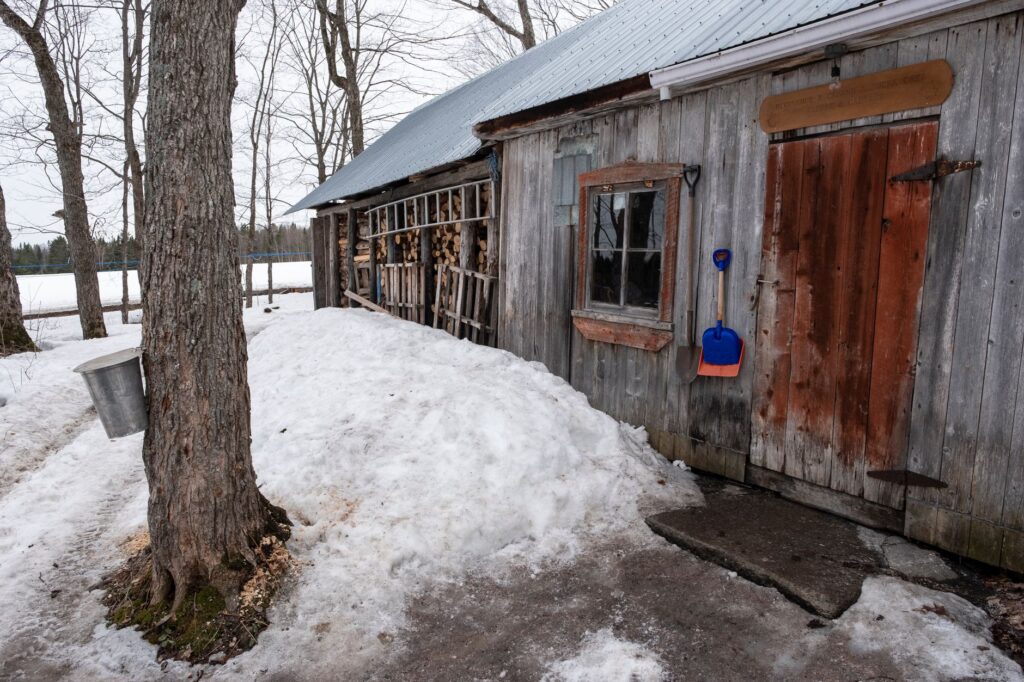
In neighborhood bakeries and specialty shops, traditional tourtières and flaky pastries sit alongside international delicacies, illustrating a harmonious culinary mosaic. Food becomes a universal language that bridges cultural gaps, allowing newcomers and long-time residents to share stories over warm meals. Through every dish, the region’s culinary identity continues to evolve while honoring its ancestral roots.
Practical Guide
When to go: Summer months (June to August) offer pleasant temperatures and intense outdoor activity. Autumn (September and October) stands out for the visual spectacle of maple foliage. Winter is ideal for snow sports enthusiasts.
How to get there: Gatineau is directly connected to Canada via Ottawa transport corridors and several bridges crossing the river. Ottawa Macdonald-Cartier International Airport is located about twenty minutes by car from downtown Gatineau.
Local transport: The Société de transport de l’Outaouais (STO) bus network efficiently connects different city sectors and offers direct lines to downtown Ottawa. Cycling is highly recommended thanks to the extensive bike path network.
Accommodation: Various options range from urban hotels near cultural centers to traditional inns closer to the natural park.
Behavioral tips: Respect for local bilingualism is encouraged; greeting in French or English depending on the context is a deeply appreciated courtesy. Visitors are also asked to strictly follow environmental conservation rules in protected natural areas.

The White Silence and the Warmth of Community Life
When the first snow covers the rooftops and forest trails of Gatineau, the city adopts a particular serenity that is not synonymous with isolation, but with collective introspection. The lights of homes and community centers become beacons guiding social life during weeks of shorter daylight hours. In public libraries, neighbourhood centers, and small artisanal bakeries, neighbors engage in unhurried conversations about the weather, local history, and upcoming community projects.
This capacity for resilience in the face of seasonal rigors defines the true character of its inhabitants. It is not a heroic resistance, but a wise acceptance of the natural cycles governing the northern continent. At the end of the day, when the sun sets behind wooded hills and the river reflects the twilight hue of the Canadian sky, Gatineau reveals itself as a space where the memory of labor, respect for the natural environment, and cultural coexistence continue weaving a living, united, and deeply human community.
As winter deepens, community bonds are further strengthened through indoor gatherings, craft fairs, and volunteer initiatives that support vulnerable members of the population. The shared experience of weathering cold temperatures fosters a unique camaraderie among neighbors, turning seasonal challenges into opportunities for solidarity. People check in on one another, shovel shared walkways, and participate in neighborhood association meetings to discuss future improvements.
Ultimately, this harmonious interplay between urban life and natural surroundings makes Gatineau a remarkable destination for those seeking a deeper understanding of Canadian local culture. Visitors leave with an appreciation for a community that honors its industrial past, protects its green spaces, and embraces cultural diversity with open arms. It is a place where history, geography, and human warmth converge to create an enduring sense of home.