
Bariadi does not appear on the classic itineraries of northern Tanzania. There is no safari in sight, no list of poolside lodges. What exists is a market town in the Simiyu region, at around 1,280 metres above sea level, where daily life revolves around cotton, cereals and small trade. Its population exceeds 260,000 according to available geographic records, a figure that speaks of a steadily growing urban centre within the country.
Getting there is itself an exercise in patience and curiosity. Bariadi is the gateway to one of the most active agricultural zones west of Lake Victoria, and its identity is built more in markets and cooperatives than in monuments. This report proposes looking at the town through its daily life, its agricultural heritage and the decisions a responsible visitor should make before arriving.
A town explained by its market
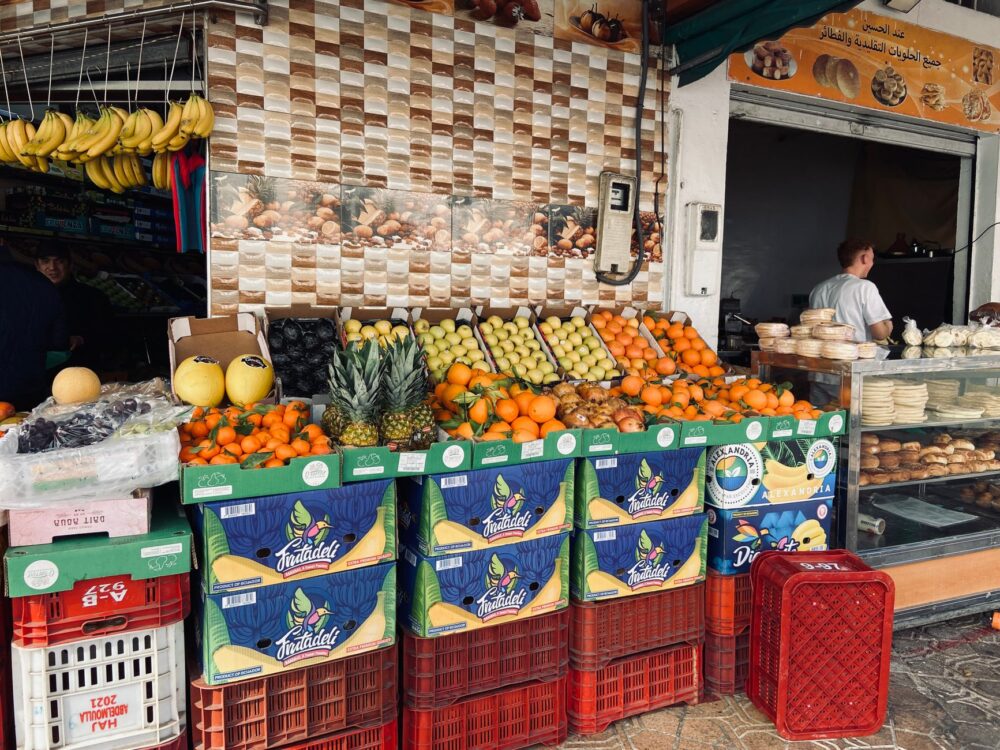
The market is the first place to approach in Bariadi. Not because it is a spectacle prepared for tourists, but because it reveals the economic logic of the region. Stalls selling grain, fabrics, farming tools and fresh produce map out what the area produces and consumes. Cotton occupies a central place in local conversation: the Simiyu region is one of Tanzania’s main cotton producers, and its weight is felt in the town’s calendar.
The harvest season sets the rhythm. During those months, movement around Bariadi intensifies, and prices, transport and even conversations change. Outside the season, the town recovers a slower pace that allows for calm observation. For the visitor, understanding that calendar is more useful than any list of attractions.
In Bariadi, the agricultural calendar matters more than any tourist brochure: knowing when the harvest happens is knowing when to arrive.
Cotton as heritage, not decoration
Talking about cotton in Simiyu is not talking about an abstract product. It is talking about cooperatives, small farmers, trucks loading and unloading, and a chain that connects the fields with processing plants and larger markets. The town functions as an administrative and service centre for a district that depends largely on this crop.
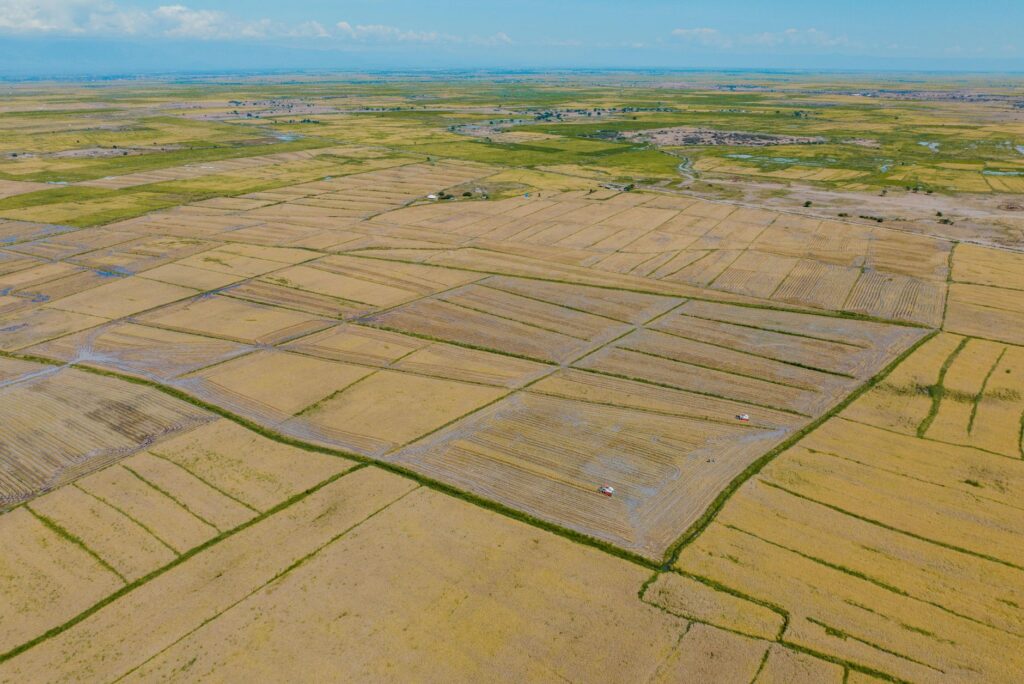
For those who visit, the recommendation is to observe without romanticising. Cotton is not a folkloric ornament: it is the livelihood of thousands of families and a source of seasonal employment. Any respectful approach involves not interrupting work, asking permission before photographing and buying from local businesses rather than seeking artificial experiences.
The region’s history is also legible in the simple architecture of its administrative buildings and in the presence of warehouses and collection centres. There are no grand monuments, but there is a functional infrastructure that tells how the local economy is organised.
What to see on a walk through the centre
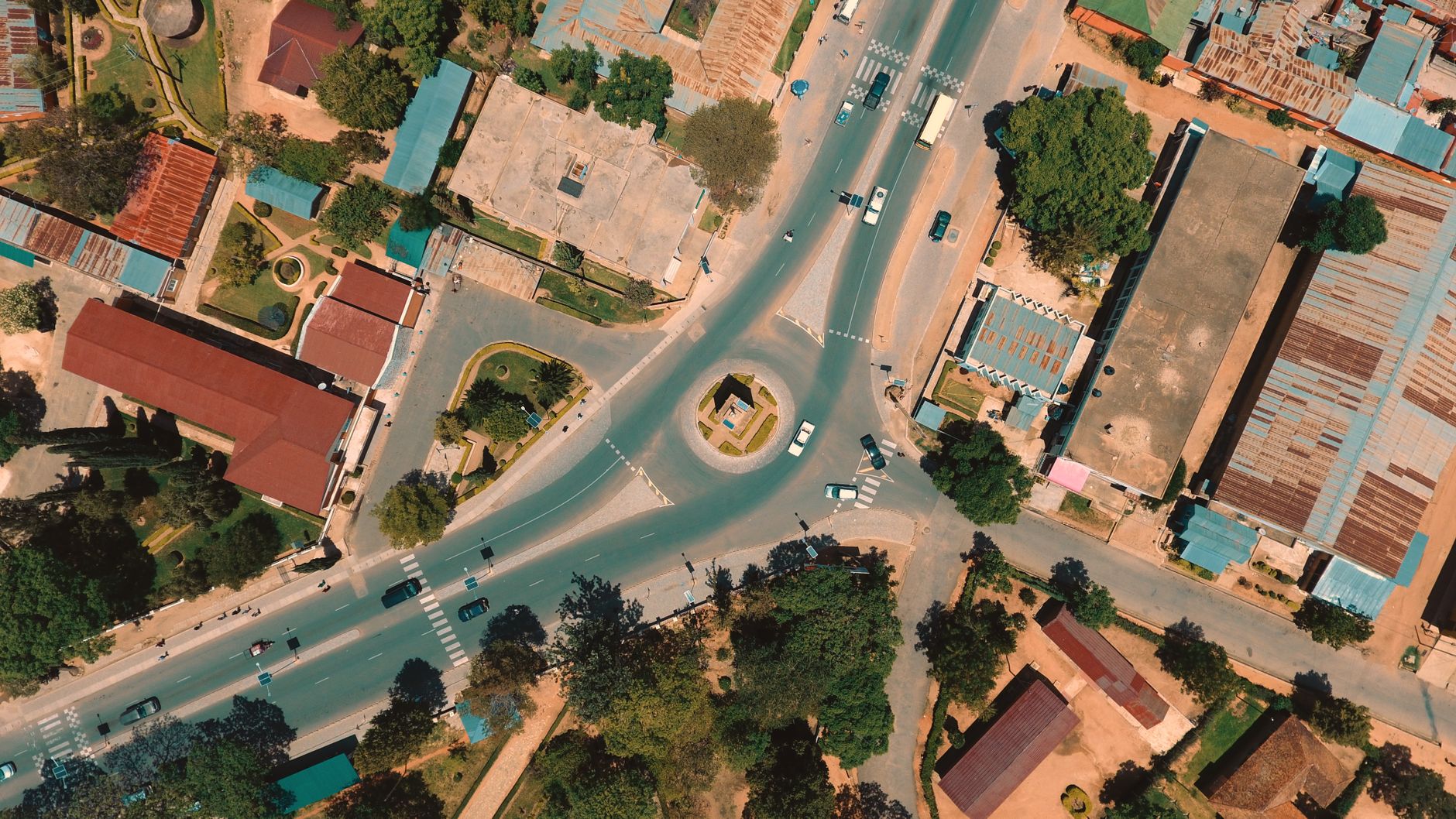
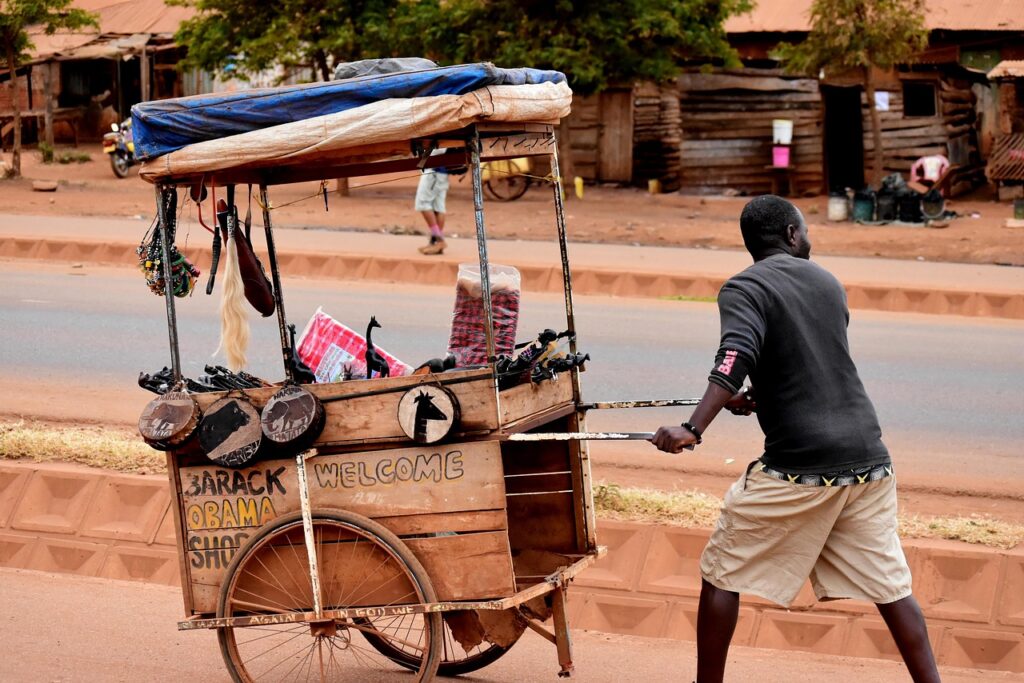
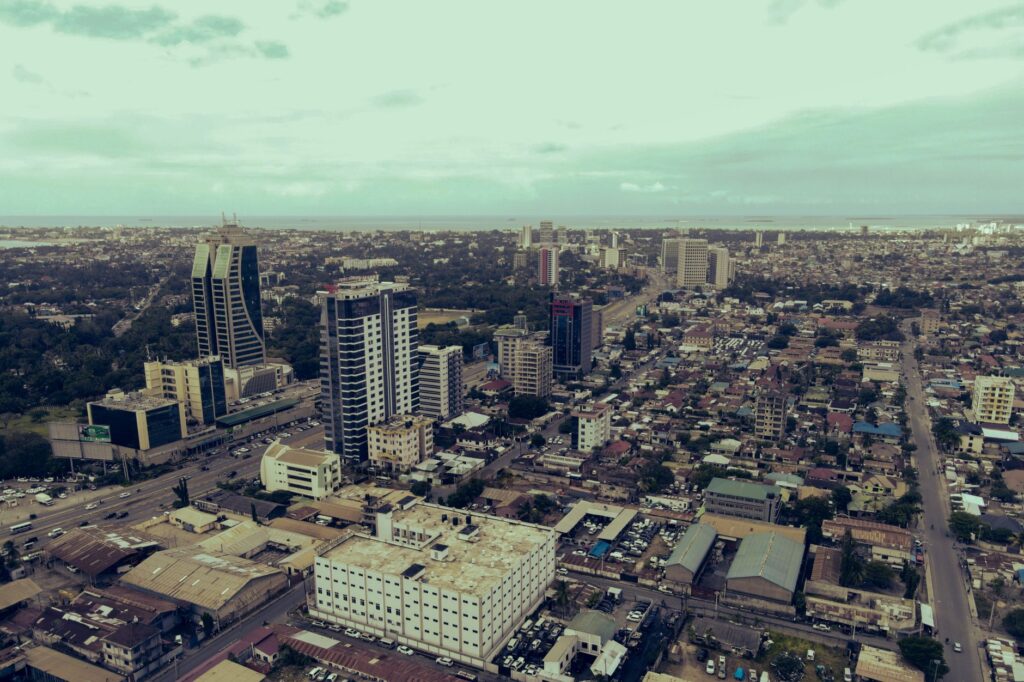
Bariadi’s centre is compact and easy to explore on foot. The main streets concentrate banks, district offices, small shops and food stalls. It is an unpretentious urban landscape, where colour comes from awnings, fabrics and the vehicles passing through.
A reasonable route includes the central market, one of the local churches and the open spaces where people gather at the end of the day. The town is not designed for postcard tourism, and that is precisely what makes it interesting for those seeking to understand Tanzania beyond the usual circuits.
A rhythm that changes with the hours
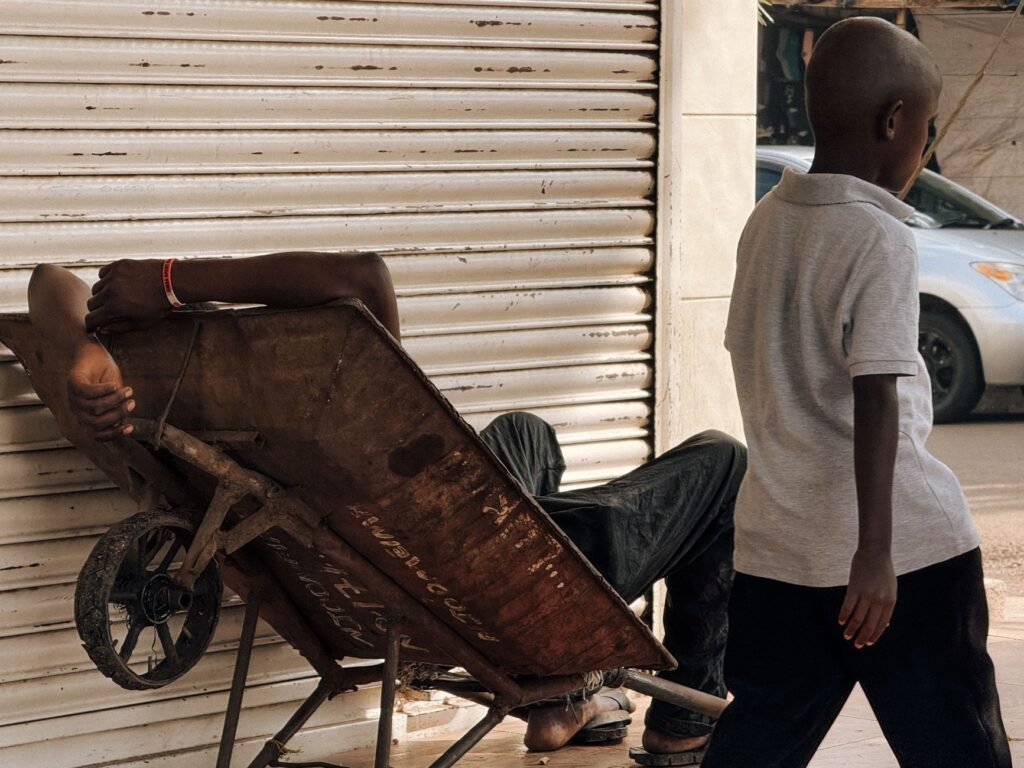
In the morning, activity concentrates in the market and at transport stops. At midday, heat and altitude invite a slower pace. At dusk, the streets regain activity and conversations stretch out. Adjusting to that rhythm is the best way to avoid feeling out of place.
Getting there and getting around
Bariadi is connected to other towns in the region by roads and public transport services. Routes towards Mwanza, the large Lake Victoria city, and towards other centres in Simiyu are the most used. Rigid schedules are not advisable: travel times depend on road conditions and weather.
Within the town, walking or using motorcycle taxis is the norm. For longer journeys, local rental services exist. The practical recommendation is to agree on the price before getting in and to avoid night travel on poorly lit routes.
- Carry cash: not all businesses accept electronic payment.
- Check road conditions during the rainy season.
- Book accommodation in advance if travelling during harvest season.
Living heritage: music, language and community life
Bariadi’s identity is also expressed in language and community practices. The area is culturally diverse, with communities that maintain musical traditions, dances and forms of neighbourhood organisation. These are not shows for visitors but expressions that form part of daily life and are passed on in celebrations and gatherings.
Visitors who wish to approach this heritage should do so with humility: ask before attending a celebration, respect sacred spaces and do not assume that everything is photographable. The best entry point is usually contact with people working in services or local organisations.
Bariadi’s heritage is not in display cases: it lives in market conversations and in celebrations shared with those who arrive with respect.
Eating and sleeping without artifice
Local food is based on simple products: cereals, legumes, vegetables and meat in stews. Market food stalls and small restaurants in the town offer hearty dishes at accessible prices. Do not expect fine dining, but do expect honest, abundant food.
Accommodation is concentrated in guesthouses and small hotels aimed at business travellers and residents passing through. Amenities are basic, and it is worth checking conditions before booking. For longer stays, it may be useful to combine Bariadi with other localities in Simiyu.
The visitor’s responsible decision
Bariadi is not a destination that needs more visitors, but better-informed ones. Tourist pressure is low, and that allows the town to maintain its dynamics without forcibly adapting to external expectations. The responsible decision involves not imposing a foreign rhythm, consuming in local businesses and avoiding dynamics that could alter community relations.
It also means recognising limits: not all areas are prepared to receive visitors, and not all productive processes can be visited. Asking, waiting for an answer and accepting a no is part of the journey.
Practical guide
Before travelling to Bariadi, check current health and travel advice for Tanzania. The town’s moderate altitude is not a problem for most travellers, but heat and humidity at certain times of year require precautions. Local languages and Swahili are used in daily life; English is used in administrative and tourist contexts.
- Best time: the dry season usually offers more comfortable conditions for travelling, although harvest season is the most interesting for understanding the local economy.
- Money: carry cash in Tanzanian shillings and anticipate the lack of ATMs in some areas.
- Health: consult health recommendations before departure and have adequate travel insurance.
- Respect: ask permission before photographing people, homes or workplaces.
- Transport: find out about road conditions and avoid night travel.
The town does not offer large tourist infrastructures, and that requires realistic planning. Those who arrive expecting a resort will feel out of place; those who arrive with curiosity and patience will find a Tanzania that rarely appears in brochures.
Closing: a town that does not put itself on display
At the end of the day, Bariadi returns to what it is: a town of work, market and open-air conversations. There is no famous viewpoint or sunset staged for a photograph. There is, instead, the possibility of understanding how life is organised in a region that sustains part of Tanzania’s agricultural economy.
Visiting Bariadi with respect means accepting that the town is not there to entertain but to be understood. That is, perhaps, the most valuable experience a traveller can take away.