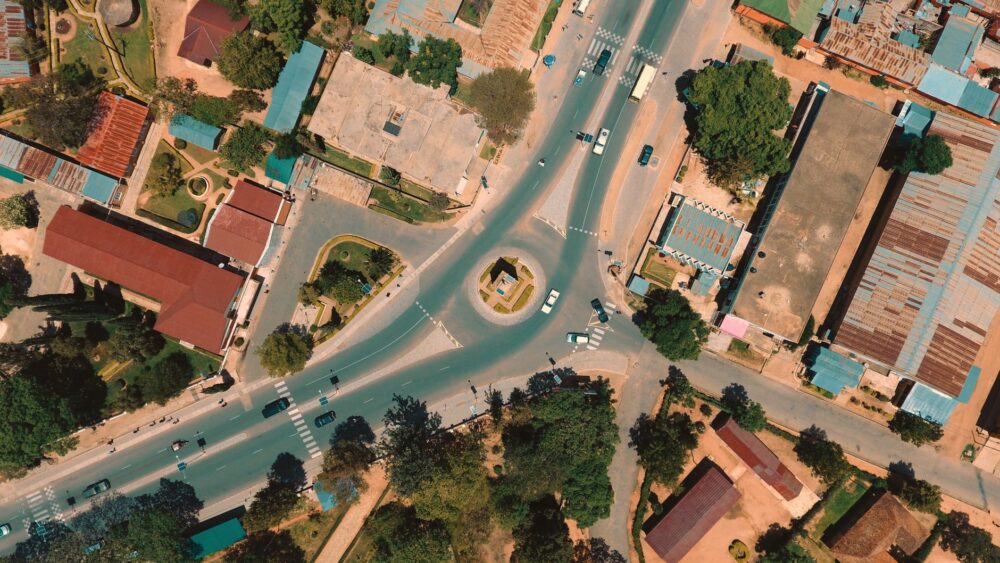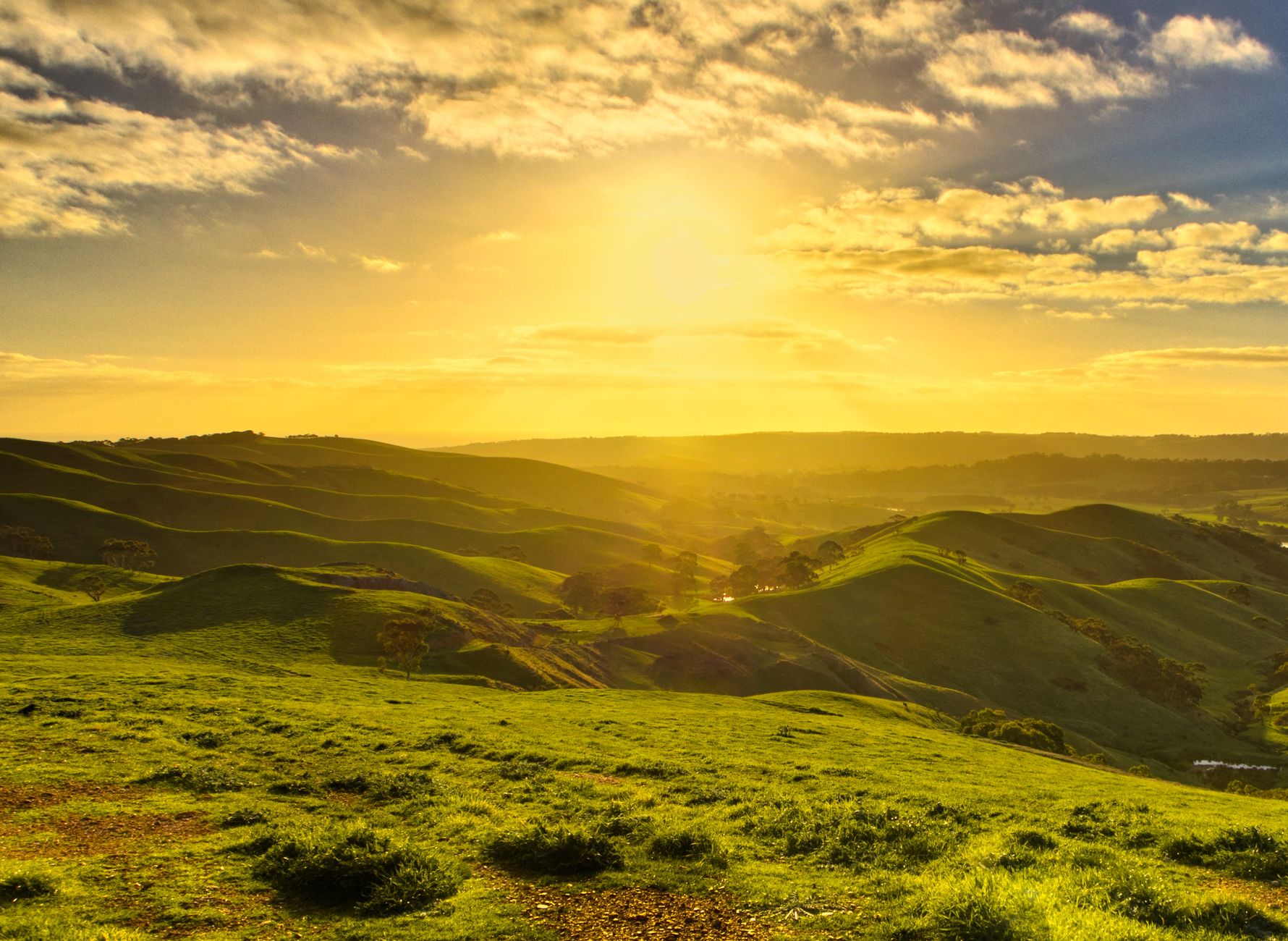

The Adelaide Hills rise east of the city of Adelaide, in South Australia, as a succession of wooded ridges, orchards and towns that share the morning mist and the afternoon sun. This is not a region of grand gestures: it is a territory of secondary roads, family wineries, stone churches and farms that have stayed in the same hands for decades. Anyone visiting this part of southern Australia looking only for a postcard takes home half the story; anyone who pauses to understand how daily life is organised finds a quiet lesson in identity, heritage and responsibility.
The administrative region of Adelaide Hills brings together more than seventy thousand residents spread across towns such as Hahndorf, Stirling, Lobethal, Woodside and Mount Barker. That figure, which appears in official geographical records, helps explain the scale: this is not a rural theme park but a living community that works, grows food, raises children and makes decisions about its own landscape. The traveller who understands this changes the way they move, buy and look.
A geography of ridges and orchards that shapes the day
The average elevation of the area is around four hundred metres, enough for the climate to be cooler than on the Adelaide plain and for the crops to change. Strawberries, apples, cherries, pears and leafy vegetables sit alongside cool-climate vineyards and patches of native forest that were never fully cleared. That mix explains why the region produces wines different from those of the Barossa or McLaren Vale, and why local food culture relies on the season rather than the shop window.
Travellers on the secondary roads discover that distances are short but rhythms are slow. One town may be ten minutes from another and yet have its own bakery, its own fair and its own memory. The region is not organised for mass tourism but for the daily life of those who live in it, and that is precisely what makes it interesting for anyone travelling with attention.
Hahndorf and the heritage you walk through
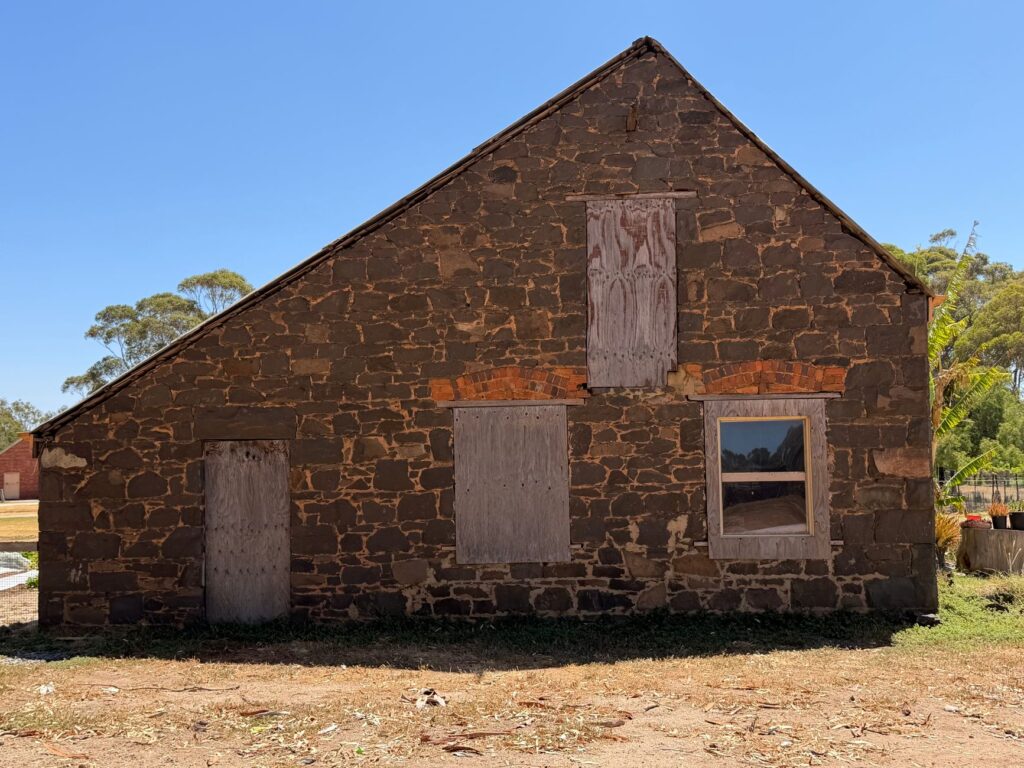
Hahndorf is probably the best-known town in the hills, and also the most exposed to simplification. Founded in the nineteenth century by settlers of Prussian origin, it retains stone houses, a Lutheran church and a layout still legible along the main street. The risk is reducing it to a succession of craft shops and cafés for day-trippers; the opportunity is to walk the side streets, look at the original façades and understand that this heritage was built by families who arrived with little and worked the land.
Hahndorf’s memory is not only in its buildings: it is in the surnames, in the bread and sausage recipes, in the stories told in family wineries. To visit this town well means respecting that it is an inhabited place, not a stage set. That means not intruding on private property, not blocking access and understanding that historic houses are still homes.
The heritage of the Adelaide Hills is not contemplated from outside: it is inhabited, cared for and passed on in the daily life of its towns.
Stirling, Lobethal and everyday life in small towns
Stirling, with its autumn trees and small shopping centre, shows another face of the region: that of towns that function all year round and not only in high season. There the library, the pharmacy and the bakery sustain a neighbourly life that visitors barely notice if they only pass through for a weekend. Lobethal, with its industrial past linked to beer and textile mills, keeps a landscape of brick and old sheds now converted into workshops and community spaces.
Walking through these towns without hurry reveals how the region is put together: there are no grand avenues, only streets that cross, small squares and shops that know their customers by name. The human scale here is a material fact, not a tourism slogan. Travellers who stop to buy in a local bakery or ask for a route at the information office discover that conversation is part of the landscape.

Family wineries and the ethics of the season
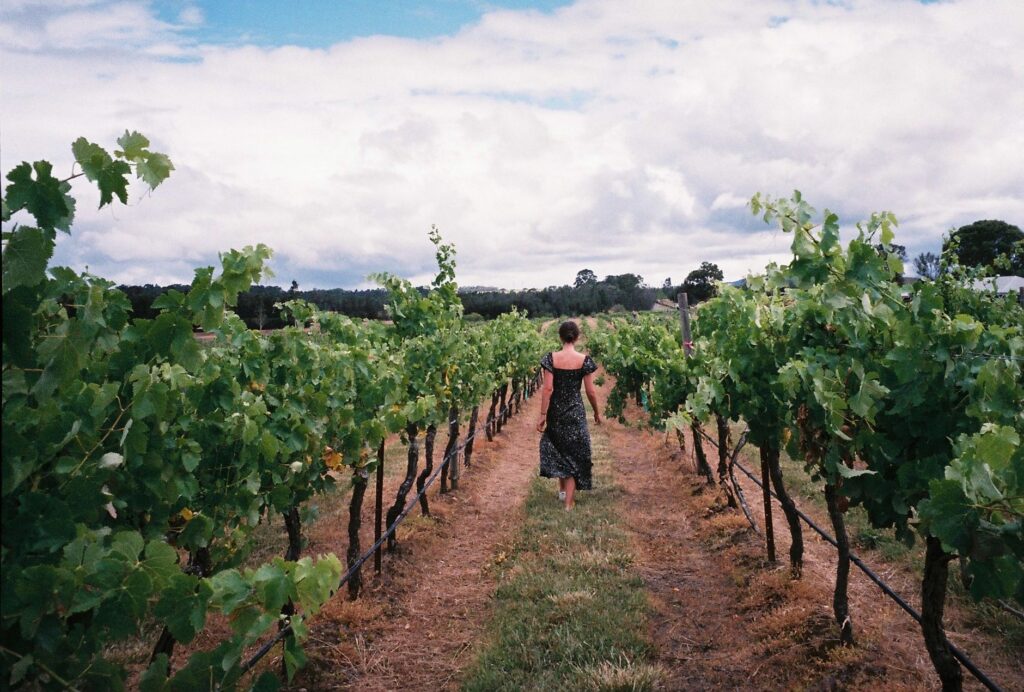
The Adelaide Hills produce cool-climate wines, especially whites and sparkling wines, in wineries that in many cases remain family-run. A visit to one of them should not be reduced to a tasting: it is worth asking about the vine cycle, the varieties that suit the altitude and the decisions taken in difficult years. The region has lived through droughts, fires and frosts, and that climate memory is present in the way growers plan.
For visitors, the responsible decision begins with choosing times that do not clash with harvest work, booking when necessary and not expecting producers to interrupt their work to accommodate an improvised visit. Buying a bottle directly at the winery is also a way to support the local economy, as long as it is done with respect for the product and for the people who make it.
Forests, trails and conservation as a rule
A significant part of the hills is covered by native forest, and several parks and reserves protect that vegetation. Walking the marked trails is one of the best ways to understand the region, but it requires discipline: stay on the routes, do not pick plants, do not feed wildlife and carry out your rubbish. Local fauna, from birds to small marsupials, is sensitive to human presence and to loose dogs.
The weather here changes quickly, and cool mornings can turn into warm afternoons. Planning matters: enough water, suitable footwear, sun protection and attention to park signs. Conservation is not an external imposition but a practice the local community has built into its way of living the landscape.
Markets, growers and the hills’ pantry
Farmers’ markets and local fairs are a gateway to daily life in the Adelaide Hills. There people buy seasonal fruit, cheese, honey, bread and preserves that reflect the climate and soil of the region. For visitors, the rule is simple: ask, listen and buy what is in season. That practice sustains small producers and reduces waste.
Local food is not based on spectacular dishes but on well-treated ingredients. An apple from the hills, a cheese from a nearby farm or a jam made in a small town says more about the territory than any menu designed for tourists. Eating here is a way of reading the landscape, as long as it is done with curiosity and without demanding what the season does not offer.
Rural architecture and heritage that stays standing
Stone houses, churches, sheds and old mills form a scattered heritage that is not always signposted. Some buildings are private; others have been converted into community spaces or small museums. Responsible visiting means finding out before entering, respecting signs and not assuming that every old building is open to the public.
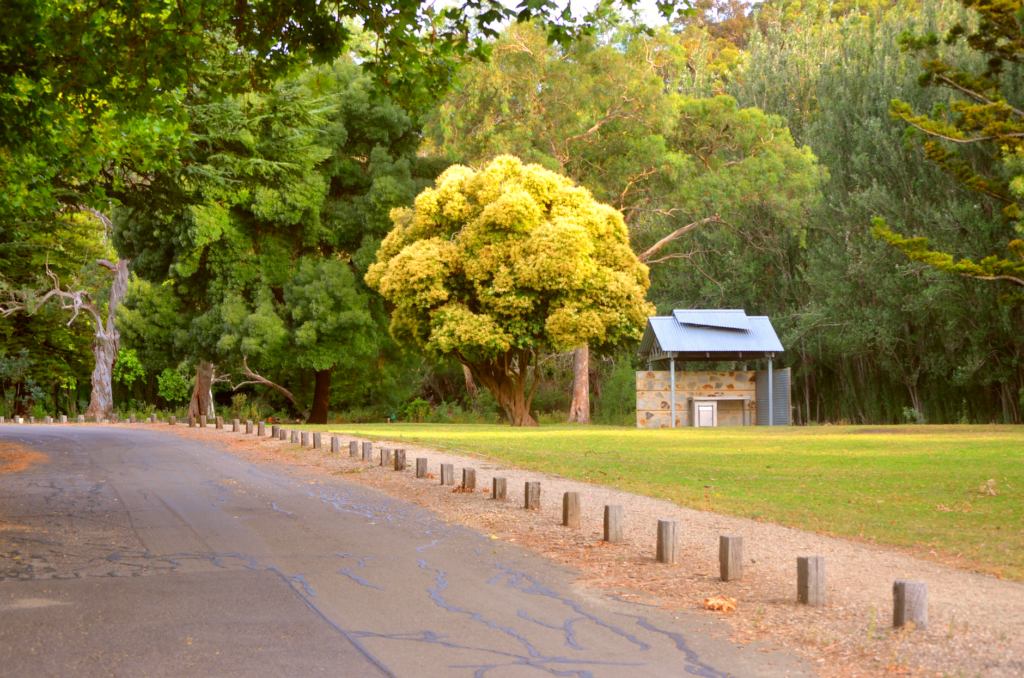
That heritage has value because it is still in use or because the community has chosen to conserve it. The architecture of the hills is not an open-air museum but the result of decisions accumulated over generations. Understanding it this way changes how you photograph it, walk through it and talk about it.
Travelling through the Adelaide Hills requires accepting that the landscape is shared: what you visit is also the place where others live and work.
Practical guide
The region is best explored by car, as public transport between towns is limited and timetables do not always fit visits. Plan stages with margin, avoid peak hours on roads near Adelaide and check opening times for wineries, markets and visitor centres before setting out. The weather can change quickly: layers, water and sun protection are sensible in any season.
- Book ahead at wineries and small restaurants, especially at weekends.
- Respect private property and signs in parks and reserves.
- Do not feed wildlife or leave rubbish on trails.
- Buy at markets and local shops, prioritising seasonal produce.
- Check fire risk in summer and follow official advice.
- Drive carefully on secondary roads, many of them narrow and winding.
The region offers no quick answers or packaged experiences. It offers something more valuable: the chance to understand how a rural community in South Australia organises its life between memory and the present. Visitors who arrive with respect take away a lesson that does not appear in guidebooks: that of a place cared for because it is inhabited.