


Panauti does not appear in the brochures for high-altitude trekking, and that is precisely why it retains a character that other Nepali routes have lost. Set at around 1,455 metres above sea level in Kavrepalanchok District, Bagmati Province, this town of just over 27,000 people brings together a cluster of brick and carved-wood temples near a river confluence, surrounded by agricultural hills that are walked with moderate but steady effort.
Anyone arriving in search of an Alpine-style marked trail has the wrong expectation. Here, walking is organised with judgement: knowing the season, calculating daylight hours, understanding altitude and accepting that the terrain changes with the rains. This report offers an honest preparation for a low-traffic hiking destination, with heritage at its centre and dirt underfoot on the edges.
A historic core best explored slowly
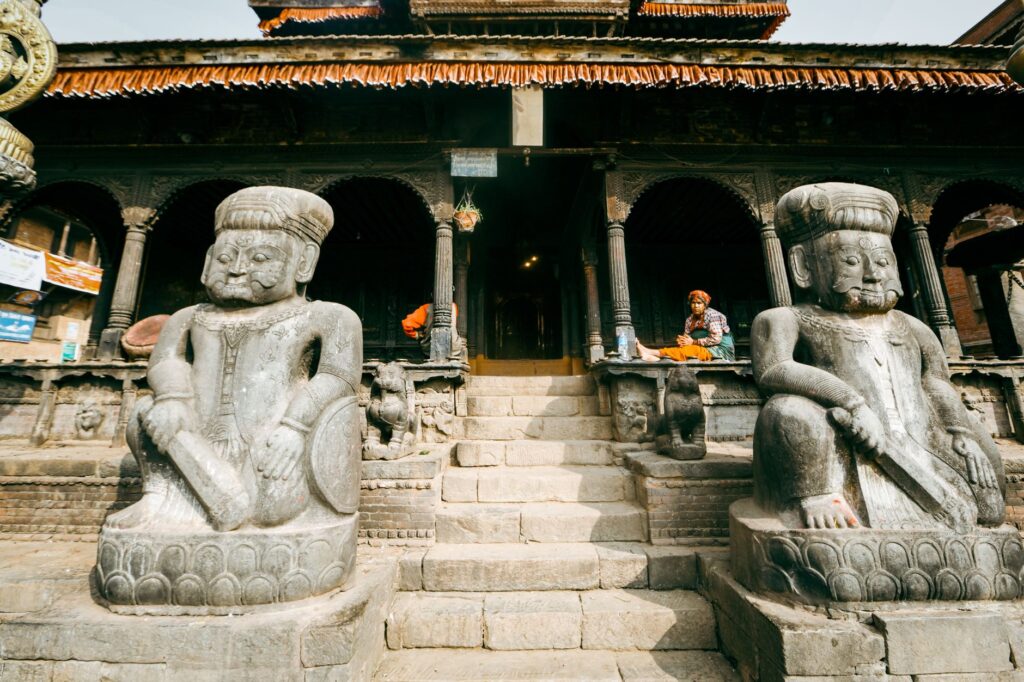
The old centre of Panauti is arranged around squares and narrow lanes where fired brick, dark wood and stepped roofs define a recognisable Newari architecture. Walking these streets is the first exercise in rhythm: uneven ground, motorbikes and tight passages force you to move with attention and to give way.
Local tradition links the town to old pilgrimage narratives and to a water-related heritage of bathing steps and structures beside the river. Visiting the monumental complex is not a box to tick before hiking: it is part of the journey, and it deserves proper time before heading for the hills.
In Panauti the trail begins in the square: the same patience the temple asks of you serves you on the dirt path.
Getting there and what to sort out first
The usual access is by road from Kathmandu, on a journey that crosses the valley and climbs towards the Kavre area. Duration depends on traffic and road conditions, so any plan needs a buffer. Do not schedule a long walk for the same day you arrive.
Before setting out, check three things: the local forecast, the state of the ground after rain and the actual sunset time. At this latitude, daylight fades early in winter, and a trail that looks short can turn into a return in the dark.
- Accommodation booked in advance in the town itself or in nearby settlements.
- Enough drinking water and a treatment system or filter.
- Footwear with grip for dirt, loose stone and damp sections.
- Cash for small services and local transport.
Real difficulty: neither high mountain nor flat stroll
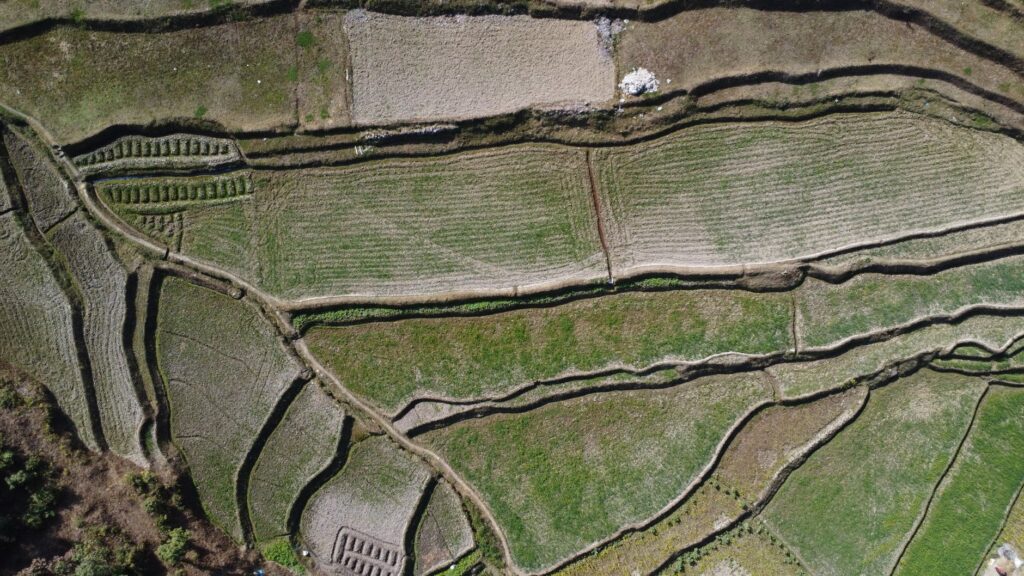
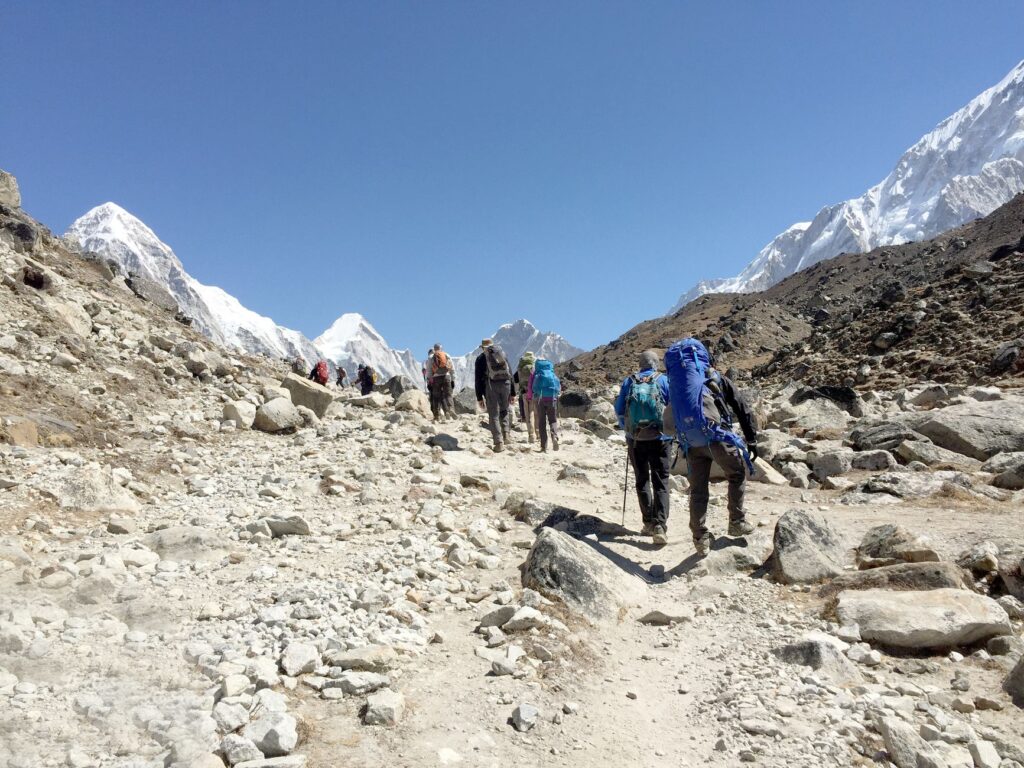
The paths around Panauti run through farm terraces, scattered woodland and dirt tracks that rise and fall without pause. The moderate altitude does not remove the effort: accumulated elevation gain and seasonal humid heat can tire you more than expected.
Difficulty should be judged by effective walking hours, not by kilometres. A half-day route with constant climbs requires a basic level of fitness and, above all, honesty about your own condition. A short itinerary done well is preferable to an ambitious route finished in a rush.
Safety on the trail and in the town
This is not a hostile environment, but it is a territory where help is not always at hand. Mobile coverage is patchy outside the urban core, and secondary paths can blur among crops. Walking with company, sharing your itinerary and carrying a copy of the map are proportionate measures.
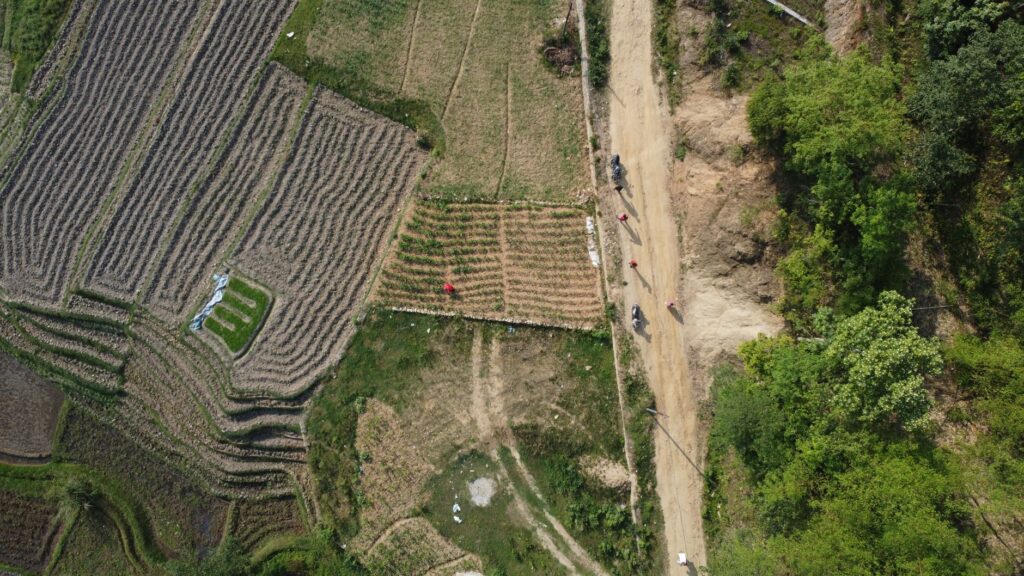
In monsoon season, storms and mud change the difficulty noticeably. Stream crossings and slopes can become slippery. Good judgement means giving up a section when the ground offers no guarantees, without dramatising the decision.
What to pack: kit suited to the terrain
Hiking around Panauti does not require technical high-mountain gear, but it does call for equipment that works in humidity and dust. Quick-drying clothing, a light waterproof layer and sun protection are more useful than any specialised gadget.
Test your footwear before the trip. Trekking sandals may work on dry sections, but dirt and stone paths ask for a sole with tread. A light pole helps on descents and reduces load on the knees.
- A 15 to 25-litre pack with rain protection.
- A basic first-aid kit and personal medication.
- Head torch and spare battery.
- Light warm layers for morning and evening.
Heritage and daily life in the hills
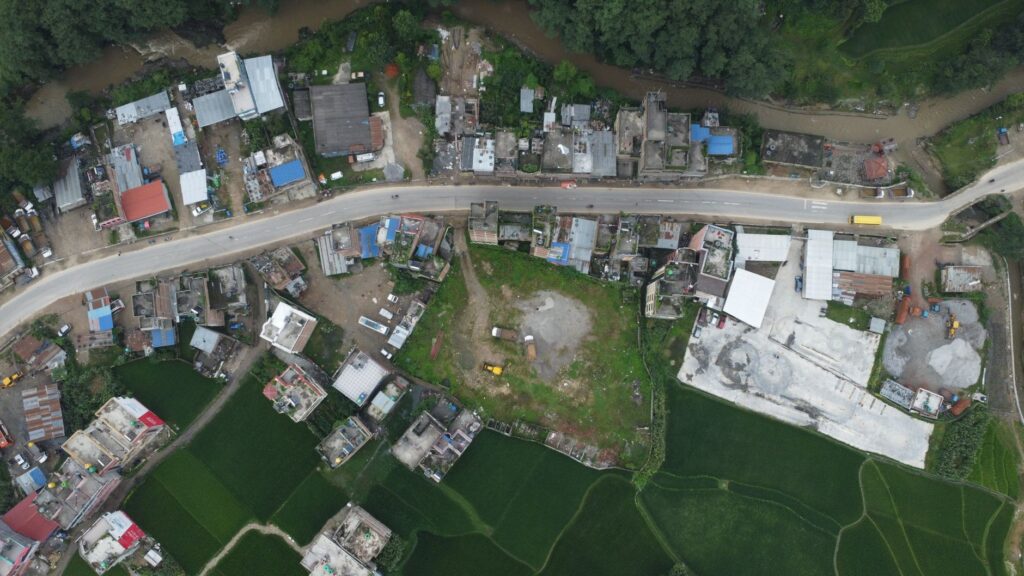
Outside the town centre, the landscape is agricultural and inhabited. Trails cross plots, pass farmhouses and thread through small woods used by the community. The walker is a guest in a working space, not an explorer in an empty territory.
That context calls for simple rules: do not enter private property without permission, do not photograph people without a gesture of consent and do not leave waste. Local hospitality is generous, but it is not unlimited availability.
The best impression you can leave on a Panauti trail is that of a path just as passable for the people who live there.
Low impact: waste, water and noise
Waste management is a challenge across much of Nepal, and visitors should not add pressure. Everything carried onto the trail should come back with you, including organic remains that would be handled differently in an urban setting.
Water needs planning: buying bottles in every village creates waste that is hard to process. A filter or purification system reduces plastic volume and allows refills at reliable points. Noise is also an impact: speaker playback and music on the path disturb people and wildlife.
When to go and how to read the weather
The seasons shape the experience. The dry season, roughly October to May, offers better overall visibility and firmer ground, though mornings can be cool. The monsoon period, from June to September, brings heavy rain, humidity and a higher risk of landslides on the tracks.
The altitude of Panauti poses no altitude-sickness problem on a normal stay, but heat and humidity do affect performance. Walking early, drinking regularly and planning breaks is more effective than forcing the pace.
Practical guide
Access: Panauti is reached by road from Kathmandu; the journey needs a buffer for traffic and road conditions. Do not plan a long walk for the day you arrive.
Where to stay: local accommodation is modest. Book ahead and confirm conditions, especially in high season.
Routes: paths in the nearby hills allow half-day outings. Choose itineraries that match your fitness and carry a map or a device with enough battery.
Safety: share your route, walk with company when possible and avoid unknown sections at dusk. Mobile coverage is patchy outside the town centre.
Health: treated water, sun protection and tested footwear. Check current health advice before travelling.
Respect: do not enter private property without permission, do not photograph people without consent and take all your waste back with you.
The return: walking in order to understand
At the end of the day, Panauti returns the walker to its real scale: a town of temples, brick lanes and hills worked by its people. There are no summits to conquer and no records to beat. There is a territory to be crossed with preparation, with time and with the awareness that the trail is also somebody else’s home.
That is the practical lesson of the place: adventure lies not in extreme difficulty but in the coherence between what you plan and what you do. Those who arrive with realistic expectations leave with a richer experience and a lighter footprint.


