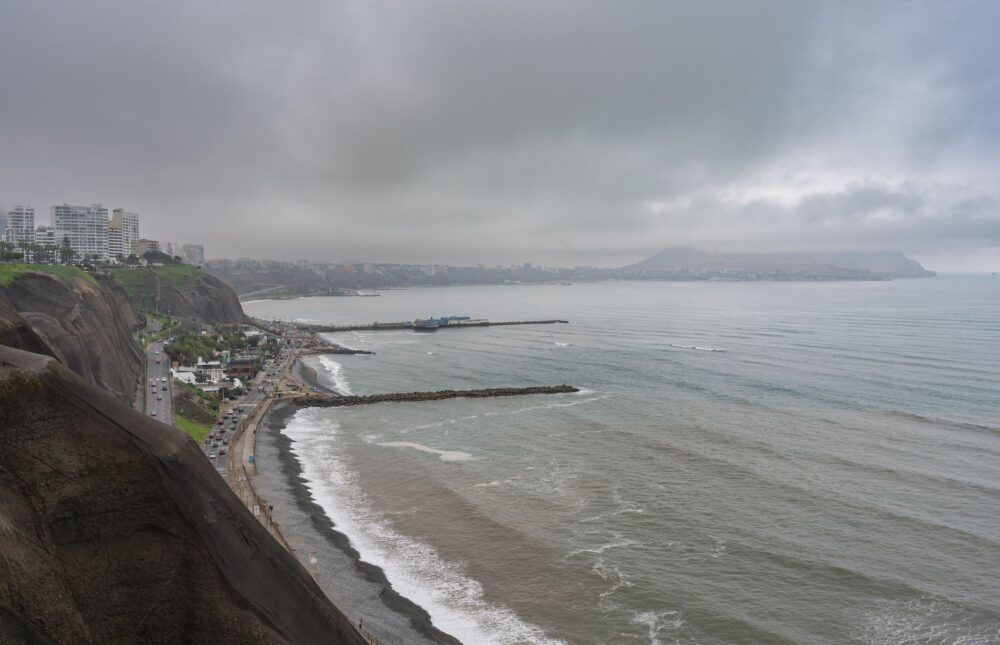
Alto Hospicio rises on an arid terrace at around 535 metres above sea level, in Chile’s Tarapacá region. The city looks down toward the port of Iquique and stretches into the Atacama Desert, the driest on Earth. Its demographic growth has been among the fastest in the country: from just over one hundred thousand inhabitants at the start of the last decade to more than one hundred and forty thousand according to the most recent geographic records. That pace raises an environmental question with no simple answer: how do you conserve a fragile territory when the city keeps growing?
The answer is not in one place. It appears in rural water committees, in university studies of coastal wetlands, in municipal ordinances on waste and in the memory of families who arrived from the high plateau and from other regions. This report reconstructs, using public sources and verifiable context, the threats and the measures being discussed in Alto Hospicio to protect what sustains life in the desert.
A desert that is not empty
The image of the desert as empty space is misleading. In Tarapacá, the arid landscape holds fog ecosystems, ravines with seasonal vegetation and coastal wetlands of importance for migratory birds. Alto Hospicio sits on that threshold: to the west, the slope falling toward the ocean; to the east, the pampa and the hills separating the city from the interior.
Conservation here does not mean preserving a tropical forest but maintaining barely visible ecological processes: water infiltration in the ravines, soil stability against erosion and air quality in a basin where airborne dust is a recurring problem. Protecting the desert means, above all, protecting its water and soil cycles.
Water as a limit and as a right
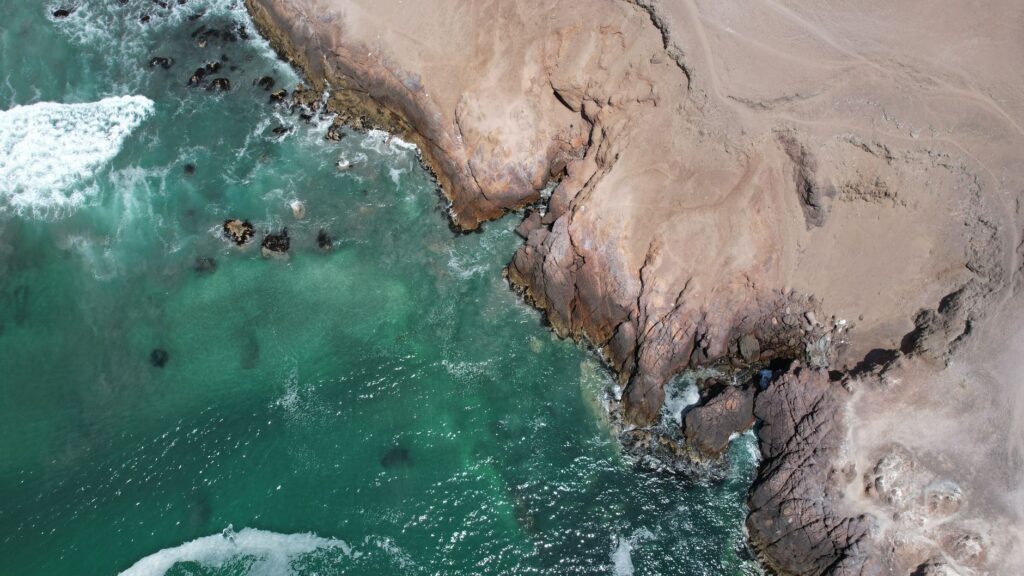
In a region where rainfall is minimal, water comes from underground sources, from pipelines running from the high plateau and from desalination plants. Any discussion of conservation inevitably involves the management of those resources. The pampa aquifers are not infinite and recharge slowly; any urban expansion that ignores that limit compromises the city’s future.
Neighbourhood organisations have insisted on the need for clear information about consumption, network losses and water quality. Water governance in Chile combines national institutions, regional governments and municipalities, which sometimes dilutes responsibility. In Alto Hospicio, that complexity translates into a concrete demand: accessible data and accountability.
Urban conservation in the desert does not start in a park: it starts in the pipe that does not leak and in the data that gets published.
Waste, recycling and the circular economy
Rapid growth brings an increase in solid waste. Waste management is one of the fronts where verifiable measures can be tracked relatively easily: collection rates, source separation, the existence of recycling points and the final destination of materials. The region has community-based recycling initiatives that link waste pickers and neighbourhood groups.
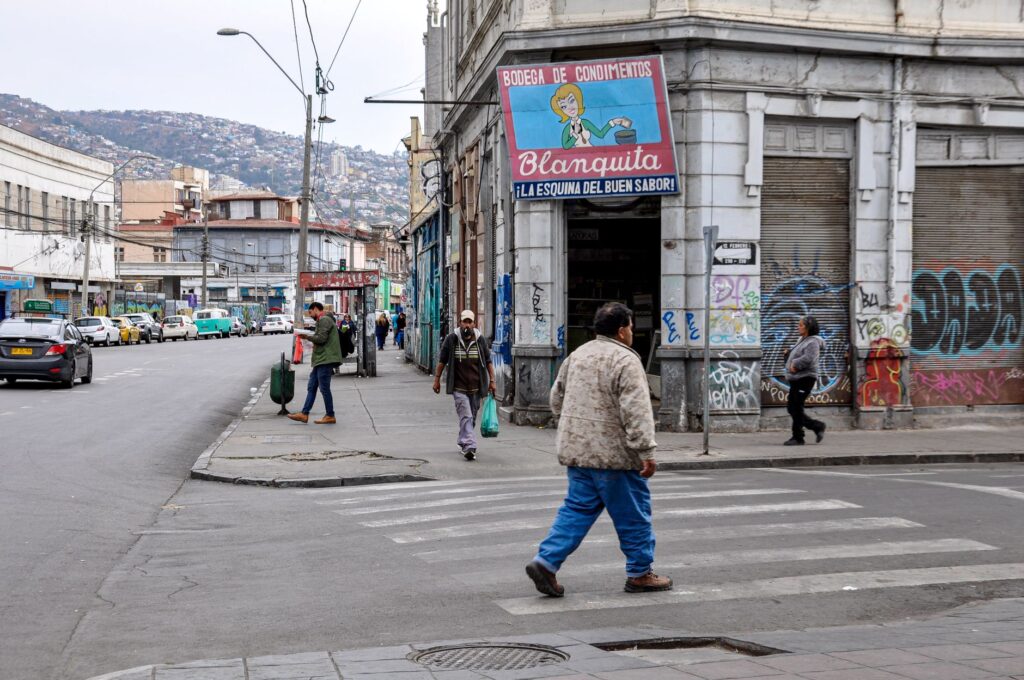
The circular economy is not just a technical concept. In Alto Hospicio neighbourhoods, repair workshops and fairs extend the useful life of objects and reduce waste volume. These practices, modest in appearance, have a cumulative impact on the city’s environmental footprint. Their continuity depends on municipal support, training and market access for recovered materials.
Coastal wetlands and migratory birds
Descending toward the coast, the city connects with wetlands and river mouths that form part of the network of sites used by shorebirds and other migratory species. These ecosystems are sensitive to pollution, to changes in watercourses and to unregulated tourism pressure. Regional scientific research has documented the importance of these spaces for Pacific biodiversity.
Effective conservation requires coordination between municipalities, public services and environmental organisations. It also requires education: visitors and residents need to know about nesting periods and exclusion zones. A cared-for wetland is not a decorative attraction but a natural infrastructure that filters water and buffers flooding.
Governance: who decides about the territory
Alto Hospicio is a young municipality whose institutions have had to adapt to vertiginous growth. Land-use planning, environmental enforcement and investment in basic services involve actors at different levels. The journalistic question is where the decisions affecting conservation are made and how the community participates in them.

Planning instruments regulate land use and can incorporate risk and ecological protection criteria. Their effectiveness depends on municipal technical capacity and political will. In parallel, advisory councils and working groups allow social organisations to influence environmental priorities. Environmental governance is measured in practice: in the existence of open channels and in the effective response to complaints.
Local science for local problems
Universities in the region have developed research lines on water resources, air quality and arid ecosystems. That applied science is key to translating diagnoses into concrete measures. Studies on particulate matter, for example, guide paving and emissions control policies.
Transferring knowledge to communities is equally important. School workshops, citizen air-quality monitoring and environmental education campaigns strengthen local capacity to demand improvements. Without accessible data, citizen participation becomes a statement of intent.
Heritage and memory of the desert
The history of Alto Hospicio is linked to mining, to the railway that connected the coast with the saltpetre offices and to the migratory movements that populated the pampa. That heritage includes infrastructure, stories and cultural practices that are also part of sustainability: a community that recognises its history tends to take better care of its surroundings.

Religious festivals, markets and Andean-rooted cuisine express an identity that coexists with urban modernity. Cultural conservation and environmental conservation share the same principle: caring for what cannot be replaced.
Responsible tourism in a fragile environment
The proximity of Iquique and the coast attracts visitors, and Alto Hospicio can benefit from tourism that values the desert and its history. But unregulated tourism can increase pressure on wetlands and generate waste. The key lies in planning: defined trails, trained guides and clear rules.
Visitors to the region can contribute through simple decisions: reducing plastics, respecting protected areas and choosing local services committed to the environment. Responsible tourism is not a label but a series of verifiable decisions.

Practical guide
Anyone wishing to visit Alto Hospicio and understand its environmental reality should plan the trip with low-impact criteria in mind. The city serves as a base for exploring the coast and the desert, but access to many areas requires a vehicle and caution due to terrain conditions.
- Best time: the climate is desert-like year-round; protection from sun and wind is advisable in any season.
- What to bring: enough water, sun protection, suitable footwear and warm clothing for the nights.
- Waste: do not leave rubbish in the desert or on the coast; use available collection points.
- Wetlands: keep your distance from birds and respect signage in protected areas.
- Community: support local markets and workshops; ask before photographing people or sensitive places.
What is at stake
Alto Hospicio embodies a contemporary tension: the right to urban development and the obligation to conserve a fragile territory. The answers are not spectacular; they are technical, institutional and everyday. They are expressed in a water network that works, an ordinance that is enforced, a wetland that is respected and a community that participates.
Conservation in the desert is not sustained by isolated gestures but by decisions maintained over time. That is the lesson the city offers to anyone willing to listen.