
Papatoetoe does not appear on New Zealand’s postcards. There are no fjords or volcanoes on its immediate horizon, only corrugated iron roofs, wide streets and the constant hum of planes taking off towards the Pacific. Yet this south Auckland suburb, home to around 56,000 people according to available geographic records, occupies a singular position: it sits a few kilometres from the international airport that receives most of the country’s visitors.
Understanding Papatoetoe means understanding how a residential suburb relates to an air infrastructure that does not entirely belong to it, but which defines its economy, its soundscape and its place on the map. This report explores that coexistence through architecture, the passenger experience and the memory of the territory.
A suburb with a Māori name and a market memory
The name Papatoetoe comes from Māori and refers to an area where toetoe, a plant with long leaves and feathery flowers, grew in the wetlands of south Auckland. Before urbanisation, the area was part of a landscape of orchards, pastures and small settlements linked to local iwi.
Residential expansion arrived with the railway and, later, with the industrialisation of the southern city. In the mid-twentieth century, Papatoetoe consolidated as a working-class neighbourhood with wooden houses, large gardens and community life organised around schools, churches and sports clubs. That memory remains visible in the scale of its streets and in the mix of architectural styles, from 1920s bungalows to more recent social housing blocks.
Papatoetoe keeps the scale of a village within a metropolis of more than a million people.
The arrival of migrant communities —from the Pacific, South Asia and East Asia— transformed local commerce. Today, the streets near the train station and the shopping centre concentrate bakeries, greengrocers and restaurants that reflect that diversity. It is not a tourist neighbourhood, but it is a place where daily life has texture.
The airport as a neighbour: architecture and landscape
Auckland International Airport, located in Mangere, borders Papatoetoe to the west. Its presence is not abstract: planes overfly the neighbourhood on trajectories residents know by heart, and airport employment supports thousands of families in the southern area.
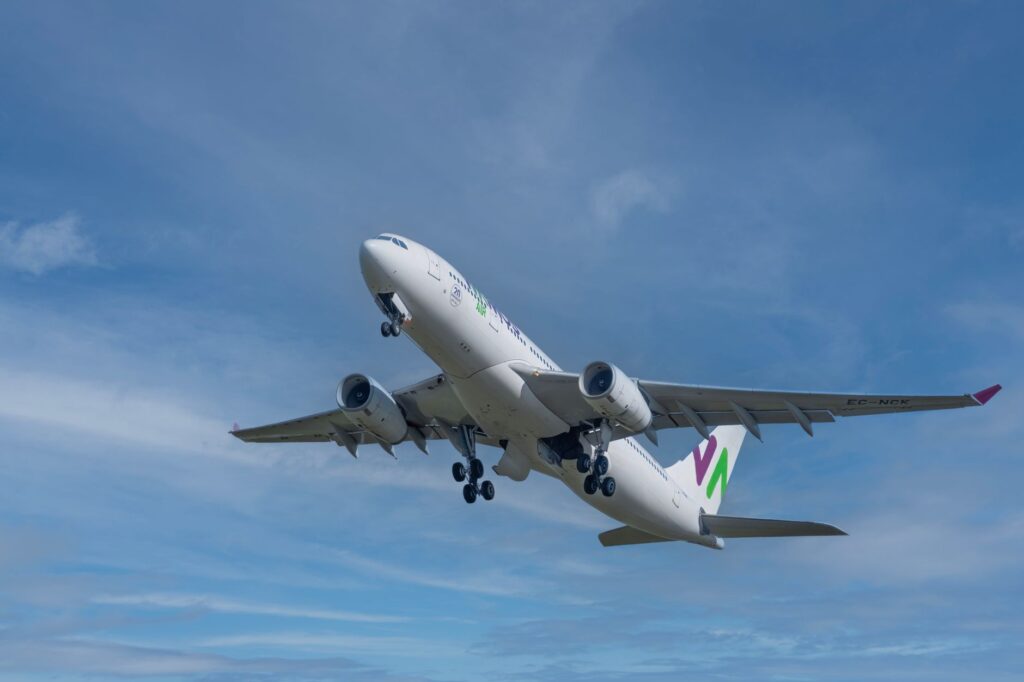
The architecture of the air terminal has evolved from the functional pavilions of the mid-twentieth century to contemporary expansions with large-span roofs and natural lighting systems. For the arriving traveller, the experience begins long before stepping into the terminal: on the road, in bilingual signs and in the landscape of industrial warehouses that announce the proximity of the airfield.
Papatoetoe functions as the residential antechamber to that landscape. Its streets are not designed for tourism but for the daily transit of workers, students and families who use the train and buses to reach the terminal or the employment centres of south Auckland.
Moving without a car: train, bus and the logic of the neighbourhood
Papatoetoe station, on the southern Auckland railway line, connects the neighbourhood with the city centre and other stations along the corridor. For many residents, the train is the backbone of daily mobility: it allows them to reach work, university or the airport through bus connections.
Auckland’s public transport system is organised by fare zones and uses a rechargeable electronic card. Local buses connect Papatoetoe centre with industrial areas and the airport, although schedules and frequencies vary by day and route. For visitors, the recommendation is to check official journey planners before travelling, as routes can change.
- Train: Papatoetoe station offers services to central Auckland and southwards.
- Bus: several local routes connect the neighbourhood with the airport and nearby shopping centres.
- Transport card: the system uses a rechargeable card that also works on the city’s trains and ferries.
Cycling is gaining ground slowly but steadily, although cycling infrastructure in south Auckland remains uneven. Walking through the neighbourhood centre is straightforward: pavements are wide and commerce is concentrated in a few blocks.
The passenger experience: what Papatoetoe teaches about arriving
For those landing in Auckland, Papatoetoe is rarely the final destination, but it is a lesson in how a territory can prepare the traveller. The proximity of the airport forces you to think about transfer times, the difference between residential and airport scale, and the way local communities absorb the noise and movement of global infrastructure.
Auckland Airport has introduced improvements in accessibility, signage and passenger services, but the experience begins on the journey. Those arriving by train or bus observe a landscape of industrial warehouses, wooden houses and gardens that does not resemble the country’s promotional image. That is perhaps the first travel lesson: New Zealand does not begin in a brochure, but in a neighbourhood that works.
A country’s first impression is also built in the suburbs that surround its airport.
Papatoetoe residents live with aircraft noise and the constant presence of travellers, but they maintain a community life of their own: markets, schools, churches and sports clubs that do not depend on tourism. That autonomy is part of its character.
Heritage and culture: what is preserved and what is transformed
Papatoetoe retains some heritage buildings, such as the old train station and several early twentieth-century houses. The local library and community centre serve as meeting spaces for a diverse population, with activities ranging from language classes to programmes for older people.
Māori culture is present in the neighbourhood through marae, schools and community organisations. The use of the Māori language in signage and public events is part of a broader policy of cultural recognition in New Zealand. For visitors, it is important to remember that Papatoetoe is an inhabited place, not a stage set: photographs and curiosity should respect the daily life of its residents.
Local gastronomy reflects the mix of communities: European-style bakeries, Pacific restaurants, Indian and Asian food outlets. There is no luxury dining scene, but an honest, everyday offer that serves those who live there.

Domestic architecture: wood, garden and human scale
Papatoetoe’s residential landscape is characterised by one- or two-storey wooden houses with pitched roofs and front gardens. Many homes from the 1940s and 1950s retain original details such as sash windows and covered porches. In recent decades, demographic pressure has driven the construction of terraced housing and apartment blocks, transforming density in some areas.
That architectural mix tells a story of urban change: the shift from a low-density suburb to a more compact neighbourhood with new demands for transport and infrastructure. The airport, far from being an alien element, is part of that equation: its growth has driven employment and housing in south Auckland.
The traveller who stays: routes and rhythms
Although Papatoetoe is not a conventional tourist destination, it can be a useful base for those seeking more affordable accommodation than central Auckland and who do not mind travelling by train. The station offers direct connections to the centre and other parts of the city, and the neighbourhood has supermarkets, pharmacies and basic services.
For travellers interested in local life, a walk through the streets near the shopping centre and the library reveals the diversity of the neighbourhood. It is advisable to check transport schedules and fares before planning the day, as frequencies may be lower at weekends.
Practical guide
Getting there: Papatoetoe train station connects with central Auckland and the southern corridor. Local buses link to the airport and nearby shopping centres. Check official journey planners for updated schedules and fares.

When to go: Auckland’s climate is temperate and humid year-round. The austral summer (December to February) is warmer and busier; winter (June to August) is cooler and wetter. Papatoetoe has no marked tourist season, so a visit can be made at any time of year.
What to bring: waterproof clothing and comfortable shoes for walking. If travelling by train or bus, carry a rechargeable transport card.
Where to stay: the neighbourhood offers more economical accommodation options than central Auckland, although supply is limited. It is advisable to book in advance and check the transport connection to the airport.
Local respect: Papatoetoe is a residential neighbourhood. Do not photograph people without their consent and respect the quiet of streets and community spaces.
A closing beside the tracks
At dusk, the train crosses Papatoetoe with a sound familiar to those who live there. Planes continue their course towards the airport, and the streets regain the calm of a neighbourhood that does not need to be famous to be important. Papatoetoe is not a postcard but a place where daily life is organised around movement: the train that arrives, the plane that passes, the community that remains.