

In Miraflores, a district of Lima, Peru, that looks out over the Pacific, gastronomy cannot be understood without the journey that precedes it: the shopping. Before a dish reaches the table, someone has chosen the fruit at a stall, asked about the day’s fish and carried a cloth bag through streets that mix modern buildings with old houses and wooden balconies. That routine, repeated every morning, is what sustains much of the district’s culinary identity.
This report proposes looking at Miraflores through its everyday pantry: the food markets, corner stores and fairs that supply its residents. It is not a restaurant guide or a list of trends, but an approach to how a coastal neighbourhood organises its food, preserves its heritage and negotiates each day with the tourism that visits it.
A district that stocks up between the sea and the city
Miraflores occupies a strip of land raised above the coastline, with an average elevation of a few dozen metres above sea level and a population of more than 180,000, according to available geographic records. That density explains the vitality of its local commerce: this is not a dormitory neighbourhood but a district with a life of its own throughout the day.
Closeness to the sea defines part of its pantry, but does not exhaust it. Lima is a desert city crossed by rivers and supplied by Andean valleys, and Miraflores takes part in that double condition: it receives fresh produce from the coast and the highlands through a network of wholesale markets and distributors that feed the retail stalls. The result is a broad offer shaped by seasonality and by the direct relationship between seller and buyer.
The daily shop is the first act of Miraflores cooking: choosing, asking, comparing and talking with the person selling are gestures that form part of the district’s intangible heritage.
The food market at the centre of daily life
Miraflores’ food markets work as hybrid spaces: they are commerce, but also places to meet, exchange information and pass on knowledge. Their aisles bring together fruit and vegetable stalls, butchers, fishmongers, grocery shops and small eateries serving home-style food in the late morning.
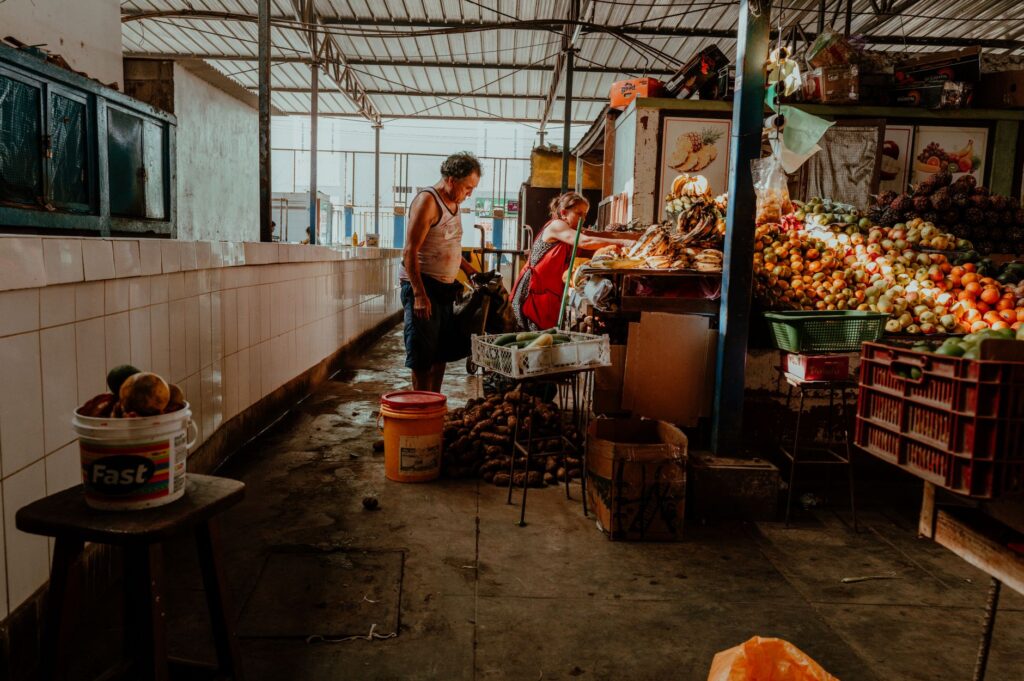
These markets are organised around a neighbourhood logic: each stall has its regular customers, and that relationship is built over years. The seller knows the buyer’s preferences, makes recommendations according to the season and adjusts the quantity to what the family kitchen needs. It is a system of trust that is hard to replicate in a supermarket.
In a neighbourhood market, information travels with the bag: which fruit is at its best, which fish arrived that morning, how to prepare something unfamiliar.
For visitors, the recommendation is to walk these spaces calmly, without rushing and with respect for other people’s routines. Buying something, asking about the origin of a product or seeking advice on how to cook it are simple ways to take part without intruding.
Fruit, fish and season: the logic of fresh produce
The Miraflores pantry is organised around two axes: seasonality and freshness. Tropical and Andean fruits sit alongside citrus, tubers and aromatic herbs arriving from different regions of the country. The variety is wide and changes through the year, which forces cooks to adapt and buyers to ask.
Fish holds a central place in coastal culinary culture. Proximity to the shoreline allows stalls to offer fresh produce, although availability depends on the season and sea conditions. It is common for the seller to explain what arrived that day and how best to prepare it.
- Ask about the origin of a product before buying.
- Respect the season: what is not at its best can wait.
- Bring a reusable bag and avoid excess packaging.
- Buy only what you will use to reduce waste.
Corner stores and fairs: the network that completes the map
Beyond the markets, Miraflores has a network of corner stores and small shops that extend the domestic pantry. They sell groceries, dairy, bread and basic goods, and keep alive the brief conversation that characterises neighbourhood commerce.
Temporary fairs and authorised street stalls complete the picture on certain dates, offering seasonal produce or regional specialities. Their presence varies, so it is worth checking locally before planning a visit around them.
Urban heritage around the market
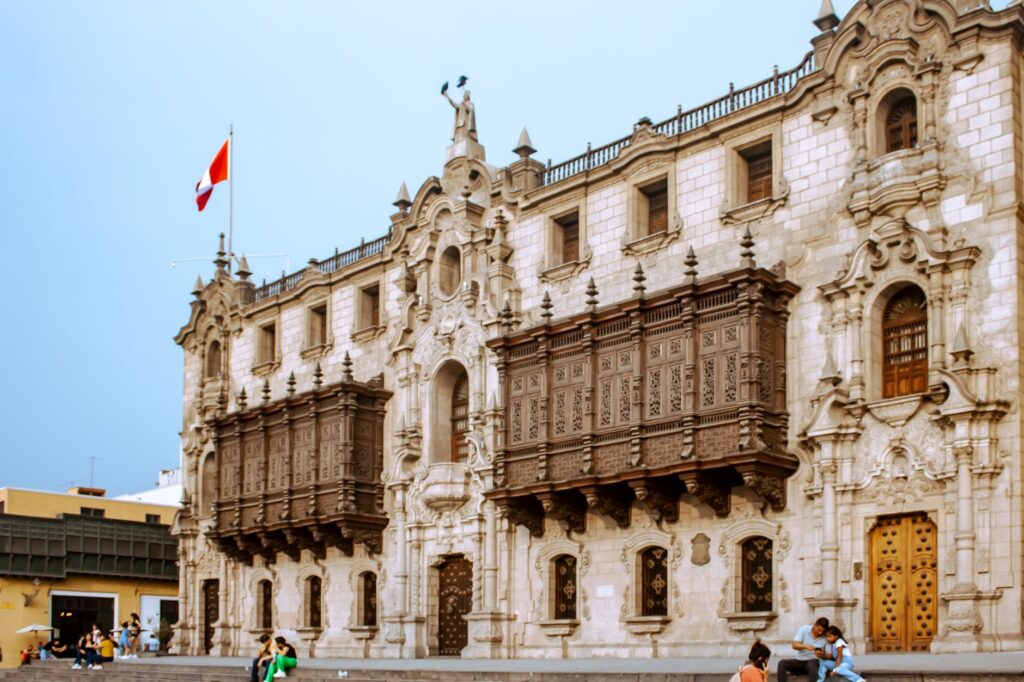
The surroundings of Miraflores’ markets are part of the district’s urban heritage. Nineteenth- and twentieth-century houses, wooden balconies, parks and the clifftop promenade coexist with contemporary architecture that has reshaped the neighbourhood’s profile in recent decades. Walking from one market to another allows you to read that layering.
The malecón, which runs along the coastal edge, is one of Miraflores’ best-known public spaces and connects green areas with viewpoints over the Pacific. Its proximity to the commercial axes makes it a natural waypoint for anyone combining a market visit with a walk.
Miraflores’ heritage is not only in its buildings: it is also in the everyday practices that keep them alive, such as the daily shop, the conversation at the stall and the cooking that makes use of everything.
Neighbourhood cooking: what is made from what is bought
The Miraflores pantry translates into a domestic and small-canteen cuisine that prioritises fresh produce and simple preparation. Stews, soups and fish dishes sit alongside family recipes passed down through generations.
The small eateries inside markets serve home-style food that changes according to what is available. It is honest cooking, without fuss, reflecting the direct link between what is bought and what is cooked. For visitors, sitting down to eat in one of these spaces is a way to understand the rhythm of the district.

Market cooking does not compete with fine dining: it feeds it. Without a living pantry, no author kitchen would have raw material to work with.
Tourism and local life: coexisting without displacing
Miraflores is one of Lima’s most visited districts, and that tourist pressure has effects on daily life. Prices, the use of public space and commercial transformation are issues that affect those who live there. That is why the visitor’s responsible choice matters.
Buying in neighbourhood markets, respecting the hours of greatest local activity and avoiding behaviour that interrupts routines are concrete ways to reduce impact. So is learning about the local context before visiting, rather than treating the market as a backdrop.
- Visit markets at less crowded times.
- Buy from local stalls rather than relying only on chains.
- Respect the rules of each space and the instructions of those working there.
- Avoid photographing people without their consent.
Practical guide
Before organising a food-focused visit to Miraflores, it helps to keep in mind some general criteria that make moving around easier and more respectful.
Getting there and getting around
Miraflores is connected to the rest of Lima by public transport and taxi services. Within the district, walking is the simplest way to explore the markets and commercial streets. Check updated routes and schedules through official sources before setting out.
When to go
The best time to visit depends on each traveller’s interests. To see the markets in their usual working rhythm, it is preferable to go during neighbourhood activity hours and avoid peak tourist congestion. Opening times should be confirmed at the establishment itself or through official channels.

What to buy and how
Shopping in food markets is mainly done in cash, although some stalls may accept other payment methods. It is advisable to bring reusable bags, ask about the origin of products and adjust quantities to what will actually be consumed.
Rules of coexistence
Markets are spaces of work and daily life. Keeping your voice down, respecting the aisles and asking permission before taking photographs are basic gestures of coexistence. So is accepting that not every stall is aimed at visitors.
Budget and responsible choices
Spending in a neighbourhood market is usually moderate compared with other tourist spaces. Prioritising local purchases, avoiding waste and respecting the season are choices that benefit both visitor and community.
An ending that begins in the shopping bag
At the end of the walk, what remains is not a list of dishes or a closed route, but a simple observation: in Miraflores, gastronomy rests on a network of people who open their stalls every morning, arrange the fruit, check the fish and wait for whoever comes to buy. That routine, quiet and repeated, is what allows the district to keep cooking its identity.
For visitors, the best way to approach that reality is with curiosity and care: buy, ask, listen and go home with more than a full bag. The Miraflores pantry is not a monument to be admired but a practice to be shared.