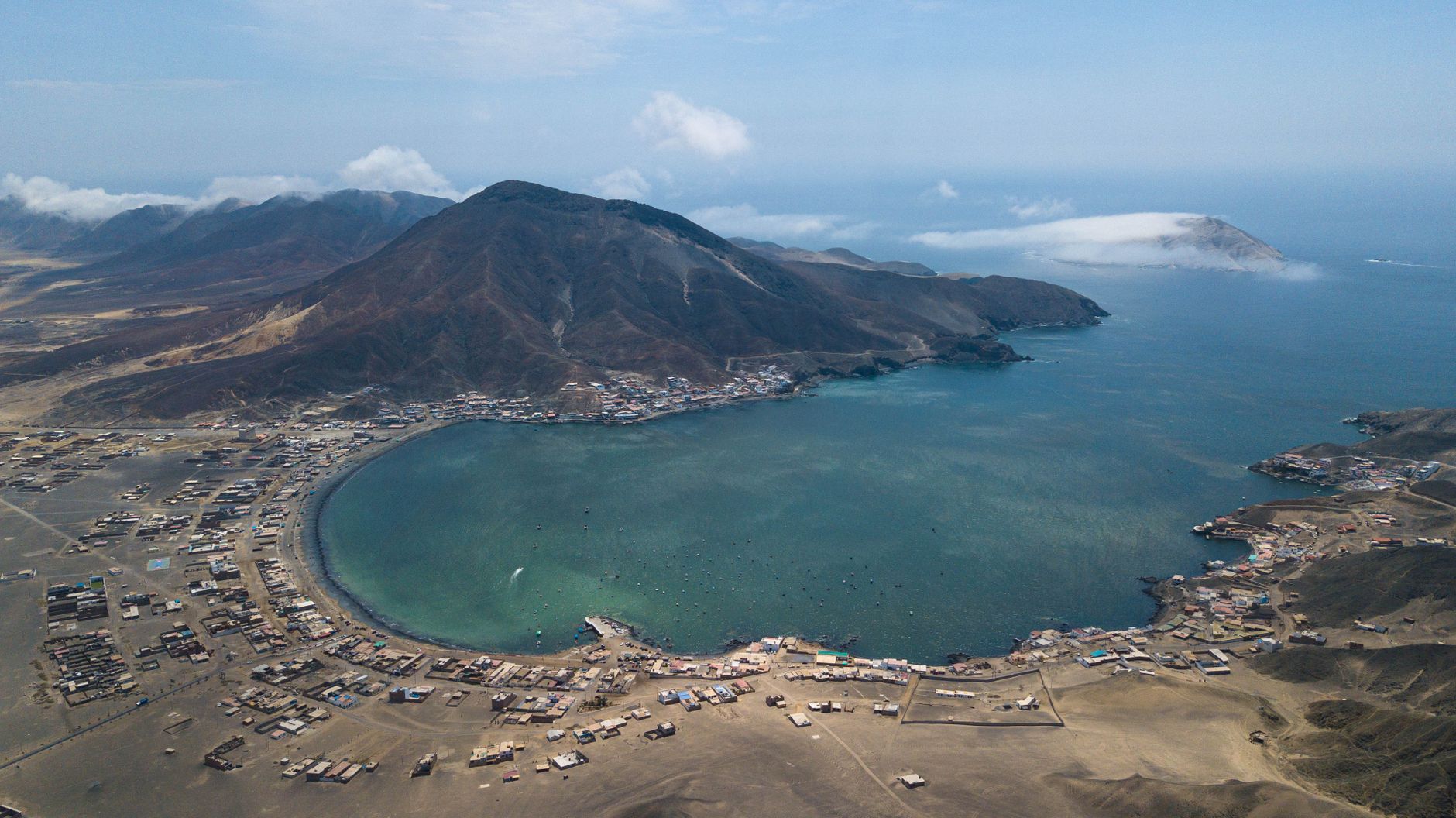

Chimbote stands facing the Pacific, in the Ancash region of northern Peru, a few hours north of Lima. The city does not present itself with polished postcards: its profile mixes docks, shipyards, fish markets and neighborhoods that grew with industry. But behind that hard image lies an intense daily life, a fishing-port culture and a table many consider the most generous on the Peruvian coast.
For a visitor, Chimbote is not a stopover on the way to ruins or the mountains. It is a destination that asks you to look closely: to understand how the sea organizes the day, what it means to live off anchoveta, and why the city is rewriting its relationship with its own bay. Peru appears here not as a catalog of landscapes, but as a territory where industrial coast and cove life cross paths without asking permission.
A city born of the sea and steel
Chimbote occupies a coastal plain at the edge of Ferrol Bay, in Santa Province. Its modern growth is tied to industrial fishing and steelmaking, two engines that drew thousands of families from the Ancash highlands and other regions.
That mix of origins explains much of its character: a young, hardworking city, with neighborhoods that keep the names of coves and estates, and an oral memory passed down in kitchens and on the streets. There is no monumental colonial center here; Chimbote’s heritage is a living one, made of trades, boats and recipes.
The city sits at roughly thirteen meters above sea level according to standard geographic records, and its population exceeds three hundred thousand inhabitants, making it one of the most populated urban centers on the Ancash coast. That density does not translate into grand monumental avenues, but into an urban fabric that stretches between the sea and the desert.
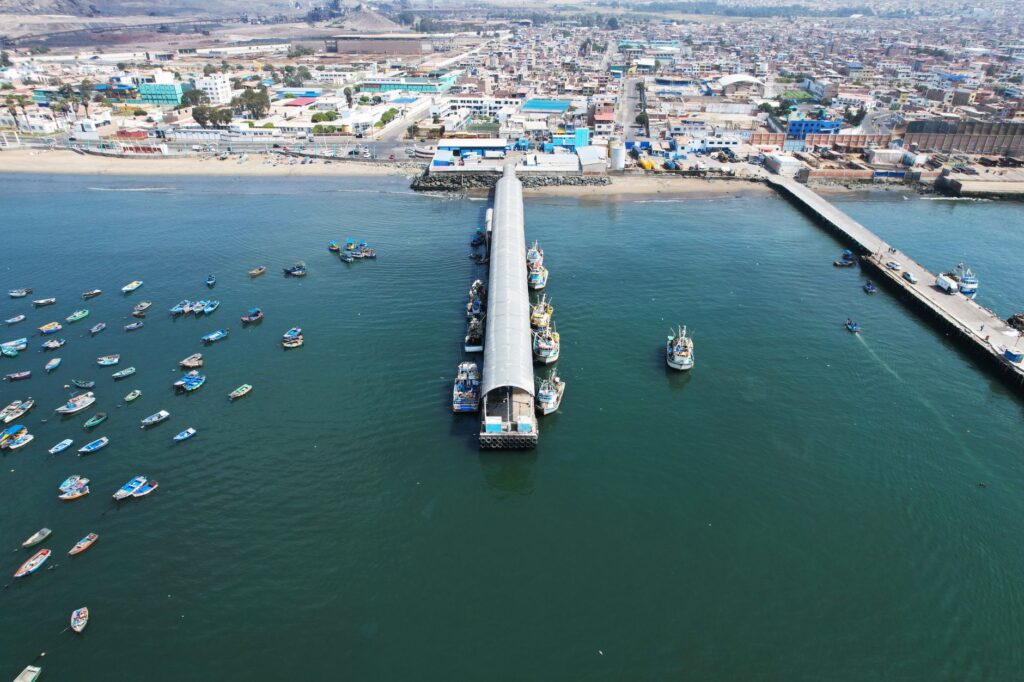
The bay is not a backdrop: it is the clock that orders the day for fishermen, cooks and traders.
The cove and the port: two rhythms on one shore
The industrial port and the artisanal cove coexist along the same coastline with different logics. While some docks move cargo and large volumes of fish, smaller boats go out and return with catches that feed markets and cevicherías.
For travelers, the advice is simple: observe without interfering. Port work areas have their own rules and are not always open to the public. Asking before taking photos, respecting marked areas and buying in local markets are concrete ways to make a visit add rather than subtract.
Fishing activity is not a show for tourists: it is the livelihood of thousands of families. Understanding that changes the gaze. The visitor who arrives with curiosity and discretion finds brief but valuable conversations about tides, seasons and routines that have repeated for decades.
What to eat in Chimbote
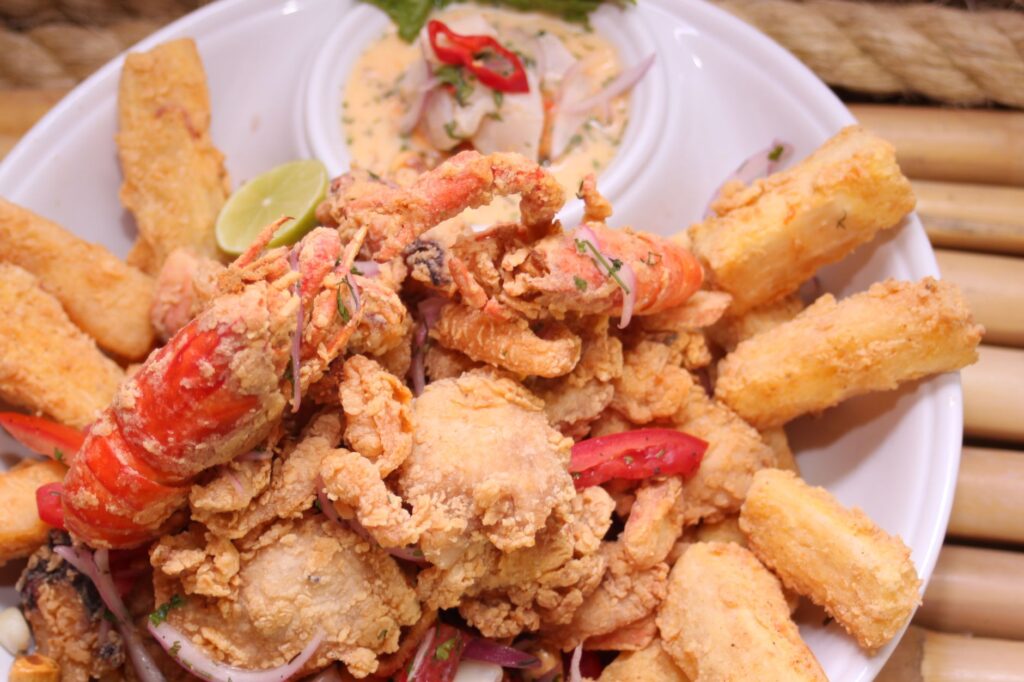
Food is one of the city’s strongest arguments. Ceviche, sudado, seafood rice and ray tortillas are part of a tradition that combines fresh product with simple techniques.
- Ceviche: fish of the day, lime, chili and onion; served in generous portions at market prices.
- Sudado de pescado: a light stew with tomato, onion and herbs, ideal for the coastal climate.
- Arroz con mariscos: a hearty dish that reflects the abundance of the shoreline.
- Chicha morada and fruit juices: they accompany without competing with the fish.
Ask about the origin of the product and favor places with high turnover. Freshness is the criterion that separates a good experience from a mediocre one. In a city where fish arrives almost directly from the dock, the difference between a memorable dish and a forgettable one usually lies in the hour of purchase, not in the recipe.

Beyond the port: wetlands and coastal landscape
Around Chimbote there are wetlands and stretches of coastal vegetation that serve as bird refuges and as lungs for the urban environment. They are fragile spaces, sensitive to pollution and to the city’s informal expansion.
Visiting them means walking without leaving waste, staying on trails and avoiding noise that disturbs wildlife. They are not amusement parks: they are ecosystems that sustain life in the bay and that travelers can help protect through discreet behavior.
Birdwatching requires patience and silence. The best moments are usually the early morning and sunset, when human activity decreases and wildlife shows itself more naturally. Bringing binoculars and a local guide helps, but the essential thing is not to alter the environment.
Cultural heritage: memory of migrants and trades
Chimbote’s identity was built with contributions from the Ancash highlands and other regions. That mix shows up in festivals, music, popular devotions and in the way things are named.
Intangible heritage matters here as much as any building: the way fish is filleted, the language of fishermen, the family recipes passed from mother to daughter. Visitors interested in those details find a city far richer than its industrial stereotype.
Patron saint festivals and local celebrations are moments when that collective memory becomes visible. Participating with respect, without invading private spaces or interrupting rituals, allows an approach to a culture that is not exhibited in display cases, but practiced daily.
Chimbote is not explained only by what it produces, but by those who came to produce it.
Getting around and when to go
The city has road connections from Lima and other northern cities, plus an airport with limited flights. Most visitors arrive overland, on journeys of several hours.
The climate is coastal and desert-like: intense sun in summer and humidity in winter. The best time for outdoor activities tends to be the dry season, though the city works year-round. To move within Chimbote, taxis and mototaxis are common; agree on the fare before getting in.
Walking through the center and the neighborhoods near the shoreline lets you grasp the city’s real pulse. There is no closed tourist circuit; the experience is built from observation and from the recommendations of those who live there.
Responsible choices for visitors
Traveling to Chimbote with judgment means recognizing that it is a working city, not a theme park. Some useful guidelines:
- Spend locally: buying in markets and eating in neighborhood places keeps money in the community.
- Respect port work: do not enter restricted areas or block operations.
- Care for the shoreline: do not litter and reduce single-use plastics.
- Inform yourself first: ask residents or local authorities about safety conditions and recommended areas.
These choices require no grand gestures; attention and respect are enough. Responsible tourism in an industrial city means accepting that the visitor is an observer, not the protagonist.
Practical guide
Getting there: by road from Lima on long-distance bus services; there are also occasional flights to the local airport. Check schedules and frequencies in advance, as they can vary.
Where to stay: options are concentrated in the urban area, from simple lodgings to mid-range hotels. Book ahead in high season.
What to bring: sunscreen, a hat, water and comfortable shoes. The coastal sun is strong even on cloudy days.

Safety: learn which areas are recommended and avoid nighttime travel through quiet zones. As in any city, caution is the best tool.
Language and currency: Spanish; Peruvian sol. Carry cash for markets and local transport.
A bay you look in the eye
Chimbote does not try to please at first sight. Its appeal lies in its frankness: the smell of freshly unloaded fish, the noise of engines, the conversation in the market and the hard midday light on the water.
Travelers who arrive without postcard expectations find a city that works, eats and talks while facing the sea. And perhaps that is the best way to know it: unhurried, curious and willing to understand that heritage can also take the shape of a fishing cove. In Peru, where so many destinations sell themselves on their monumental past, Chimbote proposes something else: an identity built every day facing the bay.