
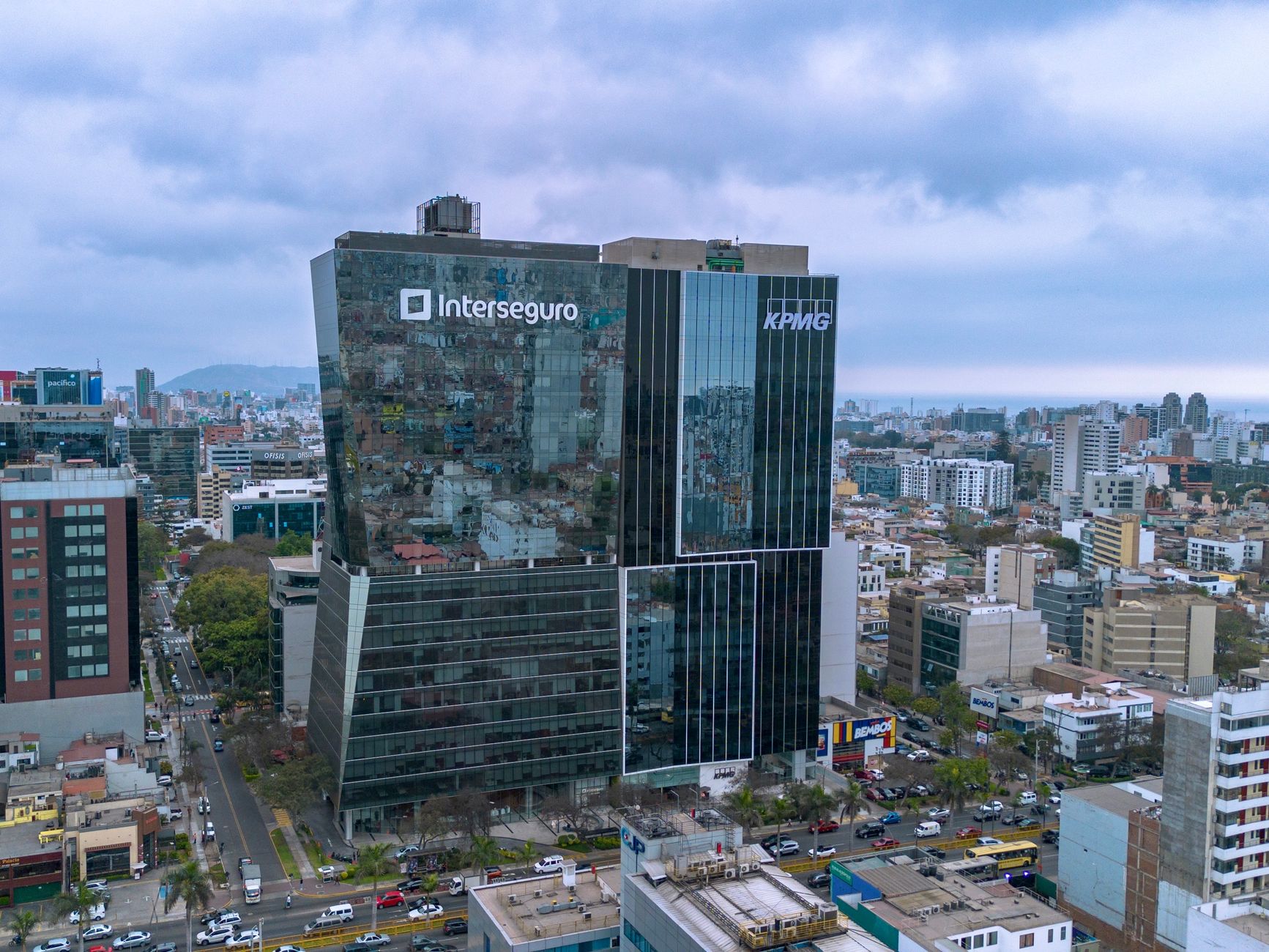

Breña rarely appears in Lima’s most reproduced postcards, and perhaps that is why it keeps a rhythm of its own. Located west of the historic center, this district of around 82,000 residents lives between wide avenues, rows of republican-era houses, food markets and a dense public transport network that connects it to the rest of the Peruvian capital.
For travelers who already know the Magic Water Circuit or the Plaza Mayor, Breña offers something different: the chance to understand how daily life is organized in a vast city, at the scale of a neighborhood. Here, heritage is not museumized; it is used, walked through and, at times, worn down.
A district born from Lima’s growth
Breña consolidated as a district in the early twentieth century, when the city began to spill beyond its colonial limits. Its name, according to local tradition, refers to an area of low, broken vegetation, though historical documents allow for several readings. What is certain is that its urban layout reflects that moment of expansion: regular blocks, avenues that channel traffic and a mix of uses that was never fully separated.
The district borders the Cercado de Lima, Jesús María and Callao, a position that made it a transit zone and, at the same time, a residential area for middle- and working-class families. That dual condition explains its character: it is not a tourist neighborhood, but neither is it a mere corridor.
Breña is not visited the way a monument is visited: it is walked the way a neighborhood notebook is read, page by page and without skipping the corners.
Avenida Arica and the axis that orders the district
Avenida Arica works as one of Breña’s backbones. Along its route, shops, schools, public offices and transport stops follow one another. Walking it at rush hour is an intense experience, but also a direct way to understand how the city moves.
Nearby are some of the district’s most recognizable buildings, such as the complex of the National Library of Peru, whose main site occupies a space of great architectural and symbolic value. It is not a conventional tourist attraction, but its presence reminds us that Breña has also been an administrative and cultural center.
What to observe on a walk along Arica
- The transition between continuous facades and taller buildings.
- Street vendors, regulated or not, that mark the commercial pulse.
- Bus and minibus stops connecting the district to the rest of Lima.
Markets: daily life in the foreground
If one space sums up Breña, it is its network of food markets. The Breña market, on Avenida Arica, and others such as the Central de Abastos market on the district’s edges, concentrate commercial and social activity. Fruit, vegetables, meat, fish, set menus and cleaning products are sold on the same block.

For visitors, entering a neighborhood market requires a certain attitude: ask before photographing, do not block the way, respect prices and understand that this is a workspace, not a stage set. In return, you gain direct access to everyday Peruvian cooking, far from the most publicized gastronomic circuits.
Market cooking in Breña relies on fresh ingredients and home recipes: set menus with soup, a main dish and a drink, prepared daily for workers and neighbors. It is not haute cuisine, but it is an honest sample of what Lima eats from Monday to Friday.
Urban heritage: houses, squares and memory
Breña preserves a scattered architectural heritage made up of republican-era mansions, institutional buildings and mid-twentieth-century housing complexes. Many of these properties have been modified or subdivided, which makes them hard to read as a whole, but also reflects the city’s real history.
Plaza de la Bandera and nearby public spaces serve as meeting points. Vendors, neighbors and students gather there, and civic and cultural activities are held. They are not monumental squares, but they fulfill an essential function: giving air and human scale to a dense district.

A heritage that is used
Breña’s value lies not only in what it preserves but in how it uses it. Houses are inhabited, shops are transformed, sidewalks are occupied. That vitality has a cost: deterioration, informality and pressure on services. Recognizing this is part of a responsible visit.
Transport and mobility: how to arrive and how to move
Breña is well connected to the rest of Lima. Avenida Arica, Avenida Brasil and Avenida Venezuela are main axes, and buses, minibuses and, on some stretches, complementary corridors run along them. The Metropolitano and Line 1 of the Metro have relatively nearby stations, though not within the district in all cases.
For visitors, the practical recommendation is to plan trips outside rush hours, use ride-hailing apps or formal public transport when possible and walk attentively. Sidewalks can be uneven and traffic is intense.

- Arrival from the historic center: between 15 and 30 minutes depending on traffic.
- Connection to Jorge Chávez airport: via roads such as Avenida Venezuela and Callao.
- Internal mobility: on foot, by taxi or on surface public transport.
Local identity and neighborhood life
Breña is defined less by its monuments than by its neighborhood life. Neighborhood associations, parishes, sports clubs and merchants’ groups sustain a social fabric that resists change. Different accents from across Peru can be heard in its streets, a reflection of the internal migrations that transformed Lima in the twentieth century.
That diversity shows in food, music and festivities. It is not always visible to those just passing through, but it appears in menus, corner signs and sidewalk conversations.
Visitors who arrive in Breña with curiosity and without haste discover that the district does not compete with tourist circuits: it complements them from another place.
What a responsible visitor can do
Visiting Breña does not require a closed itinerary. A reasonable option is to start on Avenida Arica, walk through a food market, stop at a square and continue toward the edges of the historic center. Another is to use the district as a base for understanding everyday Lima, combining it with visits to nearby spaces.
In all cases, it is worth remembering that this is an inhabited neighborhood. Respect for residents, care for public spaces and a willingness to spend money in local businesses are concrete ways for tourism to contribute rather than displace.

Common mistakes
- Treating the market as a photo opportunity without considering those who work there.
- Expecting a designed tourist experience when Breña functions as a real neighborhood.
- Ignoring basic safety and cohabitation rules in a large city.
Practical guide
Breña is located in Lima Province, Peru, about 119 meters above sea level. The climate is coastal desert, with high humidity and moderate temperatures year-round. The best time to walk the district is during the clear-sky season, between December and April, though the rest of the year also allows for outings with appropriate clothing.
- How to get there: from Lima’s historic center, by taxi or public transport along Avenida Arica or Avenida Brasil.
- When to go: weekday mornings to see markets in action; avoid rush hours.
- What to bring: comfortable shoes, water, sunscreen and cash for small purchases.
- Safety: check local sources, avoid solitary areas and stay alert on public transport.
- Respect: ask before photographing people, do not block workspaces and spend money in neighborhood businesses.
Breña does not promise a spectacular experience, and that is precisely its value. It is a district that shows how a real city works, with its tensions, its energy and its memory. For travelers willing to look closely, it offers a lesson in urbanity and daily life that is hard to find on the most traveled routes.


