
Timaru does not appear on trendy culinary destination lists. And that is precisely its charm. In this port city on New Zealand’s east coast, food is not displayed: it is shared. Here, fish arrives from the wharf before noon, bread is baked in small batches, and family recipes are passed down as naturally as a neighbour’s door is opened.
With just over 29,000 inhabitants, Timaru keeps a pace that invites you to look slowly. The question guiding this report is not what is eaten, but how a culinary identity is built when the sea, the land and memory sit at the same table.
A city defined by what arrives at the port
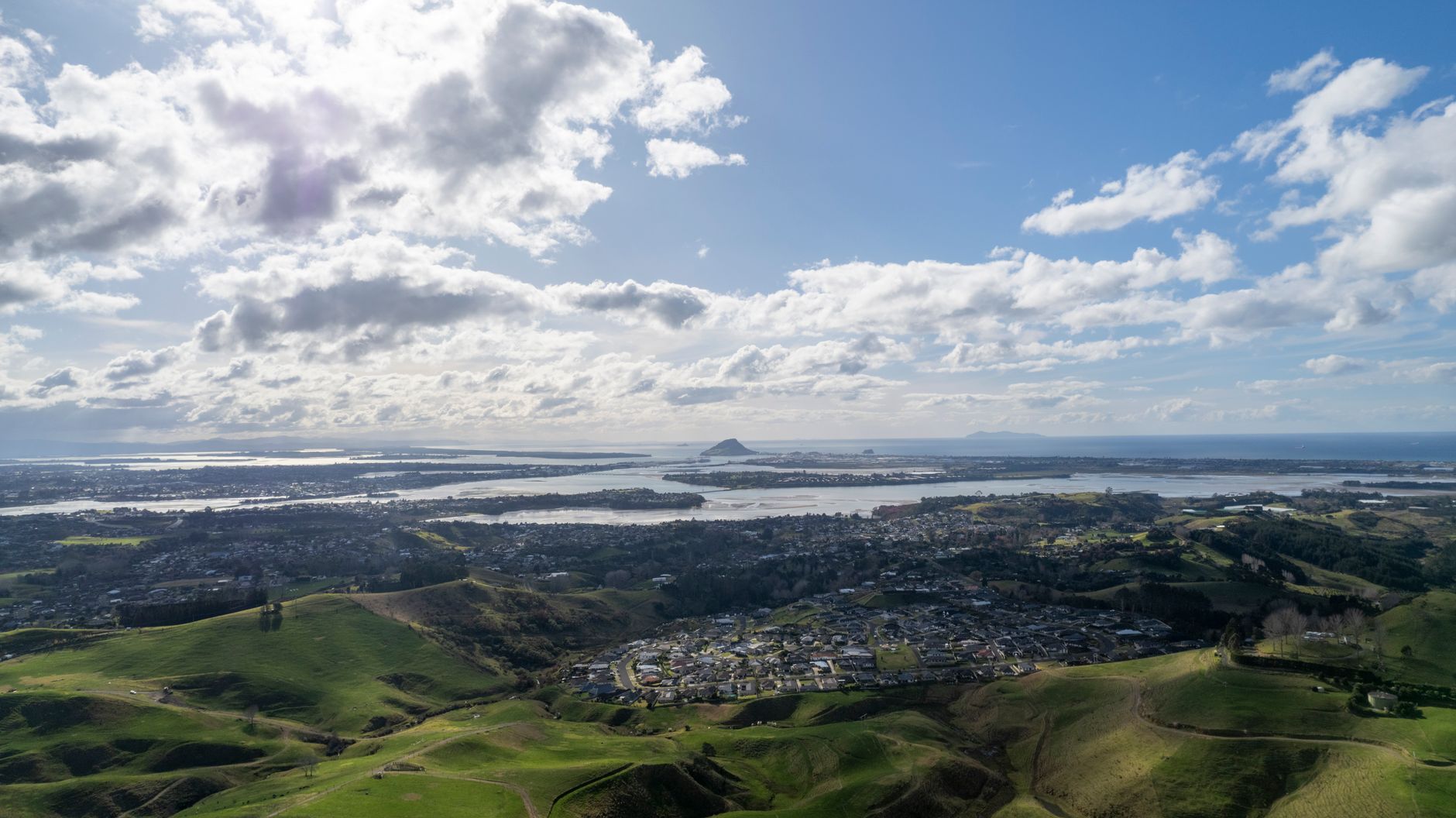
Timaru faces the east coast of the South Island, in the Canterbury region. Its Māori name, Te Tihi-o-Maru, evokes the peak of Maru, a reference to local tradition that still resonates in how its people understand the territory. The port, though modest, has for generations been the entry point for fresh fish, seafood and produce later distributed across the region.
Timaru’s cuisine cannot be understood without that maritime connection. Blue fish, green-lipped mussels and seasonal shellfish appear on domestic tables with a frequency that surprises outsiders. There is no fuss: there is produce and respect for its origin.
That relationship with the sea is not decorative. It shapes working hours, the vocabulary of the kitchen and the way seasons are marked. When the boats come in, the city notices. When weather keeps them ashore, the menu changes. This is a place where the ocean is not a backdrop but a calendar.
The market as a social thermometer
The farmers’ markets held in Timaru, especially on weekends, work as a thermometer of local life. Farmers from surrounding areas, bakers who knead at dawn and fishmongers who know their customers by name all cross paths there. Conversation matters as much as the purchase.
In Timaru, going to the market is not a chore: it is a form of belonging. The pantry is filled, but the ties that sustain a small community are also reinforced.
The offer reflects seasonality with an honesty that has been lost in big cities. In summer, stone fruit and leafy greens abound; in winter, roots, cabbages and citrus imported from warmer zones. Nothing is forced. The calendar rules.
For a visitor, the market is also an entry point to local etiquette. Asking about provenance is welcomed, but rushing is not. Vendors expect conversation, and regulars expect patience. Learning to queue, to greet and to listen is part of the experience, and it costs nothing.
Neighbourhood bread: the yeast of the everyday
If one food unites Timaru, it is bread. Local bakeries, many family-run, maintain traditional methods that combine New Zealand flours with long fermentation times. The result is a loaf with a firm crust and generous crumb, designed to accompany simple meals.
This is not a competitive artisanal bakery scene, but a discreet and constant service. Bread is bought daily, shared at the table and used to the last slice. That no-waste ethic is perhaps the most valuable lesson Timaru offers visitors.
Bread also reveals something about domestic rhythms. It is rarely a luxury item here; it is infrastructure. It accompanies soup, absorbs sauces, becomes toast in the morning and crumbs for birds in the afternoon. In a small city, nothing is thrown away without thought, and bread is the clearest example of that quiet economy.
Māori heritage on the plate
The Māori presence in the Canterbury region adds a layer of depth that often goes unnoticed. Although Timaru is not a hub for hāngī (the traditional earth-oven cooking method), culinary practices do exist that honour indigenous ingredients: kūmara (sweet potato), seasonal vegetables and fish prepared with simple techniques.
Recognising that heritage is not a folkloric gesture. It is understanding that contemporary New Zealand cuisine rests on a cultural base that predates European colonisation. Naming it is part of responsible tourism.
Visitors who approach this heritage with curiosity, rather than consumption, find a different kind of hospitality. Learning the Māori name of the place, Te Tihi-o-Maru, and understanding its meaning is a small but meaningful way to acknowledge that the table was set long before the arrival of the first European settlers.
From sea to table without stops
Small-scale fishing still carries weight in Timaru. Blue cod, moki and butterfish are among the species that appear on local menus, always subject to season and sustainability quotas. Fishmongers know the closures and respect them, because they know their business depends on a sea that cannot be exhausted.
For visitors, this translates into an honest culinary experience: dishes that do not hide the product under complex sauces, but enhance it with butter, lemon and fresh herbs. Timaru’s cooking does not compete for innovation; it competes for coherence.
That coherence extends to the way fish is sold and cooked. Fillets are cut to order, frames are used for stock, and nothing is wasted. Asking for a recommendation at the counter is normal, and the answer often depends on what came in that morning rather than on a fixed menu.
Eating in Timaru: tables without pretence
The city’s dining scene is divided between neighbourhood cafés, pubs with market cuisine and family restaurants that have been in the same place for decades. There is no fine-dining scene chasing stars, but there is a consistency that rewards those who stay more than one night.
Breakfasts are generous, with free-range eggs, local bread and New Zealand-roasted coffee. Dinners tend toward the comforting: fried fish, slow roasts and fruit desserts. Hospitality is not announced: it is practised.
What stands out is not a signature dish but a rhythm. Meals are not rushed, tables are not turned quickly, and conversation is part of the service. For a traveller used to efficiency, this can feel slow at first. For anyone willing to adjust, it becomes the most memorable part of the stay.
Architectural heritage and culinary memory
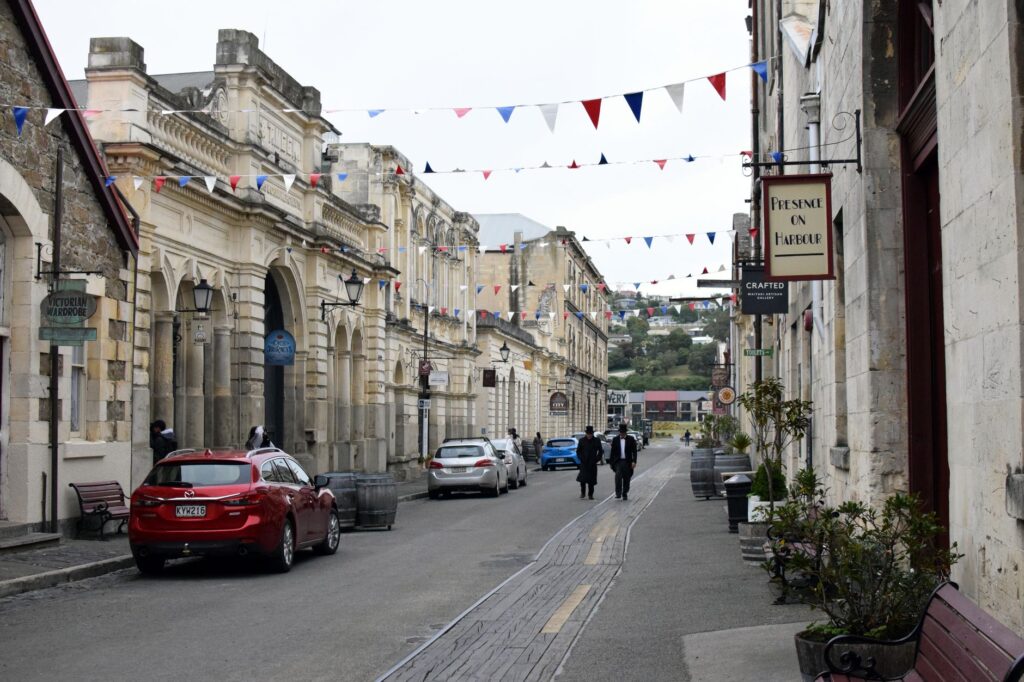
Central Timaru preserves Victorian and Edwardian buildings that house some of the city’s most beloved spots. Walking down Stafford Street or George Street is to travel through a commercial history that still beats in bakery windows and butcher counters.
That architecture is not a backdrop: it is the frame where daily life unfolds. Protected buildings force businesses to adapt to existing spaces, which often results in small, warm and characterful venues. The city has not surrendered to the franchise.
This has a practical consequence for visitors. Because venues are small, capacity is limited and opening hours can be shorter than in larger cities. Planning around local rhythms, rather than against them, is the best way to avoid disappointment and to support businesses that keep the centre alive.
Responsible choices for visitors
Travelling to Timaru with a culinary eye involves some simple but significant decisions. Buying at local markets, choosing seasonal fish, avoiding waste and respecting the rhythms of a small community are gestures that make a difference.
It is not about giving up pleasure, but understanding that pleasure, in a place like this, is tied to the sustainability of what is consumed. Eating well here also means eating with care.
Responsibility also means asking before assuming. Asking whether a fish is local, whether a vegetable is in season or whether a bakery uses local flour is not intrusive; it is a sign of respect. In a community of this size, those questions are usually answered with patience and pride.
Practical guide
When to go: Austral spring and summer (October to March) offer the greatest variety of fresh produce and milder weather for walking the city. Winter is quieter and allows you to experience comfort food in its most authentic form.
Where to shop: Weekend farmers’ markets are the best starting point. Bakeries and fishmongers in the historic centre keep stable hours and offer personalised service.
What to try: Fresh seasonal fish, local sourdough bread, roasted kūmara and stone-fruit desserts in summer. New Zealand green-lipped mussels are a classic that rarely disappoints.
Getting around: Central Timaru is compact and walkable. To explore the surroundings and rural areas, a car is the most practical option.
Responsible tip: Ask where your food comes from, respect fishing closures and avoid food waste. In a small community, every decision counts.
A closing with the taste of home
Timaru does not aspire to become a pilgrimage culinary destination. Its proposal is different: to offer a culinary experience that resembles real life. Here, food is an everyday language that speaks of sea, land, memory and community.
Visitors seeking spectacular dishes may leave feeling they did not find what they expected. But those who sit at the table without hurry, who buy at the market and listen to conversations, will discover something more valuable: a way of eating that needs no adornment to be memorable.