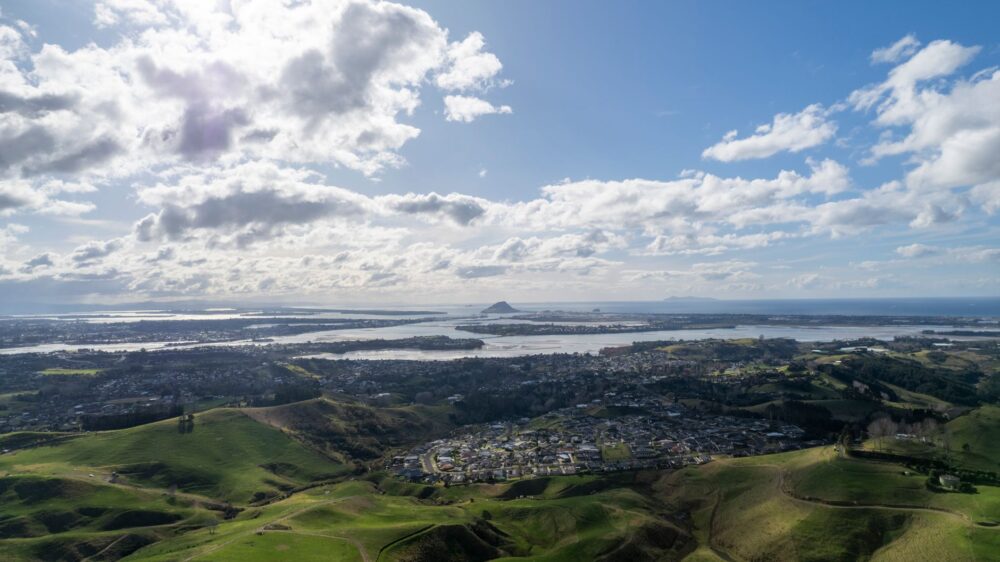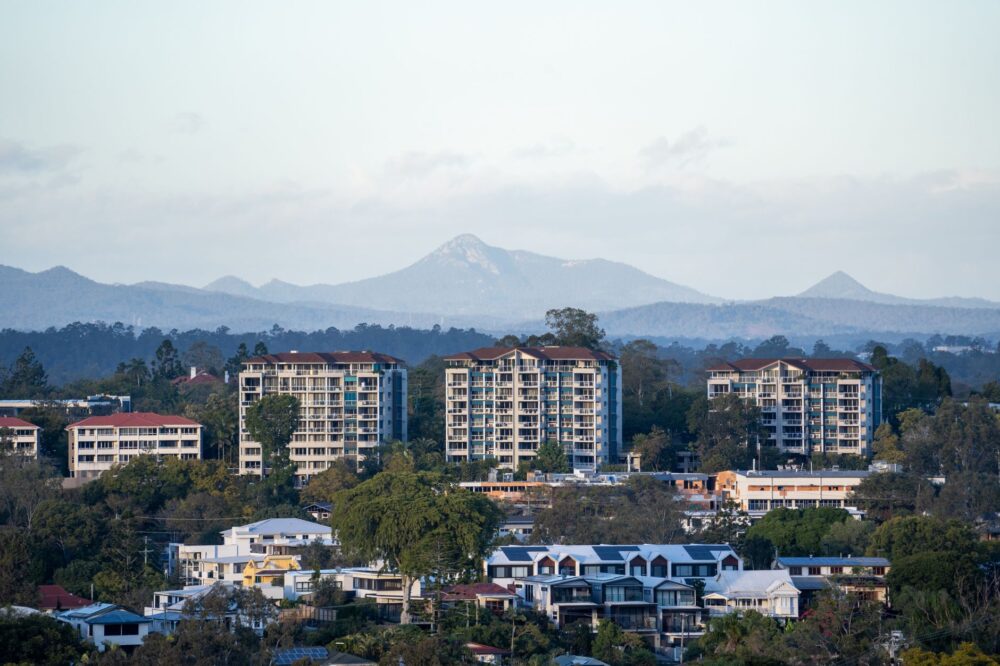

Blenheim, in the Marlborough region, is internationally known for its wines, especially Sauvignon Blanc. But beyond the wineries, the city hosts a vibrant cultural life that reflects the history and identity of New Zealand. With a population of nearly 30,000, Blenheim is the gateway to the Marlborough Sounds and a prosperous agricultural center. In recent years, local artists and cultural managers have worked to weave a narrative that goes beyond viticulture, integrating Māori heritage and European legacy into a contemporary story.
This report explores how Blenheim balances its rural identity with a growing artistic offering, and offers keys for visitors to discover the city with a responsible and curious eye.
A landscape shaped by rivers and vines
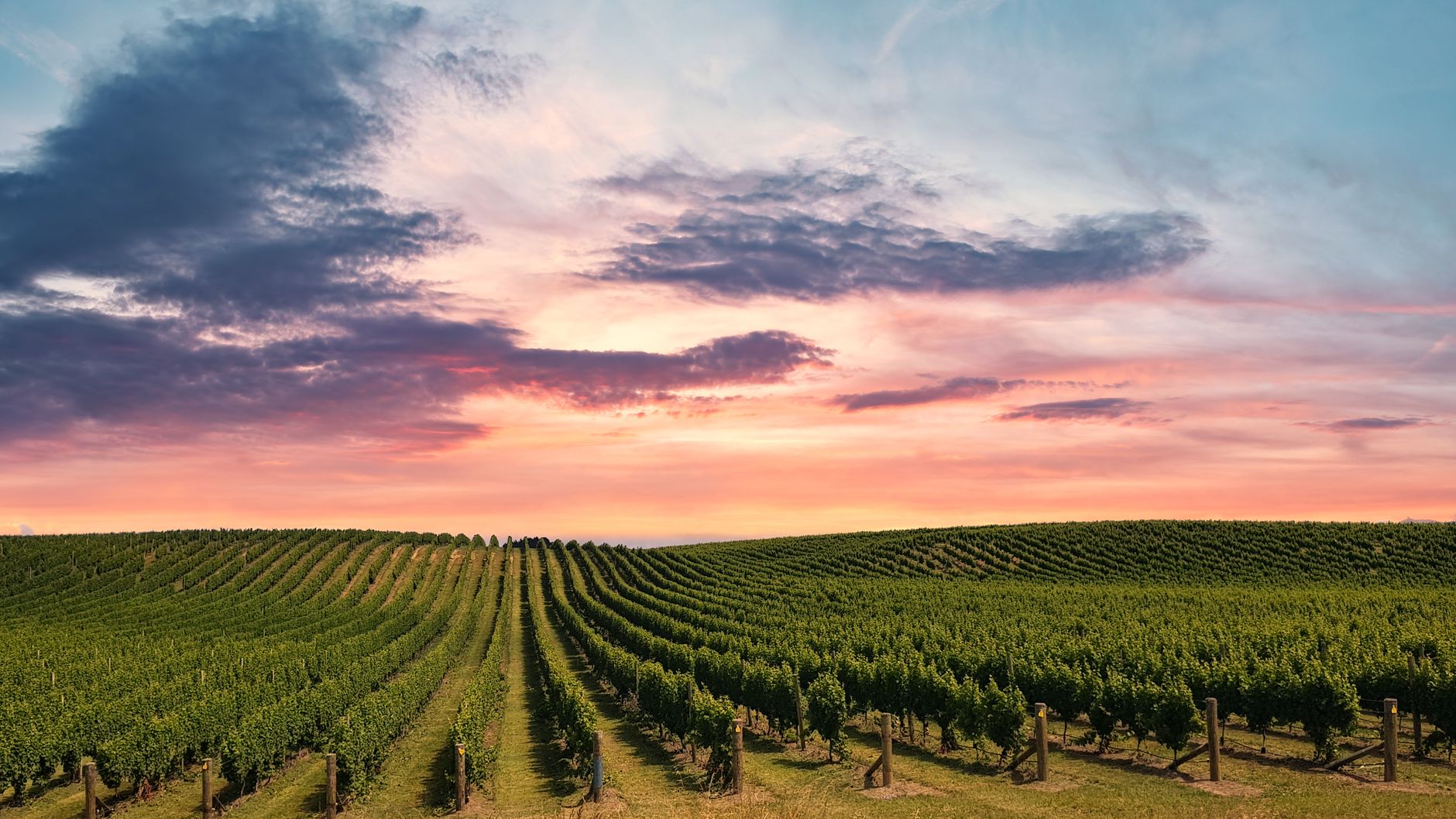
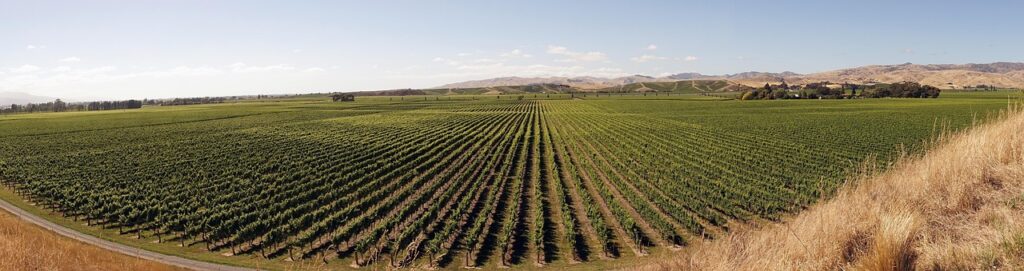
Blenheim sits on the Wairau Plain, between the river of the same name and the hills that announce the Marlborough Sounds. The sunny climate and alluvial soils have made this area one of the most important wine regions in the southern hemisphere. But before the vines, this land was crucial for Māori iwi, particularly Ngāti Rārua and Rangitāne, who used the river as a trade route and food source.
The Māori name for Blenheim is Waiharakeke, which translates as «waters of the flax plant.» Flax (harakeke) was essential to Māori life: its fibers were woven into nets, baskets, and clothing. Today, the name is preserved in local memory and in some public spaces, recalling the deep connection between the place and its first inhabitants.
The history of Blenheim does not begin with the vines, but with the river and the flax that sustained those who came first.
The art of telling local history
In central Blenheim, the Millennium Public Art Gallery is a reference point. Its collection includes works by New Zealand artists, with an emphasis on creators from the region. The gallery also organizes temporary exhibitions that address themes such as colonization, Māori identity, and landscape. It is a free space that invites reflection on how collective memory is built.
Nearby, the Marlborough Museum houses exhibitions on the natural and human history of the region. Its collection of Māori artifacts, such as stone tools and carvings, highlights the sophistication of Polynesian cultures. The museum also documents the arrival of Europeans and the development of the wine industry, offering a complete picture of the transformation of the territory.
The local art scene extends to artists’ studios and independent galleries. Many creators are inspired by the natural environment: the colors of the Wairau River, the dawn light on the hills, and the texture of stone. Others explore traditional Māori techniques, such as wood carving or weaving, fusing them with contemporary languages.
Wineries with soul: wine, art, and landscape
Marlborough wineries are not just places to taste wine; many have incorporated art as part of their identity. Several estates exhibit outdoor sculptures, and some commission labels from local artists. The experience of visiting a winery combines the vineyard landscape with the possibility of appreciating artworks in a unique setting.
One example is the wine trail that runs through the Wairau Valley. There, visitors can find everything from large producers to small family wineries. In many of them, art is integrated into the architecture: from gardens designed with sculptural criteria to tasting rooms that function as temporary galleries. It is advisable to check schedules and guided tours, as offerings vary by season.
Beyond wine, the region produces other artisanal products, such as olive oil, honey, and cheese. These are also part of the local identity and can be found in markets and specialty shops.
Architecture and public spaces: the imprint of a community
Central Blenheim preserves colonial-era buildings, many of them restored. St Andrew’s Church, in neo-Gothic style, is an example of 19th-century religious architecture. The old town hall and post office building, now housing offices and shops, also stand out. The street layout is orderly, with wide avenues and tree-lined squares.

Seymour Park is the city’s green lung. In addition to gardens, it has a greenhouse and a small zoo. In summer, it becomes a stage for concerts and cultural events. Market Place is another meeting point, with cafes and restaurants that reflect daily life.
Modern architecture has also left its mark. The Te Kahu o Waipuna arts and culture center (if its existence is confirmed) could be a multipurpose space, but it is important to verify. In any case, the city is evolving, and new projects seek to integrate contemporary design with respect for the environment.
Daily life: markets, cafes, and local rhythms
Blenheim has a slow pace, typical of a provincial city. On weekends, the Farmers’ Market brings together local producers offering fruits, vegetables, breads, and crafts. It is a good place to try the region’s gastronomy and chat with residents.
The cafes in the center are meeting points with a cozy atmosphere. Many serve specialty coffee and homemade pastries. The food offering includes everything from contemporary New Zealand dishes to Asian cuisine, reflecting the country’s cultural diversity.
For visitors interested in Māori culture, there are experiences such as marae (community centers) that offer guided visits, although it is essential to do so with respect and through authorized operators. The best way to approach Māori culture is by participating in activities organized by the community itself, such as weaving workshops or storytelling.
Marlborough Sounds: nature and heritage
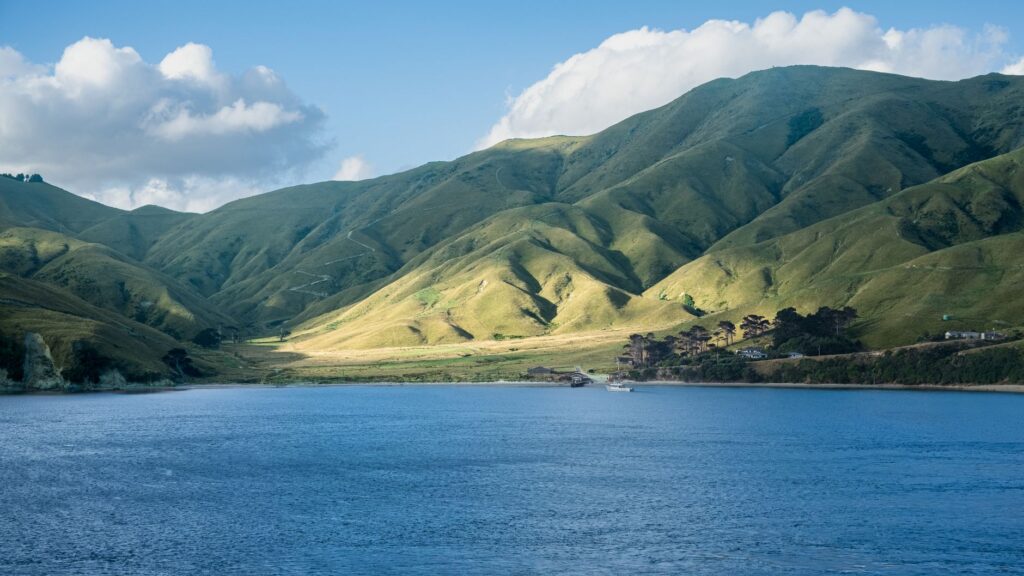
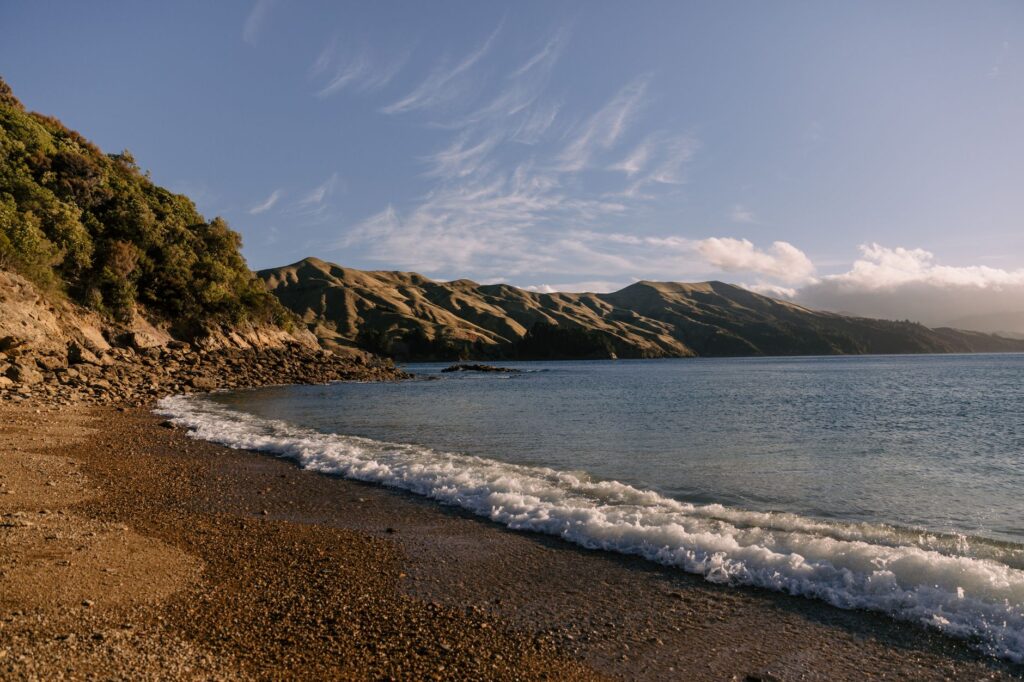
A short distance from Blenheim, the Marlborough Sounds are a maze of bays, inlets, and peninsulas. This natural environment is ideal for hiking, sailing, and birdwatching. The Queen Charlotte Track is one of the best known, covering 71 kilometers of coastal landscapes.
In the Sounds, there are also Māori archaeological sites, such as ancient settlements and places of spiritual significance. It is crucial to visit them with local guides who explain their meaning and help preserve them. Conservation is a priority in New Zealand, and visitors must follow established rules, such as staying on trails and not leaving waste.
Visitor responsibility: how to travel with respect
Blenheim and Marlborough receive a growing number of tourists, especially attracted by wine. To ensure a positive impact, it is recommended to:
- Support local businesses: buy at markets, hire local guides, and choose accommodations managed by residents.
- Respect the natural environment: do not leave trash, do not disturb wildlife, and follow trail signs.
- Approach Māori culture with respect: participate in authentic experiences, avoiding appropriations or stereotypes.
- Learn about history: read about the Māori and colonial past before visiting heritage sites.
The city offers an opportunity to understand how a rural community can integrate its heritage with tourism without losing its essence.
Practical guide
How to get there: Blenheim has Woodbourne Airport, with domestic flights from Auckland, Wellington, and Christchurch. You can also arrive by bus or ferry from Wellington to Picton, and then by car or bus to Blenheim (about 30 minutes).
When to go: The best time is from October to April, when the weather is warmer and drier. Summer (December to February) is high season, with more events and winery visits. Autumn (March to May) offers golden landscapes and fewer crowds.
What to bring: Comfortable clothing, sunscreen, a hat, and walking shoes. If visiting the Sounds, insect repellent and warm clothing are recommended.
Where to stay: Options range from boutique hotels to motels and campgrounds. Central Blenheim is convenient for exploring on foot, while the surroundings offer charming rural accommodations.
What to visit: In addition to the wineries, don’t miss the Millennium Public Art Gallery, the Marlborough Museum, Seymour Park, and the Marlborough Sounds. For art lovers, it is worth researching local artists’ studios and independent galleries.
Cultural tips: Learning a few words in Māori (such as kia ora for hello) is well received. When visiting a marae, local protocol should be followed, which may include removing shoes and not touching carvings without permission.
A closing with a taste of the future
Blenheim is a city that looks forward without forgetting its past. The combination of vineyards, art, and natural heritage make it a unique destination. For the traveler seeking more than a wine trail, Blenheim offers a window into New Zealand identity: a mix of Māori traditions, European heritage, and a community that values its environment. Visiting it leaves you not only with the memory of good wine but with the impression of a place where culture is cultivated with the same dedication as the vines.