
On Portugal’s Atlantic coast, some 70 kilometres south of Porto, Aveiro unfolds over a tranquil lagoon that the city has learned to tame without losing respect for it. Known as the Portuguese Venice for its canals and bridges, the capital of the homonymous district is much more than a postcard for tourists: it is an urban laboratory where the ria sets the rhythm of life, ceramics tell centuries of history, and residents negotiate daily with the water that shaped them.
With a population of around 80,000, Aveiro has turned its status as a mid-sized city into an advantage. It is neither Lisbon nor Porto, and that allows it to preserve a human scale where neighbours recognise each other, markets smell of fresh fish, and decisions about heritage are often made just a few metres from where people live.
A city built on water
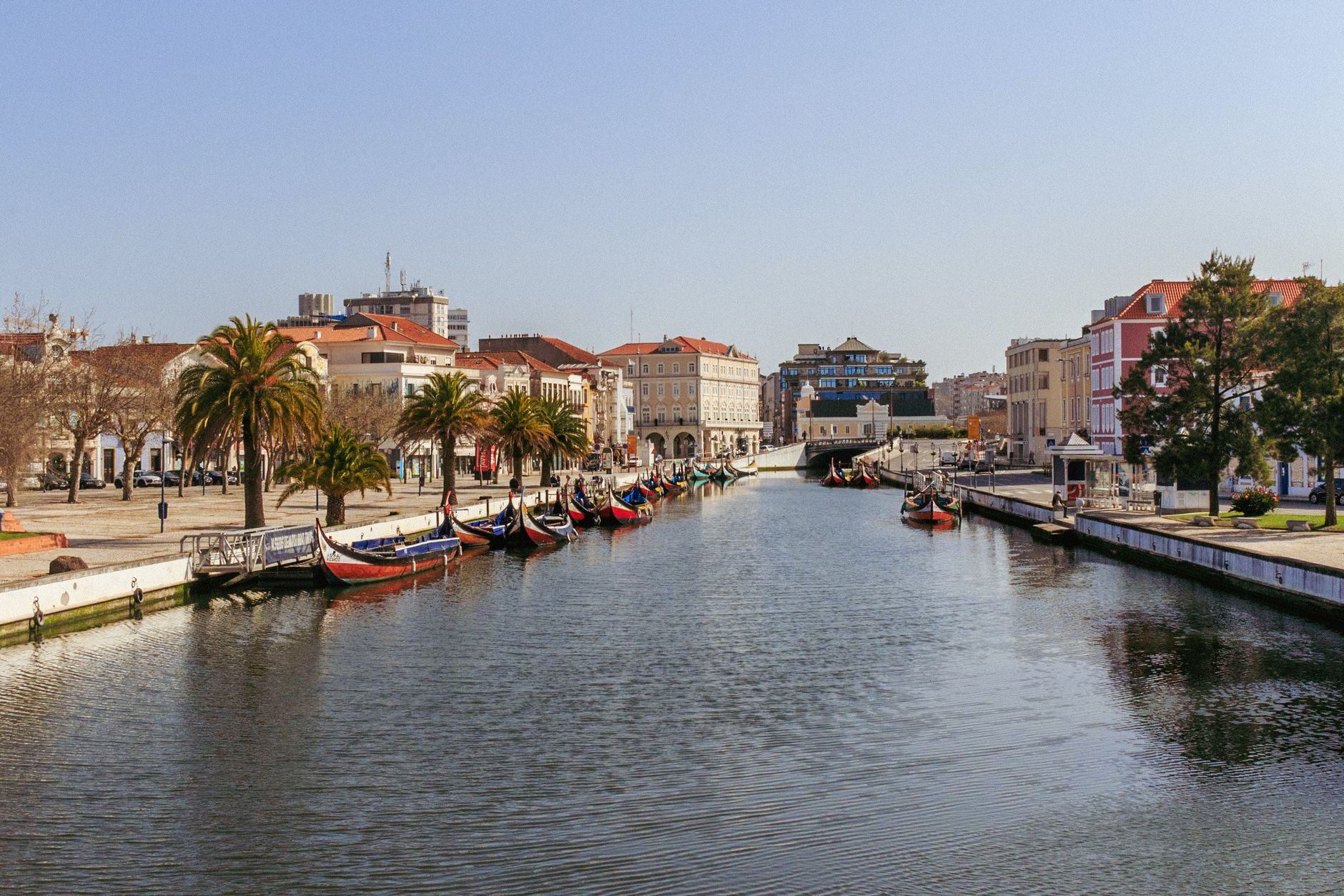
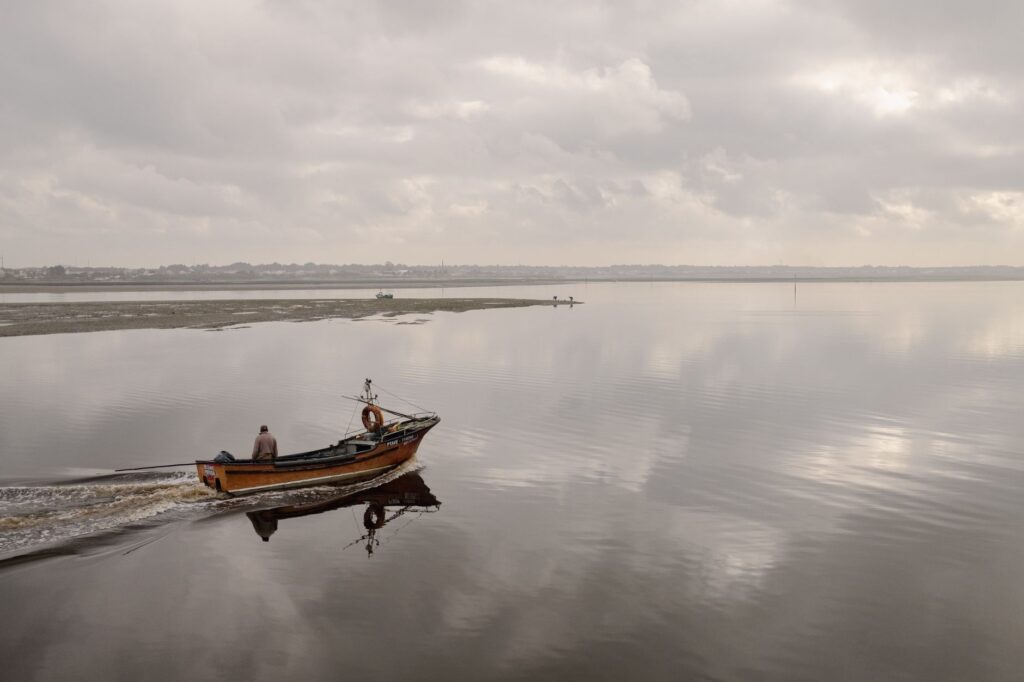
The Ria de Aveiro is not a backdrop: it is the geographic and economic heart of the region. This coastal lagoon, stretching some 45 kilometres parallel to the ocean and separated from the sea by a sandbar, has for centuries been the engine of fishing, salt extraction and maritime trade. Today, its urban canals remain navigable and structure entire neighbourhoods.
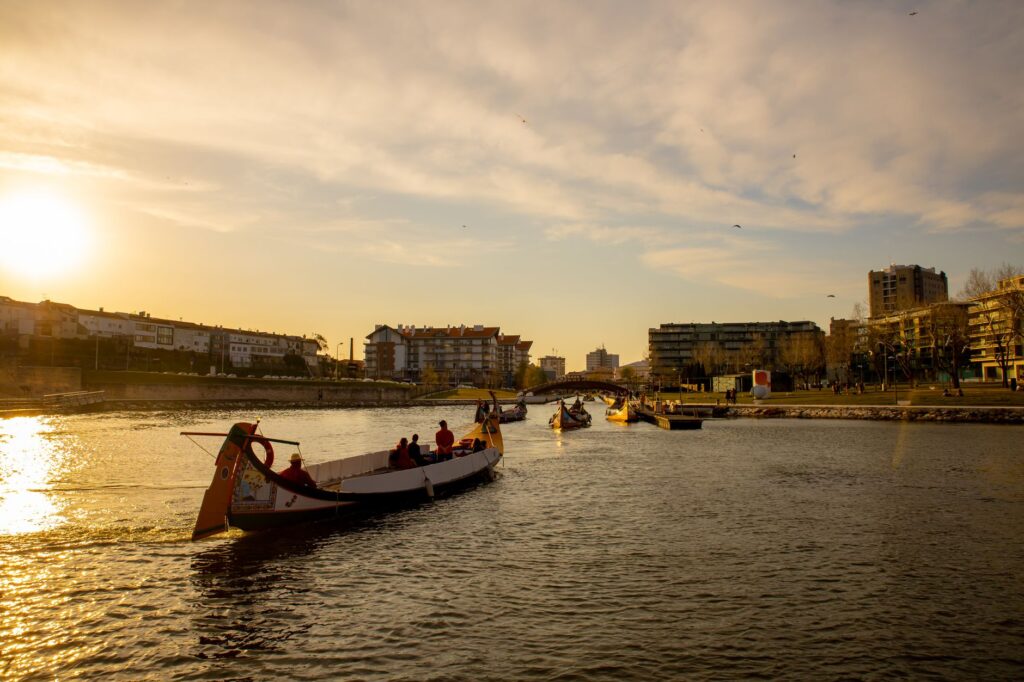
The Central Canal, which crosses the historic centre, is the axis where old salt warehouses now house restaurants, shops and cultural spaces. The moliceiros, traditional boats once used to collect seaweed for fertiliser, have become the city’s tourist symbol. Their prows, painted with colourful satirical scenes, are a testament to Portuguese popular humour and imagination.
«The ria is not a landscape: it is a way of life that forces us to think of the city horizontally, always in relation to the water,» explains a resident of the Beira-Mar neighbourhood as she watches the boats come and go.
Beyond the centre, the lagoon fragments into secondary canals, islands and marshes that harbour remarkable biodiversity. The Aveiro salt pans, some still active, produce salt of recognised quality and offer a landscape of white geometries that changes with the light.
The ceramics that shape an identity
If water defines the geography, ceramics define the character. Aveiro has been one of Portugal’s most important pottery centres since the 19th century. The Vista Alegre porcelain factory, founded in 1824 in nearby Ílhavo, marked a turning point in national production, but it was in Aveiro that a distinct school emerged, linked to Art Nouveau architecture and facade decoration.
The Aveiro Museum, housed in the former Jesus Convent, holds a collection tracing the city’s history from medieval pottery to 20th-century industrial pieces. But the tradition does not live only in museums: workshops such as that of the Ferreira da Silva family, active for generations, still produce tiles and utilitarian earthenware sold in local markets.
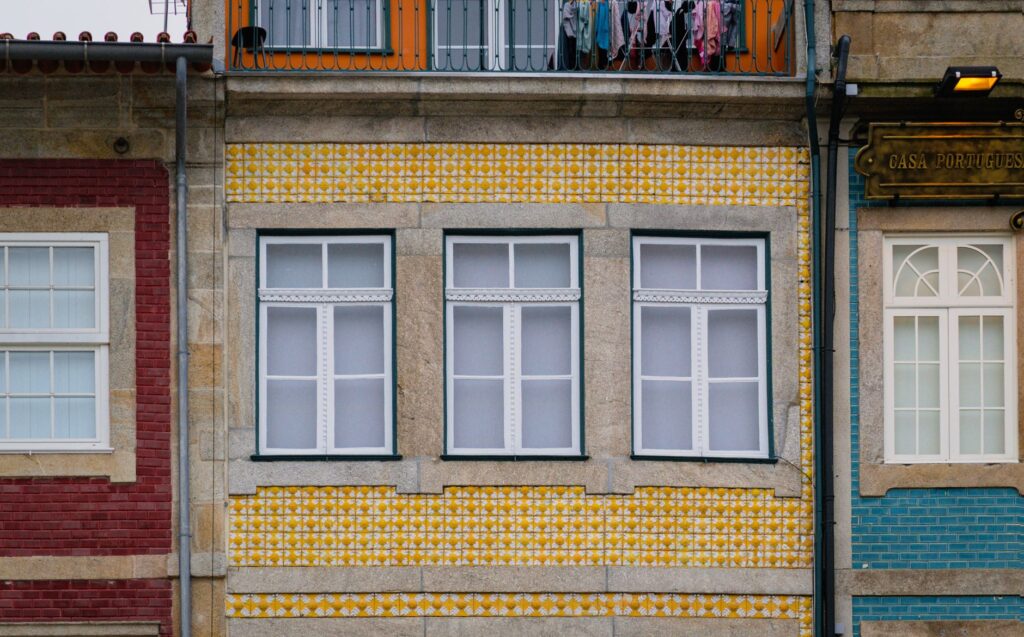
Walking through the Beira-Mar neighbourhood reveals facades covered in tiles that narrate everyday scenes: fishermen, boats, flowers and geometries. They are not mere ornaments; they are a way of telling the city to those who inhabit it and those who visit.
The market as a social thermometer
The Aveiro Municipal Market, next to the Central Canal, is much more than a place to shop. It occupies a 19th-century iron and glass building and functions as a thermometer of local life. Early in the morning, fishermen unload the day’s catch; at midday, greengrocers offer produce from nearby gardens; in the afternoon, the building becomes a meeting place and occasionally a venue for cultural events.
The relationship between the market and the ria is direct. The Aveiro fish auction, one of the busiest in northern Portugal, daily auctions fish and seafood that then reaches the city’s restaurants. This short chain, linking water to table, is one of the traits locals value as a mark of identity.
«Here it’s not just about selling fish; it’s about maintaining a way of life that goes back centuries,» says a market vendor as he arranges the day’s catch.
Art Nouveau heritage and university life
Aveiro experienced an architectural flowering between the late 19th and early 20th centuries, when the local bourgeoisie, enriched by maritime trade and the ceramics industry, commissioned houses and public buildings in Art Nouveau style. The Art Nouveau Museum, housed in a restored house, documents that period and explains how the city adopted its own decorative language, with tiles, wrought iron and stained glass.
The arrival of the University of Aveiro in 1973 changed the city’s demographic and cultural profile. Today, thousands of students from across Portugal and abroad live alongside a local population that has learned to integrate them. Cafes, libraries and cultural spaces thrive on that mix, which has revitalised entire neighbourhoods without erasing their original character.
That coexistence is not without tensions. Rising tourist rentals and pressure on the historic centre are recurring topics in neighbourhood conversations. Local associations are calling for policies that protect permanent housing and prevent Aveiro from becoming an empty stage outside the season.
The ria as a space for work and leisure
The relationship of Aveiro’s residents with the ria is ambivalent. For generations, the lagoon was a source of livelihood but also an obstacle: periodic flooding forced canal dredging and the construction of defences. Today, the ria is also a leisure space: boat trips, cycling routes along its banks and birdwatching in the marshes.
Moliceiro rides, though highly touristy, remain a way to understand the city from the water. The guides, many born in Aveiro, explain the history of the canals and point out the most emblematic buildings, but also warn of the ecosystem’s fragility. Pollution and urban pressure are risks the community knows well.
Lagoon and sea cuisine
Aveiro’s cuisine reflects its dual maritime and lagoon condition. Bacalhau, in its many preparations, shares the spotlight with fresh fish from the ria: eels, sea bass, sea bream and shellfish such as cockles. Ovos moles, a traditional sweet made with egg yolk and sugar, is the most emblematic dessert, sold in convents and pastry shops in the centre.
Restaurants in the Beira-Mar neighbourhood offer menus combining tradition and local produce. It is not hard to find dishes named after the city or its canals, a way of asserting identity through the table. Aveiro salt, extracted from nearby salt pans, has become a fashionable ingredient in Portuguese haute cuisine, giving new impetus to a trade that was on the verge of disappearing.
Responsible choices for visitors
Visiting Aveiro respectfully means recognising that it is not a theme park. A few guidelines help make a stay have a positive impact:
- Stay in local establishments and avoid tourist flats that push residents out of the centre.
- Spend in markets and neighbourhood shops, where money circulates within the community.
- Respect the natural spaces of the ria, avoiding noise and waste in marsh areas.
- Engage with history and heritage through museums and guided tours run by local organisations.
- Travel outside high season to reduce pressure on the historic centre and enjoy a more authentic city.
Practical guide
Aveiro is accessible by train from Porto (about 60 minutes) and from Lisbon (around two and a half hours). The railway station is a short distance from the centre, making it easy to get around on foot. The nearest airport is Porto, with domestic and international connections.
The best time to visit is spring and early autumn, when temperatures are mild and the light on the canals is especially favourable for photography. Summer attracts more visitors but also offers a more intense cultural agenda, with festivals and outdoor activities.
To explore the ria, there are traditional boat trips and cycling routes along the banks. It is advisable to check with the local tourist office for schedules and options, as availability can vary by season. Restaurant prices are moderate compared to other Portuguese cities, though it is wise to book at the best-known establishments.
The currency is the euro and the official language is Portuguese, though English is spoken in the tourism sector and, to a lesser extent, Spanish and French. Comfortable shoes are recommended, as the historic centre has cobbled streets and some uneven ground.
A closing by the water
At sunset, when light reflects on the canals and the moliceiros return to their moorings, Aveiro recovers a slow rhythm that contrasts with the bustle of the day. Residents stroll along the banks, fishermen check their nets and the first lamps light up over the water. At that moment, the city is not a tourist destination: it is a place where daily life and heritage intertwine effortlessly, reminding us that Aveiro’s true value lies in its ability to remain itself while opening its doors to the world.