
There is an idea of travel that reduces it to a series of kilometers, selfies, and passport stamps. But travel, when done with attention, is a form of learning that returns us to the essential: the awareness that we are passing through, that every territory has a memory, and that hospitality is a language learned by listening. At Atlas Lume we believe that travel is not an escape, but a way of coming home with wider eyes.
Home as a Point of Departure
You cannot travel well without a place to leave from. Home is not a prison or a burden: it is the base that allows us to look at the world without fear. When we leave our house, we carry with us a silent grammar: the smells of the kitchen, the light at certain hours, the sound of a familiar street. That grammar does not disappear; it becomes the filter through which we interpret the new. Traveling is not erasing that filter, but enriching it.
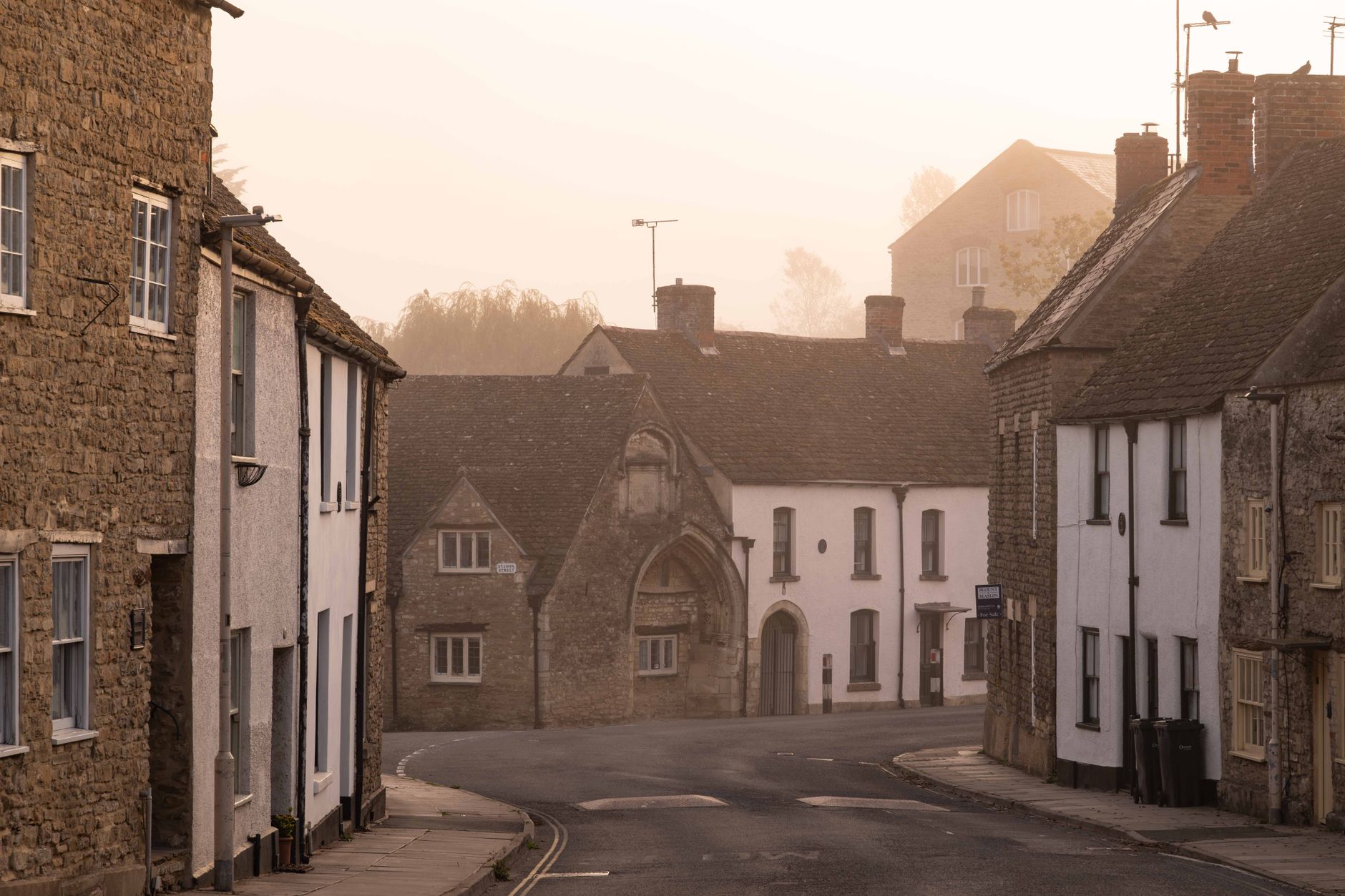
I have known travelers who return to their city and discover details they had never seen. It is not that the place has changed, but that they have. Distance works as a developer: the everyday becomes strange and, for that very reason, valuable. Travel teaches us to look at our own home as if for the first time.
Territories That Inhabit Us
Every territory has a way of being in the world. In some places, time is measured by seasons and harvests; in others, by the rhythm of tides or hours of light. Learning to read those rhythms is one of the deepest lessons of travel. It is not about adopting them as our own, but about recognizing that other ways of organizing life exist.
Nature is not a backdrop. It is a teacher of patience and limits. When we walk through a forest, a desert, or a coast, we learn that not everything is at our disposal. The attentive traveler discovers that the landscape is not a stage for their enjoyment, but a living system with which they must negotiate their presence. That negotiation is the basis of an ethic of travel.
Cuisine as Living Memory
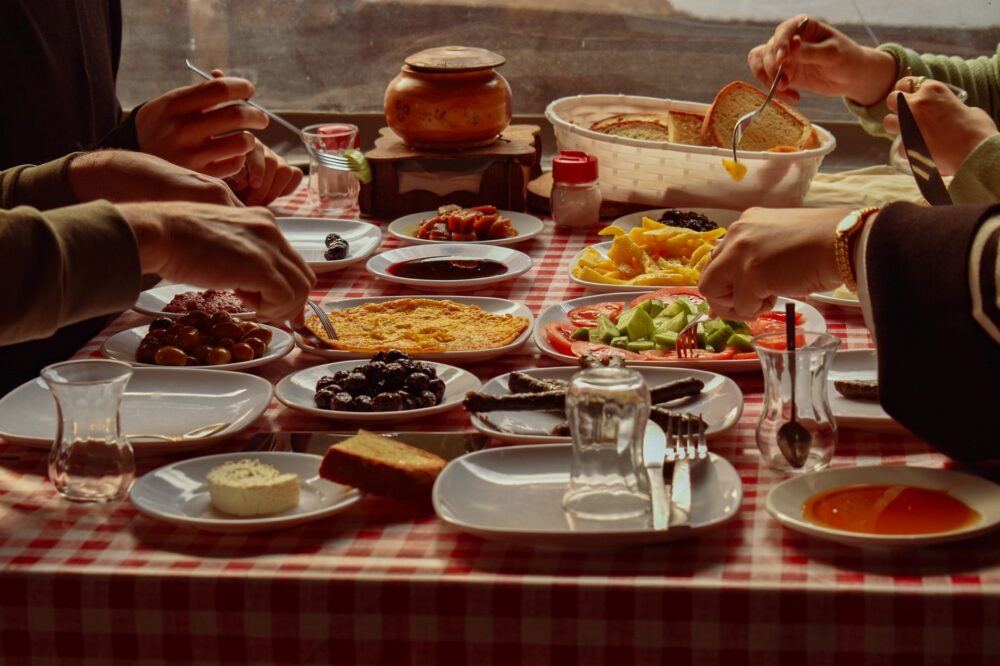
If there is a place where territory becomes body, it is the kitchen. Dishes speak of climates, migrations, family histories, and local economies. Sitting at a stranger’s table is one of the oldest acts of trust that exists. There is no need to invent experiences: it is enough to recognize that every recipe holds a piece of history.
Gastronomy is not an ornament of travel; it is one of its most direct forms of knowledge. Through what is eaten, one understands how the land is worked, how water is distributed, how festivals are celebrated. The traveler who eats with curiosity and respect discovers that cuisine is an open door to collective memory.
Hospitality: Giving and Receiving Without Noise
Hospitality is not a service; it is a pact. The host offers space, time, and attention. The guest accepts with gratitude and without demand. In that exchange there is no transaction, but recognition. True hospitality does not seek to impress; it seeks to make the other feel at home.
In a fast-paced world, hospitality has become a scarce good. That is why, when we find it, it marks us. We do not remember the luxury of a hotel, but the simplicity of a shared table, the patience of someone explaining a path, the generosity of a gesture without witnesses. That is the hospitality that travels with us and that, without realizing it, we learn to return.
The Responsibility of Looking
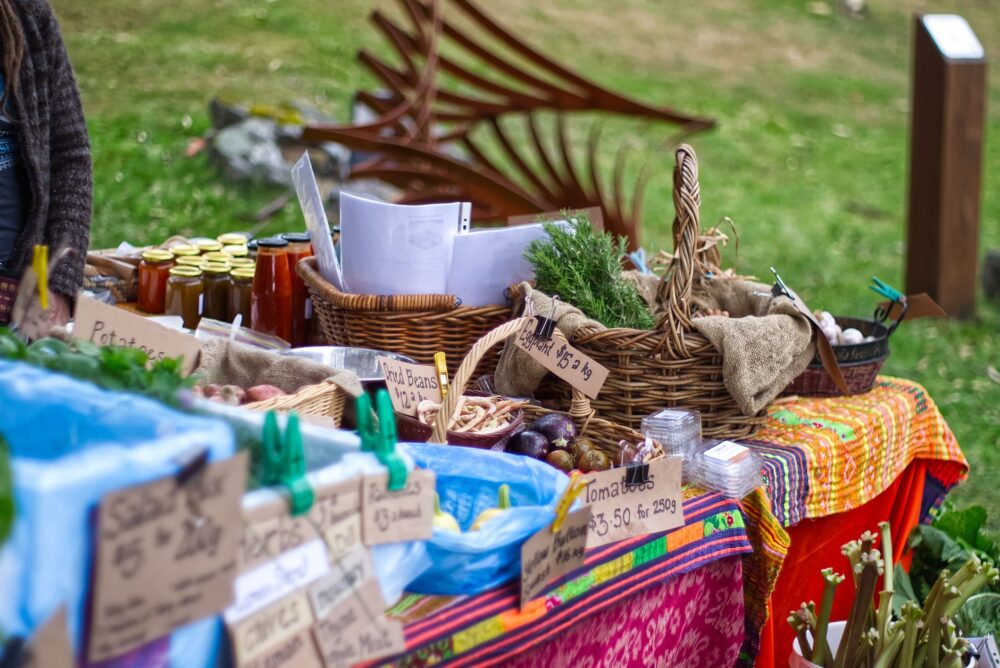
Traveling is not an unlimited right. Every displacement has an impact: on the climate, on local communities, on fragile ecosystems. It is not about renouncing travel, but about doing it with awareness. Choosing destinations well, respecting local rhythms, avoiding overcrowding, and supporting fair economies are concrete forms of care.
The traveler’s responsibility is not a sermon, but a practice. It begins by asking: What do I bring? What do I leave? How do I treat those who receive me? What do I learn and what do I give back? There are no unique answers, but the mere act of asking these questions changes the nature of the journey. It ceases to be a conquest and becomes a dialogue.
Return as Part of the Journey
Every journey has an after. The return is not the end, but the continuation. What we have seen challenges us: it makes us revise our habits, our consumption, our priorities. Sometimes, the greatest learning does not happen at the destination, but in the kitchen at home, when we try to reproduce a dish, or in a conversation with a friend to whom we tell what we lived.
Traveling is, in the end, a form of rootedness. It teaches us that belonging is not staying still, but knowing how to be. That one can love a place without possessing it. That home is not just a roof, but a network of affections and responsibilities. And that the world, with all its diversity, is also a common home that we must care for.
We do not travel to escape home, but to learn to inhabit it with more truth. The horizon does not take us away: it returns us to the essential.
May every journey, however small, make us better hosts and better guests. May the next time we pack our bags, we carry fewer certainties and more questions. And may we return able to recognize in the everyday that same wonder we seek far away. Because travel, when done with a wakeful heart, never ends: it stays with us, like a home we carry with us.