
Logan City does not appear on Australia’s postcards. It has no opera house, no iconic bridge, no golden surf beaches, though the Gold Coast is barely half an hour away by car. Yet with more than 345,000 residents according to geographic records, it is one of the fastest-growing cities in southeast Queensland and one of the country’s most misunderstood. Set between Brisbane and the coast, between motorways and wetlands, Logan is a territory of diverse neighbourhoods, modest shopping centres, sprawling parks and a rural memory that still breathes in its place names: Beenleigh, Springwood, Marsden, Loganlea, Shailer Park.
This report offers a slow journey through Logan City: its history, its daily life, its visible heritage and the choices a responsible visitor can make to understand it without reducing it to a headline. It is not a destination of grand monuments, but of textures: the sound of gum trees, the smell of fresh-cut grass, the passing of commuter trains and the coexistence of communities from around the world.
A city best read from the train
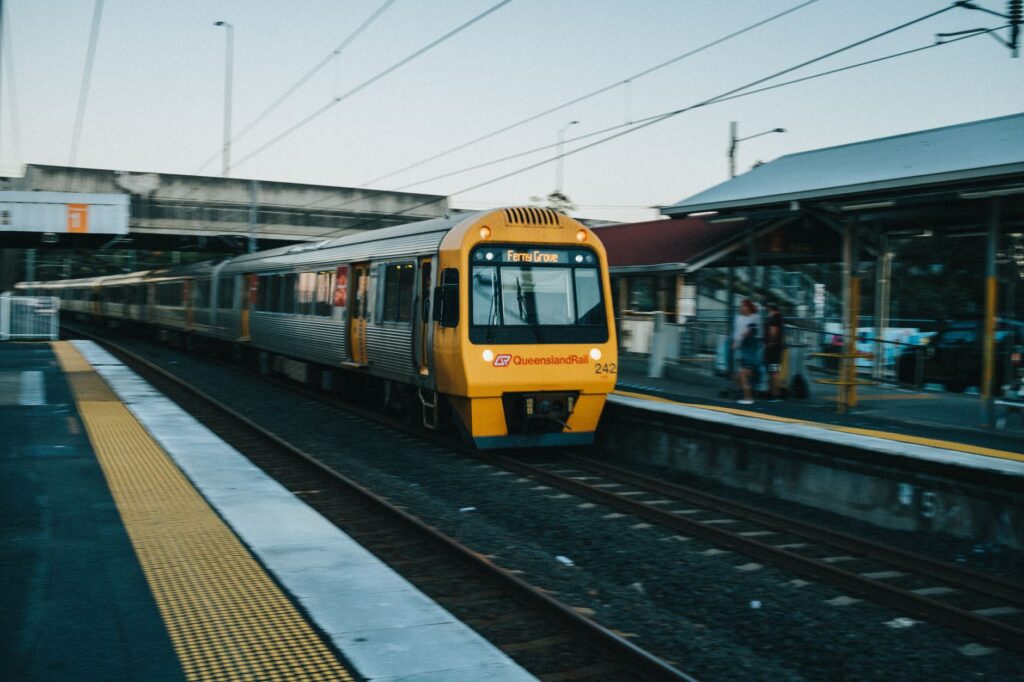
Logan City spreads across a gently undulating plain crossed by the Logan River and its tributaries. Its modern growth is tied to the railway lines linking Brisbane with the New South Wales border. The stations at Beenleigh, Loganlea, Kingston and Trinder Park shape the daily lives of thousands who work in Brisbane or on the coast and return each afternoon.
For visitors, the commuter train is the best way to read the city. From the window, residential neighbourhoods alternate with strips of vegetation, distribution centres and small businesses. There is no single historic centre, but several nodes: the Beenleigh town centre, with its timber architecture and wide streets; Springwood, with its library and parks; and the newer corridors where family homes and recent developments sit side by side.
Logan is not explored by hunting for a monument, but by learning to see how a contemporary Australian city organises itself around the train, the river and the gum tree.
The weight of a farming and railway past
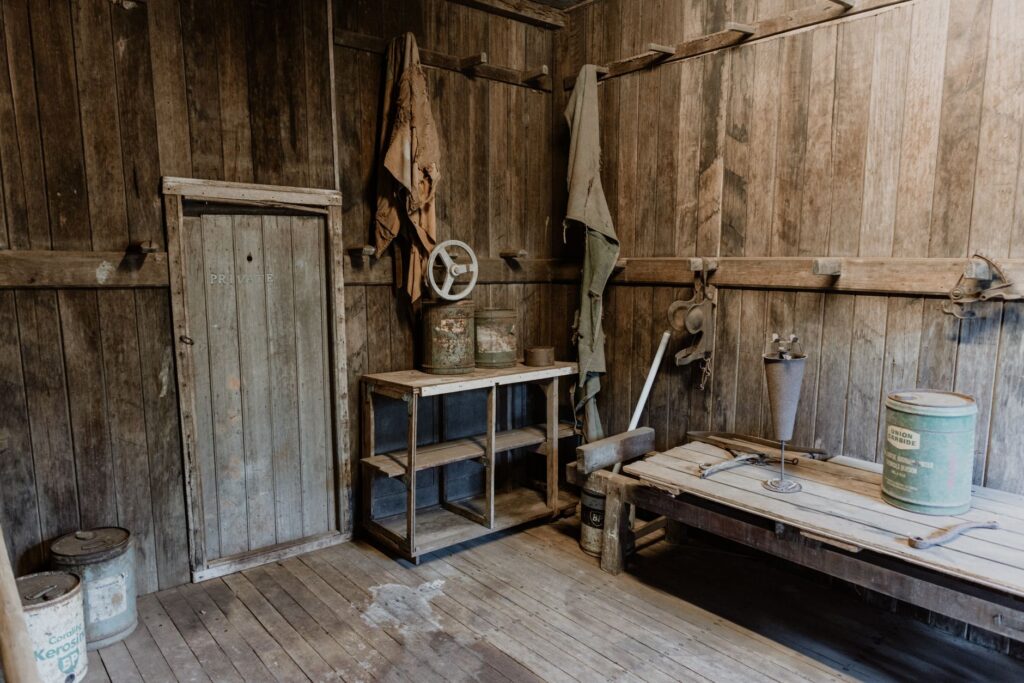
Before it became a city of suburbs, this area was farmland. Sugar cane, tobacco, fruit trees and small farms shaped the landscape for much of the twentieth century. The arrival of the railway in the late nineteenth century turned Beenleigh and its surroundings into a link between Brisbane and northern New South Wales. That heritage is still legible in street names, in timber houses raised on stumps and in signs recalling old stations and sidings.
Logan’s heritage is understated but real. Beenleigh’s church and public buildings, old warehouses turned to new uses and the bridges over the Logan River tell a story of adaptation. There are no grand museums, but local archives, historical societies and community centres keep alive the memory of pioneer families and of the Indigenous communities who lived on this land long before.
Recognising that past requires respect. The area is traditional country of the Yugambeh and Turrbal peoples, and several local initiatives work to make that presence visible. Visitors interested in history will find clues in cultural centres and urban parks: Logan did not emerge from nothing, but from layers of memory.
What people eat and where they shop
Logan’s food scene reflects its diversity. In the shopping centres of Springwood, Marsden and Logan Central, Australian bakeries sit alongside halal butchers, Asian greengrocers and Vietnamese, Indian, Polynesian and Latin American restaurants. This is not a fine-dining scene, but an everyday network of flavours feeding a multicultural population.
For visitors, a good strategy is to start with markets and small neighbourhood shops. On weekends, stalls appear with tropical fruit, dumplings, empanadas and Korean barbecue. Parks along the Logan River invite outdoor meals, with public tables and barbecues that fill with families. It is a simple, honest way to understand how life is lived here.
- Local bakeries with meat pies and savoury pastries.
- Vietnamese and Thai restaurants in neighbourhood shopping centres.
- Greengrocers and halal butchers in Marsden and Logan Central.
- Public barbecues in parks such as Berrinba or Daisy Hill.
Nature ten minutes from the motorway
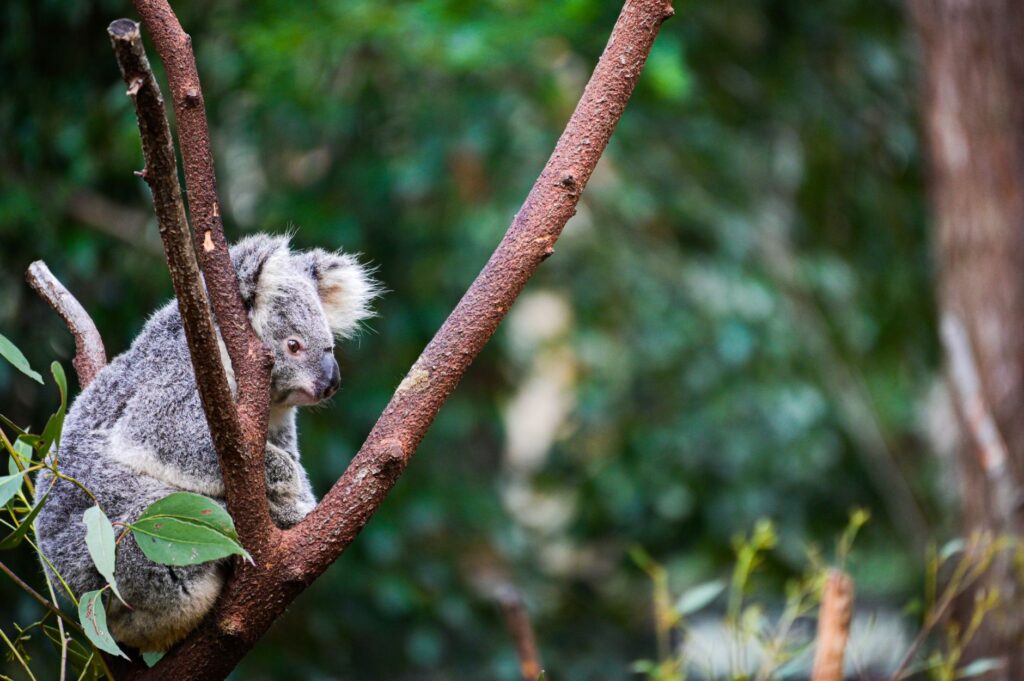
One of Logan’s most interesting contrasts is how quickly the asphalt gives way to forest. Daisy Hill National Park, on the city’s northern edge, protects a fragment of eucalyptus and melaleuca woodland where koalas, cockatoos and a wide variety of birds live. Its trails suit short walks and wildlife watching at dawn or dusk.
Further south, the Berrinba wetlands and the banks of the Logan River offer quiet walks, cycle paths and birdwatching spots. They are not spectacular spaces, but valuable ones: they show how a growing city tries to keep green corridors between housing estates. For visitors, they are a lesson in balancing development and nature.
Tips for walking the parks
- Carry water and sun protection; the subtropical climate is humid in summer.
- Stay on marked trails to avoid disturbing wildlife.
- Do not feed animals and keep your distance from koalas.
- Check local maps before setting out; some areas have no mobile coverage.
Everyday architecture: houses, libraries and community centres
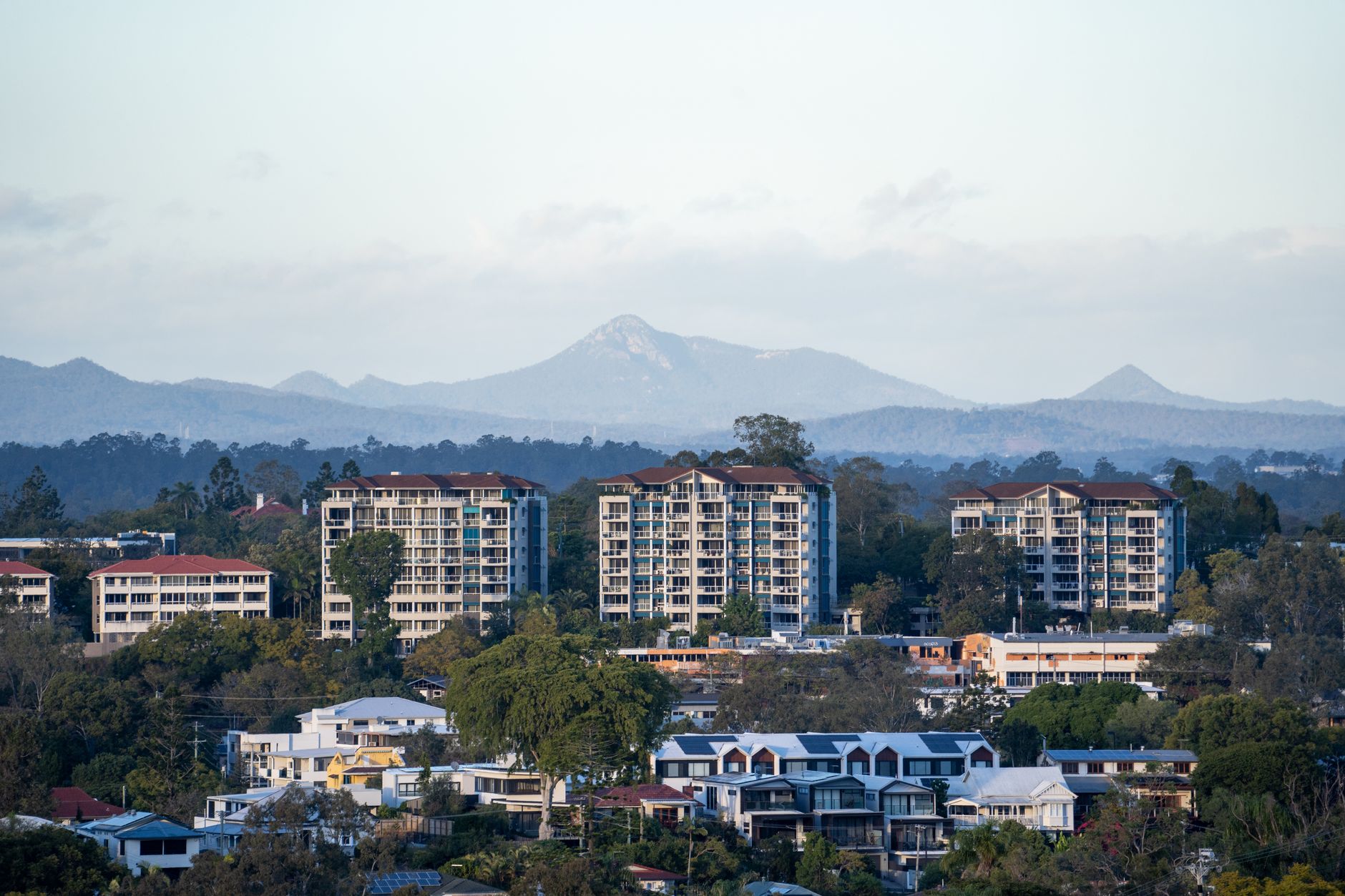
Logan’s architecture does not seek impact. Single-storey houses with gardens, pitched roofs and lightweight materials dominate, adapted to the warm climate. In older neighbourhoods such as Beenleigh, examples of timber houses raised on stumps survive, with verandas and shutters. In newer areas, housing estates follow more uniform patterns, but with shared spaces and green areas.
Public buildings deserve a look. Springwood Library, community centres and some schools combine function and simple design. There are no major signature works, but there is architecture designed for daily use, with shade, ventilation and accessibility. That modest scale is precisely what defines Logan: a city made for living, not for being photographed.
The best way to understand Logan is to accept that its appeal lies not in the exceptional, but in the everyday done well.
Diverse communities, shared identity
Logan is one of Australia’s most multicultural cities. Over recent decades it has welcomed communities from Vietnam, India, the Philippines, Samoa, Tonga, Sudan, Afghanistan and Latin America, among many others. That diversity shows in shops, neighbourhood festivals, temples and schools. It also generates tensions and debates about integration, housing and public services, which are part of the city’s real life.
For visitors, the recommendation is simple: approach with curiosity and respect. Community centres and libraries often organise open activities, workshops and cultural gatherings. Taking part, even as an attentive observer, offers a better understanding of how a shared identity is built in a city growing fast.
Responsible choices for visitors
Logan is not a mass tourism destination, and that is an advantage. Here visitors can move without hurry, use public transport, shop locally and avoid standardised circuits. Some useful guidelines:
- Use the train and bus instead of the car when possible.
- Shop at markets and neighbourhood stores, not only large chains.
- Respect community spaces and natural parks.
- Learn about local Indigenous history before visiting sensitive areas.
- Avoid comparing Logan with Brisbane or the Gold Coast; each city has its own rhythm.
These choices do not turn the experience into something heroic, but they make the trip fairer to those who live here. Logan does not need tourists to rescue it; it needs visitors who look at it with attention.
Practical guide
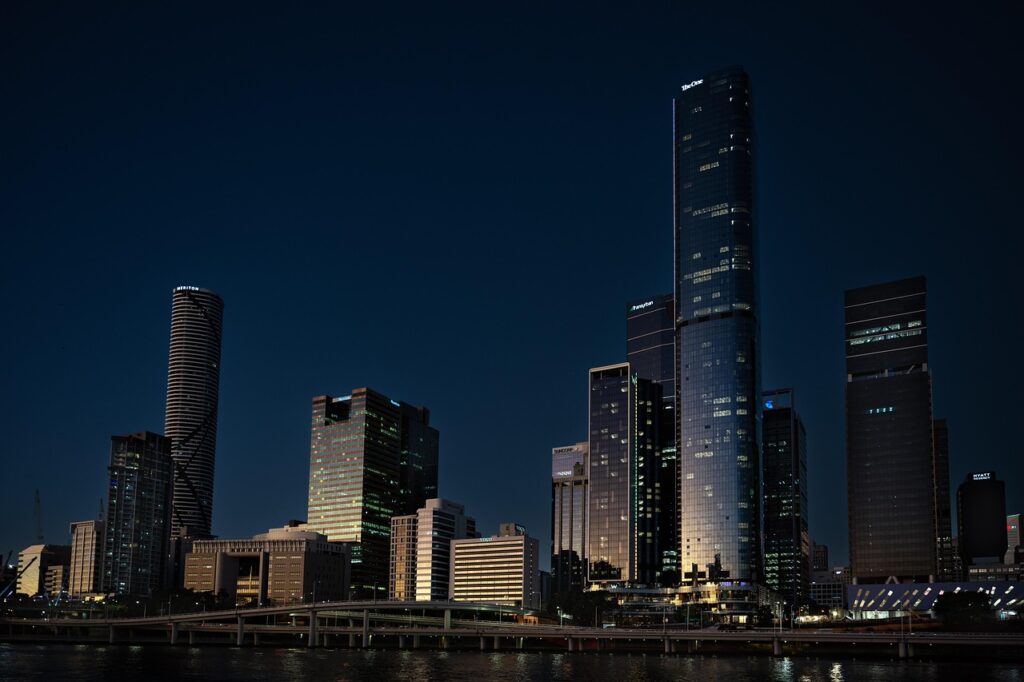
Getting there: Logan City lies between Brisbane and the Gold Coast in southeast Queensland. The commuter train connects Brisbane with several Logan stations, and main motorways make access by car straightforward. Brisbane Airport is the nearest.
When to go: The climate is subtropical. The Australian winter (June to August) is mild and dry, ideal for walking. Summer (December to February) is hot and humid, with possible storms.
Where to stay: Hotels and motels are available in Springwood, Beenleigh and nearby areas. Rural stays and campsites exist in the surrounding green zones.
What to bring: Sun protection, water, comfortable shoes and light clothing. For parks, insect repellent.
Language: English is the main language. Other languages are spoken in some shops, reflecting local diversity.
Currency: Australian dollar. Cards are widely accepted.
Transport: The commuter train and buses connect the main neighbourhoods. For more remote areas, a car is useful.
A closing note among gum trees
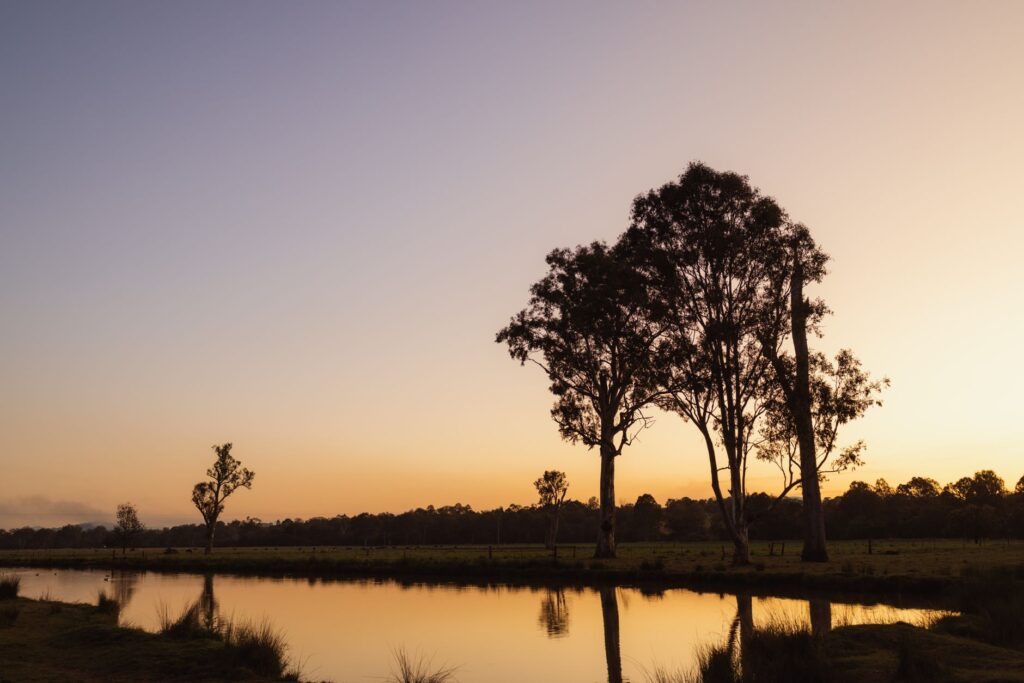
At dusk, the gum trees of Daisy Hill turn orange and the air fills with birdsong. From a simple lookout, without flashy signs, you see a city spreading between soft hills and distant motorways. Logan City offers no grand postcard, but an honest experience: that of a diverse community building its life day by day, between the train, the river and the forest. For travellers willing to look without prejudice, that is reward enough.