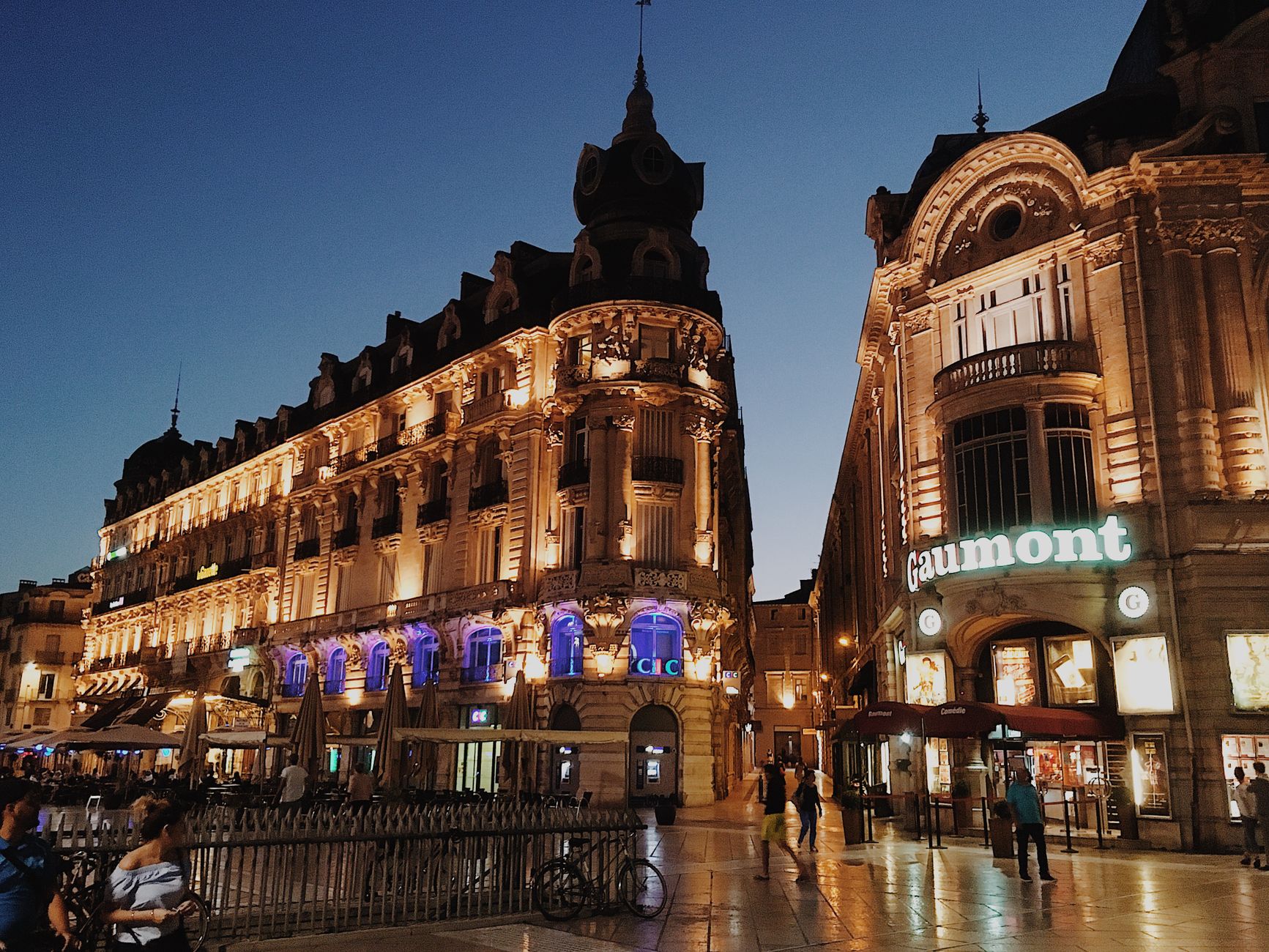

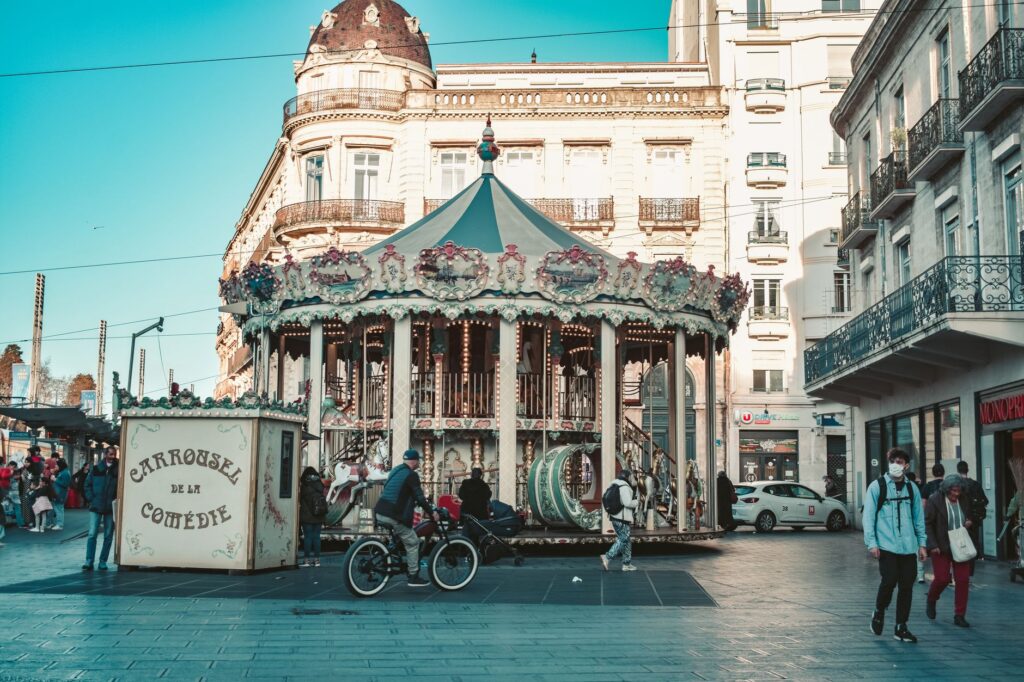
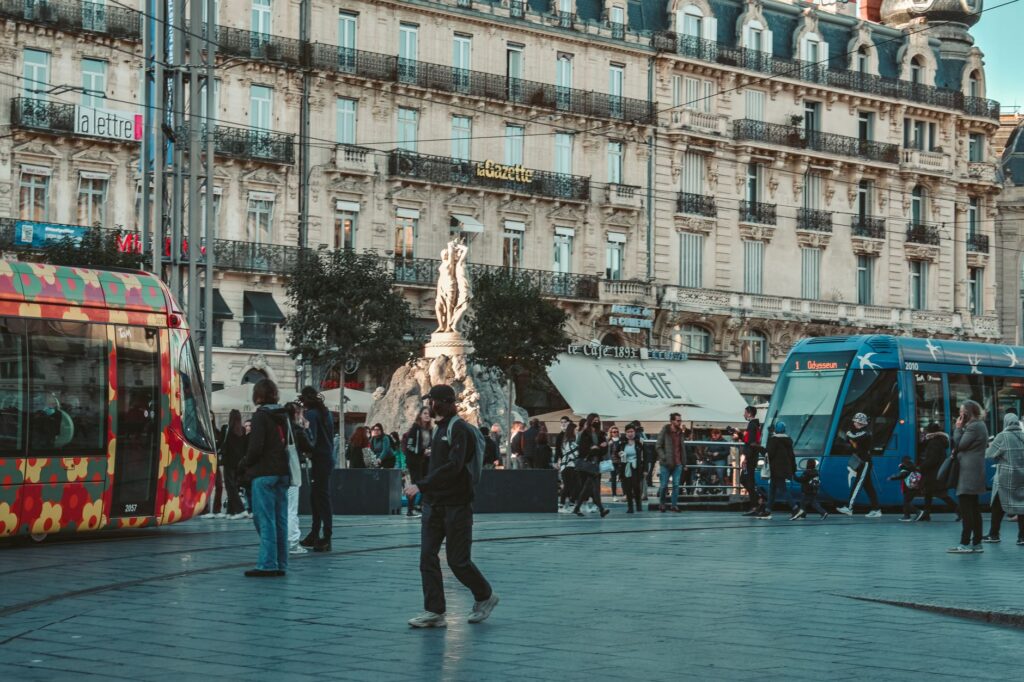
Montpellier smells of limestone and freshly ground coffee. In the Place de la Comédie, the pink marble paving reflects the midday light and students hurry toward the Faculty of Medicine, one of the oldest in Europe. A few metres away, the alleys of the Ecusson — the old town — narrow and fall silent, as if the city kept two different rhythms: that of tourists photographing facades and that of residents buying bread at the same bakery they have used for thirty years.
Montpellier is not a museum city. It is a living place that has learned to coexist with its own history without turning it into a theme park. That tension — between what is preserved and what is transformed — defines its identity today and poses an uncomfortable question to the visitor: how do you explore a place like this without helping to drain it of life?
A medieval foundation and a university present
Montpellier was born in the 10th century as a crossroads between Italy and Spain. Its university, founded in 1289, attracted students from across Europe and turned the city into a centre of medieval learning. That legacy remains tangible: the Faculty of Medicine keeps an anatomical museum that is one of the oldest on the continent, and the streets of the centre bear the names of physicians and botanists who left their mark.

But the city does not live on memories alone. With more than 70,000 students, Montpellier is one of the youngest cities in France. That mix generates a particular energy: terraces full by six in the evening, second-hand bookshops, bicycles parked on every corner. Heritage is not observed from a distance; it is used, walked on, inhabited.
“Montpellier is not visited: it is walked. The city is best understood on foot, allowing yourself to get lost in streets that lead to no particular monument.”
The Ecusson: a labyrinth that breathes
The old town of Montpellier, known as the Ecusson because of its shield shape, is a web of alleys that twist between tiny squares and hidden courtyards. There are no grand avenues or monumental vistas here; there are surprises. A half-open door reveals a private garden. A 17th-century facade hides a vinyl record shop. A Gothic arch leads to a language school.
Place de la Canourgue, with its fountain and cafes, is one of the most photographed corners, but also one of the quietest at dawn. A few steps away, the Jardin des Plantes — the oldest botanical garden in France, created in 1593 — offers a refuge of shade and silence. Students use it to study; residents, to read the newspaper. It is a shared space that sums up the spirit of the city: scholarly and everyday at once.
The old quarter faces its own success
As in other European heritage cities, central Montpellier faces growing pressure. Housing has become more expensive, some traditional shops have closed, and tourist apartments have multiplied. Residents talk about it in bakeries and neighbourhood meetings: the balance between welcoming visitors and keeping a living community is fragile.
The city council has pushed measures to limit the conversion of homes into tourist accommodation and to encourage local commerce. It is not a settled battle, but it is a sign that the city is trying not to become a stage set. For the traveller, this translates into a simple recommendation: spend in local businesses, avoid chains, and respect the hours and quiet of residential streets.
Antigone: the other Montpellier
A twenty-minute walk from the medieval core, the Antigone district breaks with everything before it. Designed by Catalan architect Ricardo Bofill in the 1980s, it is a set of neoclassical buildings with clean lines and monumental proportions. Some find it grand; others, cold. But no one disputes that it offers a different perspective on the city and a lesson in contemporary urbanism.
Antigone connects the centre with the Lez river and with the new Port Marianne district, where office buildings, modern housing and green spaces are concentrated. This is the Montpellier that looks to the future, the one that grows and reinvents itself. Walking from Place de la Comédie to here is to cross seven centuries of urban history in less than half an hour.

Daily life: markets, squares and terraces
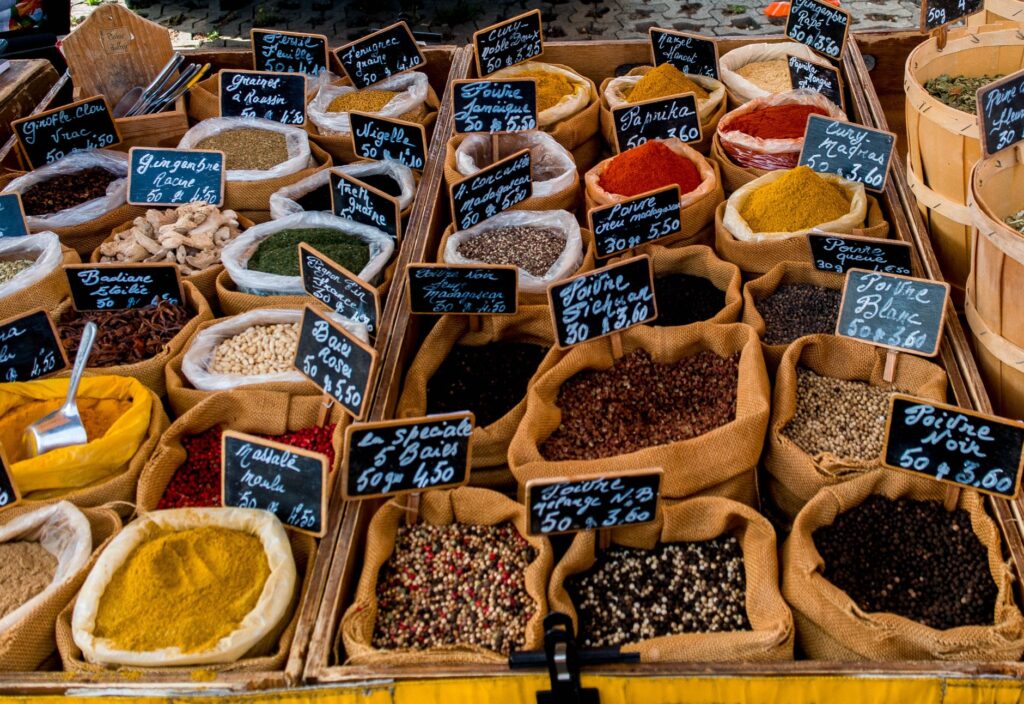
The Les Halles Castellane market, in the heart of the centre, is a must-stop to understand how the city eats. Regional products — olives from Nîmes, cheeses from the Pyrenees, wines from the Languedoc — pile up on stalls that open early and close at midday. Residents queue patiently; chefs from nearby restaurants buy at the last minute.
Around the market, terraces fill at aperitif time. There is no rush. Local culture values conversation, the slow gesture, shared food. For the visitor, adapting to that rhythm is part of the experience: ordering a coffee and staying to read, rather than rushing from monument to monument.
Heritage you touch, not just look at
Montpellier has restored much of its architectural heritage in recent decades. The Cathedral of Saint-Pierre, with its monumental porch and truncated towers, is an example of how the city has managed to integrate the old with the new. The Musée Fabre, one of the most important fine arts museums in France outside Paris, holds a collection ranging from the Renaissance to contemporary art and has become a cultural engine for the region.
But Montpellier’s most valuable heritage is not in museums. It is in the golden stone facades that change colour with the light, in the inner courtyards that open only to those who get lost, in the spiral staircases that lead to private flats. It is a living, inhabited heritage that demands a respectful and curious gaze from the visitor.
A destination for slow travellers
Montpellier is not a city for lists of things to see. It is a place to stay for a few days, walk without a plan, sit in a square and observe. Its size — around 300,000 inhabitants — makes it manageable on foot or by bicycle, and its Mediterranean climate invites time outdoors for most of the year.
The traveller who arrives looking only for monuments may feel disoriented. The one who arrives willing to share space with students, residents and shopkeepers will discover a city that, without great fuss, offers a lesson in balance between memory and present.
Practical guide
- Getting there: Montpellier has an international airport and a high-speed train station connecting it to Paris in just over three hours and to other cities in southern France.
- When to go: Spring and autumn offer mild temperatures and less crowding. Summer is hot and busy; winter is quiet and bright.
- Getting around: The historic centre is largely pedestrian. The tram network connects the old town with districts such as Antigone and Port Marianne. Bicycle rental is simple and inexpensive.
- Where to eat: Markets such as Les Halles Castellane are ideal for trying local products. Central restaurants offer regional cuisine at varied prices; booking is advisable in high season.
- What to avoid: Tourist apartments contribute to rising local housing costs. Staying in hotels or regulated accommodation and spending in neighbourhood shops helps keep the centre alive.
- Local respect: The old town is a residential neighbourhood. Keeping your voice low, respecting rest hours and not intruding into private courtyards are gestures residents appreciate.
A city that lets itself be loved slowly
As evening falls, the light over Place de la Canourgue turns golden. Students head home with books under their arms; residents pull chairs out to their doorsteps; a musician improvises in a corner. Montpellier does not offer a grand spectacle, but something harder to find: the feeling of being in a place that still belongs to those who live in it.
That is, perhaps, the best reason to visit. Not for what it shows, but for what it allows: to walk, look, listen and, above all, not be in a hurry.